Things have happened…
Our trip was to have a plan that wasn’t really a plan. To have a general itinerary which was flexible depending on what we felt like, what we learned along the way, and where we thought we wanted/needed to go. This is certainly the case. The original plan was to stay in the Patzcuaro area for just a week. We have now extended that to almost four weeks due to things happening – more on that in a future post.
In the mean time, some things we’ve done and pictures to go along…
Patzcuaro
This area of Morelia is beautiful. We are, however in the middle of a heat wave that is affecting much of the US, Mexico, and Central America. It is un-typically warm for Morelia, coming in in the upper 80’s where it should be in the upper 70’s. Because we are at 6900′ elevation, the sun is intense and adding the heat to it, tires you out quickly. When we sit down for lunch or dinner, the first thing we order – even before we get our menu, is a picture of lemonade.
Much of our time here in Patzcuaro is walking around, lounging, visiting the market, going to the Plaza Grande and people watching, etc. We also take day excursions to other towns near by to pass the time. We have landed in a small trailer park/hotel with perhaps 10 sites in all, and only three other sites filled. It’s a pleasant, quiet part of town, near – but set back – from the main road. Walking distance to many stores, and a short cab ride anywhere else. Usually, we only take the truck when we are going out of town, or have a truck-specific errand to run.
As for pictures of Patzcuaro, it looks like I have very few pictures, I will have to take more in the next two days.


Tzintzuntzan
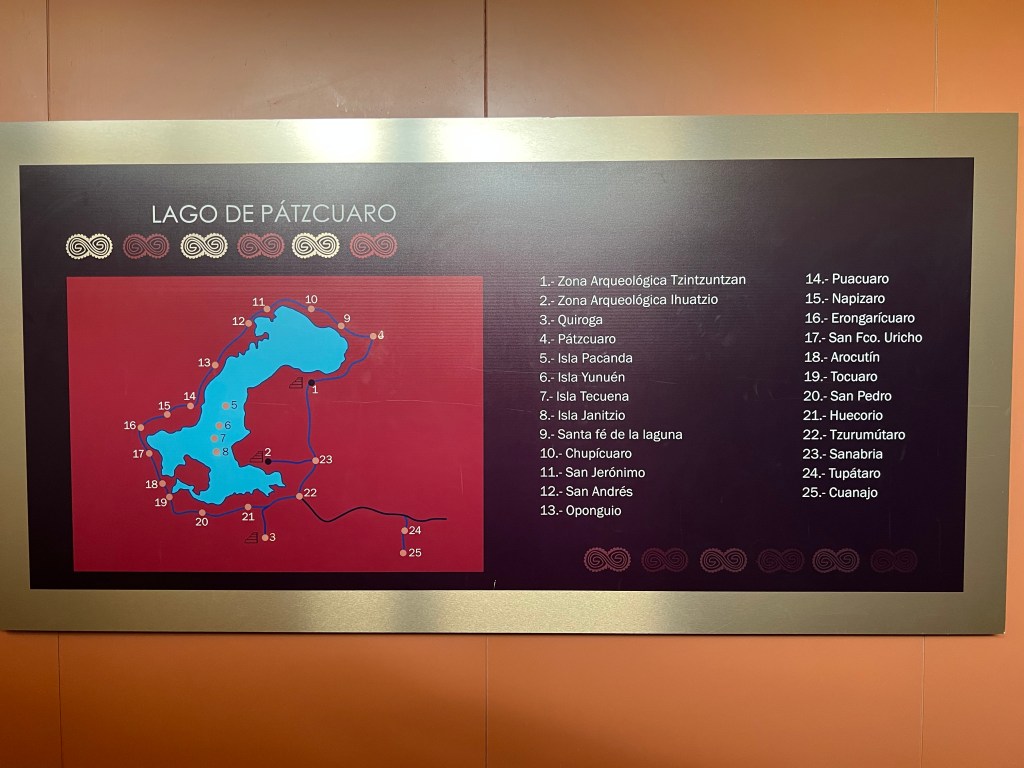
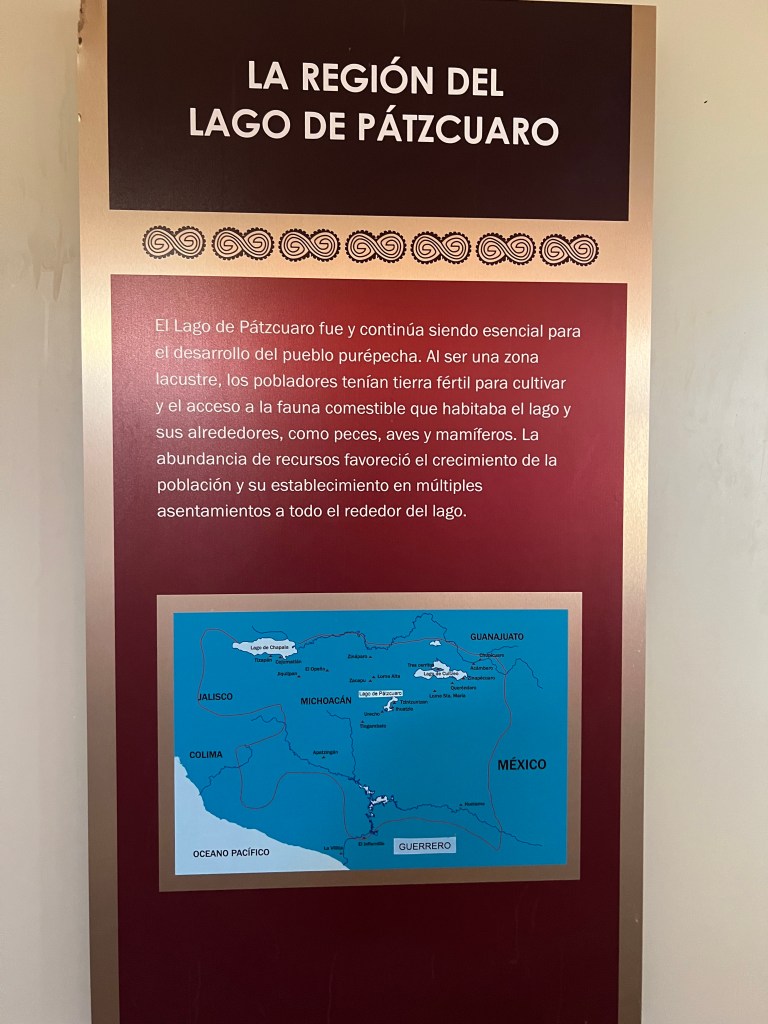
Tzintzuntzan is a Pueblo Mágico, close to Patzcuaro – also on the shores of Lago de Patzcuaro. It is one of the three seats of power in the Purépecha Empire – which was impacted by the Spanish Hoard. The town itself is a typical town, I personally would not call it magical, but I am sure that there are aspects, history and culture that I am not aware of as to why it has the status of being a Pueblo Mágico.
They make straw Christmas ornaments, for amazingly low prices – even at the “I see your fat gringo wallet” prices, they are inexpensive. Needless to say, I bought some, many in fact, to adorn our tree next winter.


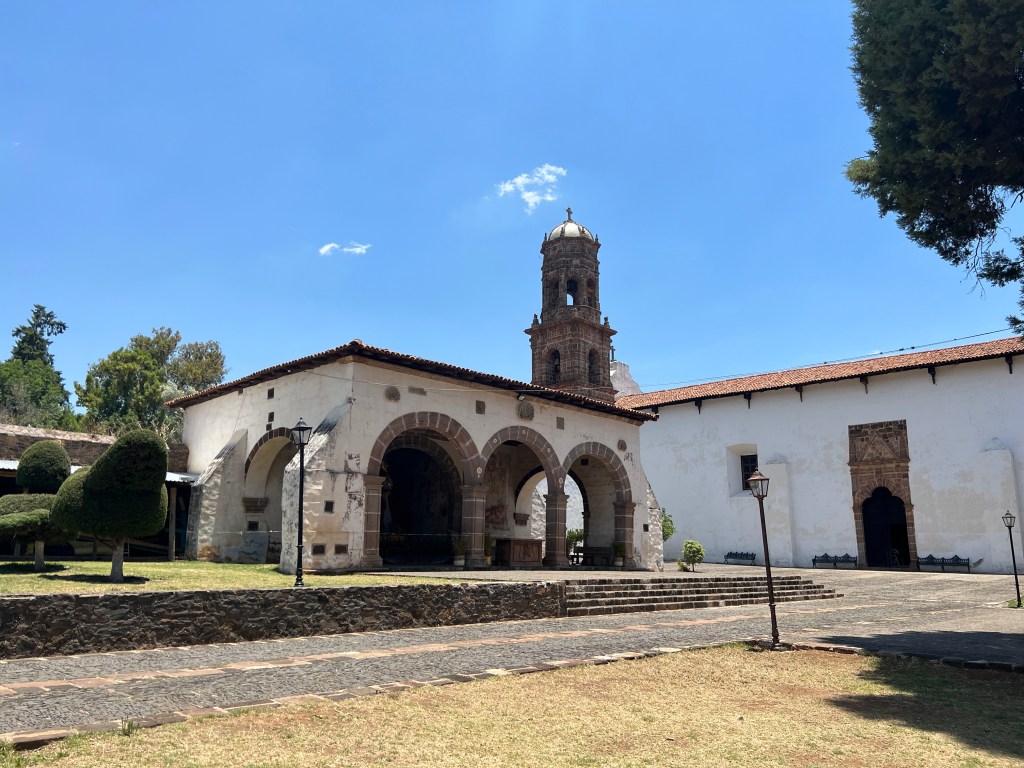
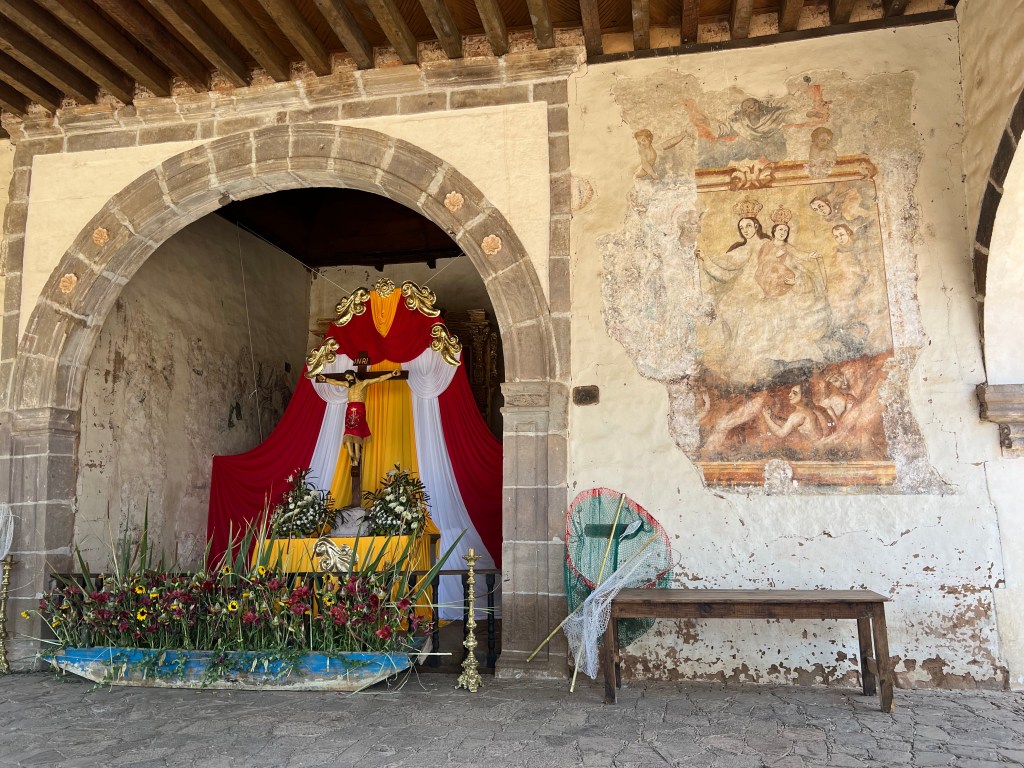
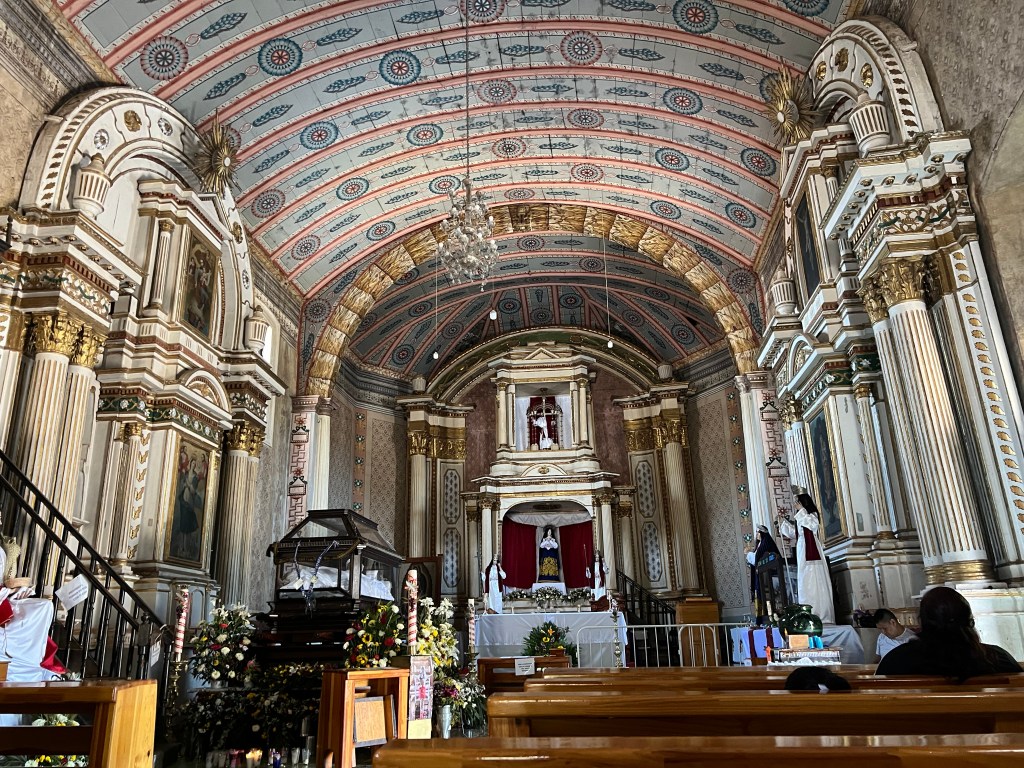
Tzintzuntzan – a fun word to say, also has a special convent next to its market. This convent is hundreds of years old, and is famous for its ancient olive trees planted by the priest whose name escapes me, who converted the Purépecha people to Catholicism. These olive trees are still alive and producing olives, albeit not very many. They are something to look at however.
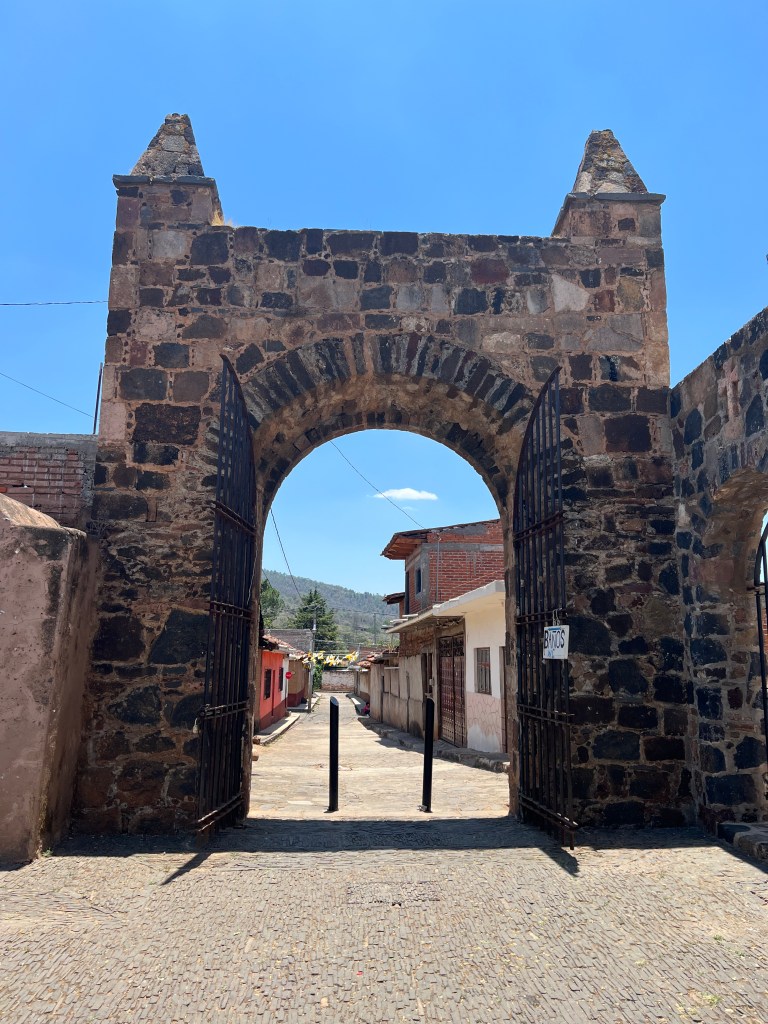
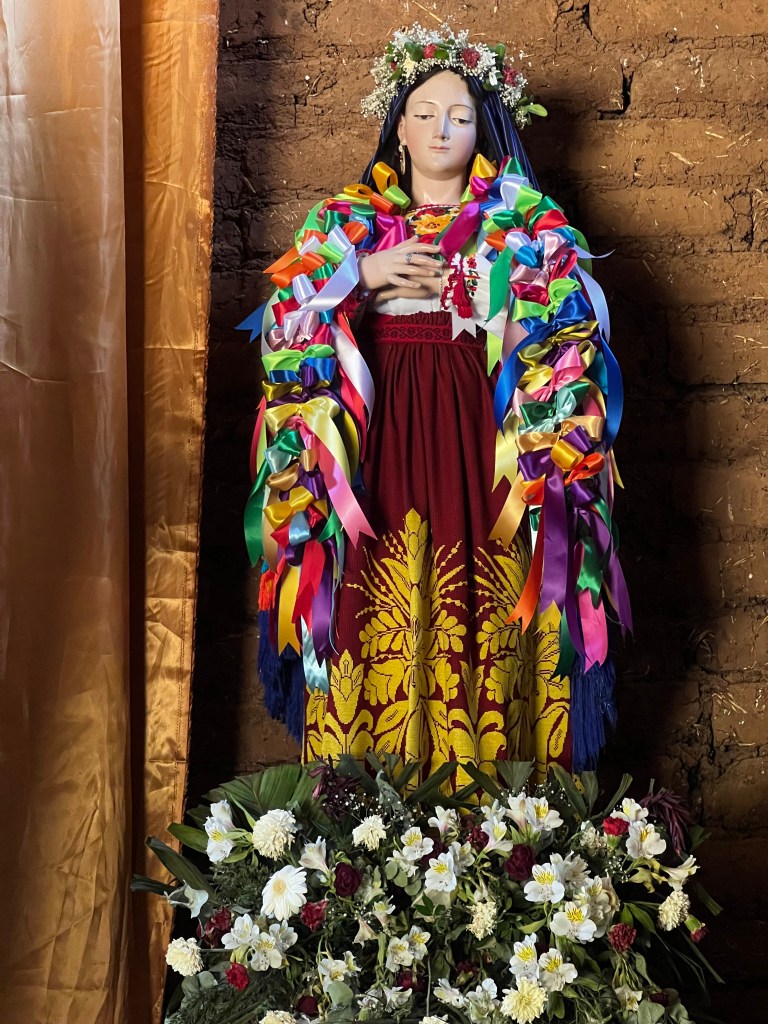

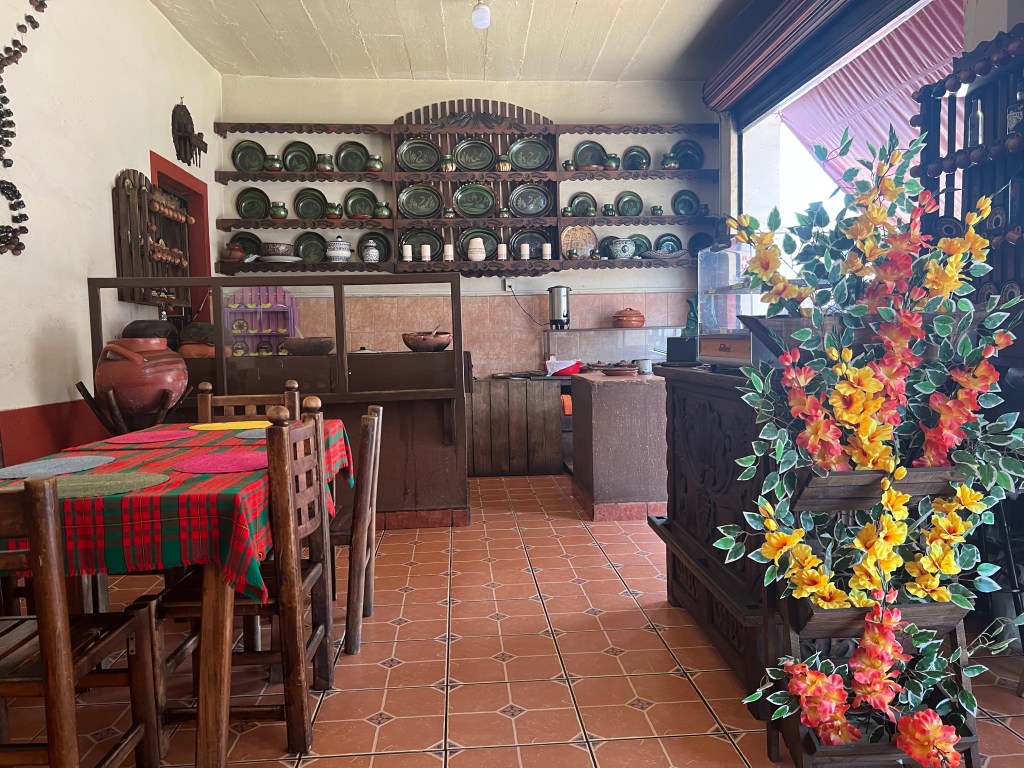
We ate at a local eatery. It was one of my favorite places for ambiance, but the food was just OK. I had mole and while good, I wasn’t too hungry. The tables were in the kitchen and the ladies were very accommodating and nice.
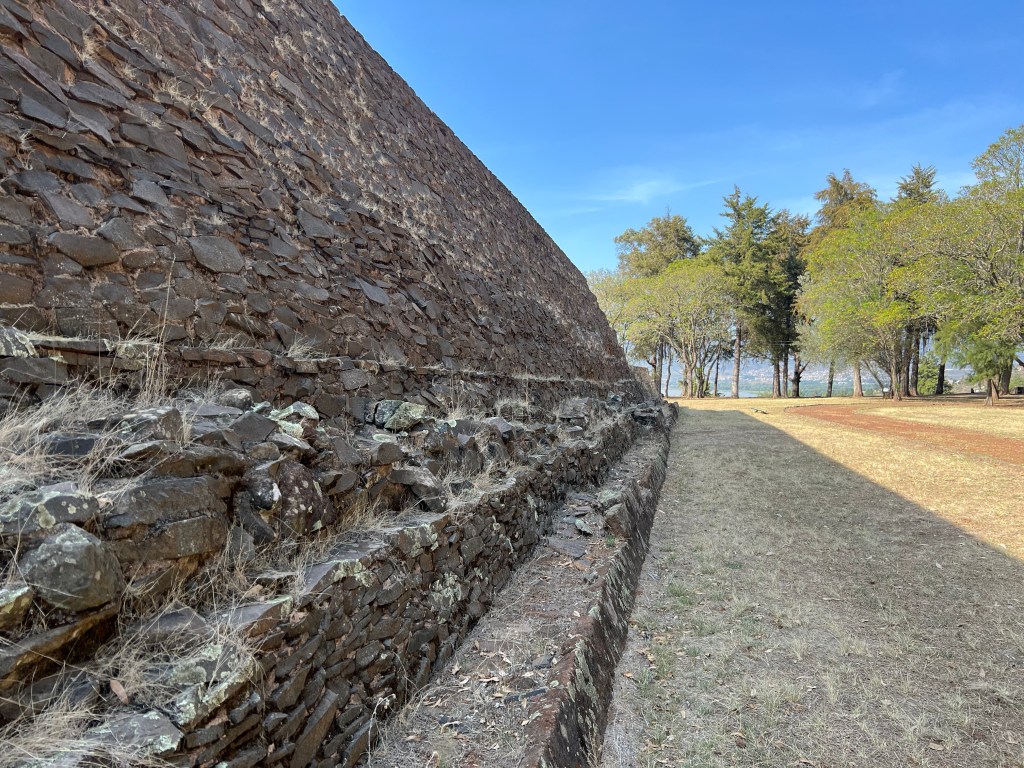
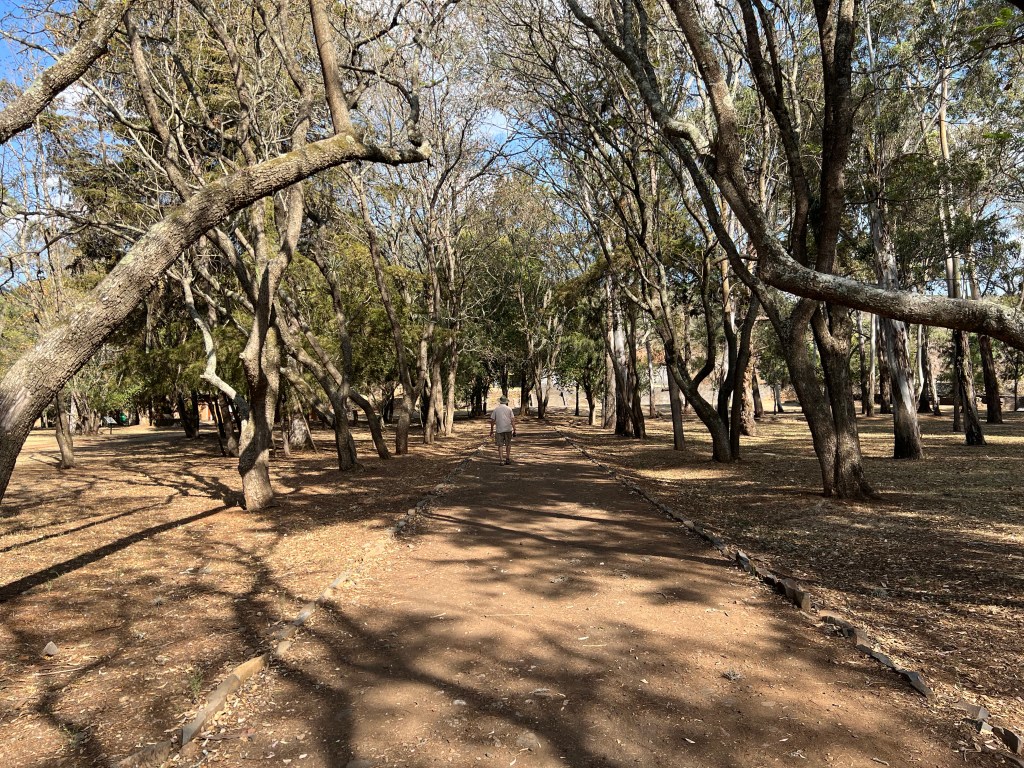
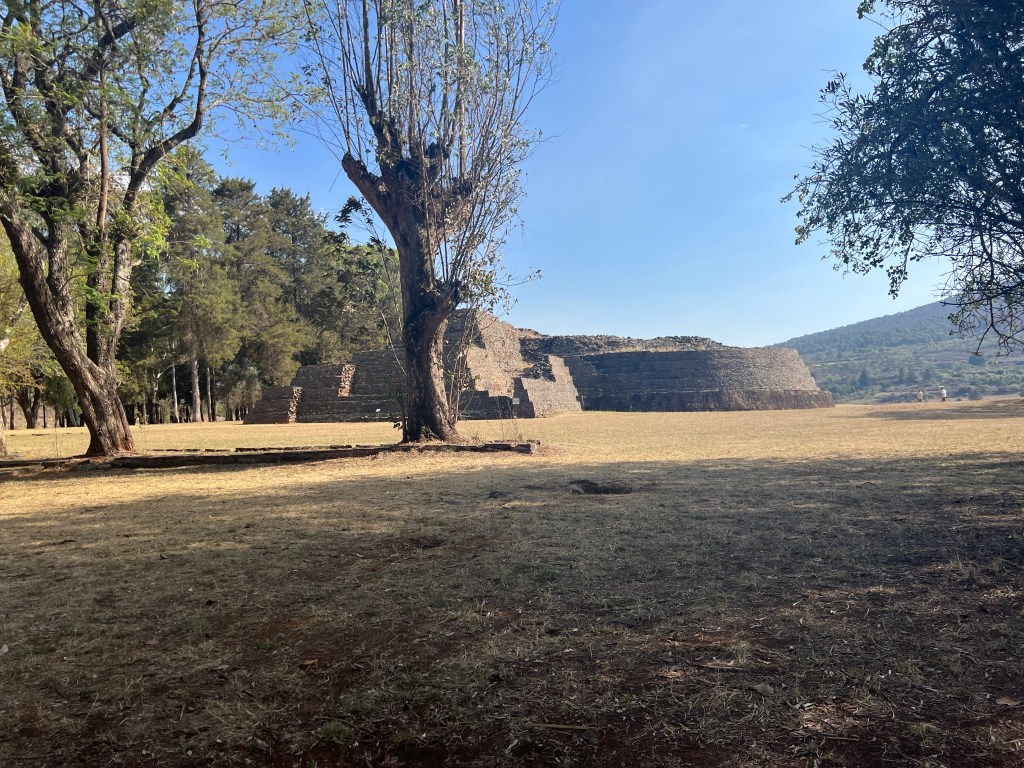
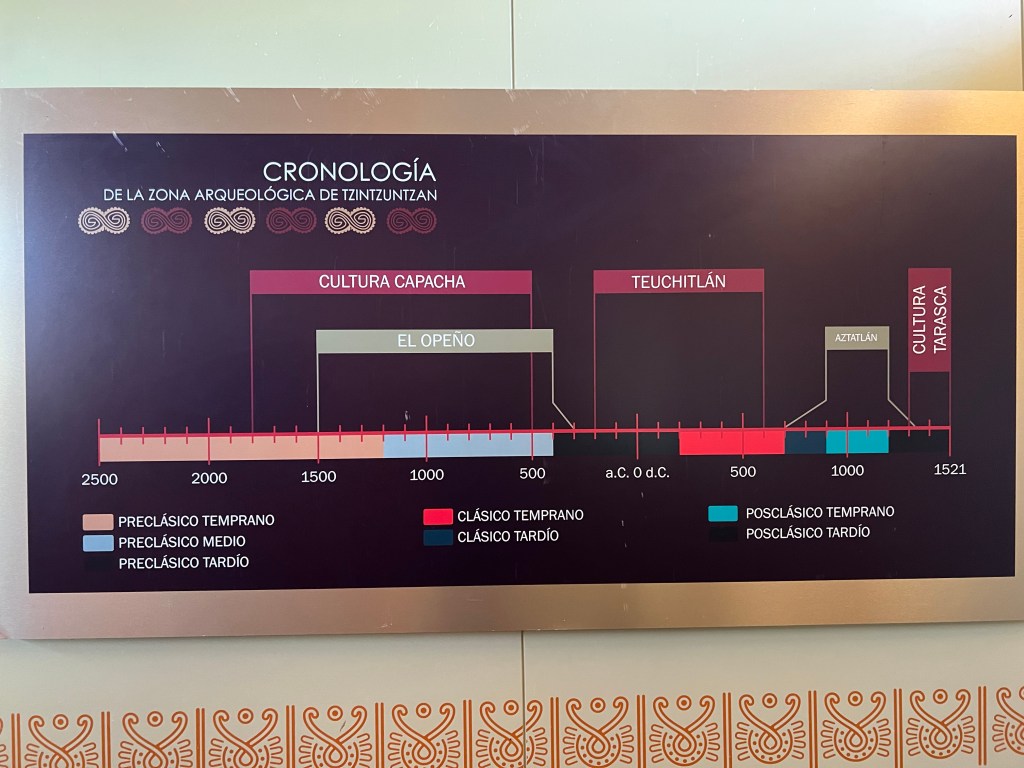
Archeological Zone – Yacatas. This park and museum are another claim to fame of Tzintzuntzan. The ruins date back to around 700CE. While this area has been inhabited since 2500BCE, there have been several civilizations in this area which have superseded each other. The Purépecha people were the latest people to live in this area prior to the arrival of the Spaniards. There were three centers of power in this area, Patzcuaro, Tzintzuntzan (about 20km away), and Quiroga (modern name of town named after the Spanish Bishop who converted many). When the Spanish arrived, all three were conquered, but not without a fight. All three banded together and moved resources between the them and the other lake communities to keep the Spanish at bay.
These ruins, while they look solid, are most likely hollow or have passages and rooms inside them. Cool air currents could be felt around the base.
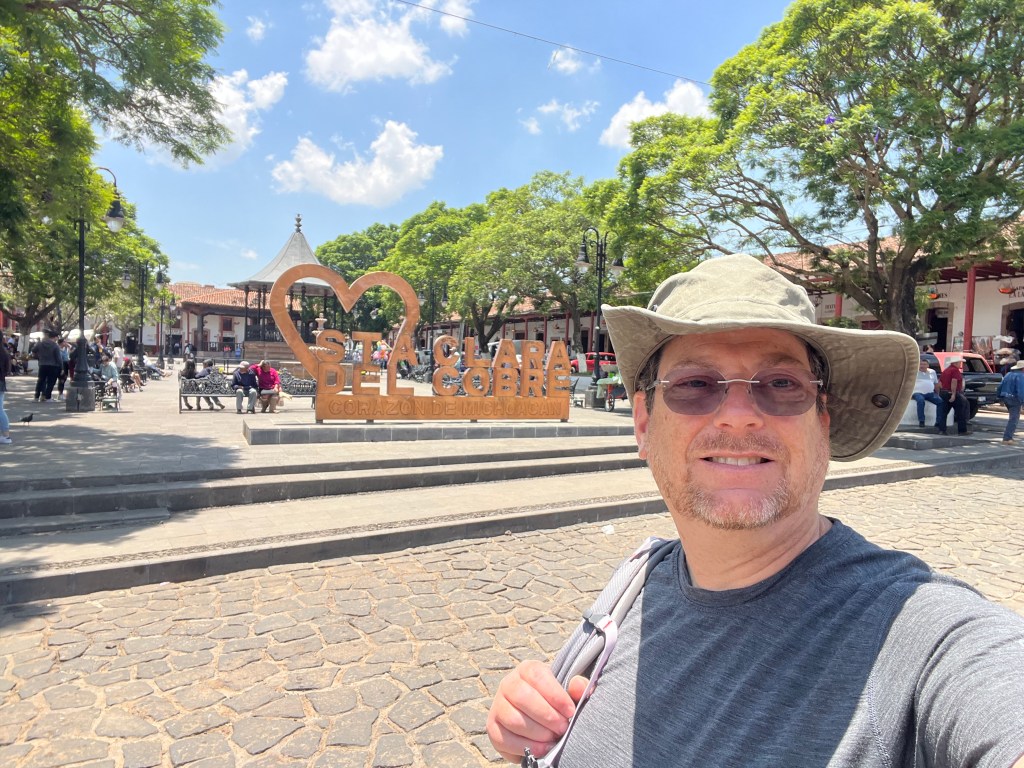
Santa Clara del Cobre
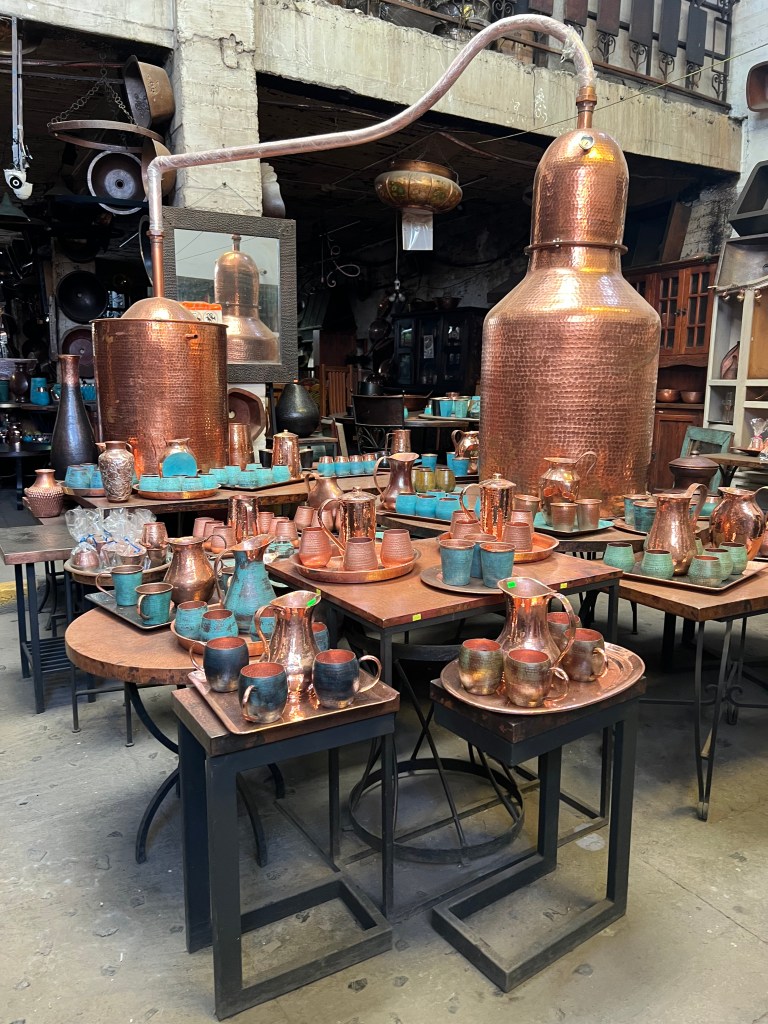
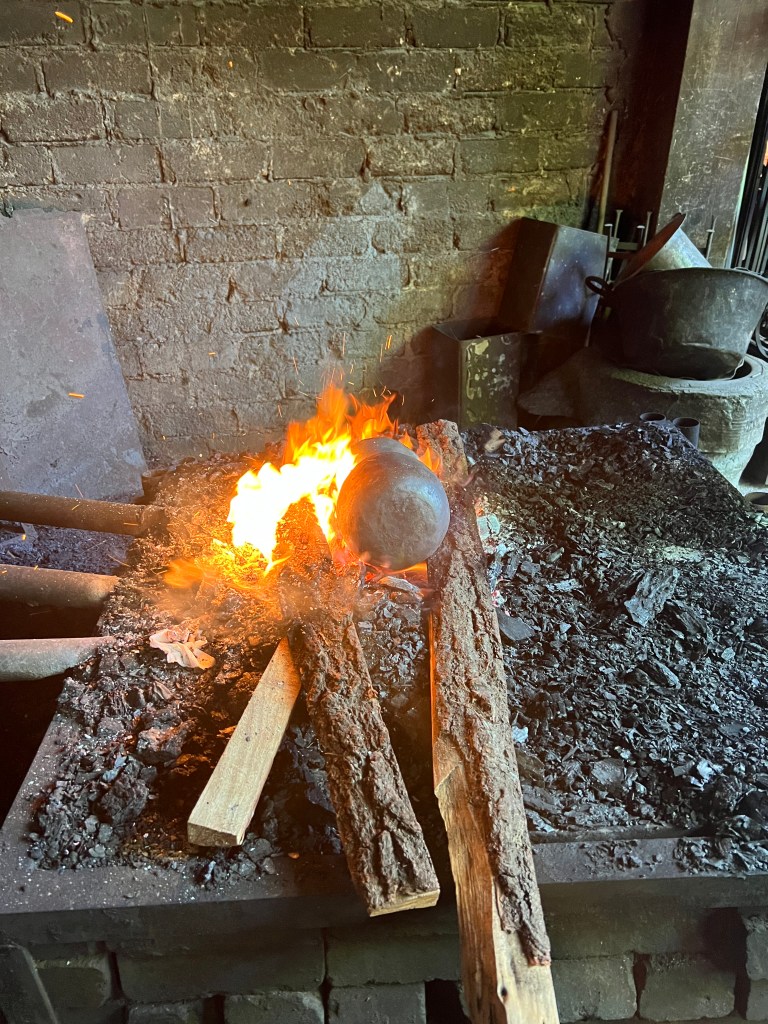
Santa Clara del Cobre is yet another Pueblo Mágico in the area – about 20km from Patzuaro. But much like Tzintzuntzan, by first appearance and my lack of knowledge, the magical nature of this town is obscured. This town is famous for its copper artisans and art. This seems to be a fairly recent addition to the towns jewels, as they do not have a mine nearby, they deal in recycled copper – which, but writing this, leans me in the direction of being magical and good stewards of our planet.
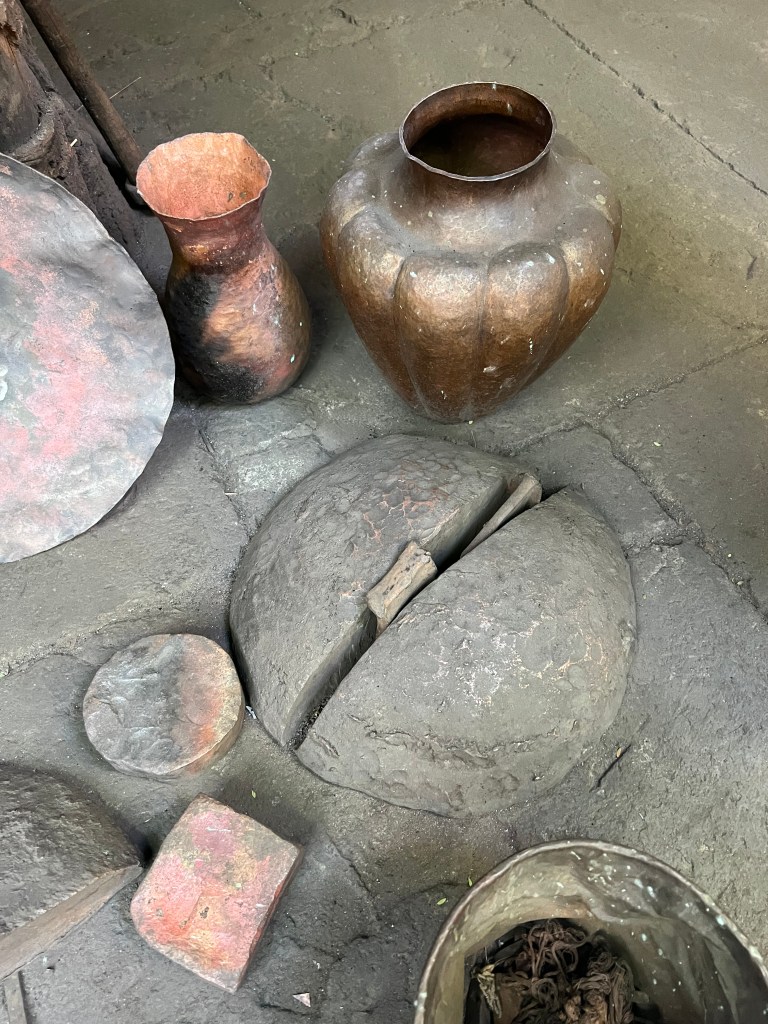
They usually source the copper in waste form, ingots from circuit boards, electrical wires, scrap metal, etc. They then smelt it down to ingots and then split the ingots into the appropriate size for their project and start pounding. It’s all manual, they don’t use hydraulics in their work.

Morelia
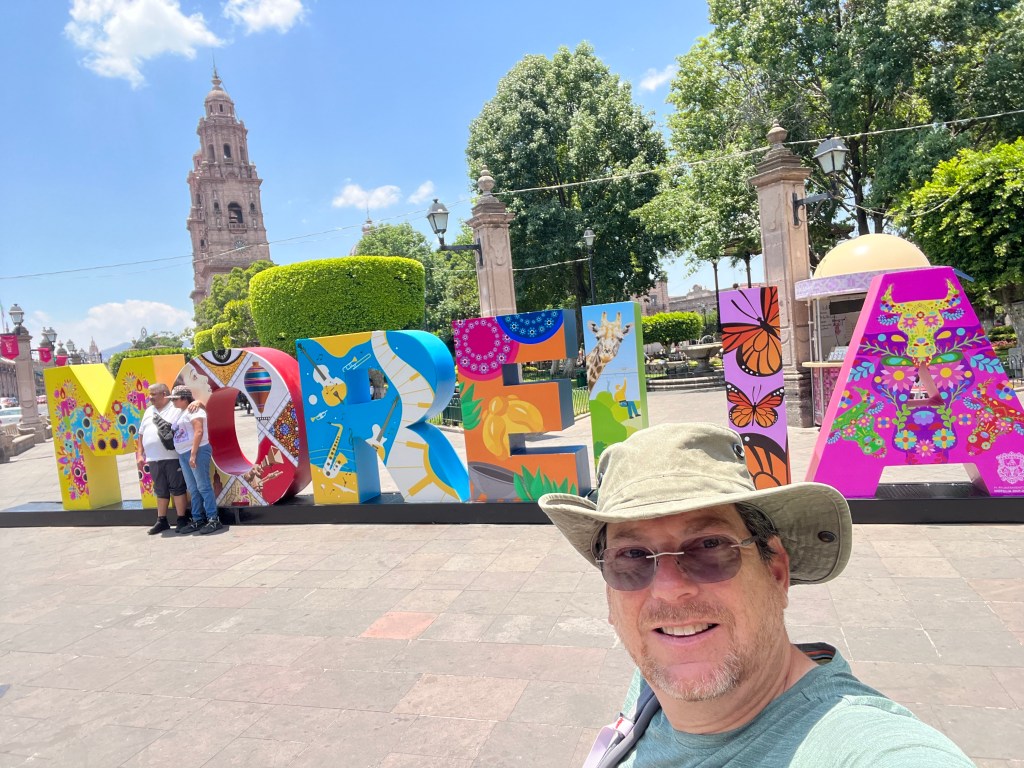
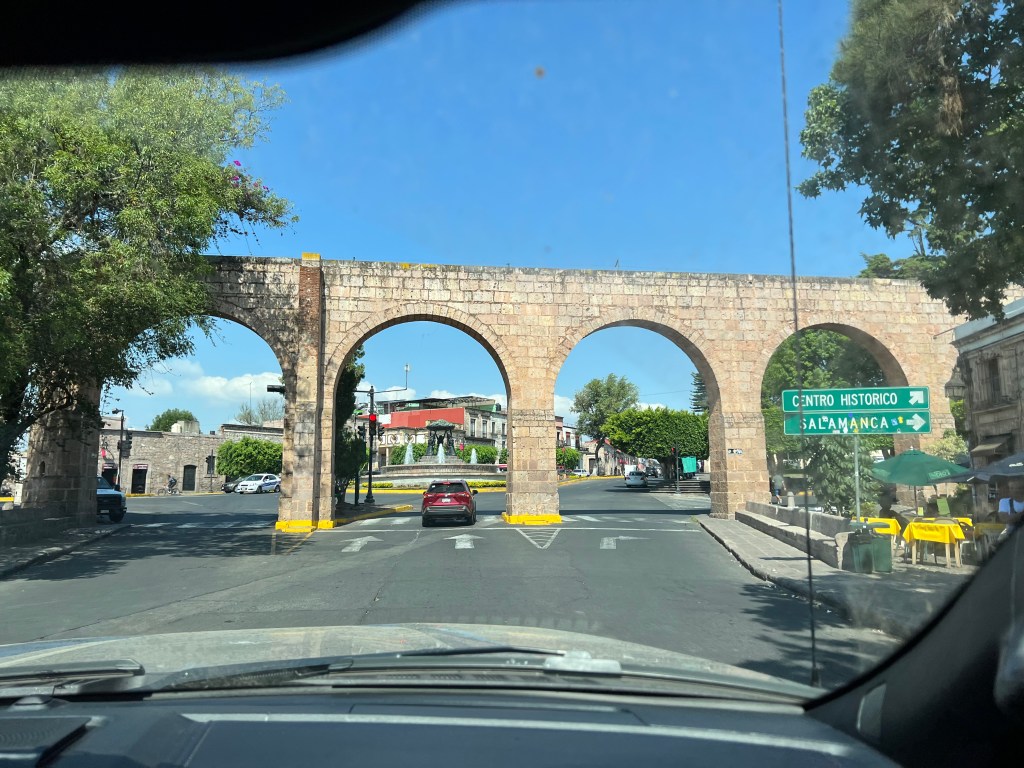
Earlier in the week, we dropped a friend who was visiting off at the airport in Morelia. We then spent the day wandering around the historic center and taking in the sights. Morelia is an UNESCO World Heritage site for it unique baroque architecture, and its cultural significance (the Mexican Revolution started here).
Morelia is a city of more than 1mln people in the city proper as well as the municipality. The airport is convenient and fast. I like airports like this. Their webpage states that you should show up 45 prior to your flight – that’s at boarding time. Morelia is a university town as well as the state capitol.
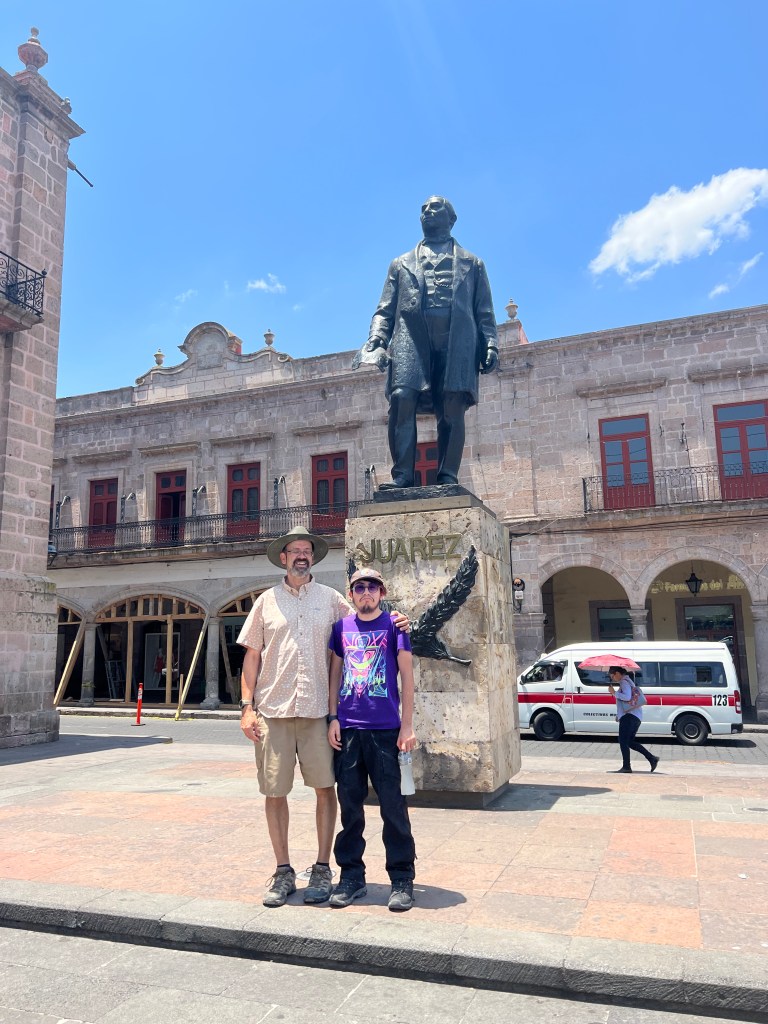
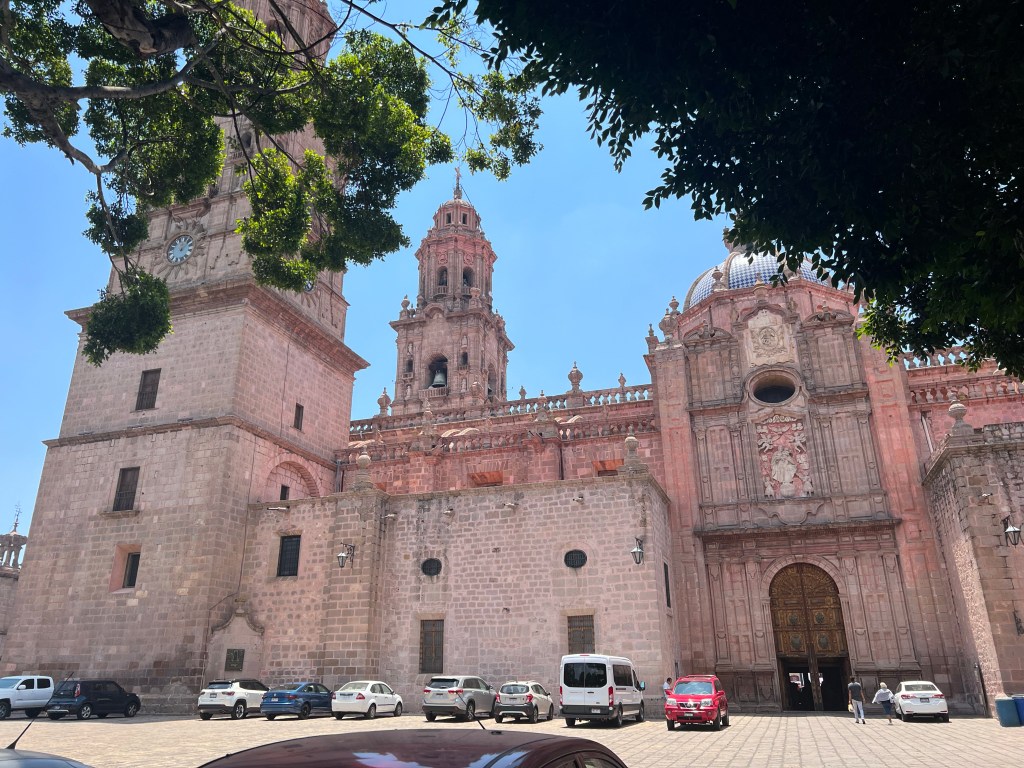
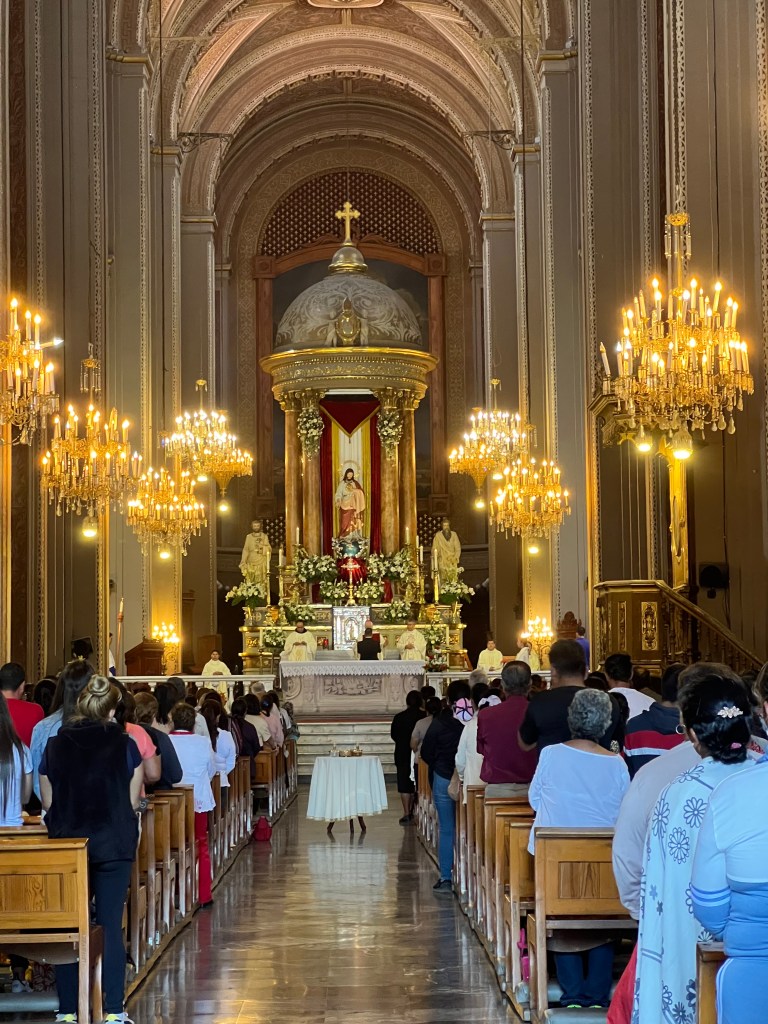
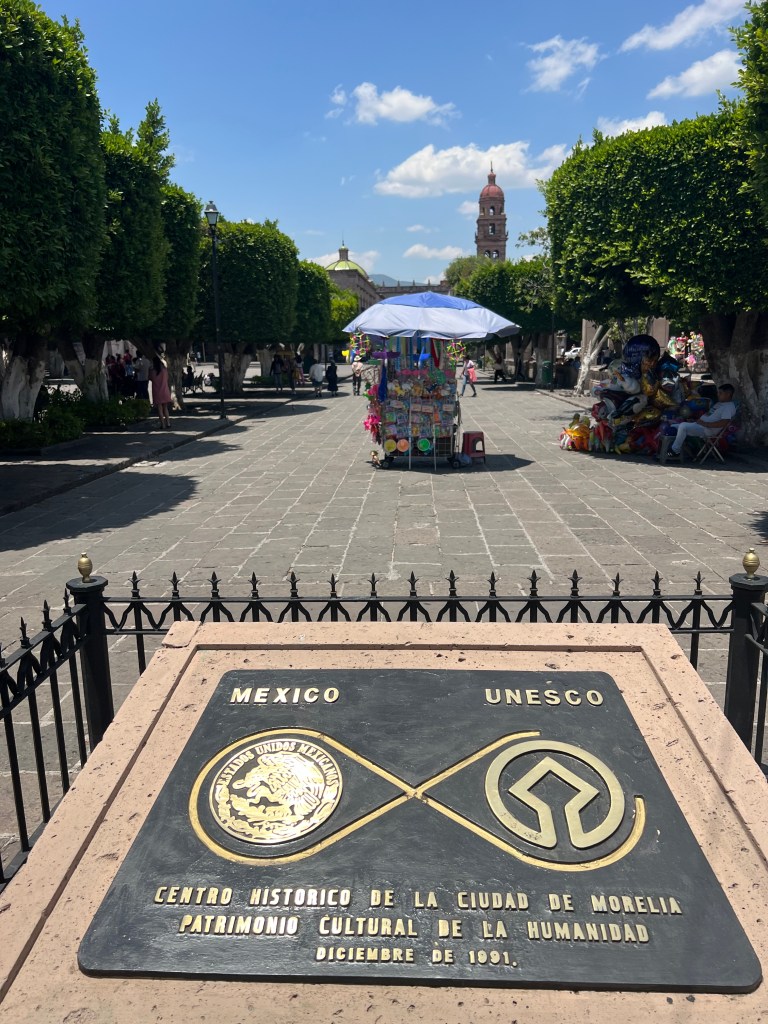

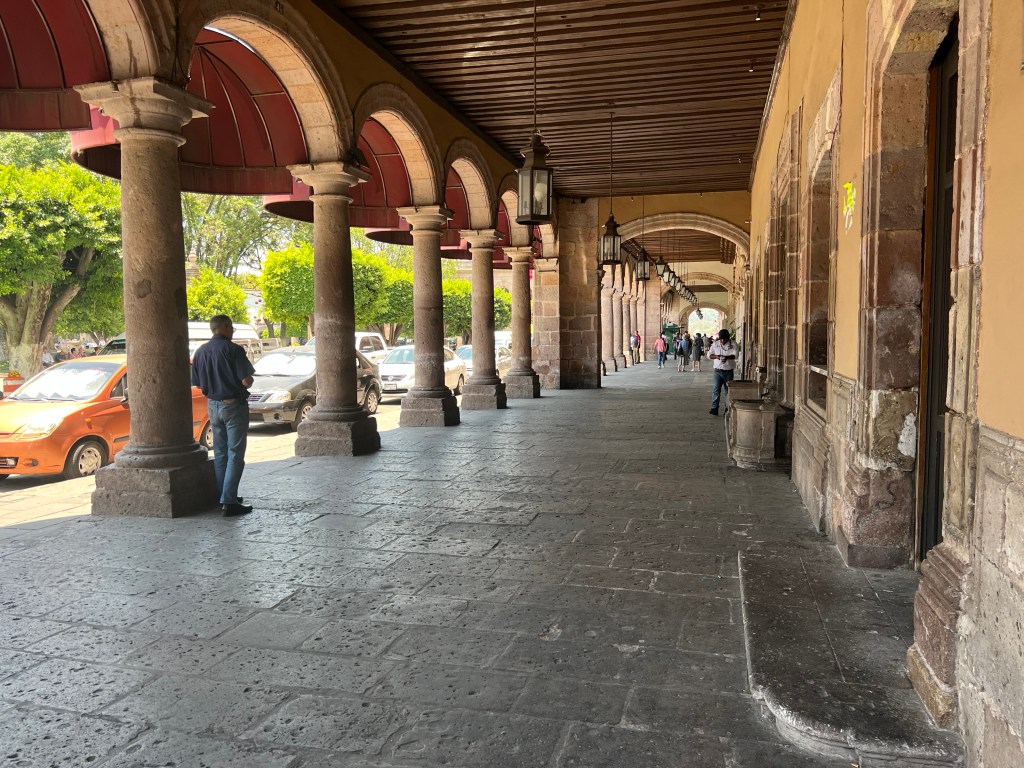
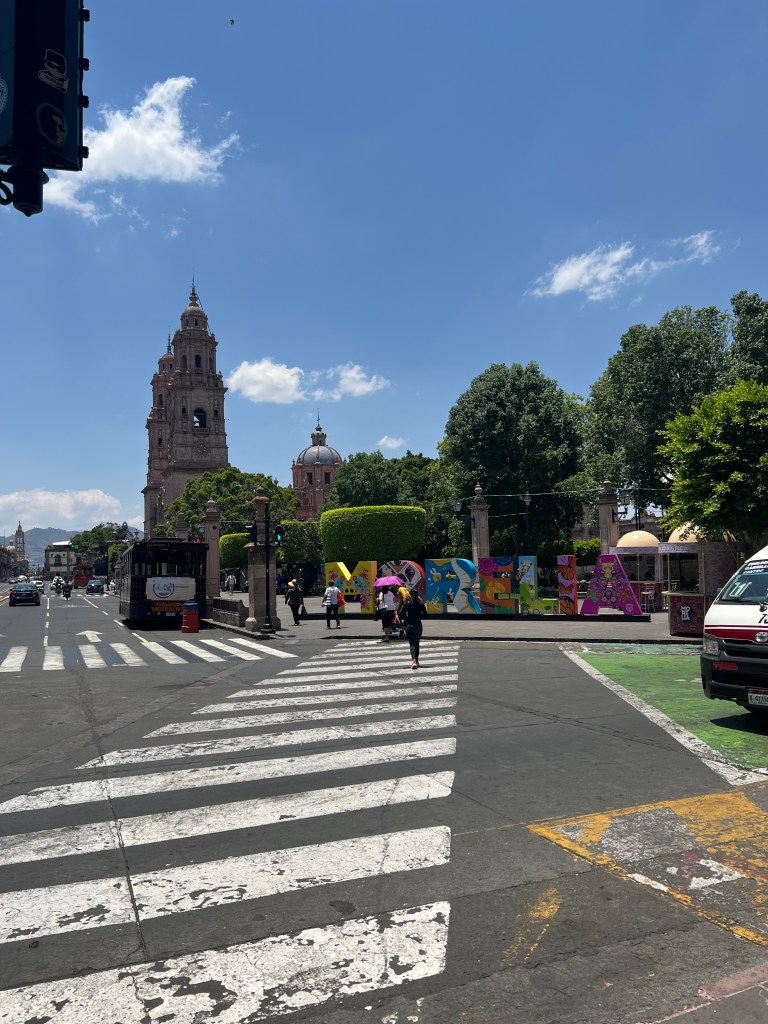

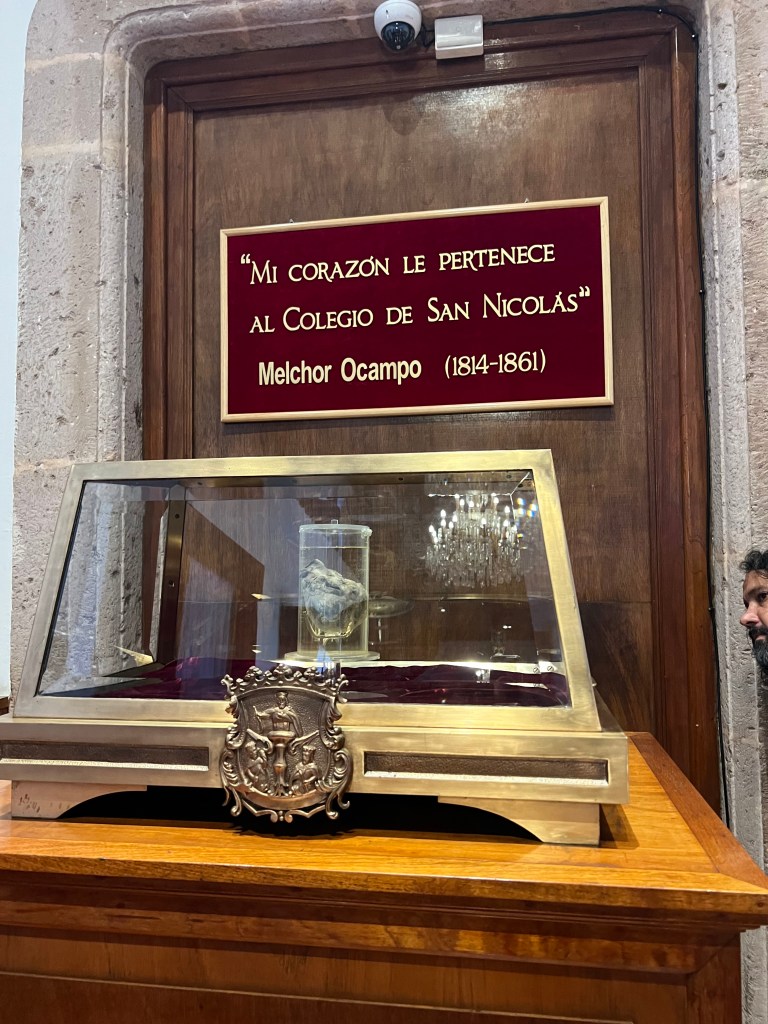
We wandered around and found two libraries, one at the university, and the public one next door. As we were wandering around the university, a man pulled us aside and asked/urged us to take a tour in the museum. This museum is dedicated to a hero of Mexico, Melchor Ocampo. Ocampo was born during the Mexican revolution and was assassinated 47 years later for his work and social programs. He was a politician, astronomer, gardener, linguist, the list goes on. He was so enamored with the ideas of Benito Juarez, the first indigenous president of Mexico and who was the first leader during the reform wars. Juarez was unable to enact many of the social programs during his term before he was assassinated, but his ideas turned into reforms post-mortem. Ocampo was one of those that pushed for reform and is credited with implementing many social programs and being the father of the civil registry of Mexico.
Ocampo loved Mexico and the people to such an extent that in his last will and estimate, he bequeathed his heart to the university through the following statement “Mi Corazón le pertinence al Colegio de San Nicolás” (My heart belongs to the school of San Nicolás). His daughter took that statement more directly than most would read it and donated his heart to the university where it is revered and on display along with his library and other relics in the museum.
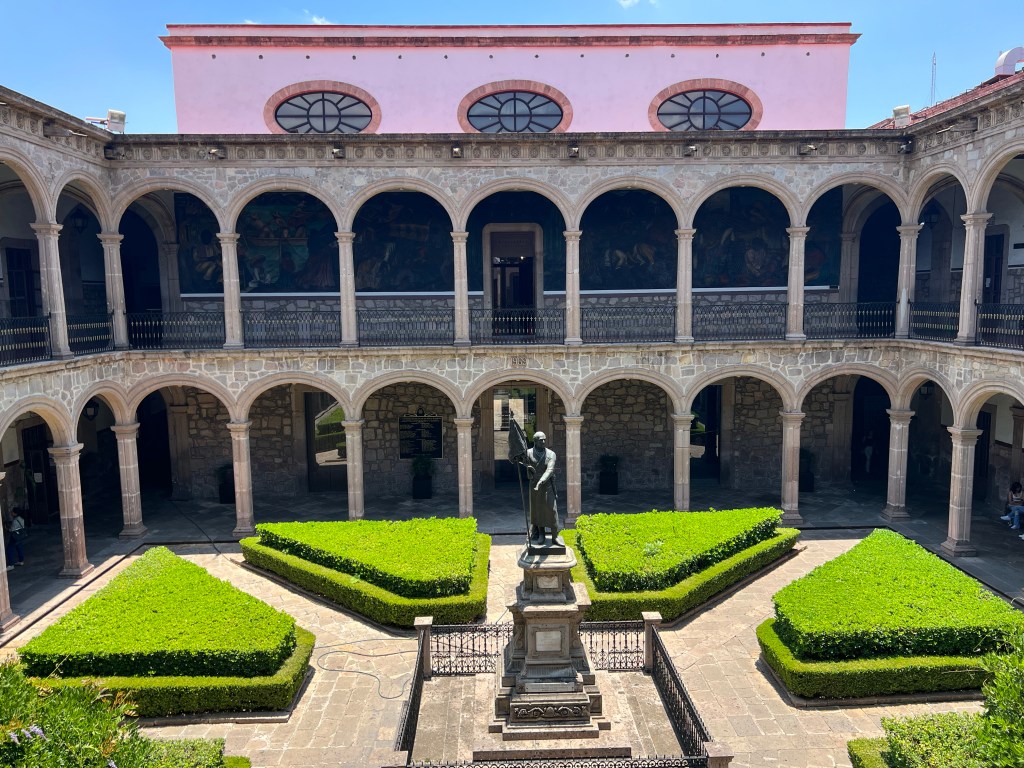
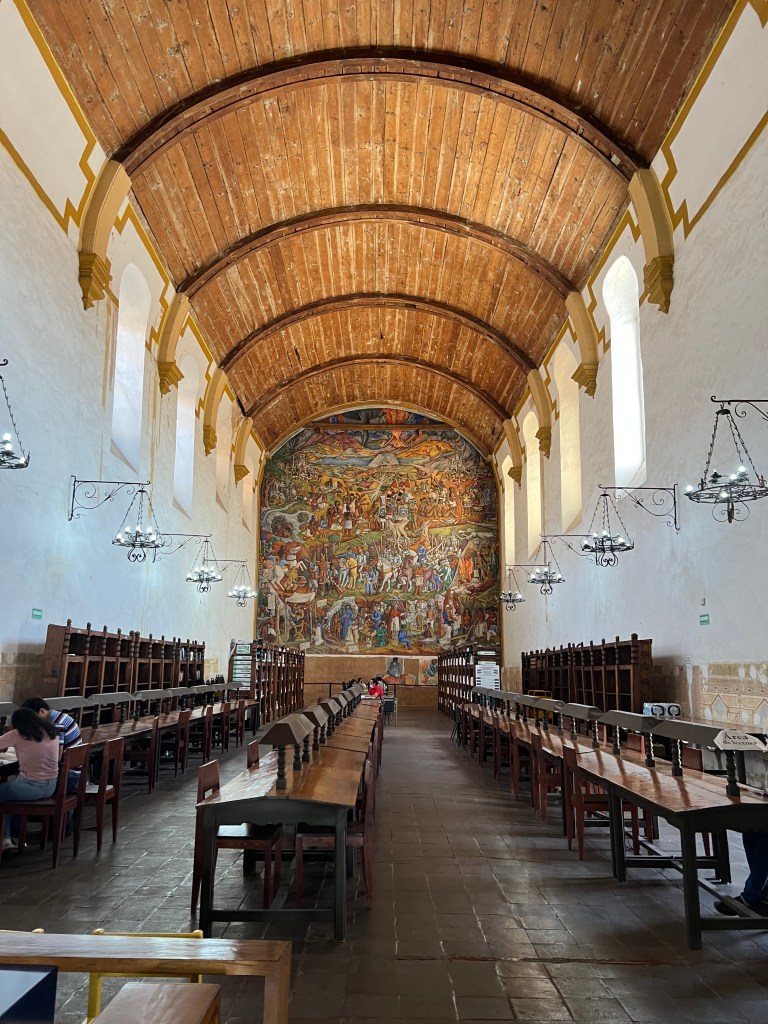
The public library of Morelia has hundreds of books dating back centuries, the oldest which I saw was published in 1528. The architecture of this building, and the accessibility of these ancient books to the public is impressive.


 Pizote Adventures