Today marked the first real day of walking—and naturally, I began it wide awake at 2 a.m., listening to the dulcet tones of seven other pilgrims snoring in harmony. Had I been asleep, I suppose I would have joined the chorus as the eighth member, possibly adding some rhythmic nasal overtones. But alas, I lay there, staring at the bunk above me, as a thunderstorm rolled in to complete the pre-dawn concert. Just what every anxious pilgrim needs before a soggy 25-kilometer march.
The official Camino route out of Bilbao is a dreary 19-kilometer trudge through industrial wastelands. I have done it twice already. Once with youthful optimism. The second time with resigned acceptance. This third time, I made the only reasonable choice: I took the metro.
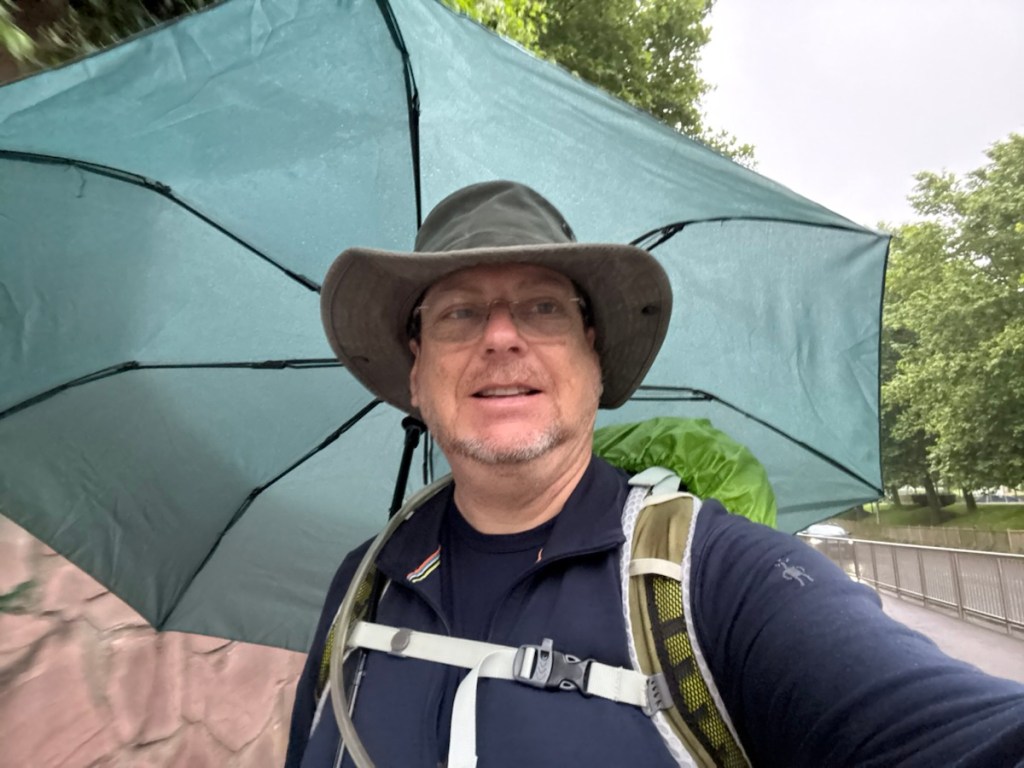
Stepping off in Portugalete, I stopped at a café for a comforting breakfast. Eggs, bread, hot café con leche—the kind of fuel you want before a long day. And then… as if on cue, the skies opened up. Not a dramatic storm. Oh no. Worse. The kind of relentless drizzle that starts off charming and ends in full-scale mutiny against your boots, your socks, your will to live.
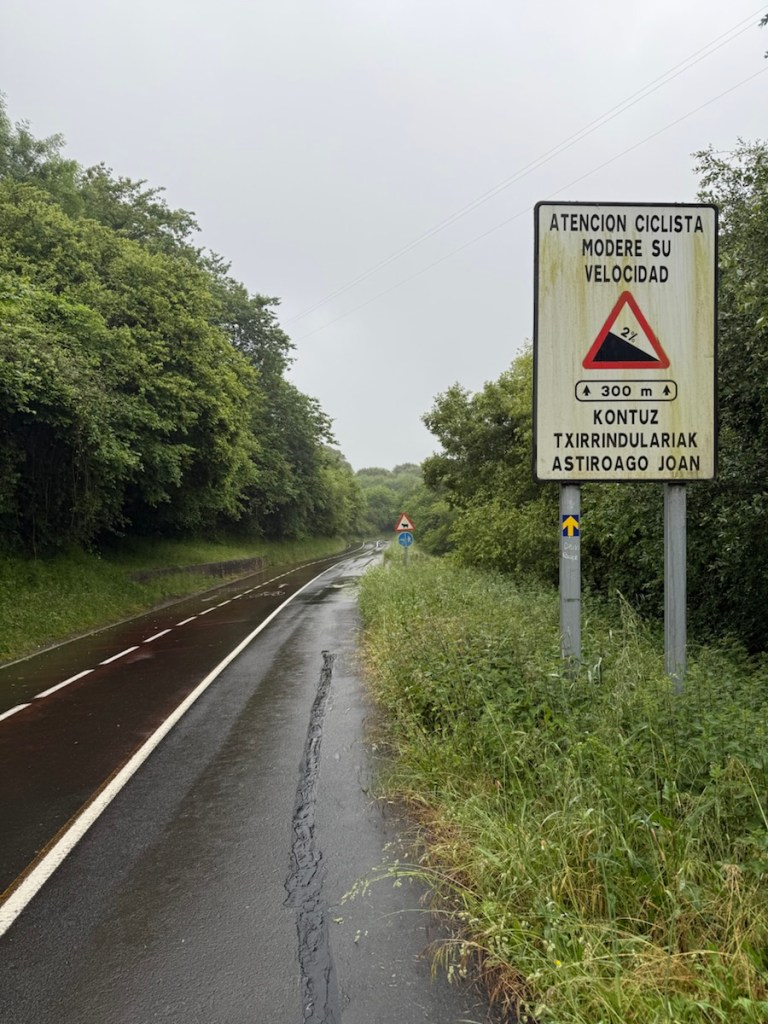
For the first 11 kilometers, I followed the “Red Road,” a smooth and straight pedestrian-bike highway that slices across the Basque Country. Free to use, yes—but not free of consequences. Asphalt is a cruel mistress to the soft-footed pilgrim. My soles throbbed in protest after a few hours, and I realized that “pounding the pavement” is not just a metaphor.
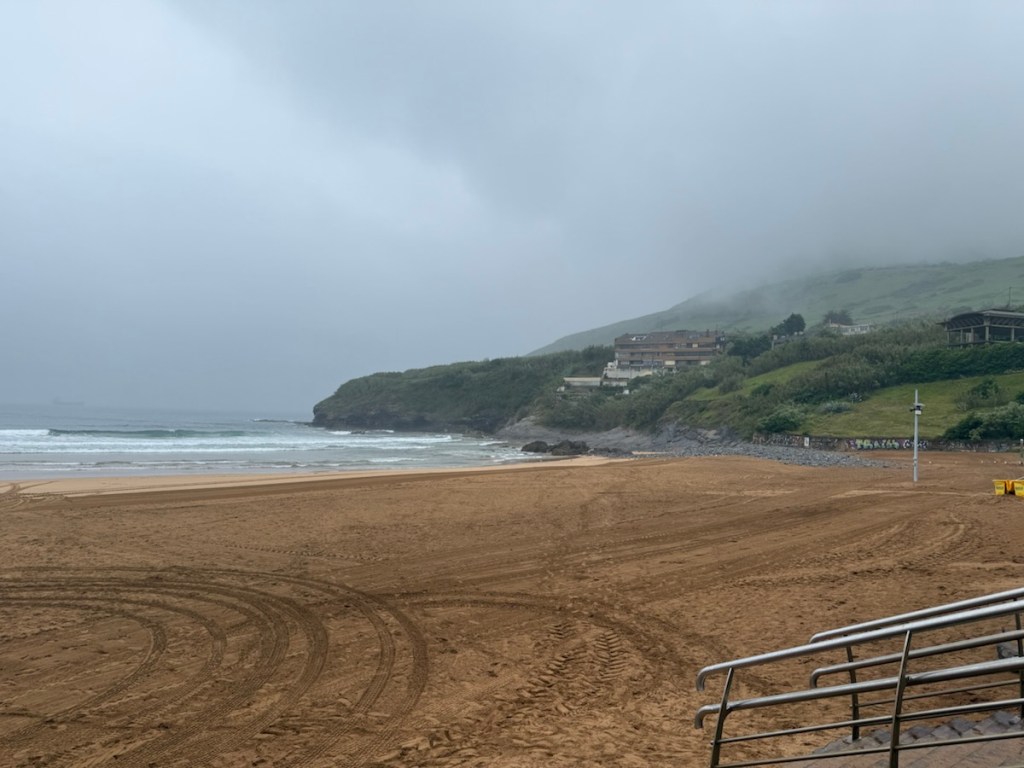
I stopped for a snack in Playa Arena, where I watched a row of tractors, fresh from combing the beach, getting lovingly hosed down by their owners. It seems the locals take clean sand very seriously—even in the rain, even when the only beachgoers are soggy surfers and lost pilgrims eating soggy peanuts.
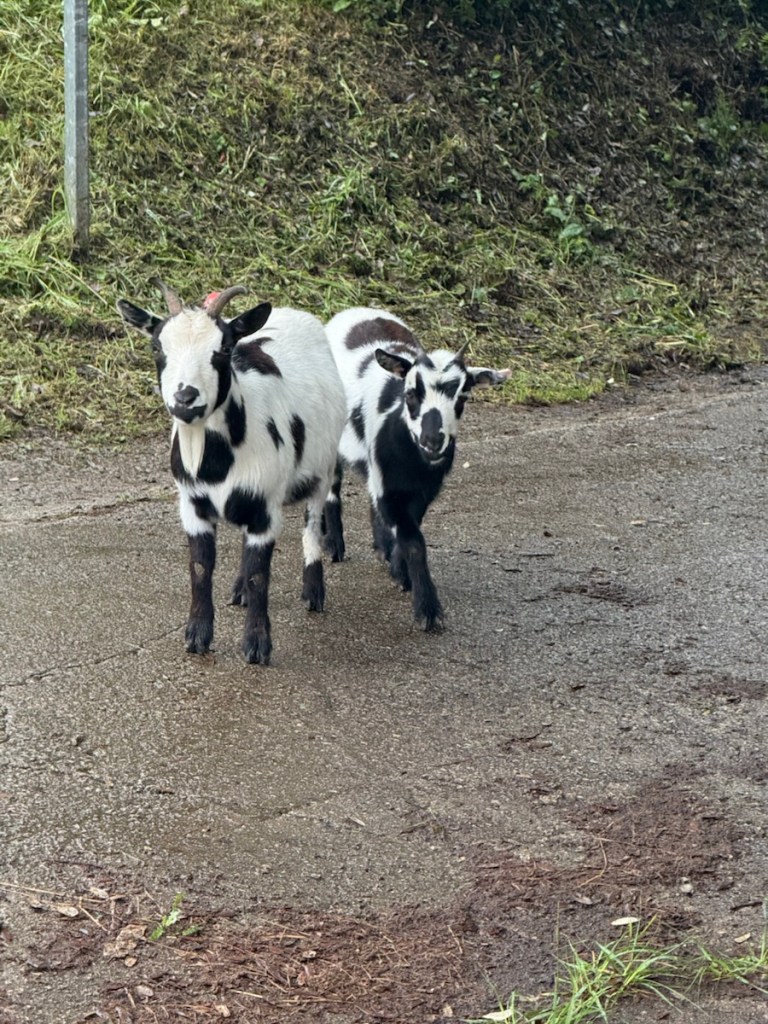
Shortly after, I encountered two goats. Actual goats. They emerged from a thicket looking confused, or maybe just judgmental. I offered a hand—empty, alas—and they moved on. Or so I thought. Minutes later, I looked back and there they were, trailing behind me with quiet persistence. Maybe they thought I had snacks. Maybe they were planning to mug me for the chocolate-nut bars buried in my pack. I did not stick around to find out.
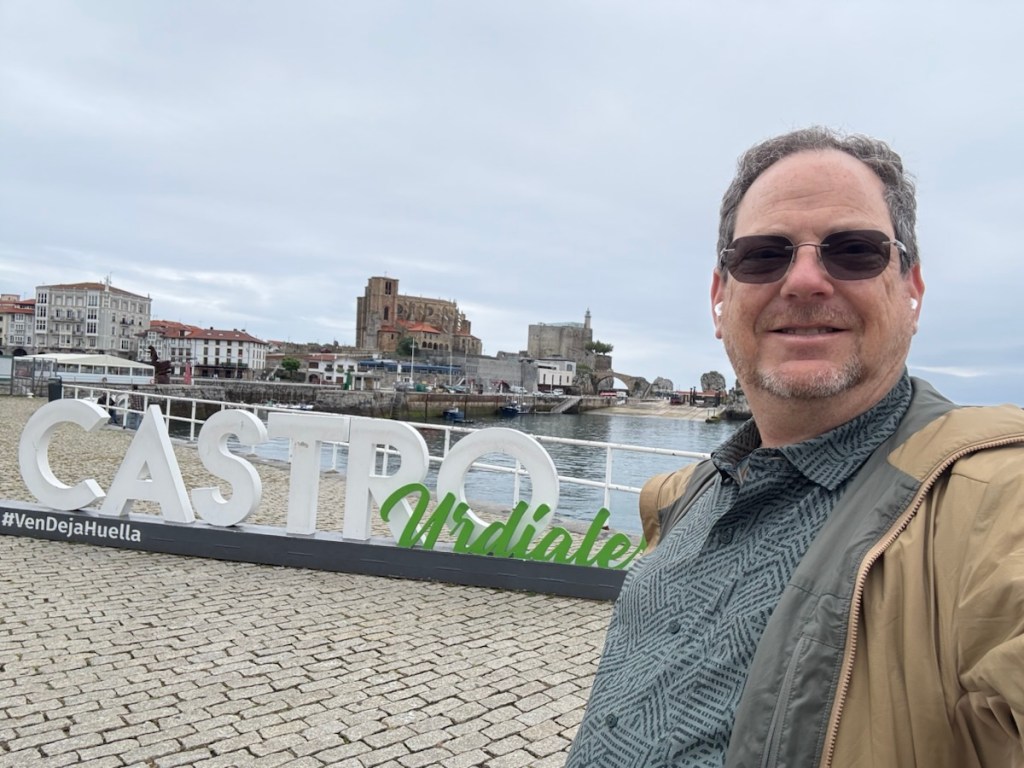
The rain wore on. And so did I. I normally stop every two hours for a break and a bite, but today I broke my own rule. The cold and wet made me push through instead of pause, and I paid for it: shivering, aching, energy tank flashing empty. By the time I reached Castro Urdiales, my feet were numb bricks, and my back felt like it had been introduced to medieval torture.
Worse still, my phone refused to register my waterlogged fingers. I was cold, soaked, and technologically ghosted. Eventually, a kind stranger let me dry my phone on the back of their shirt, and I booked the first private room I could find—more than double the price of the albergue, but worth every euro for a hot shower and clean, dry clothes. I slept like the dead for two hours.
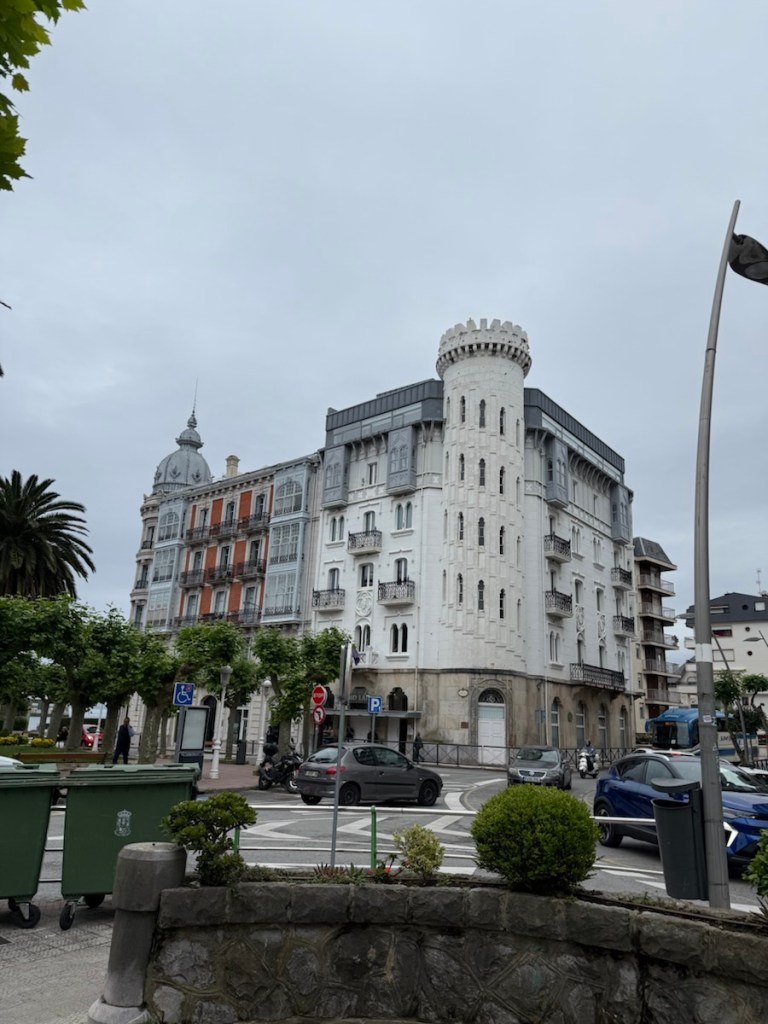
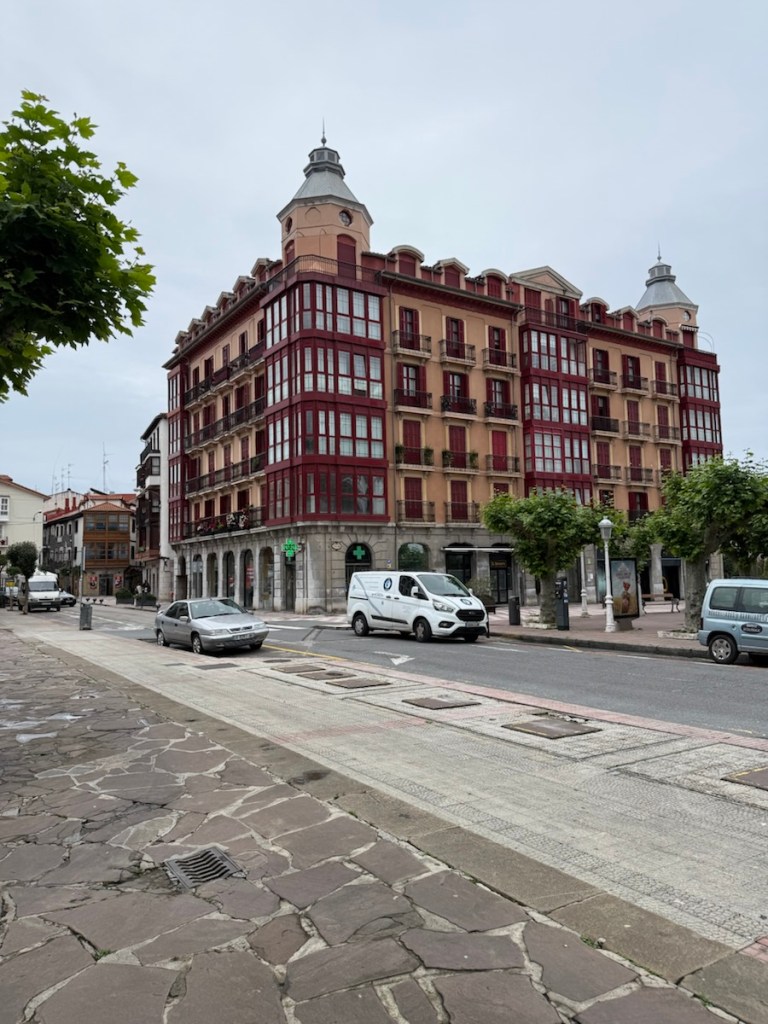
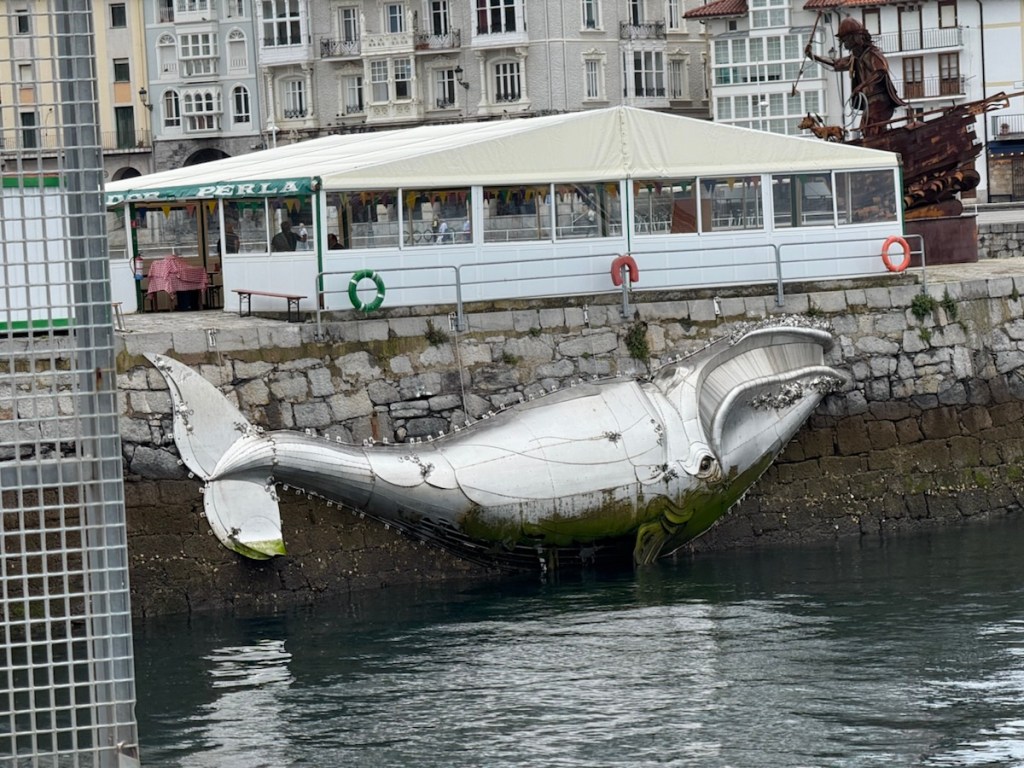
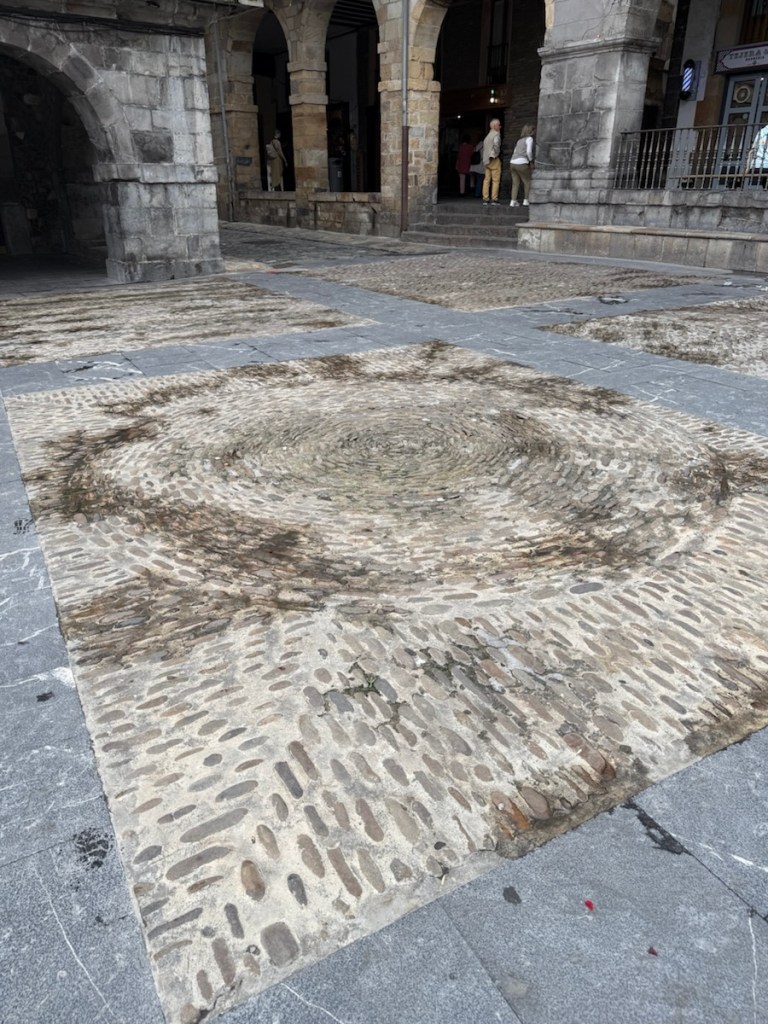
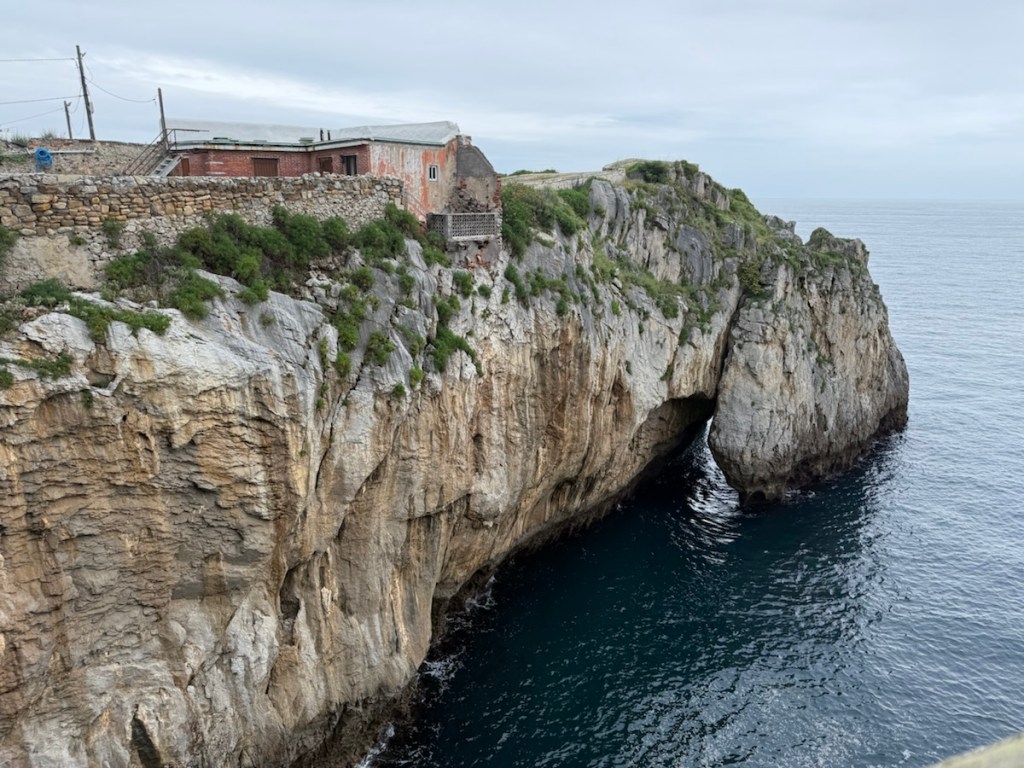
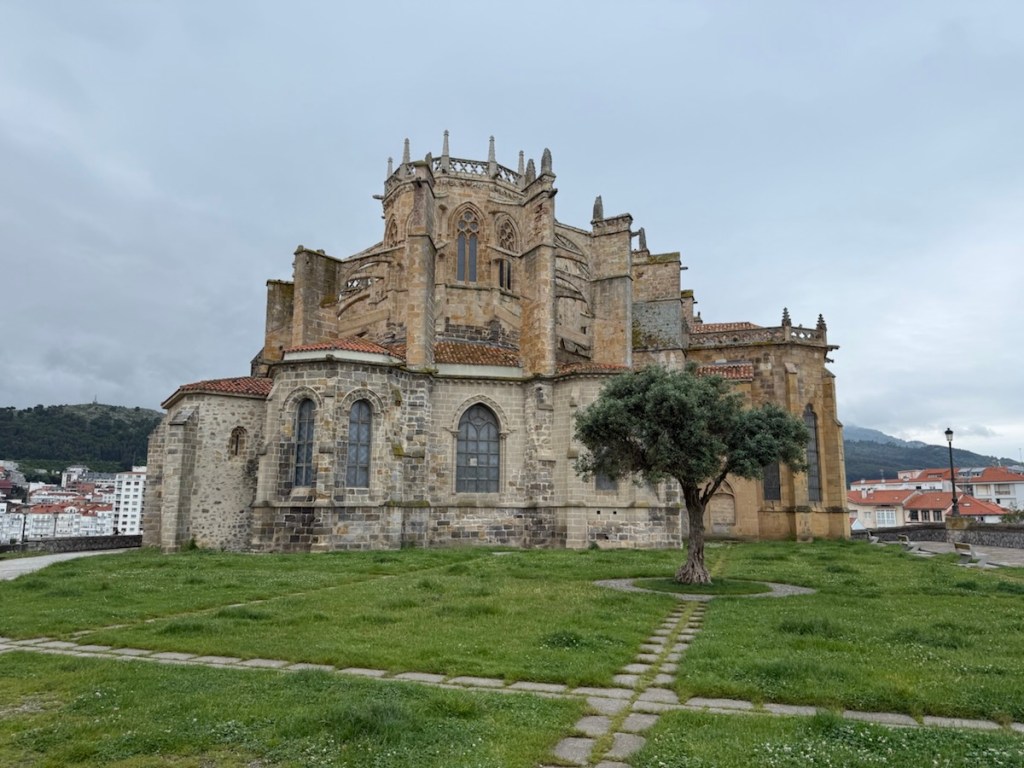
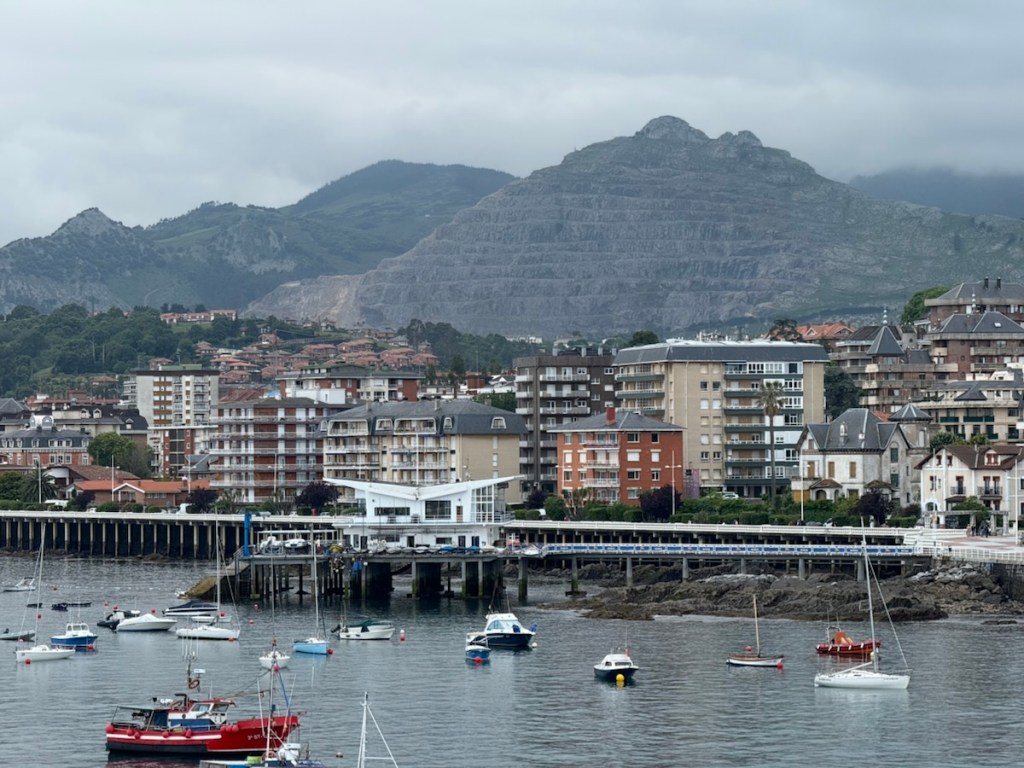
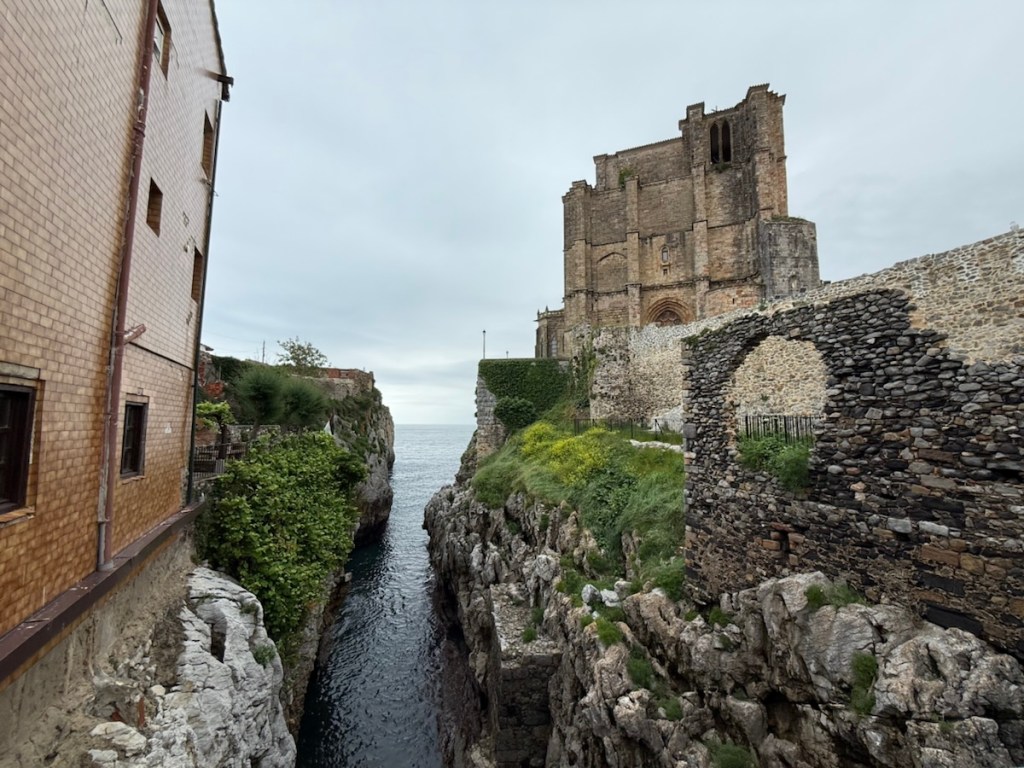
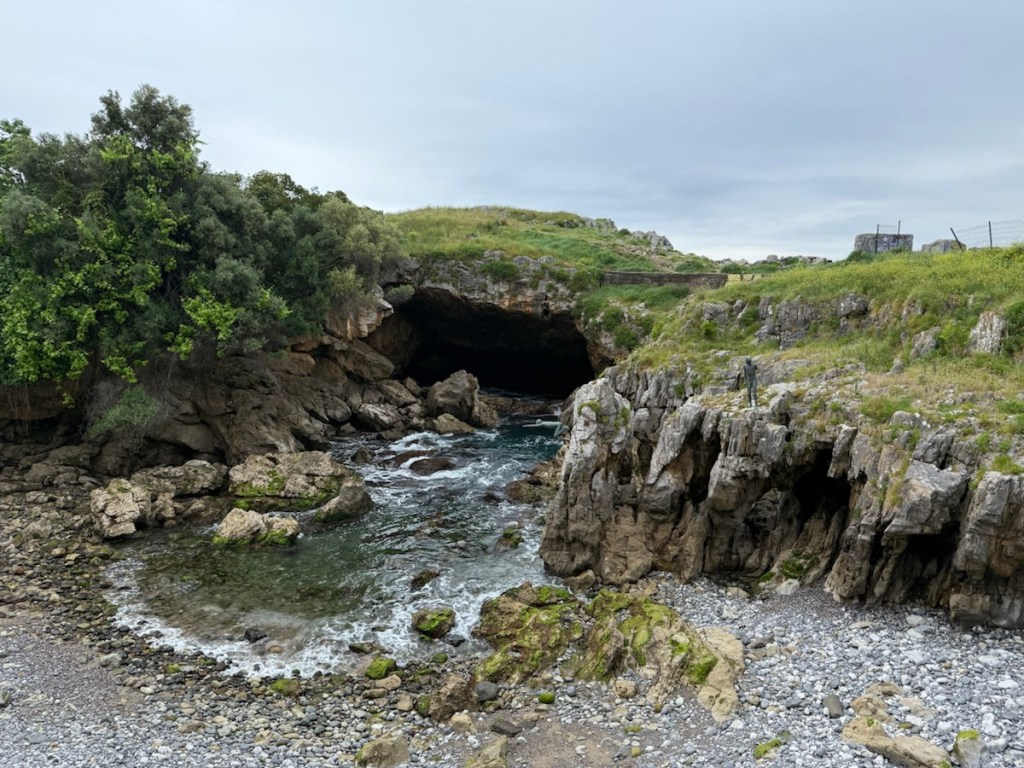
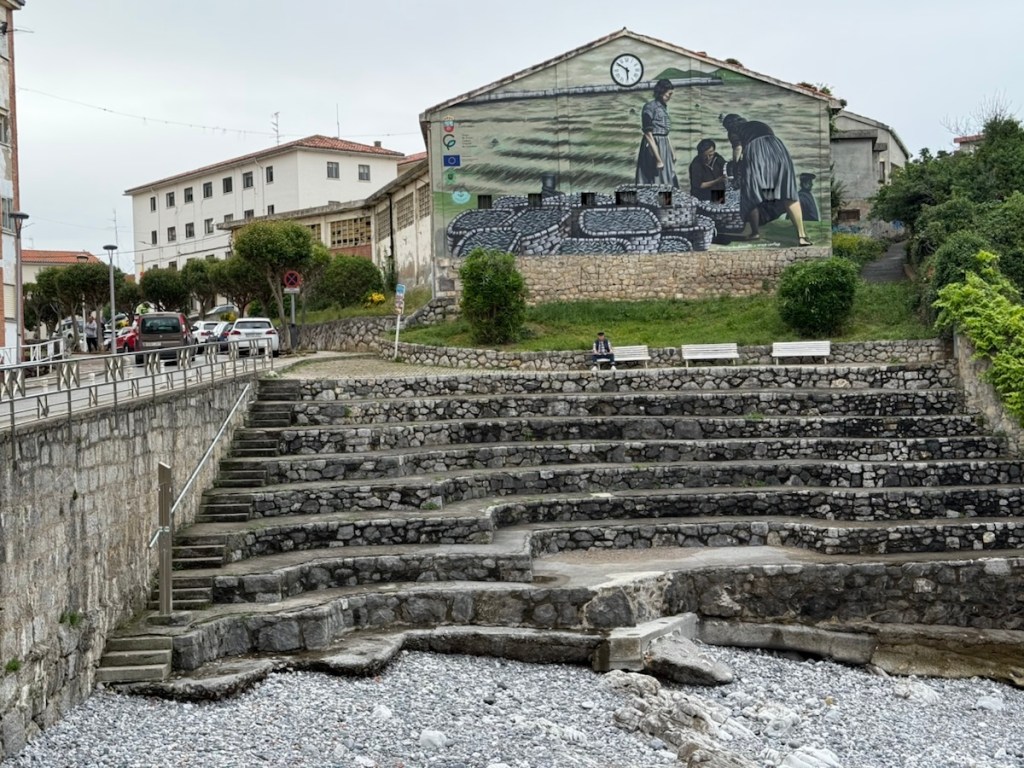
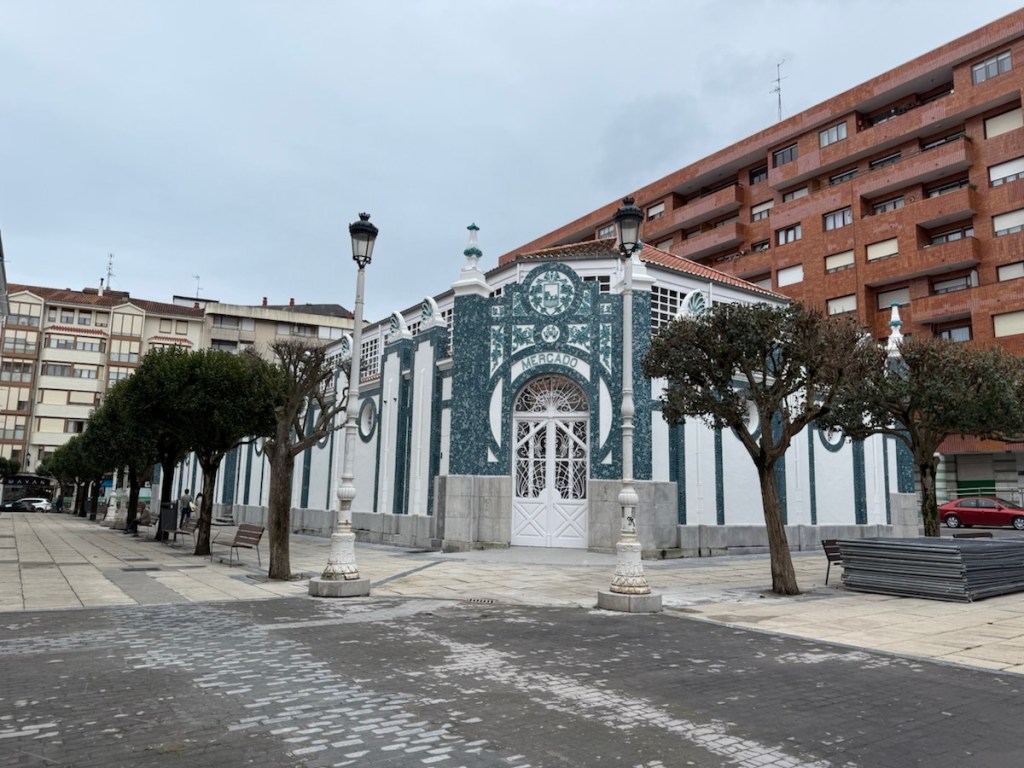
Later that evening, reanimated and refreshed, I wandered the narrow streets of Castro Urdiales. It is a charming town, despite the tourist gloss. Somewhere between the stone church and the seaside promenade, I realized I had crossed into Cantabria, though the border sign remained hidden by fog and my own exhaustion.
I treated myself to Pintxos and a well-earned caña, my first of the trip. Sitting in a warm bar, beer in hand, watching locals laugh and tourists squelch past in wet sandals—it hit me. Despite the rain, the pain, and the goats with questionable motives, I was here. Walking again. Alive in this moment.
And for that, truly, I am grateful.
 Pizote Adventures