Portilla’s albergue had all the charm of your eccentric uncle’s living room, if your aunt happened to own the only bar in town and was also the cook, host, and DJ. It was a one-woman show, and when the local menfolk popped in for their early evening cañas, it turned into a jolly scene of clinking glasses, laughter, and the kind of animated storytelling that can only be understood if you’re fluent in Cantabrian mumbles.

Among the pilgrims sharing this cheerful chaos were the Spanish father-son speed demons, last seen somewhere between “Where’d they go?” and “I’ll never catch them.” They had vanished for three days on a loop back to Potes and reappeared just in time to head home via a scenic detour. The Camino has a funny way of crossing paths exactly when it wants to.
Also bunked in with us were three sprightly retired ladies, two with military-grade reservation strategies and one poor soul without a bed beyond tomorrow. When she asked for help, I was about to offer a contact I had… until the veteran trip commander briskly inserted herself with the precision of a border collie herding sheep. I slipped the info to our reservation-less friend like a spy in an old Cold War movie, phone number, name, and the hope of a pillow for the night.
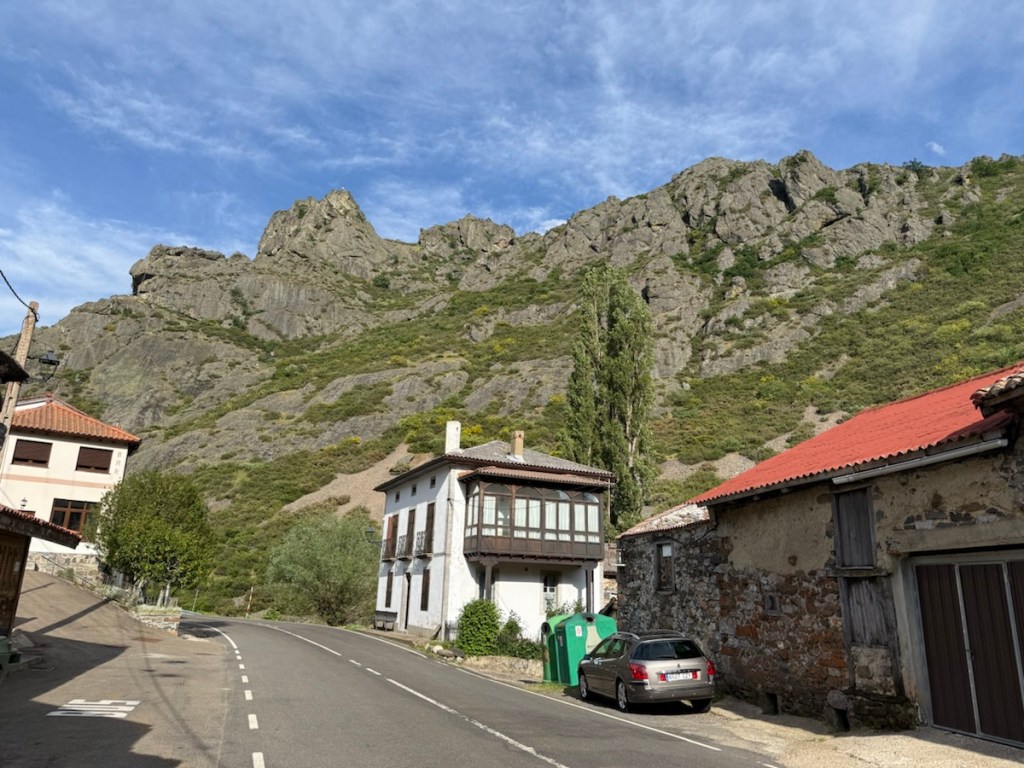
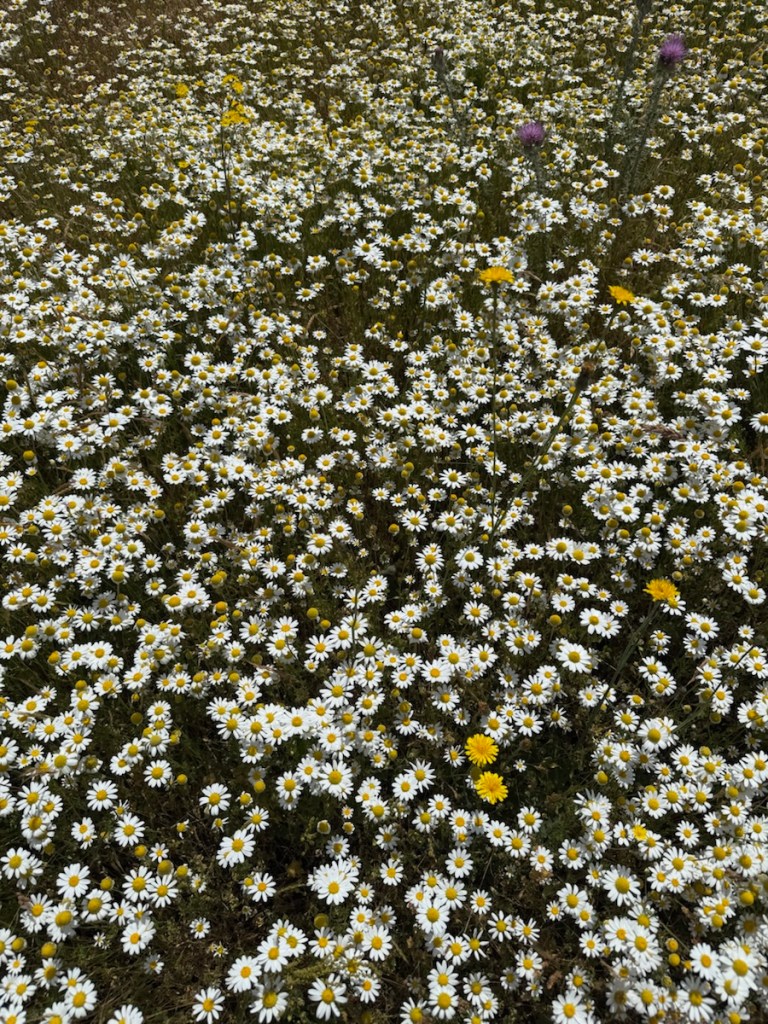
This morning I woke up with a spring in my step and that rare pilgrim feeling that my legs might actually work as intended. The trail was solo, peaceful, and gloriously sloped downhill, hugging a river that sparkled with darting fish and the occasional poetic reflection. Gone were the deep greens of the Picos’ north side, replaced by broom, pine, and stubborn little shrubs with a thirst for socks.
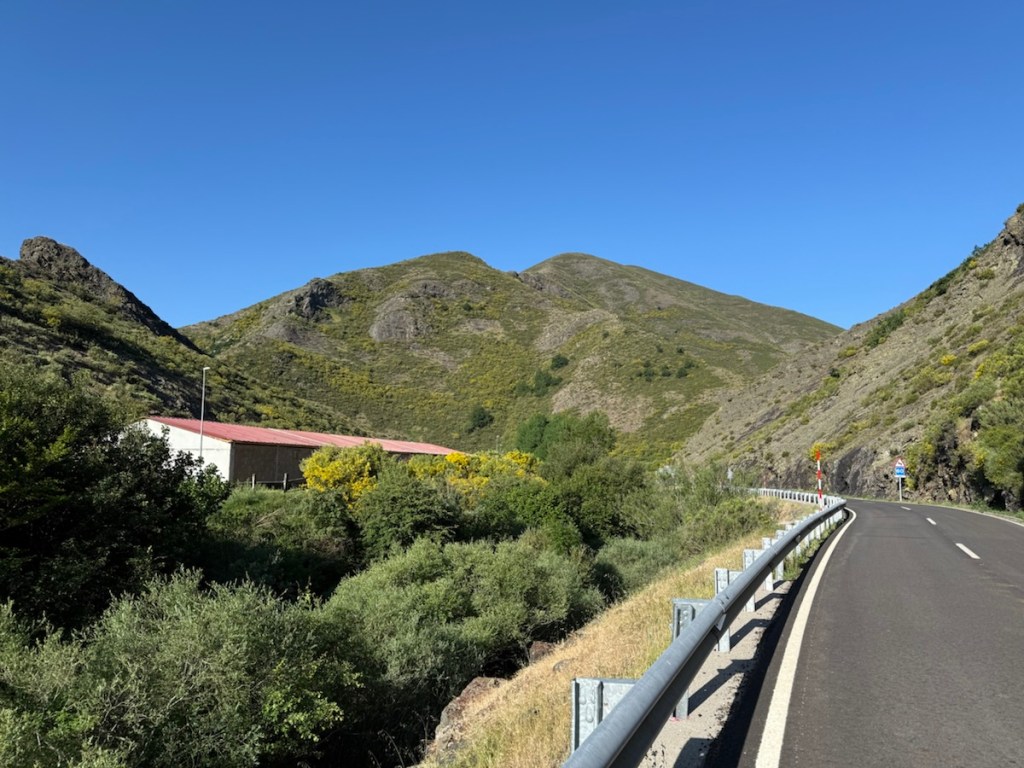


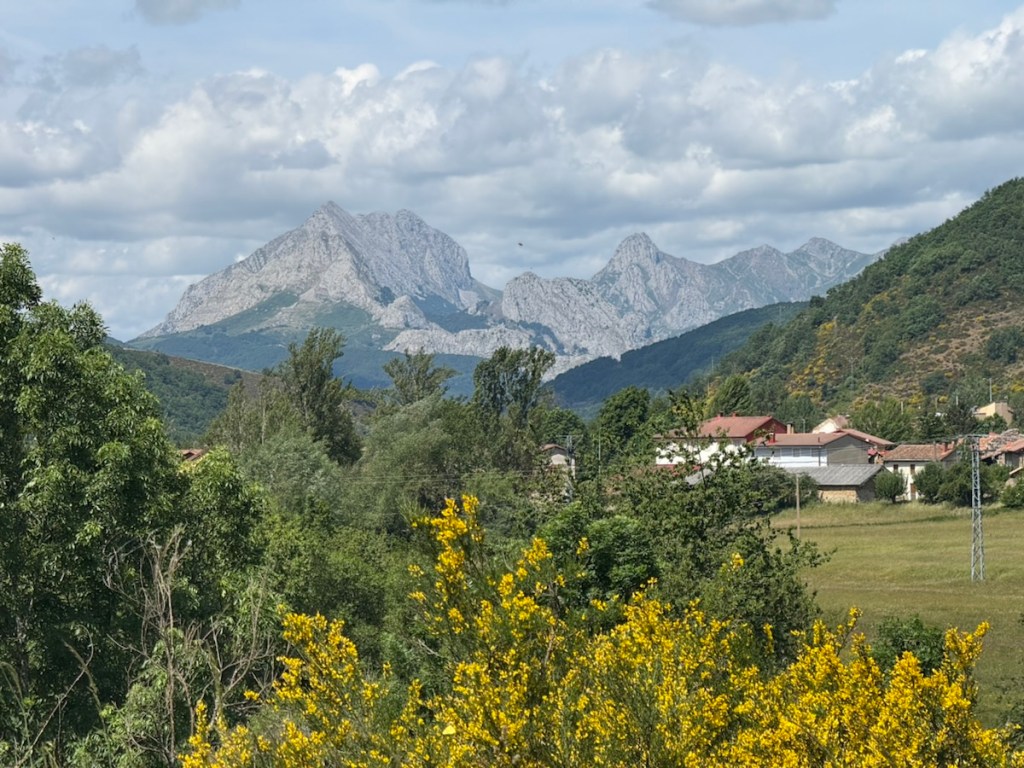

The one café on the route was shuttered until 2:00 PM (of course), but I made the best of it: venison sausage and smoked cheese from Potes, enjoyed al fresco on their patio furniture like a trespassing hobbit having second breakfast.
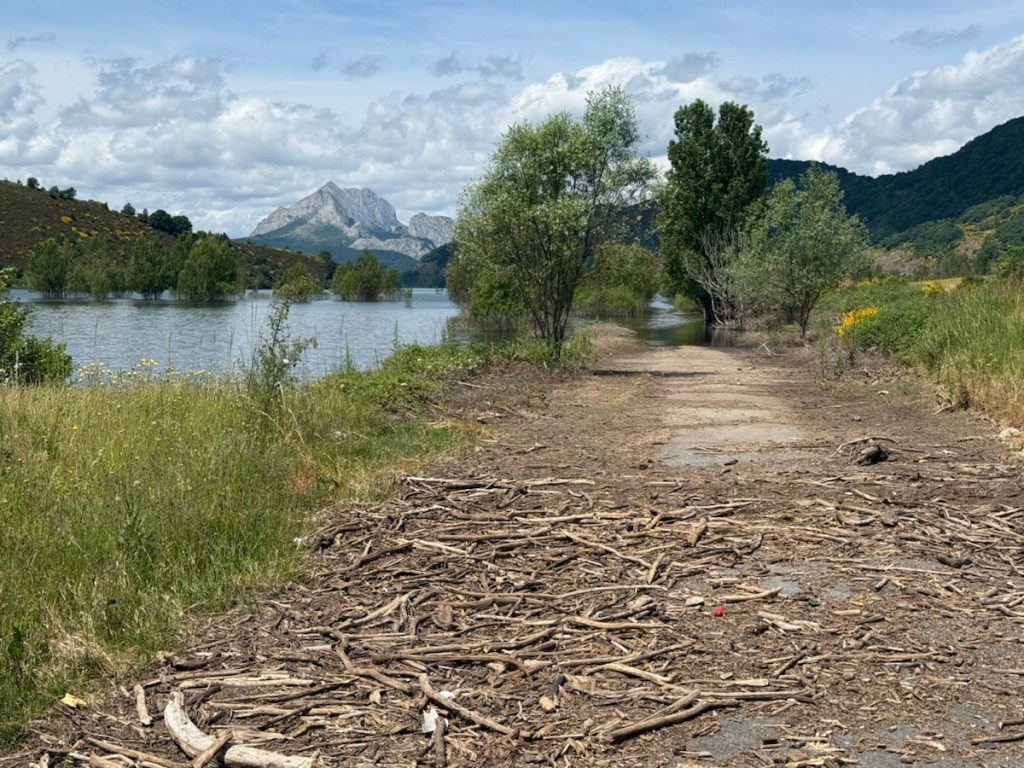
Then came the surprise: the Camino marched confidently toward a lake, and then into it. No warning signs, no detours, just a gentle aquatic vanishing act. I stood there for a moment wondering if I was meant to swim, but decided instead to trudge through an overgrown field that launched a full-scale assault on my ankles. My sandals welcomed dozens of needle-like stickers that provided a complimentary acupuncture session courtesy of Mother Nature’s less cuddly side.


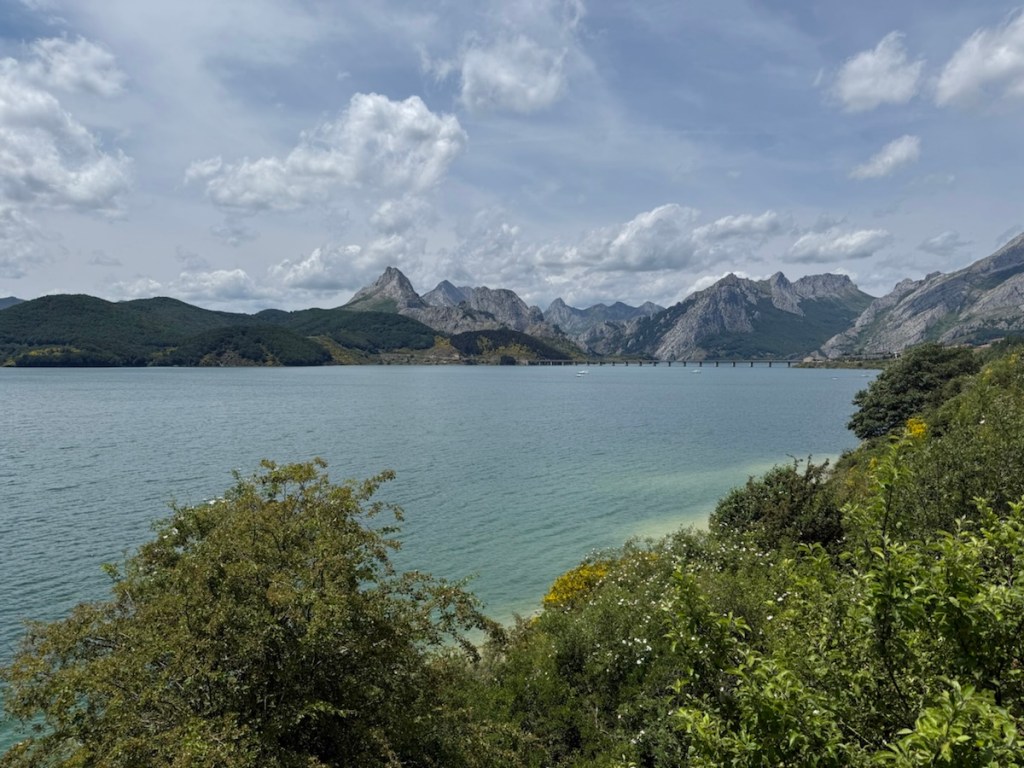
Raiño eventually revealed itself like a promised land. A restaurant appeared, and with it, an Ensalada Mixta—Luigi’s interpretation, heavy on surprise ingredients, light on lettuce. But it hit the spot.
This town, with its stunning backdrop and bittersweet story (seven villages drowned for progress), now plays host to adventurers, kayakers, and folks like me, wandering in from the edges of maps. It is a place built on loss but shaped by purpose. Looking at the waters below and the peaks beyond, I could not help but feel thankful—for stickerless socks, hearty salads, and the quiet miracles of finding your way when the path disappears.

 Pizote Adventures