Last night as I arrived at the albergue, slipping in along a quiet back road. From the moment the gates came into view, something felt ominous. Iron bars wrapped the entire property, creating a sense of imprisonment rather than safety. Though unlocked, they looked designed to keep people from escaping, not to keep them safe. The Camino is a place of openness and trust, but here, everything hinted at secrecy and control.
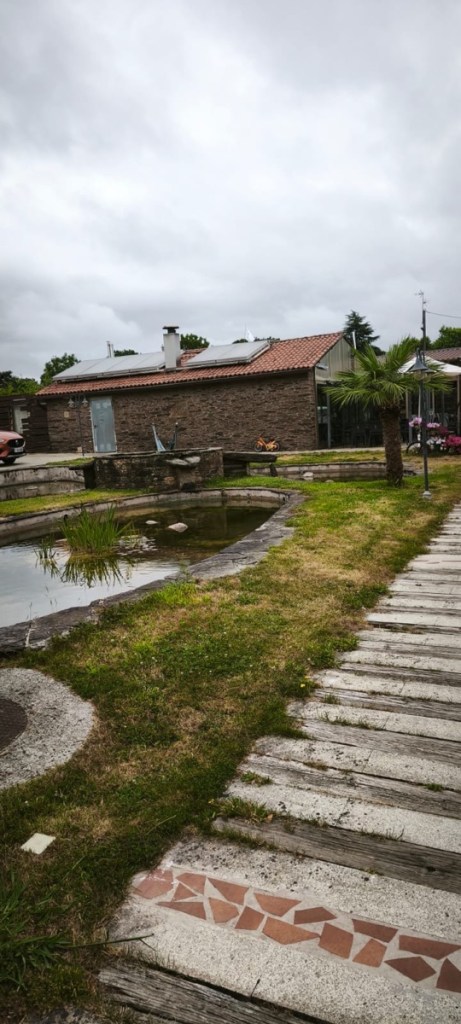
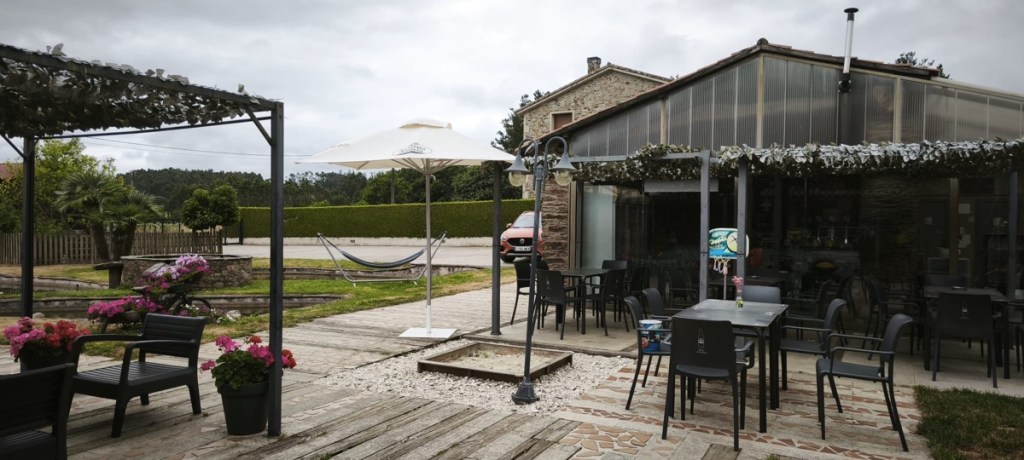
Ana, already having arrived and always alert, quietly pointed to the reception and warned that the staff were unfriendly. Inside, a blond woman sat behind the counter, her eyes sharp and watchful. Without a glance, she continued a tense phone call in her Eastern European language, her voice cold and dismissive. There was no warmth, no greeting, just a sense of strict control and hidden tension that poisoned the air.
In the bar, a young woman from Peru worked under that same heavy atmosphere. Her strong Andean features stood out, but her eyes were downcast. For a brief moment, when I spoke to her in Spanish, her spirit flickered to life. That light died immediately when the blond woman entered and spoke to her sharply in her language. The young woman shrank, replying in short, subdued Spanish, her entire posture that of someone conditioned to obey without question.
Later that evening, the blond woman’s husband arrived. Heavy and commanding, he moved like a man used to ownership, not partnership. The second young Peruvian woman called him “Papa” with a tone that did not match any natural affection. The sisters kept working late into the night, tirelessly tending to chores and guests. Meanwhile, two small children of the older sister ran around the compound, their features hinting at a connection to the dat man. There was no sign of a father, no partner, no hint of freedom or choice.
The next morning, a simple breakfast became another display of dominance. As the younger sister began to process the payment, the man intervened. He seized the card terminal, entered the amount himself, turned the screen away, and quickly snatched it back. Only later did a bank notification reveal the charge was twice what it should have been.
As we walked together sharing our experiences, the unsettling pieces began to form a horrifying picture. The forced silence, the controlling behavior, the fearful glances, the unexplained children. All of it pointed toward something far darker than a strict workplace. Though there was no direct proof, it felt unmistakable. This was a place where freedom had been stripped away, where human dignity had been erased, it felt like human trafficking. I feel that it should be reported but without proof, it makes it difficult to do so.
Now, on to the lighter side of things.
The last two days on the French route have been everything you might expect and then some. From Melide to Arzúa, we practically had to learn crowd-surfing techniques to navigate groups walking four or five across, oblivious to anything smaller than a bulldozer. Then there were the bicigrinos, cyclists who apparently think bells are optional accessories, perhaps to be swapped for a second water bottle or an extra selfie stick.
We decided to skip the circus of Arzúa and head to a smaller town, a tactical move designed to slide between the pilgrim waves. This plan worked brilliantly. Once we left Arzúa, we finally had room to swing our arms without smacking someone’s wide-brimmed hat, and the bird songs returned to us like old friends.
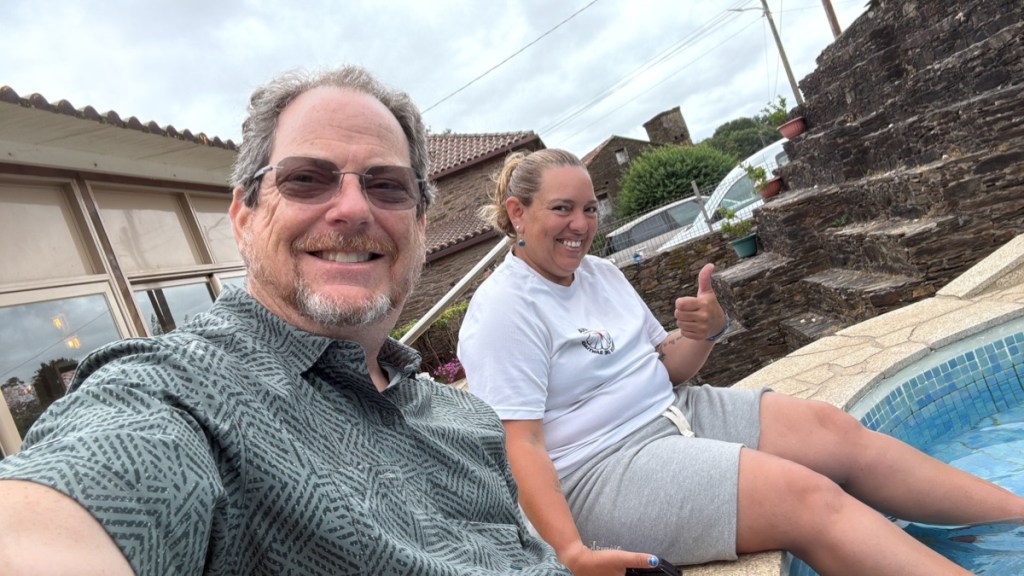

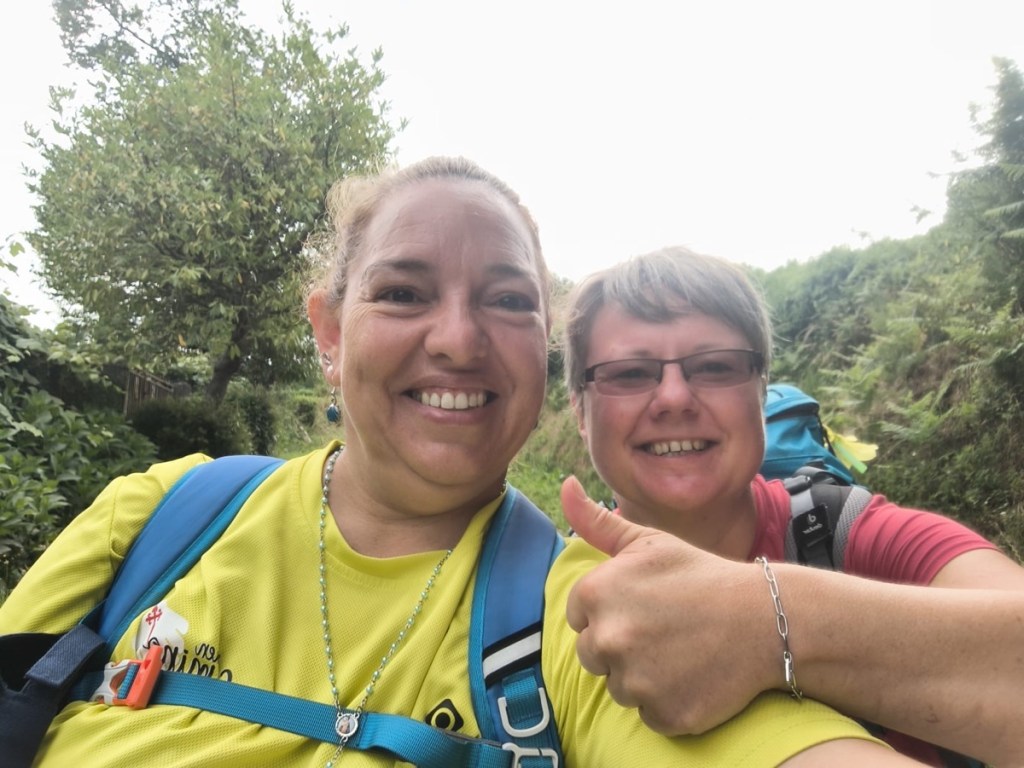
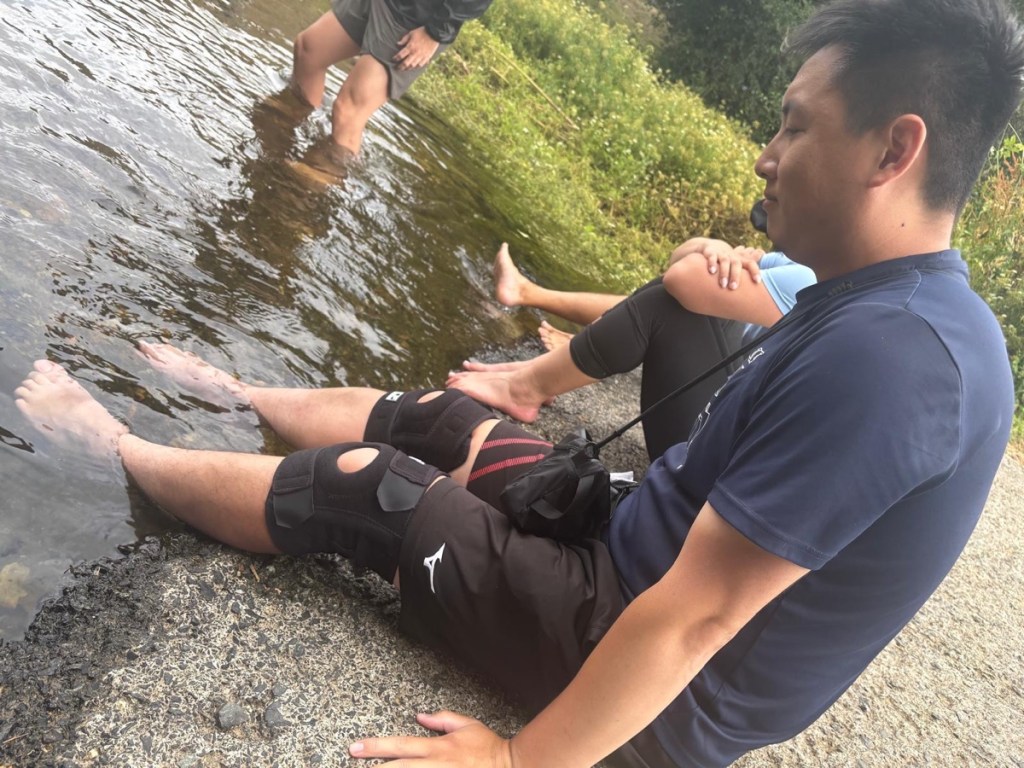

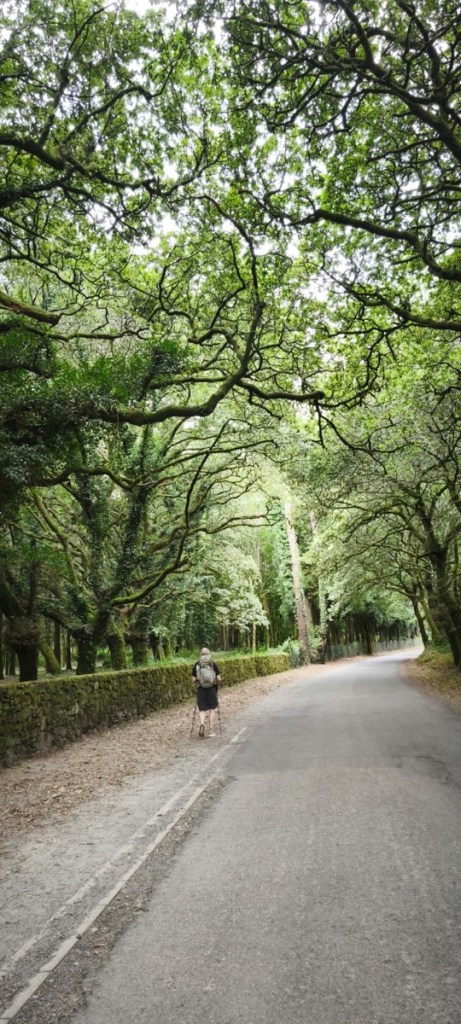
This morning, we left our albergue with a ten-kilometer buffer in front and behind us, Camino solitude at its finest. We floated down the trail like phantoms, greeting the few souls we encountered as though they were long-lost cousins.
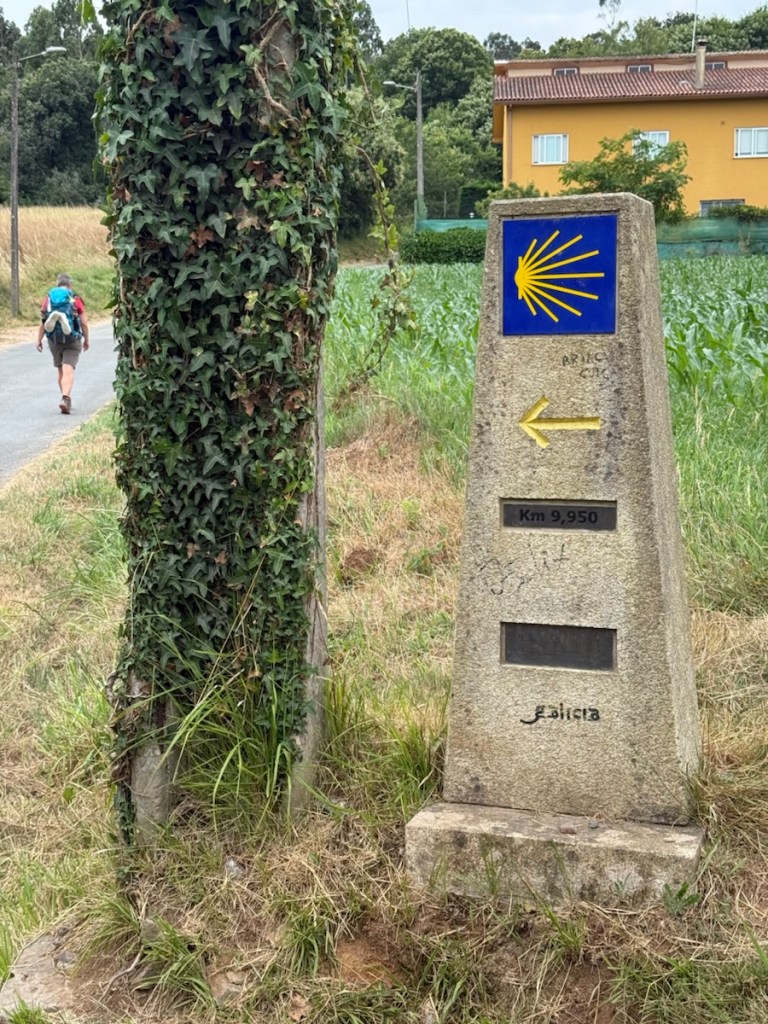

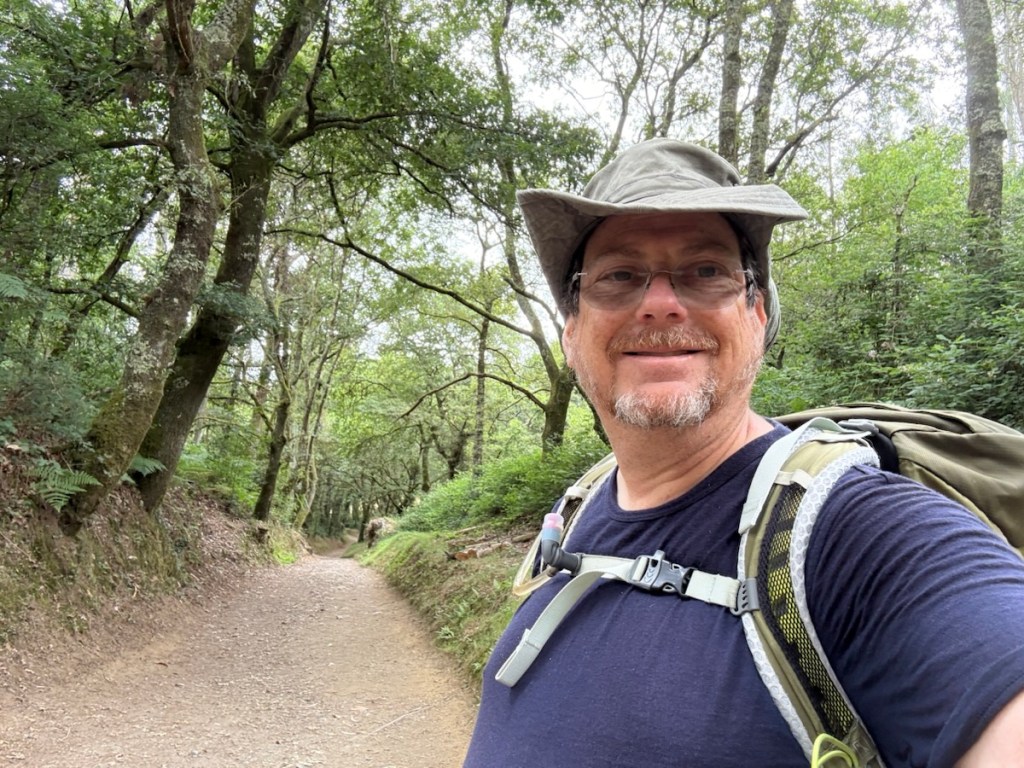
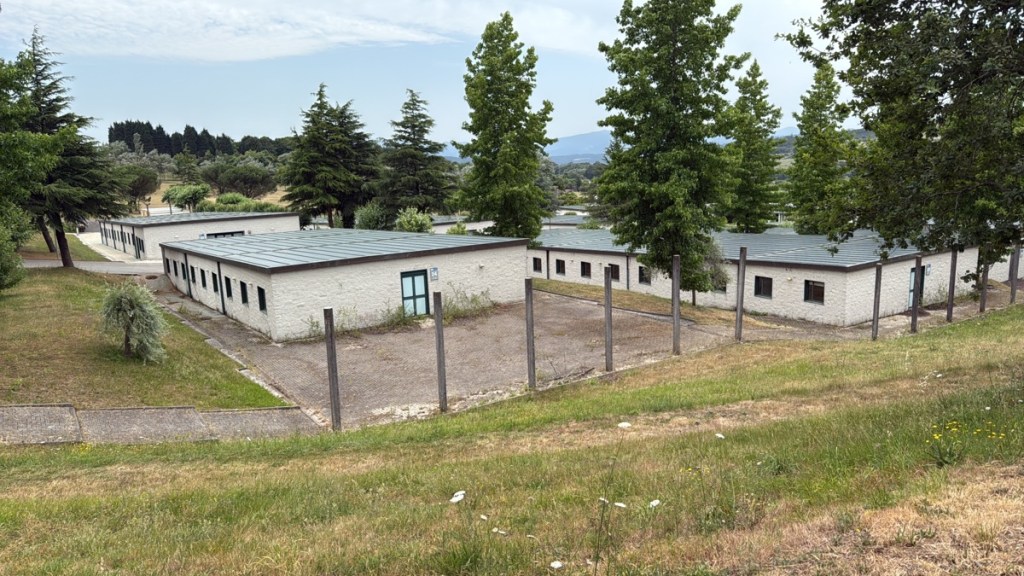
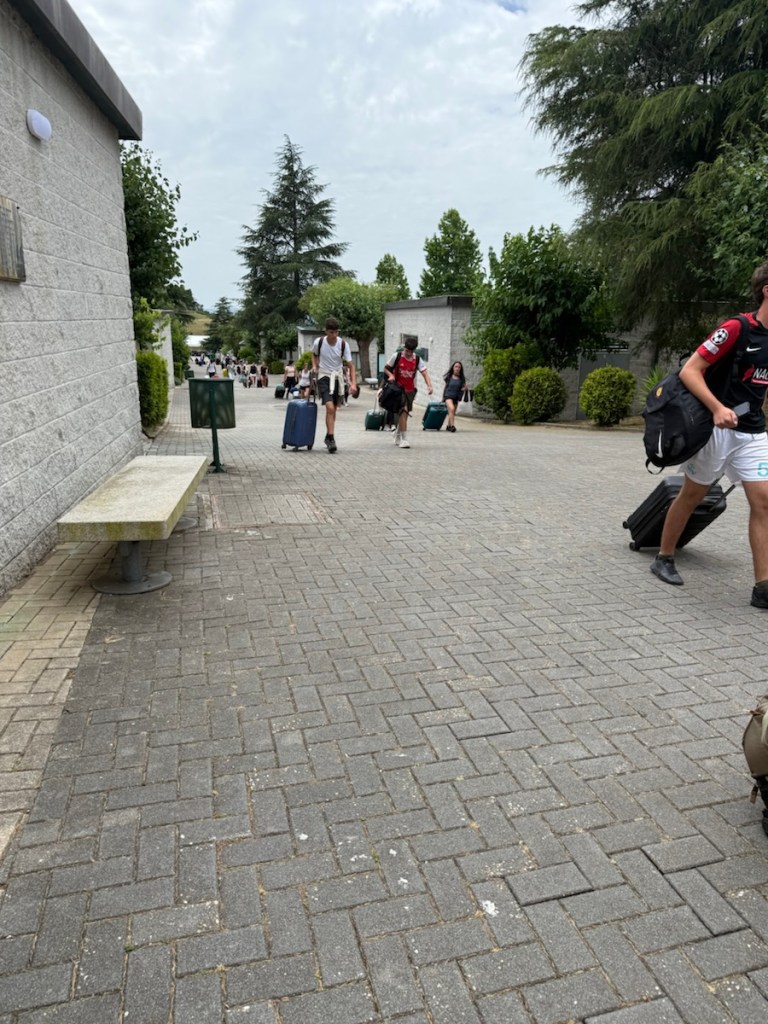
We opted to stay at Monte do Gozo, five kilometers shy of the cathedral. The place looked like a Cold War military base retrofitted for pilgrims and youth groups. We arrived just in time to be engulfed by a sea of Italian teenagers in matching shirts. I briefly feared being conscripted into a spontaneous soccer match, but thankfully our private room spared us from group singalongs and late-night pranks.
The four of us were piled into the room, enjoying what can only be described as a world-class siesta with the windows wide open and our collective snoring surely harmonizing with the birds outside. Just as we had all drifted into that blissful stage where you start dreaming of tortilla de patatas and ice-cold Estrella Galicia, a young girl’s voice suddenly sliced through the air like a surprise bagpipe in a yoga class. “Cris, Cris…” she called, sweet and insistent. In my half-asleep daze, I instinctively answered, probably sounding like a startled goat. The next thing we heard was the frantic scurrying of teenage feet sprinting away, echoing down the hallway like a herd of startled cats. We all sat up, bleary-eyed, looking at each other as if we had just been woken by a cosmic prank. Now my friends are mimicking her voice calling out my name at every opportunity, turning every quiet moment into a chorus of “Cris, Cris” that I may never live down.
Despite the mob scenes, this has been my favorite final approach to Santiago yet. The quiet mornings, the tactical leapfrogging of pilgrim hordes, the discovery that I still possess some ninja-level evasion skills, all of it a reminder of how unpredictable and charming the Camino can be.
And through all of it, I am grateful. Grateful for the dear friends who share these steps, grateful for every croissant (even overpriced ones), and grateful for the kaleidoscope of people and moments that make each Camino unique. Even the awkward, even the suspicious, they all weave into the tapestry of the journey.
 Pizote Adventures