The final 100 kilometers of the Camino de Santiago, from Sarria to Santiago on the Francés, Tui to Santiago on the Portugués, or any last stretch of your chosen route, is unlike any other part of the journey. For some, it feels like a victory lap, the last few days before reaching the long-awaited cathedral. For others, it is the most difficult stretch, not because of the walking itself, but because the end is finally in sight. And for those who begin their Camino in these last 100 kilometers, it is an entirely different experience, bringing a new energy to the trail, one that can be both invigorating and, at times, overwhelming.
If you have walked from farther back, Saint-Jean-Pied-de-Port, Porto, or beyond, the moment you reach Sarria (or your route’s 100km marker), the shift is immediate. The trail becomes noticeably busier. Pilgrims who have been walking for weeks now find themselves surrounded by fresh faces, many of whom have just begun their journey and are full of energy. Albergues fill up faster, café lines stretch longer, and the once-quiet mornings on the trail are now filled with larger groups, school trips, and organized walking tours. Many of these new pilgrims are walking just the minimum distance required to earn their Compostela, the certificate awarded in Santiago. If you are unprepared for this change, it can be jarring. The sudden contrast between the long-haul pilgrims, carrying the weight of hundreds of kilometers, and the newcomers, walking with lighter packs and fresh enthusiasm, can create tension. But the Camino belongs to everyone. If the crowds feel overwhelming, book accommodations in advance, set out early to find peaceful moments, or take a small detour to a less-traveled village. Most of all, practice patience, every pilgrim, no matter how far they have walked, has their own reason for being here.
As the number of pilgrims increases, so does the energy of the Camino. The atmosphere shifts from the quiet introspection of the earlier stages to something more social, sometimes even festive. Large groups walk together, chatting and laughing, stopping frequently at cafés along the way. The rhythm changes—faster, more animated, and for those who have been walking for weeks, sometimes harder to adapt to. There are also differences in how people experience this stretch. Many new pilgrims walk without full packs, using transport services to send their bags ahead. Some see the Camino as a historical trek, others as a religious pilgrimage, and some simply as an enjoyable walk through the Spanish countryside. While it may be frustrating at times to see the trail transformed in these final days, remember that everyone experiences the Camino in their own way. Some will take it seriously, others will not. That does not diminish your journey, nor does it take away from what you have achieved.
If you plan to receive your Compostela, the last 100 kilometers come with one additional requirement, you must collect two stamps per day in your pilgrim credential. These stamps, or sellos, serve as proof of your journey and can be found at cafés, albergues, churches, and even small roadside stands. Many pilgrims turn this into part of their daily routine, stopping for a coffee or a snack as an opportunity to add another stamp to their collection. It is a small but meaningful ritual, a final act of walking with intention, knowing that soon, you will arrive at the place where your journey will officially end.
Emotionally, these final days are some of the most complex on the Camino. There is excitement, Santiago is close now, the dream is almost real. But there is also sadness, the knowledge that this way of life, this rhythm of walking, eating, and resting, is coming to an end. Every step carries more weight, not because of physical exhaustion, but because each one brings you closer to finishing something that has become deeply personal. Some pilgrims intentionally slow down, savoring the last few days, taking extra breaks, walking shorter distances. Others speed up, eager to reach the finish line, unable to resist the pull of Santiago just ahead. There is no right or wrong way to handle these emotions, there is only your way. Walk in whatever way feels right to you.
Even for those who did not set out on the Camino for religious reasons, something often shifts in these last days. There is more reflection, more awareness of the significance of what you are doing. You hear more personal stories from other pilgrims, stories of grief, of transformation, of searching for something lost. Perhaps you find yourself stopping at more churches, lighting a candle, or sitting in silence for a few extra moments. The Camino has always been more than just a long-distance walk. It is an ancient pilgrimage, one that carries the weight of centuries of faith, history, and human longing. Whether or not you came here for spiritual reasons, it is difficult not to feel something in these final kilometers—a sense of connection, of purpose, of being part of something much larger than yourself.
Your last day of walking is different. The air feels heavier, charged with anticipation. The yellow arrows you have followed for so long now point toward an ending, and every step forward feels surreal. The climb to Monte do Gozo, once a place where medieval pilgrims wept upon seeing Santiago for the first time, is now a mix of reflection, excitement, and, inevitably, a few selfies. As you enter Santiago’s old town, the final streets feel unreal. After all these days, after all these miles, the moment you have imagined is finally here. And then, at last, you arrive at the Plaza del Obradoiro. The cathedral stands before you, towering, waiting. You have made it.
And yet, in that moment, something unexpected happens. Instead of feeling finished, you feel something else. Some pilgrims cry, overcome with emotion. Some laugh, arms around their Camino family. Others simply stand in silence, staring up at the cathedral, unsure what to feel. It is a moment too big to process all at once. The journey you have spent so much time walking toward is over. And now, the real question lingers, what now?
Many assume that reaching Santiago marks the end. But the Camino does not truly end here. Some pilgrims continue walking to Finisterre, drawn by the idea of reaching the edge of the world, where the land meets the sea. Others stay in Santiago for a few days, reluctant to step back into normal life. And many return home, only to realize that the Camino has followed them. Because this journey is not just about walking to Santiago, it is about what comes after. The lessons you have learned, the changes you have felt, the connections you have made, they do not disappear when you stop walking. The last 100 kilometers may feel like a final chapter, but in many ways, they are just the beginning of something much bigger.
Because the Camino does not stop when you take off your boots. It stays with you, in the way you see the world, in the friendships you have made, in the way you carry yourself each day. So walk these last days with open eyes, with an open heart, and with no rush to the finish line. Because when you finally stand in front of the cathedral, looking up at the place where so many have stood before you, you will understand.
The Camino never really ends.
Buen Camino.
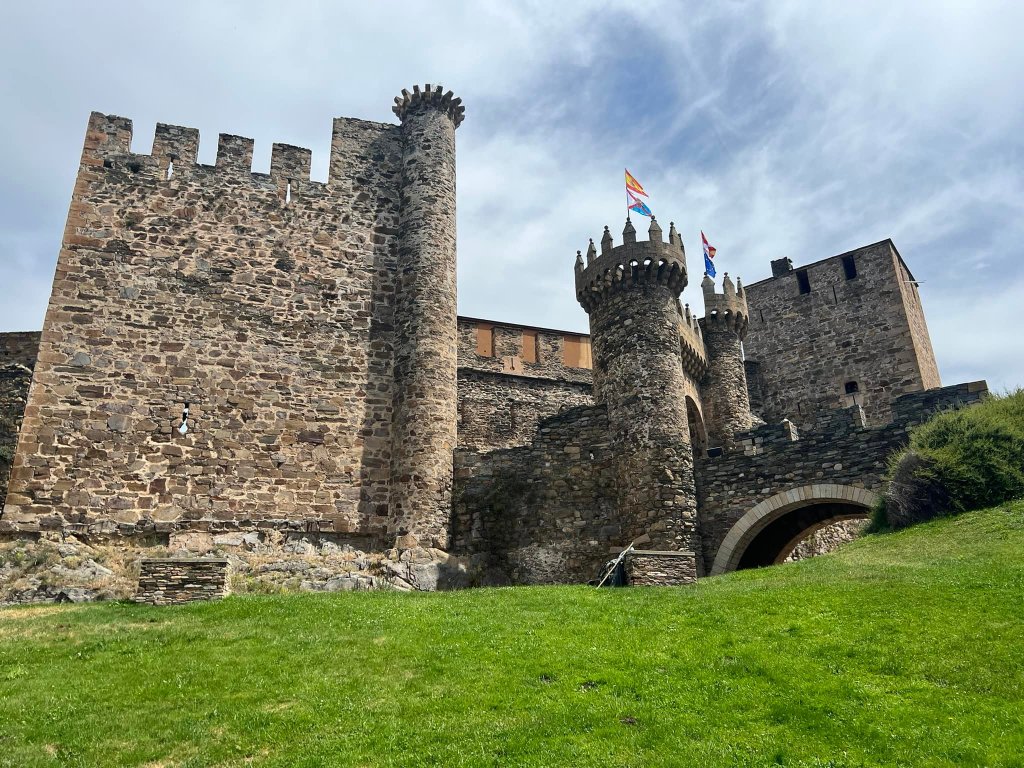
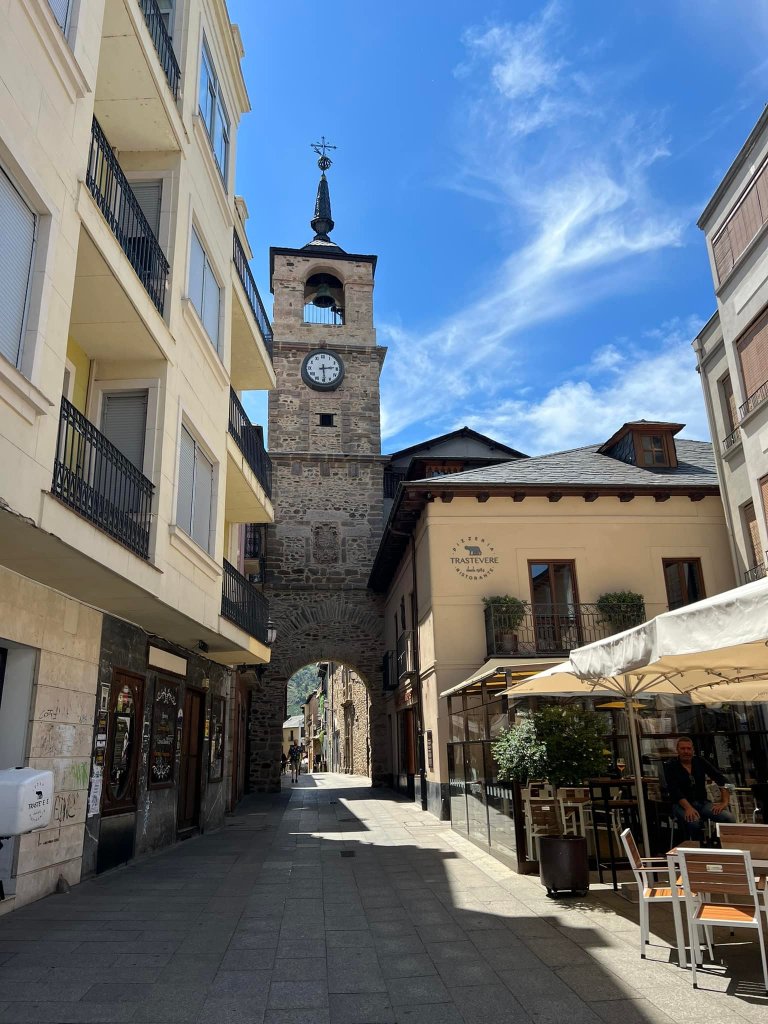
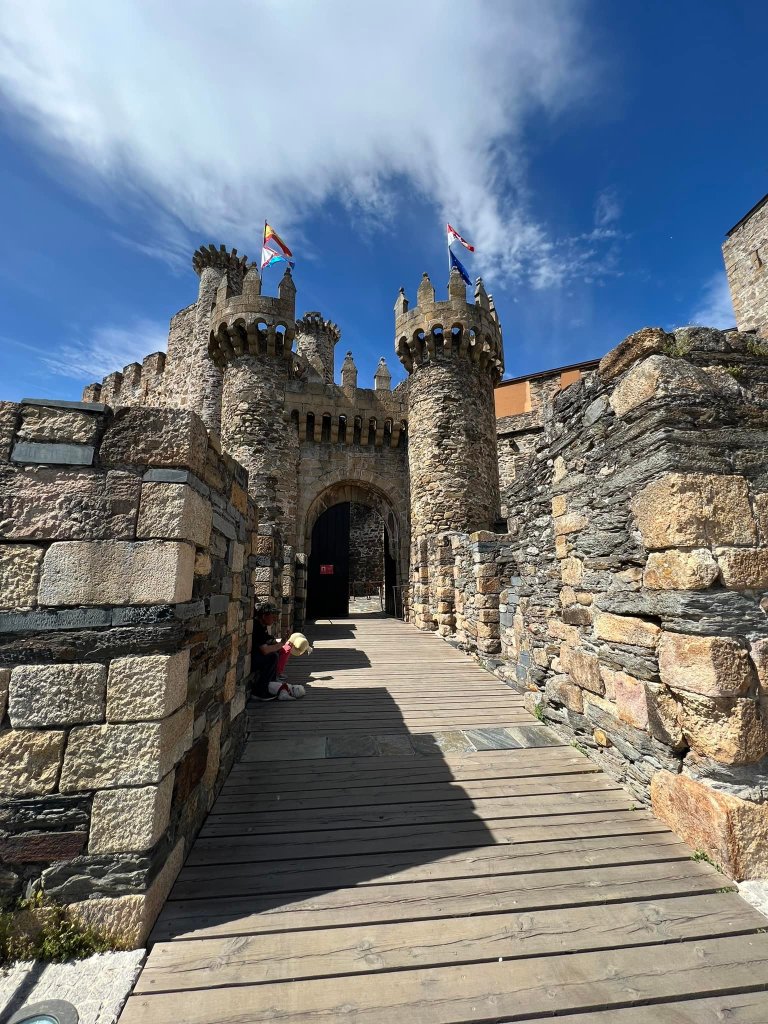
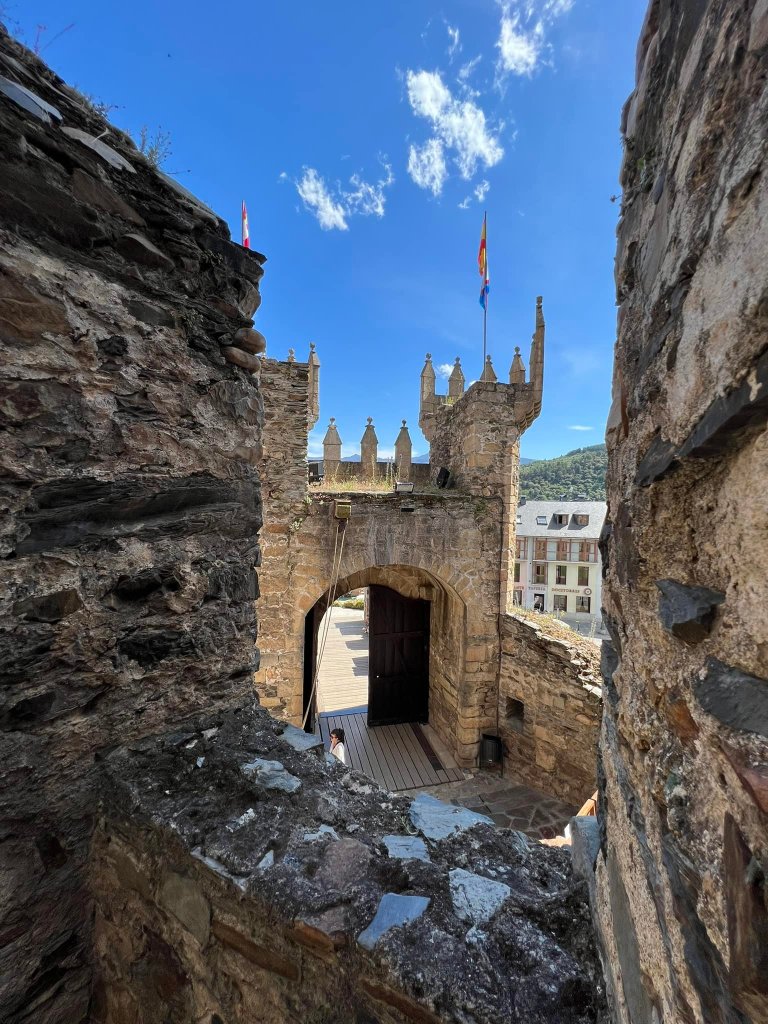
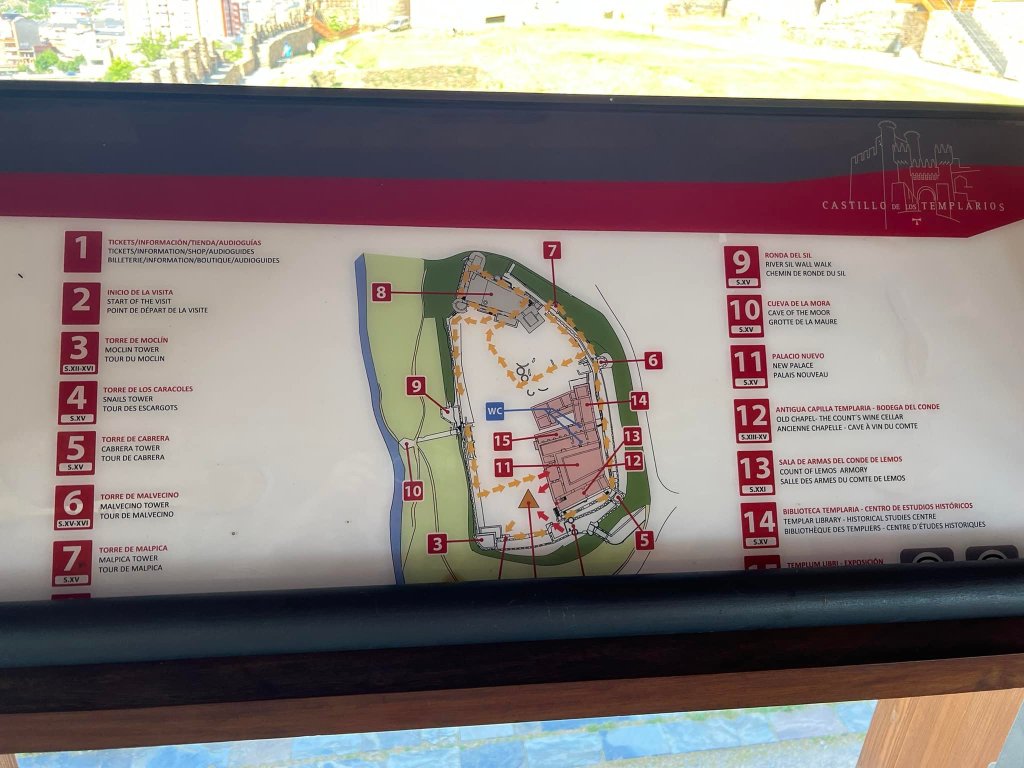
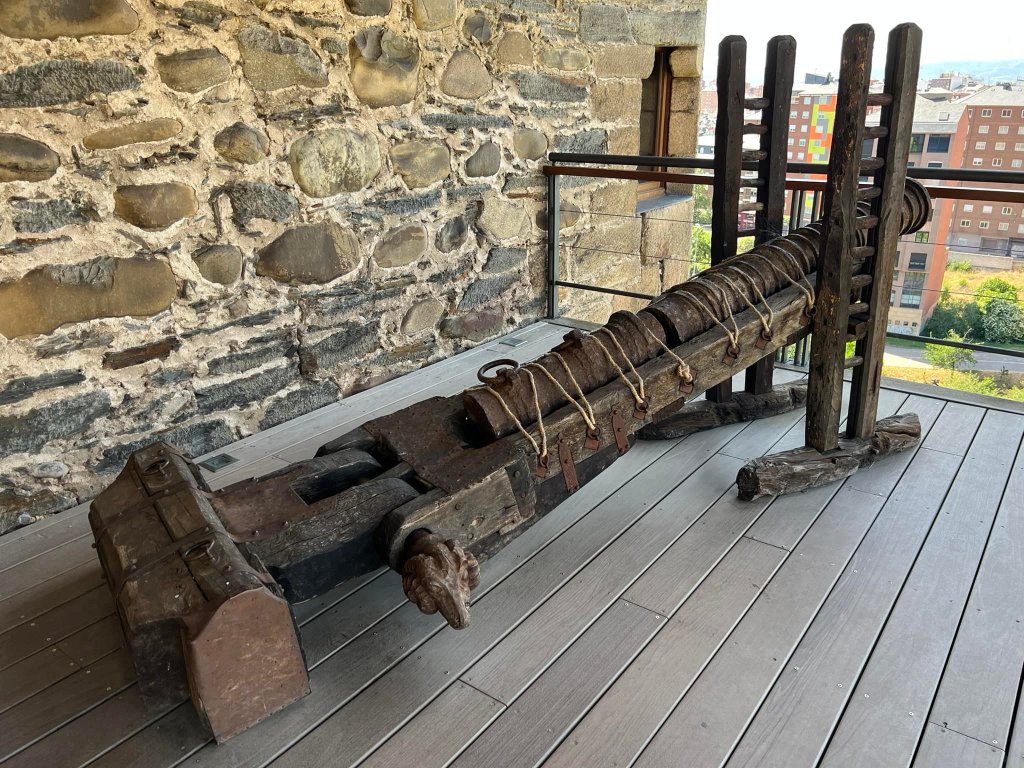
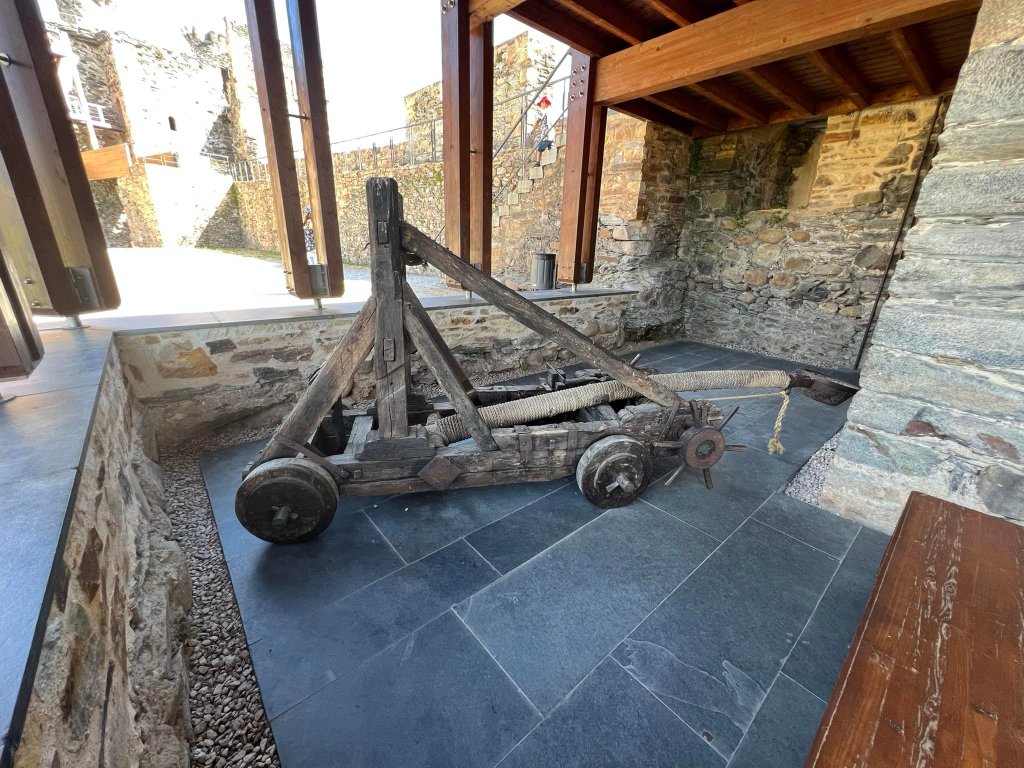
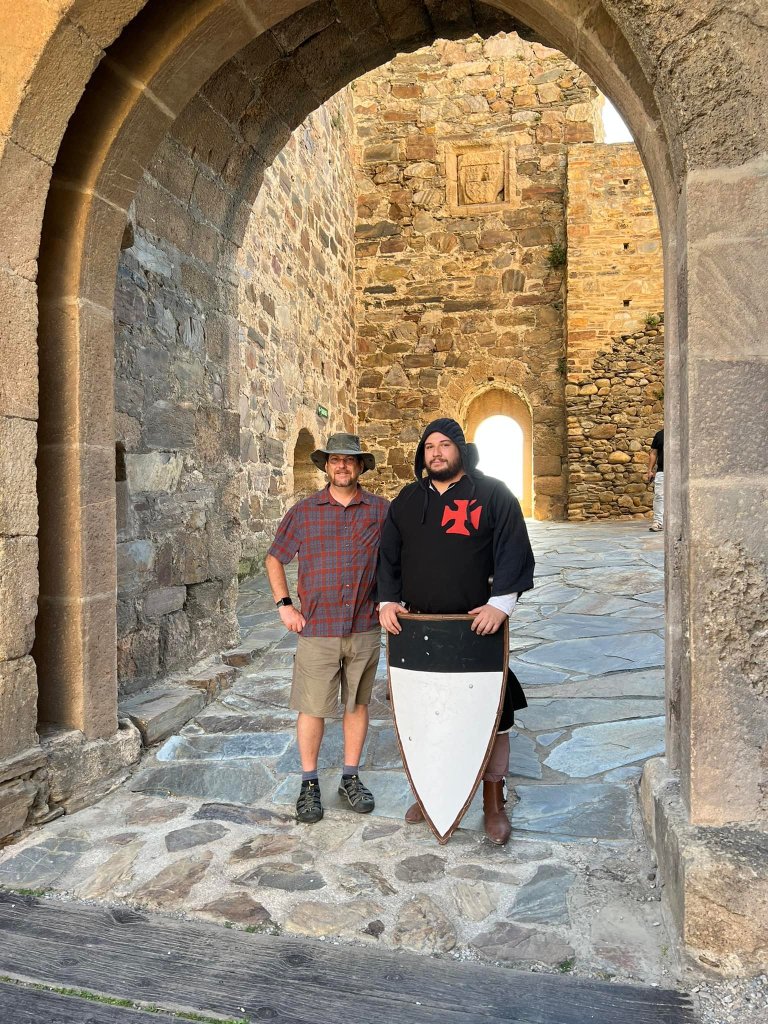
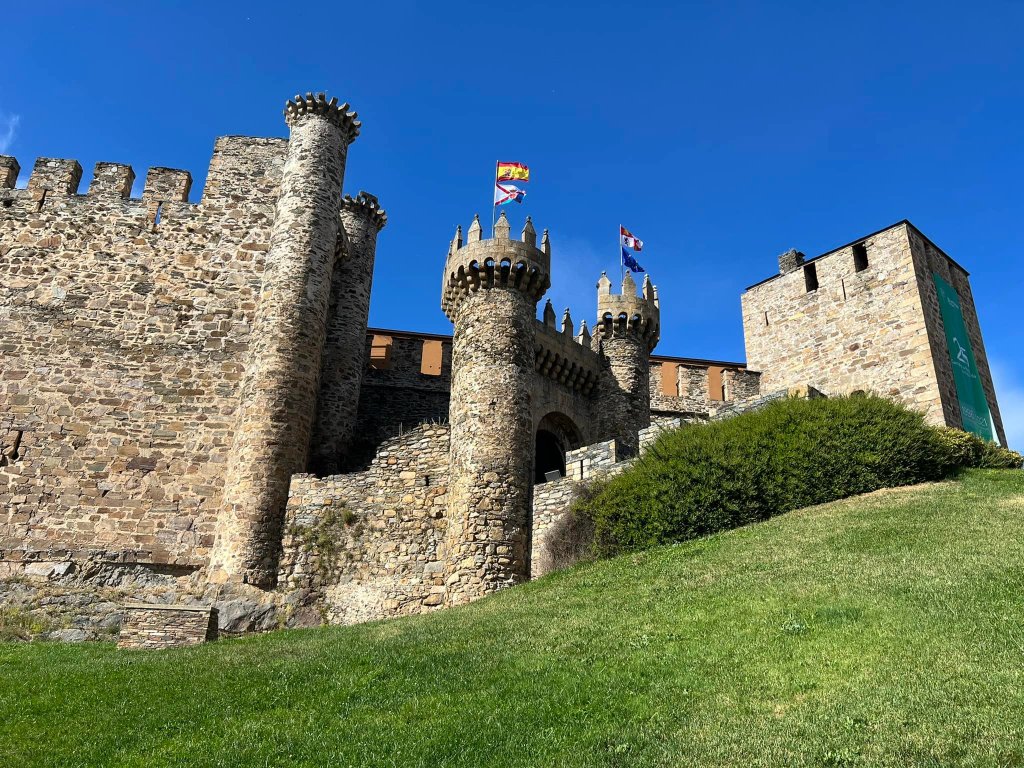
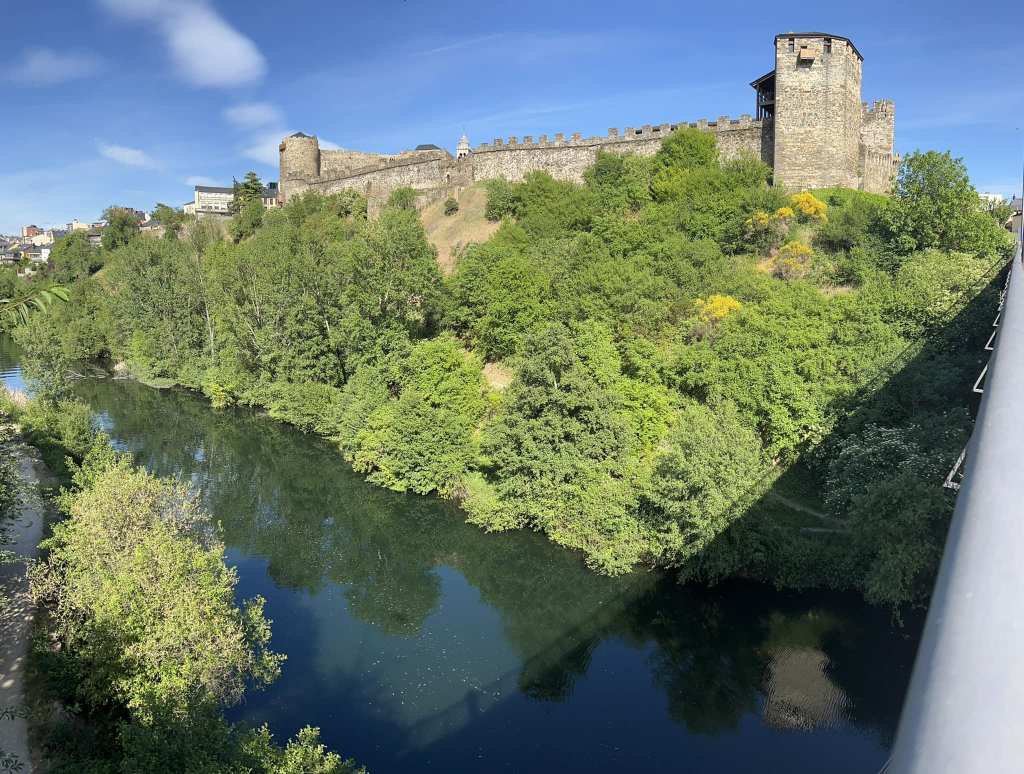
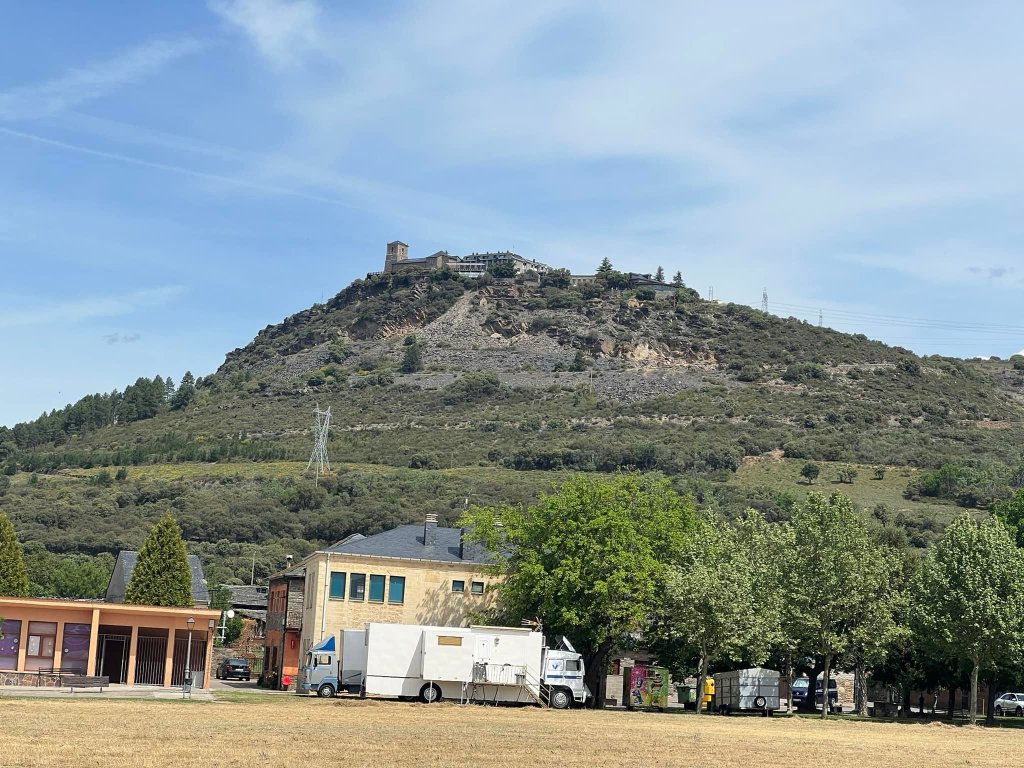
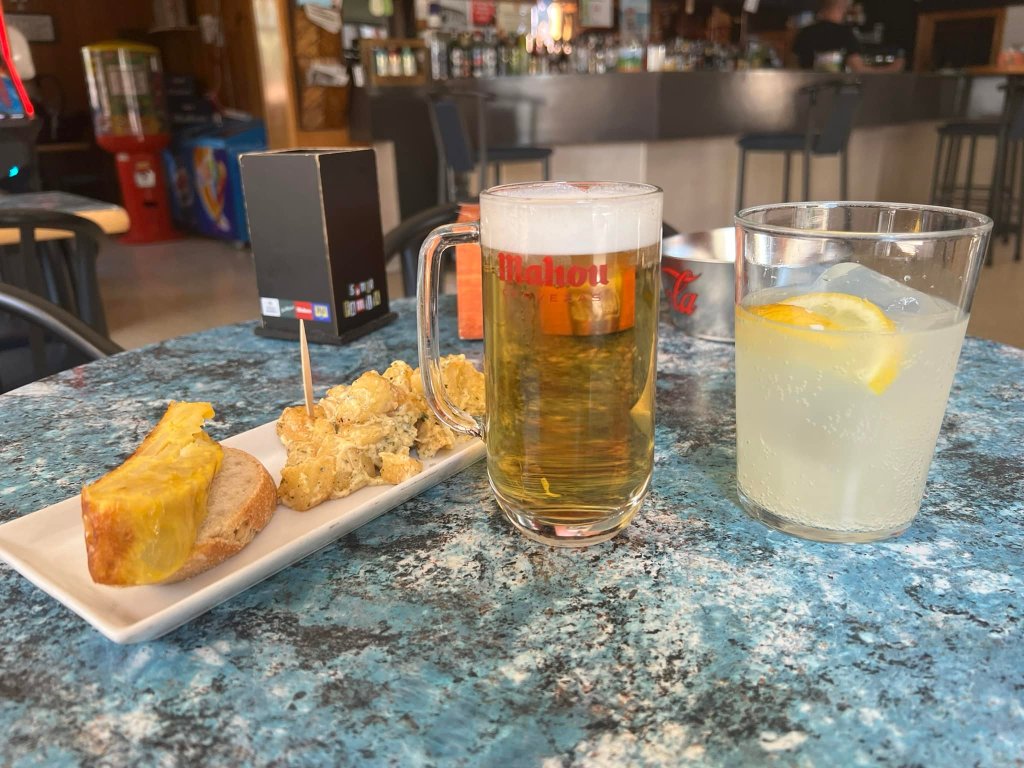
 and saw the sights. I visited the Knights Templar Castle of Ponferrada- quite an impressive castle. We visited lots of bars and in general a low key day.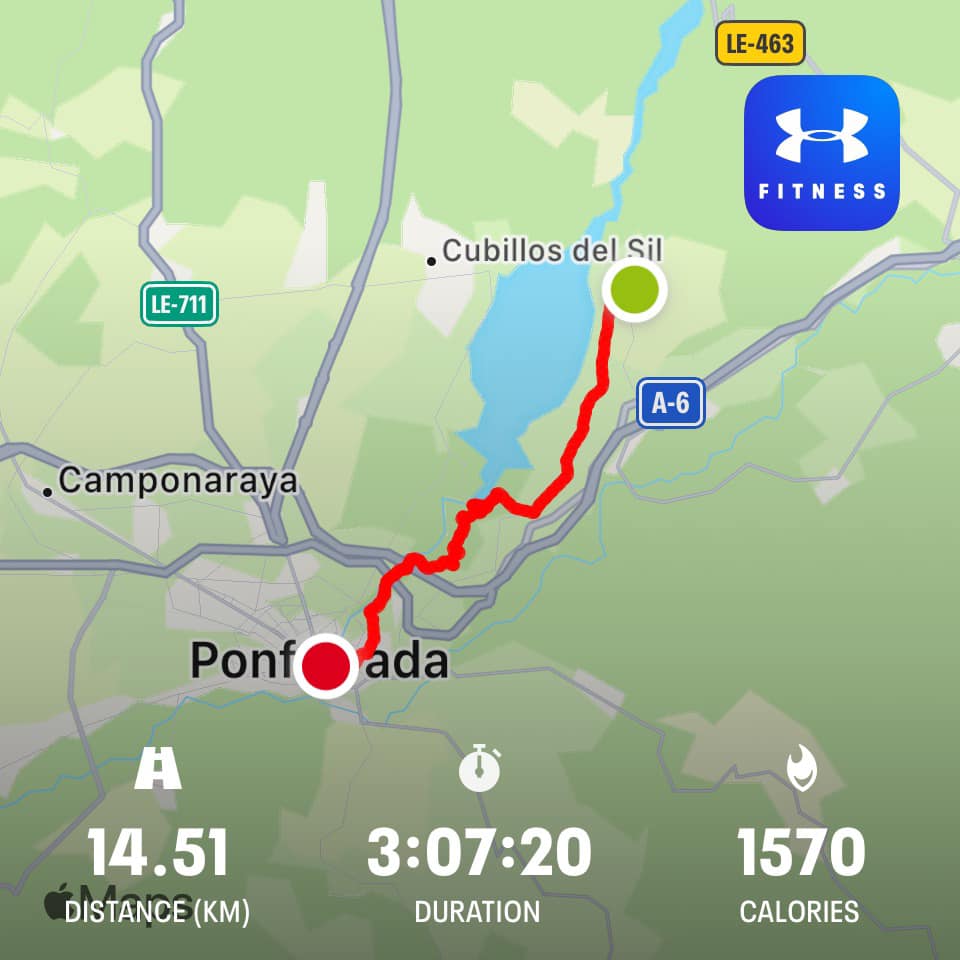





































 Pizote Adventures