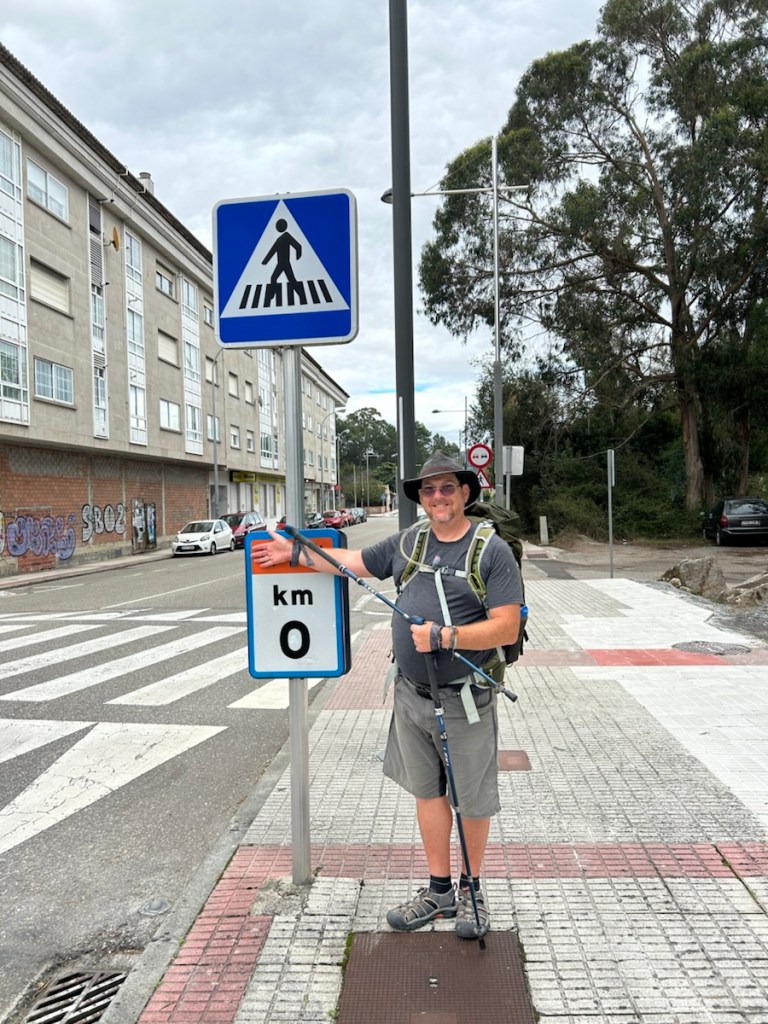
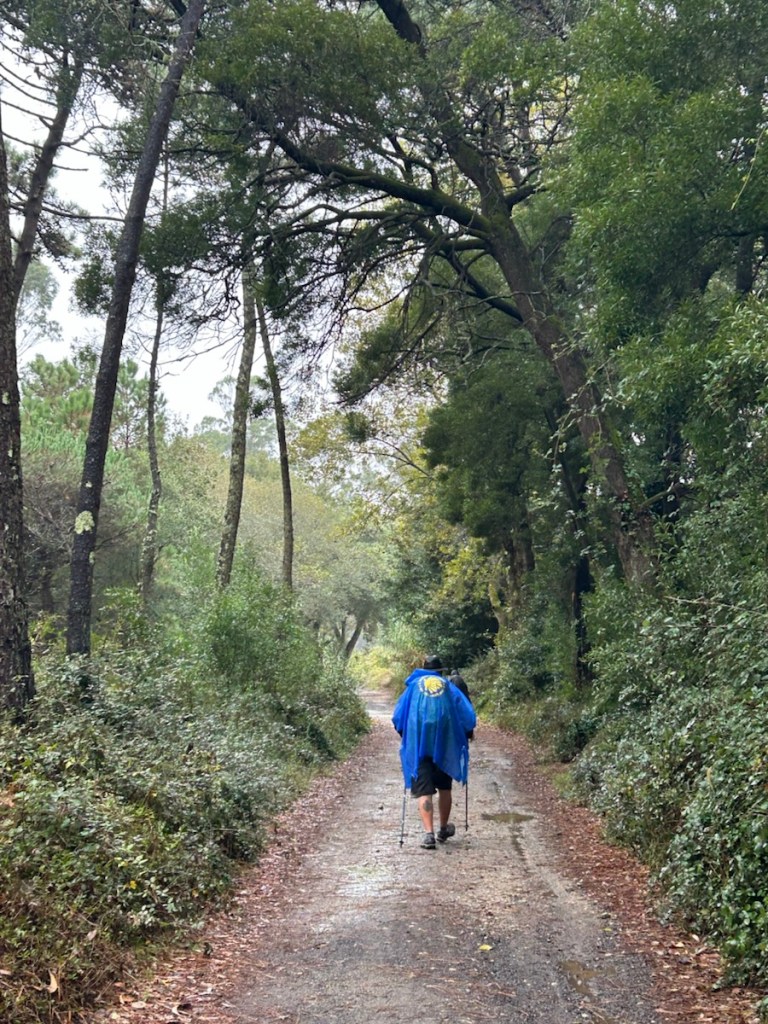
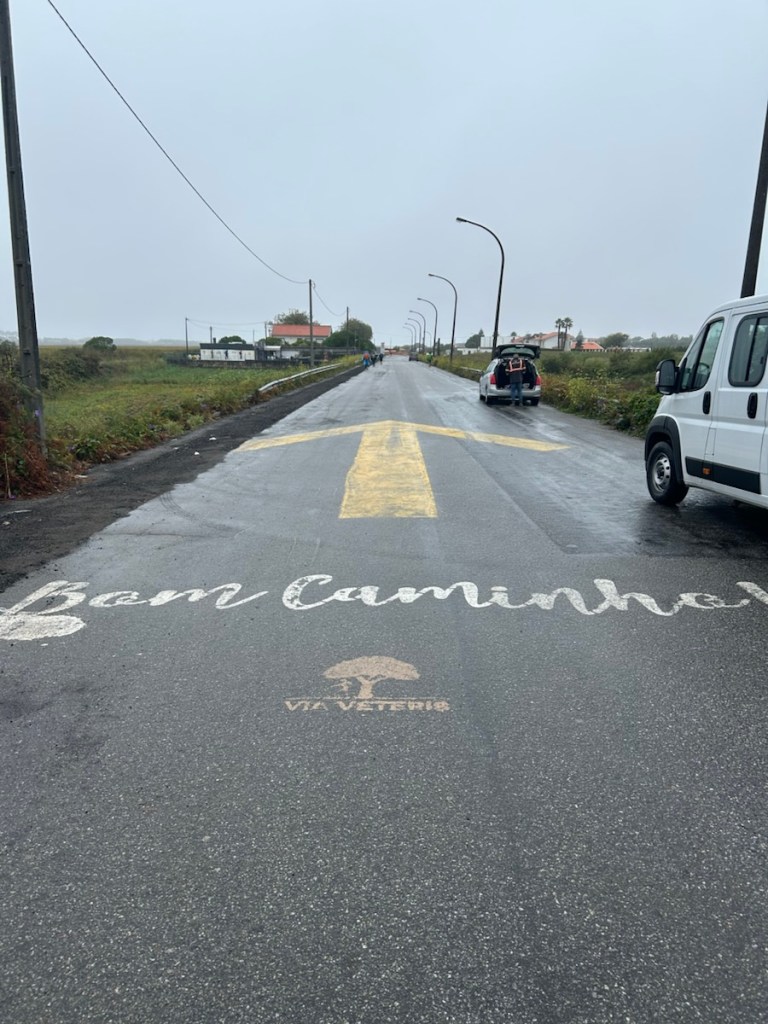
Day 19: Padrón->Santiago de Compostela

https://www.mapmyfitness.com/workout/8200101115

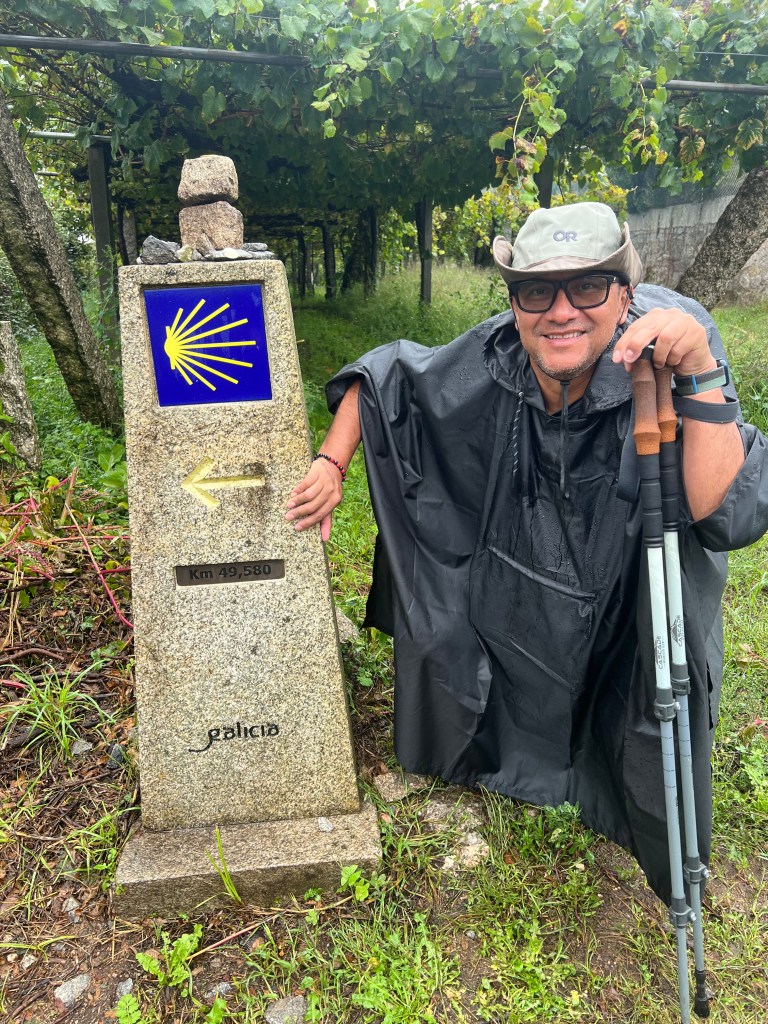
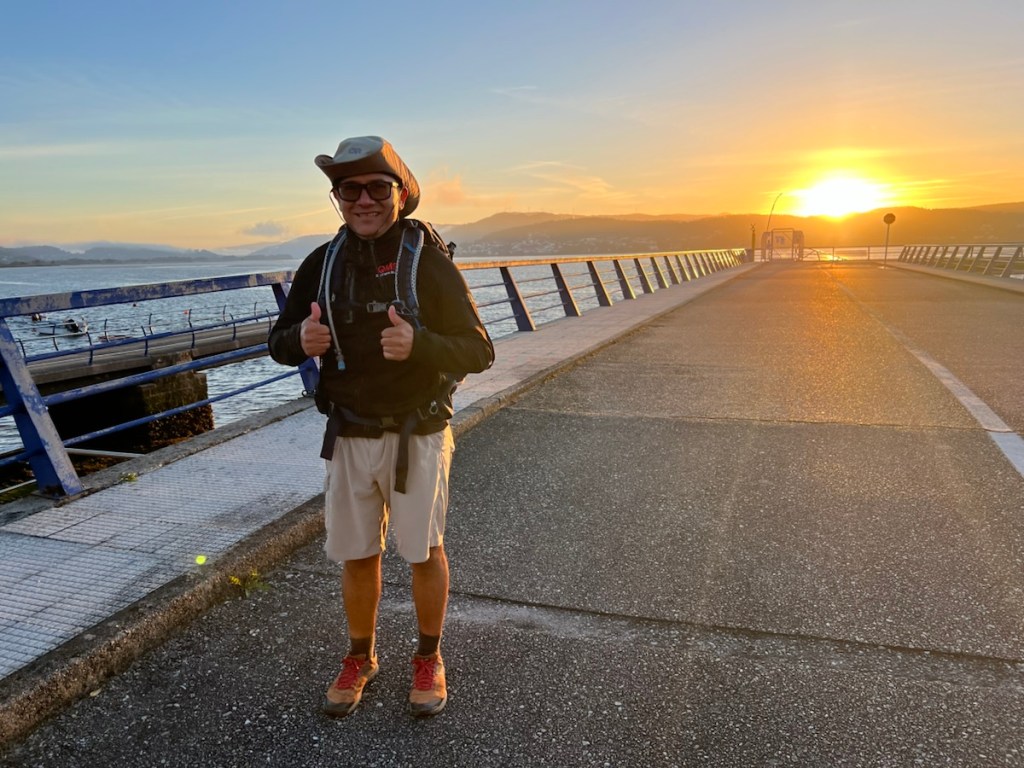
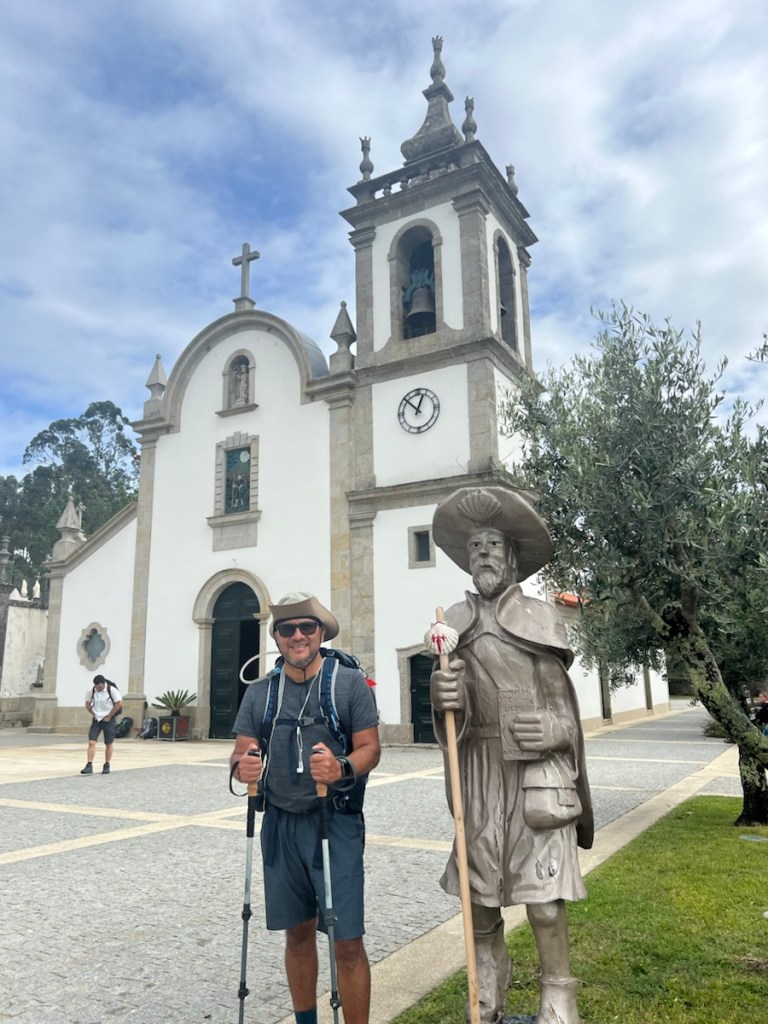
This day marked the final day of my Camino journey—or as the saying goes, “Your Camino truly begins when you arrive in Santiago.” It’s a phrase often met with skepticism, but after completing this pilgrimage six times, totaling more than 5,400 kilometers and over 7 million steps, I can confidently say that the real growth happens in reflecting on those kilometers traveled. Now, six weeks later, I’m writing this with fresh perspective and a mix of experiences—some I’ll share, and others that will remain mine alone. But first, let’s talk about the walk.

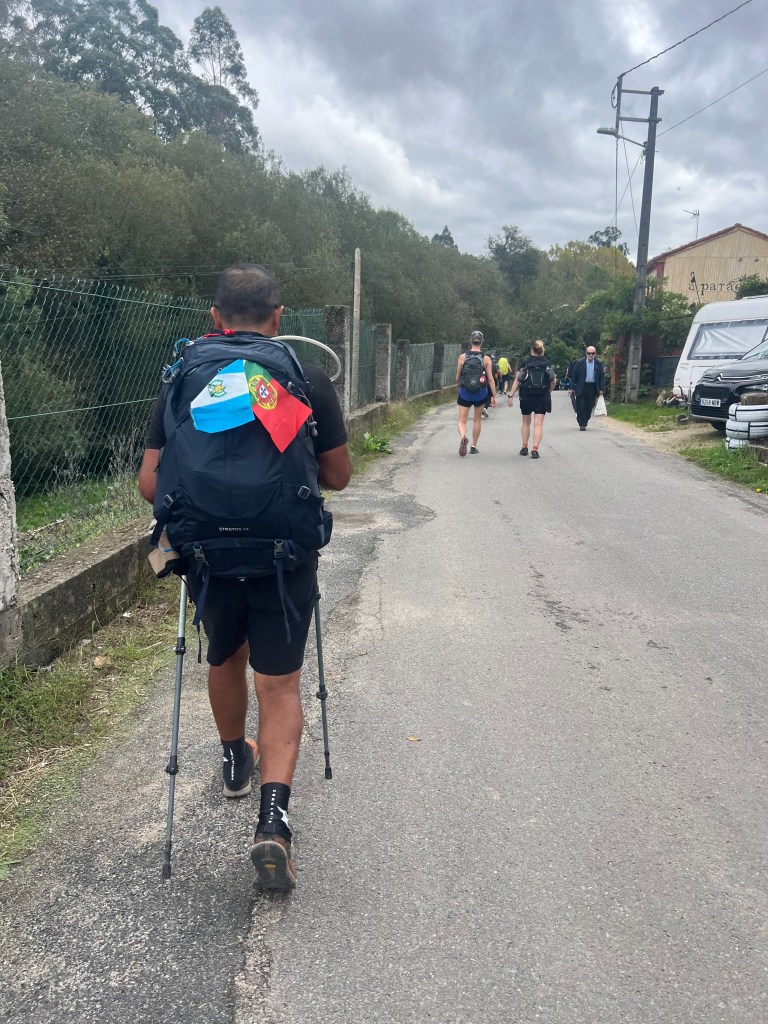
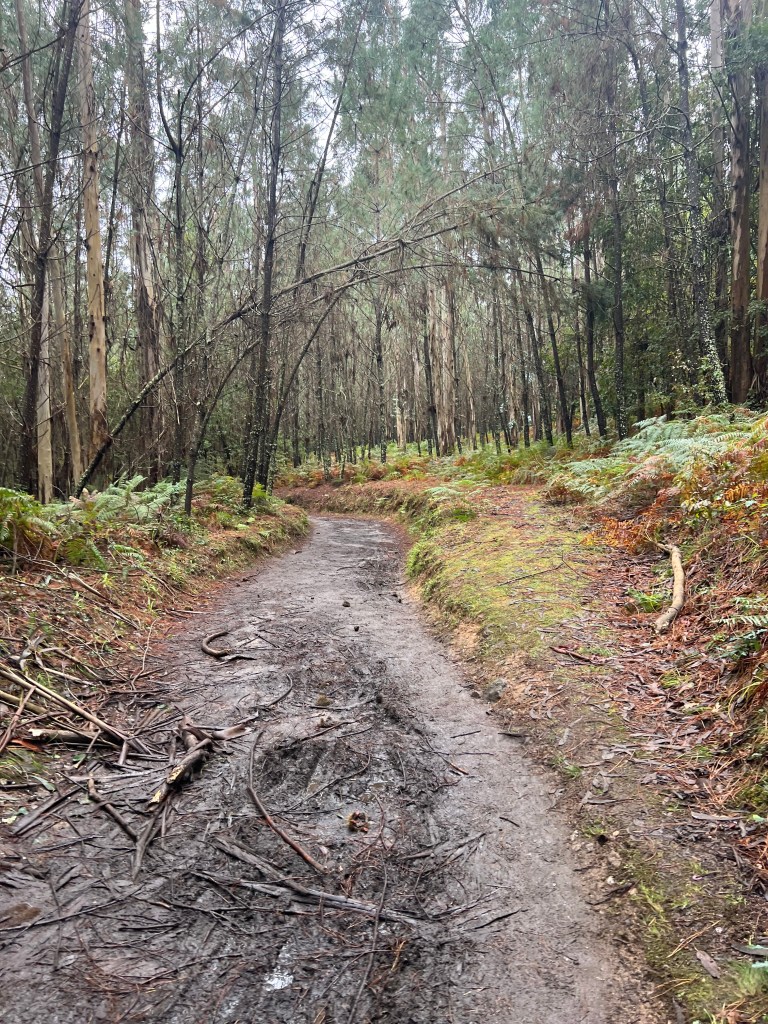
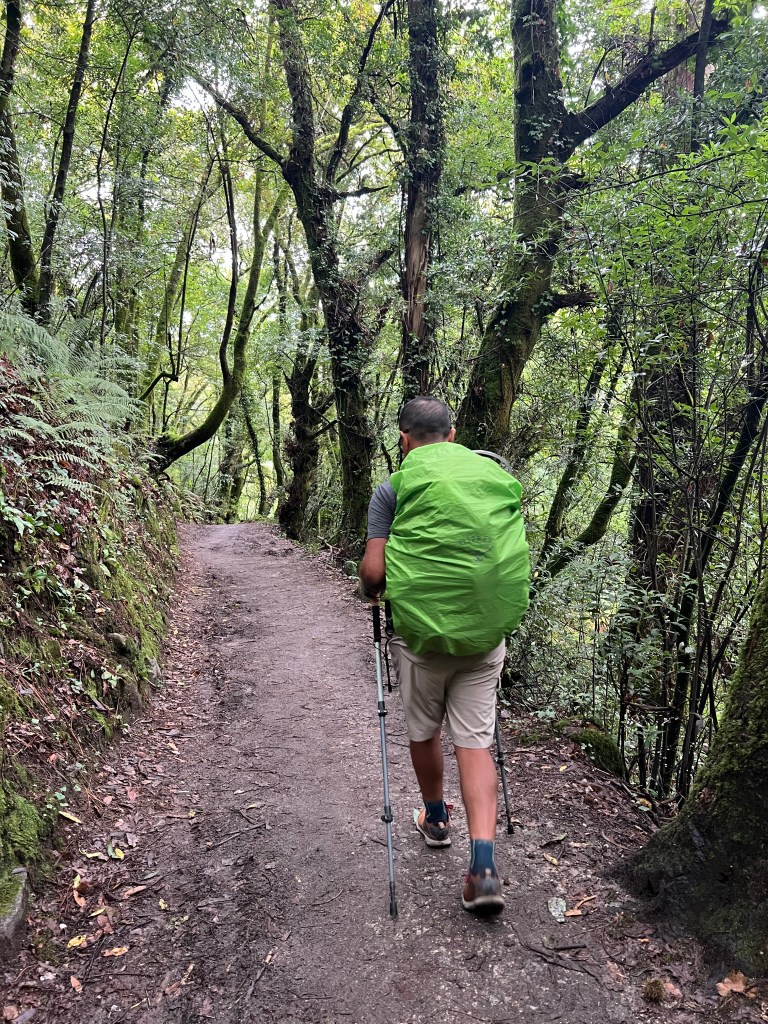
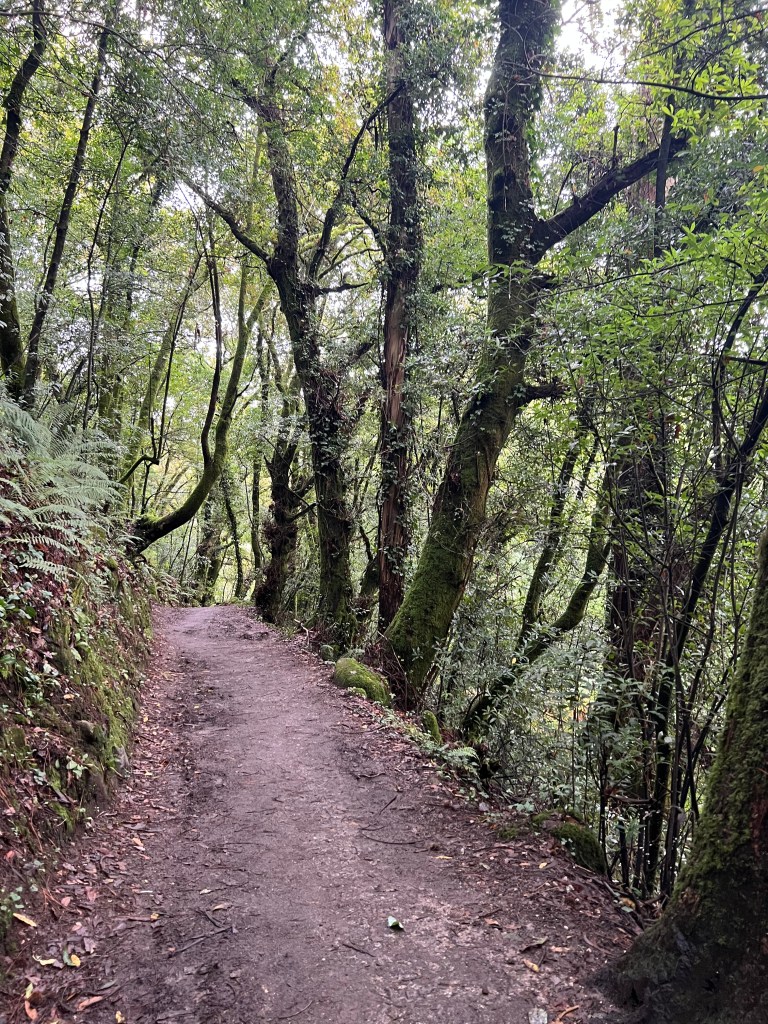
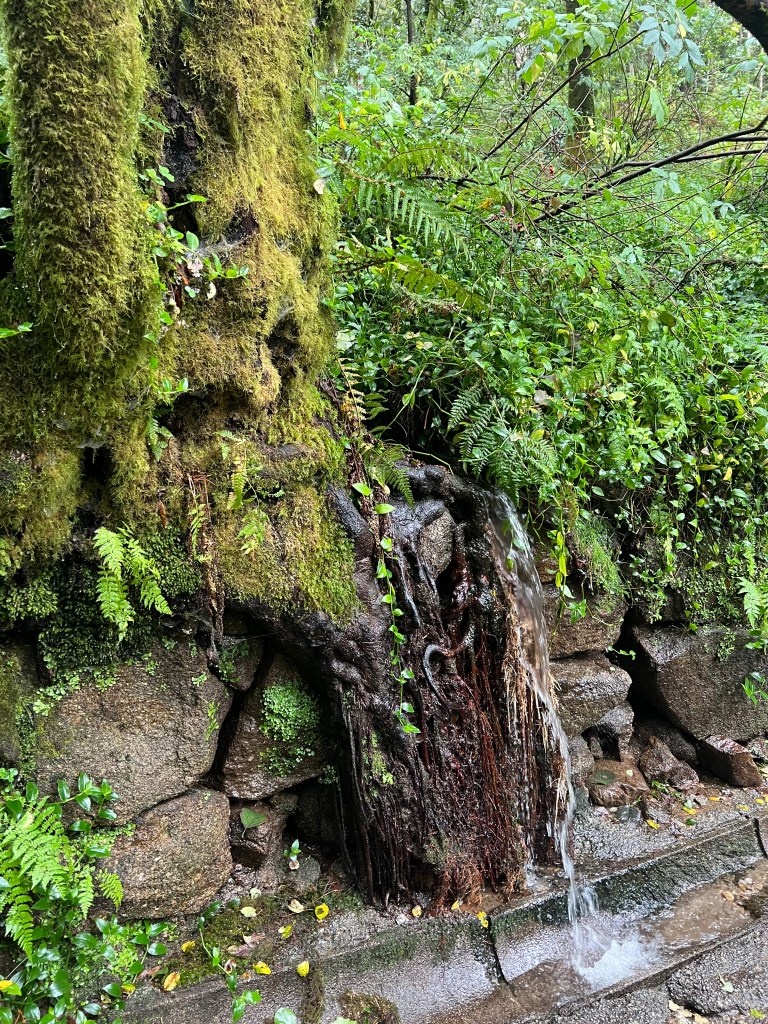
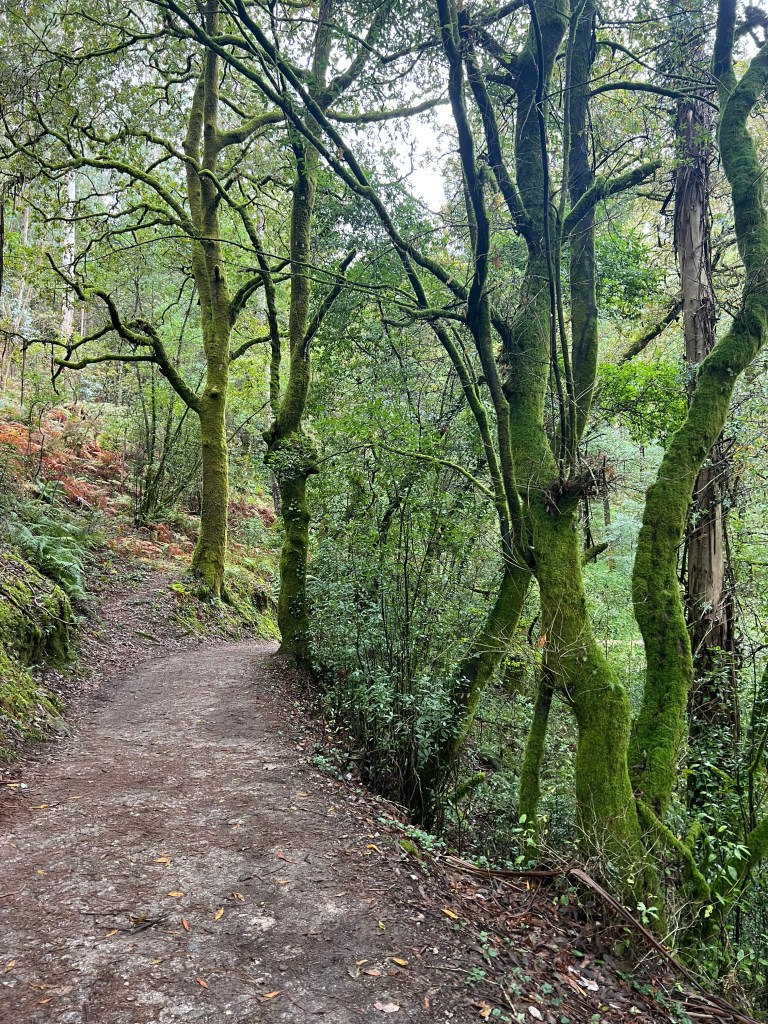
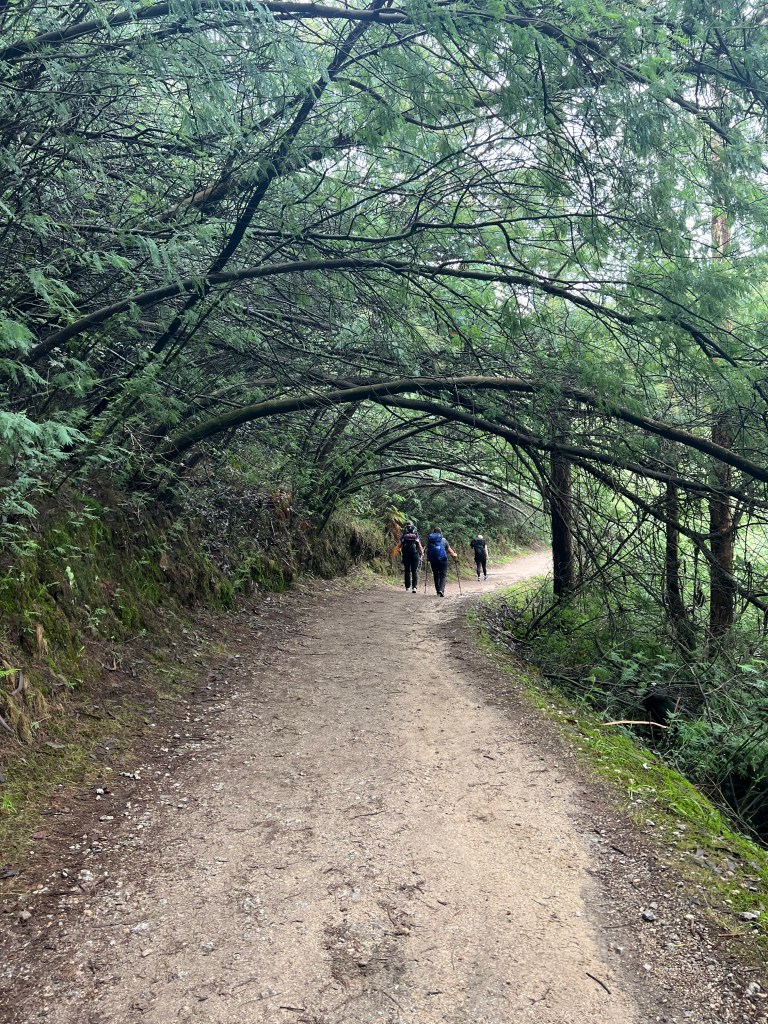
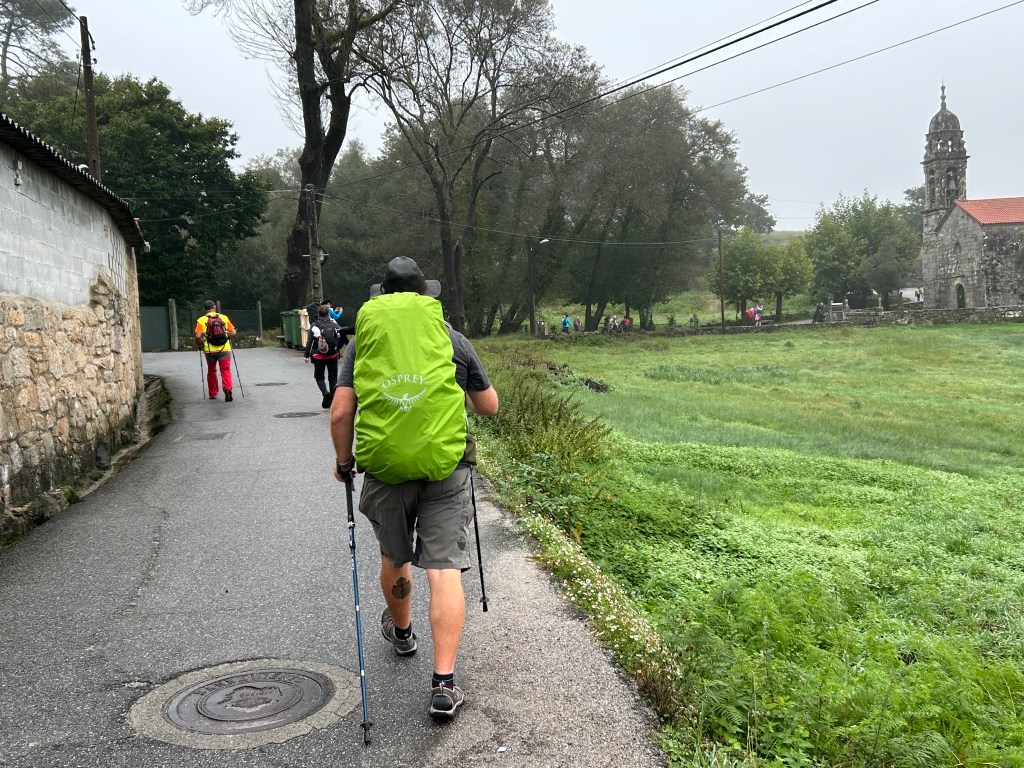
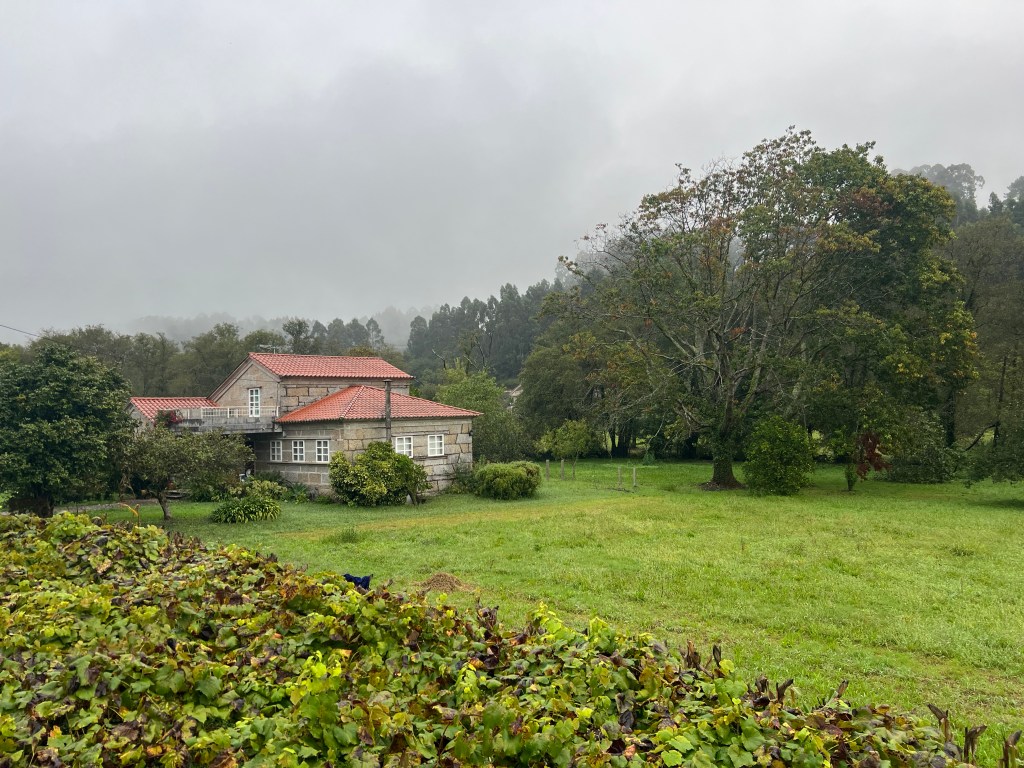
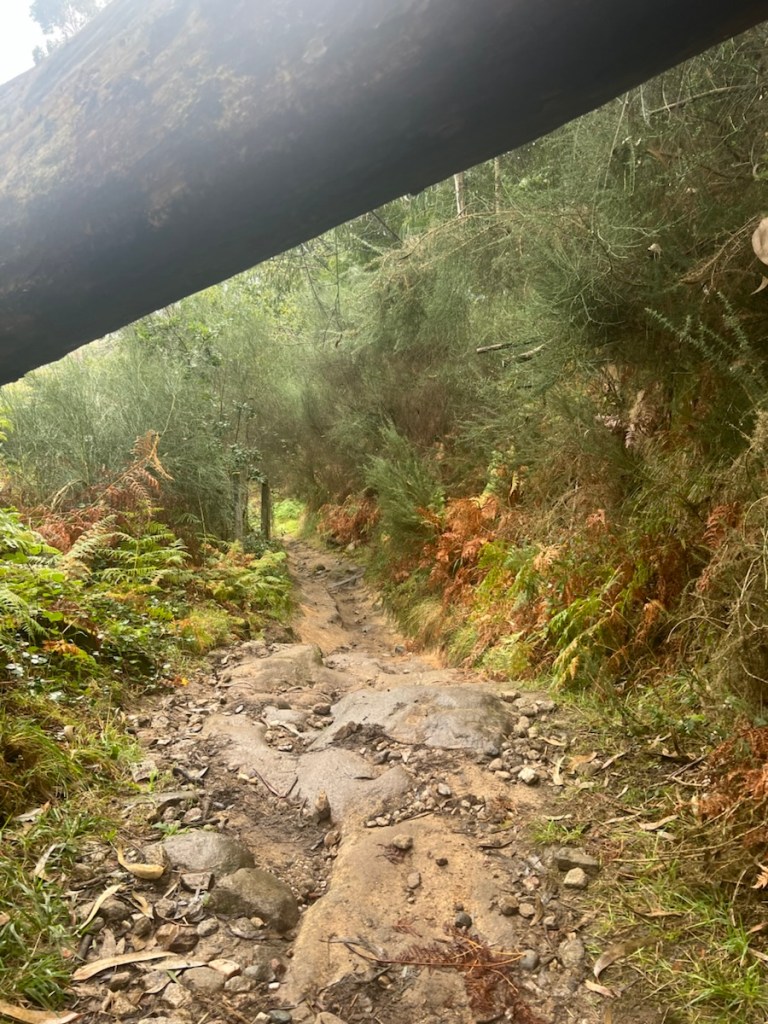
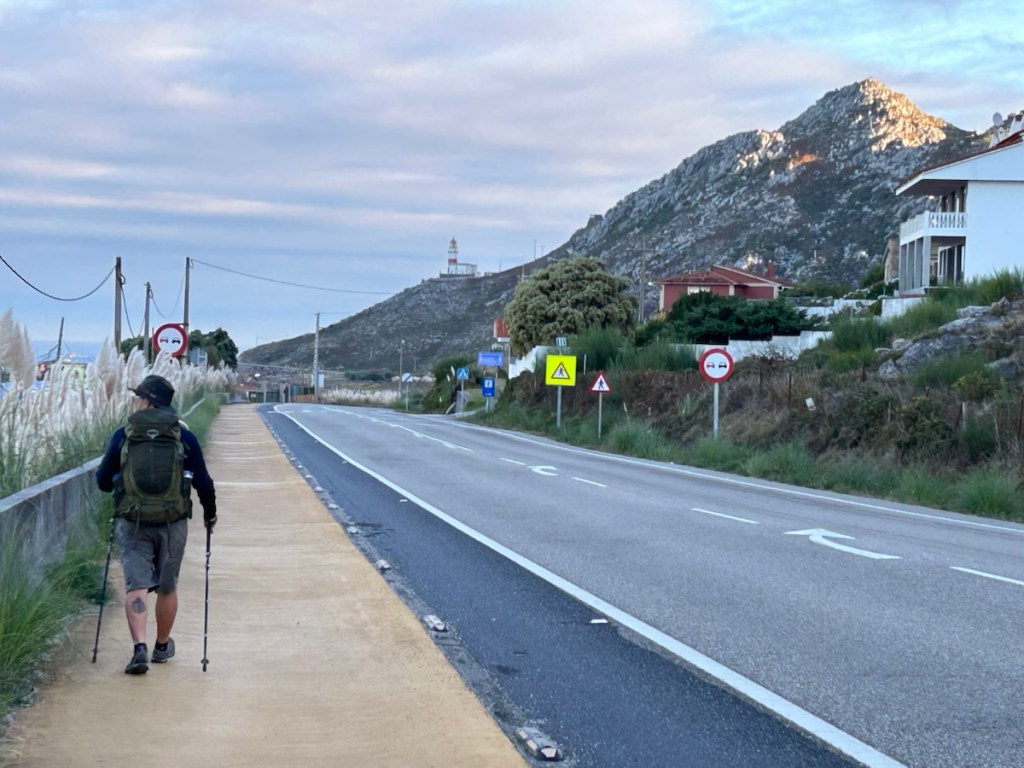
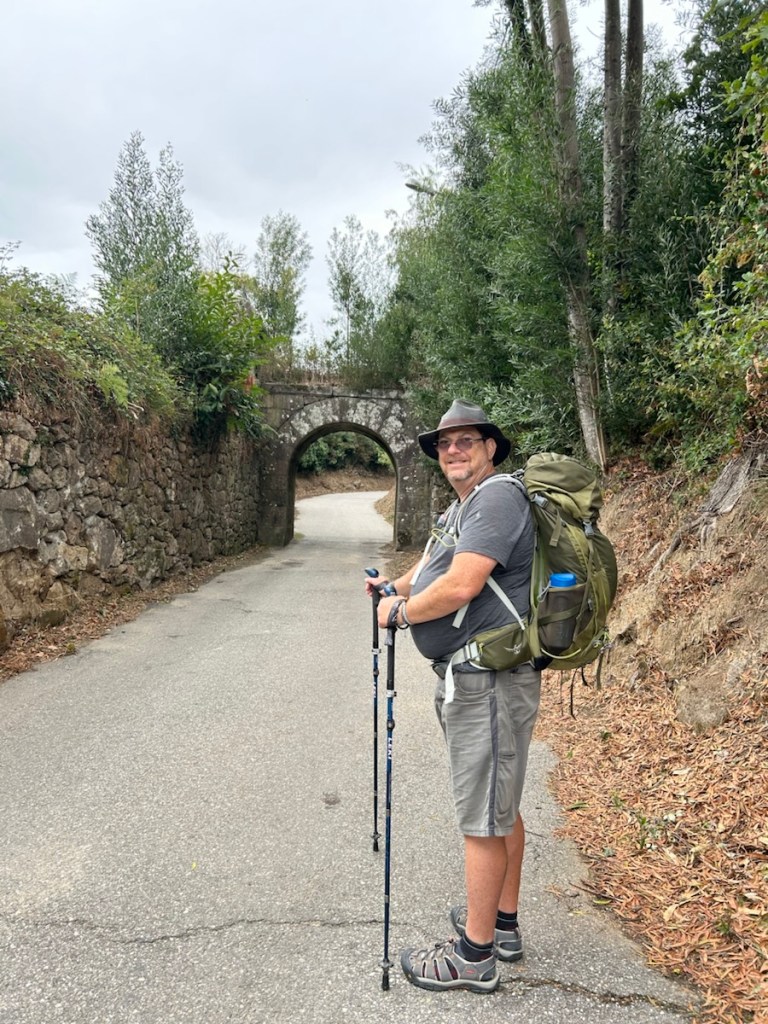
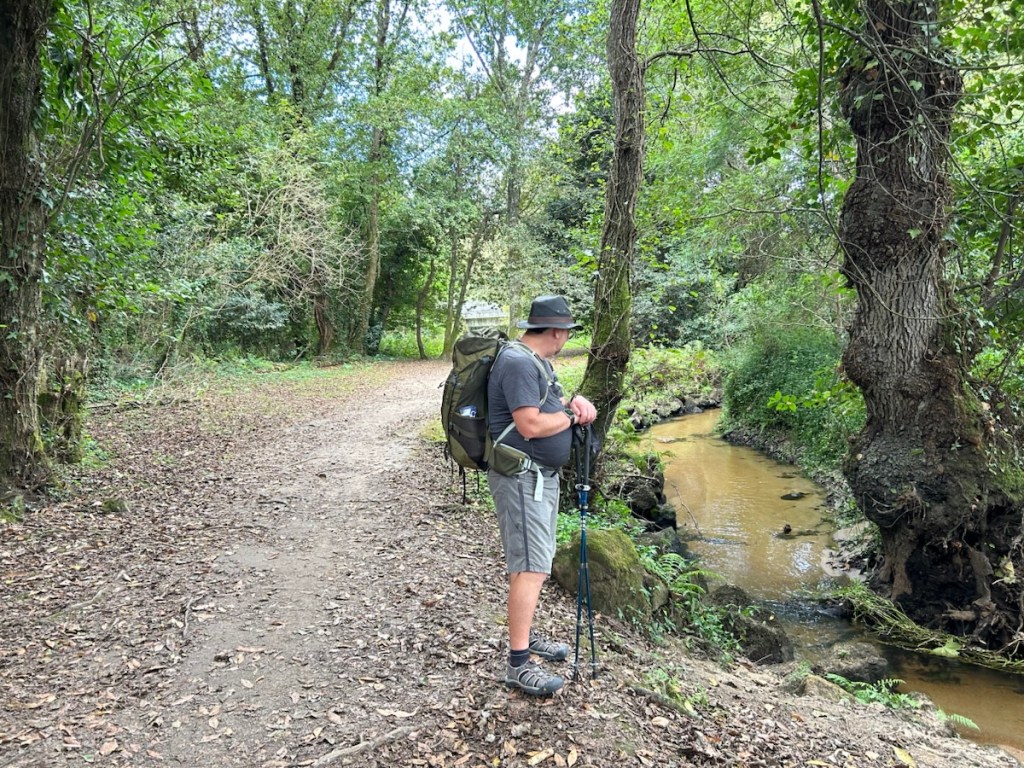
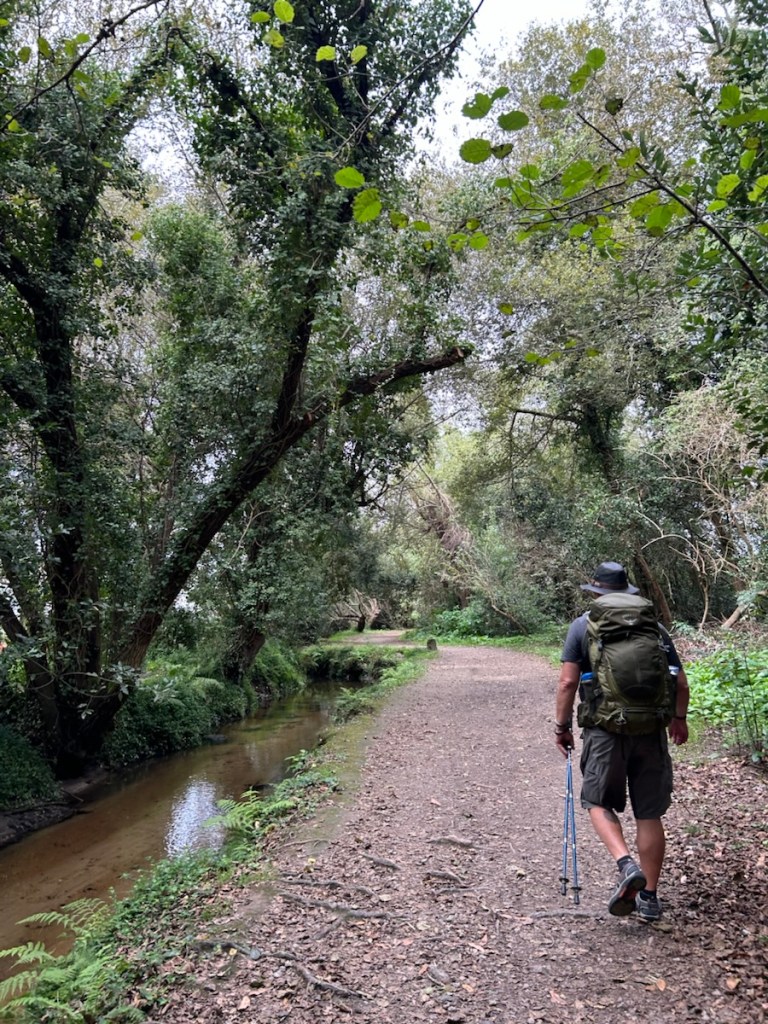
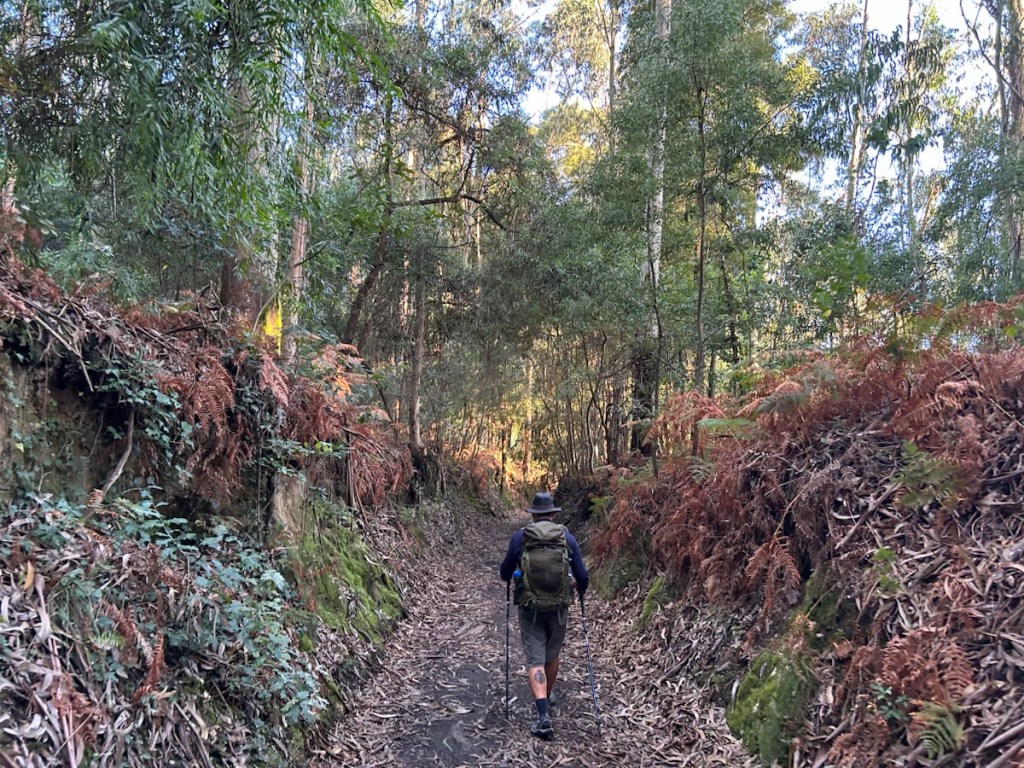
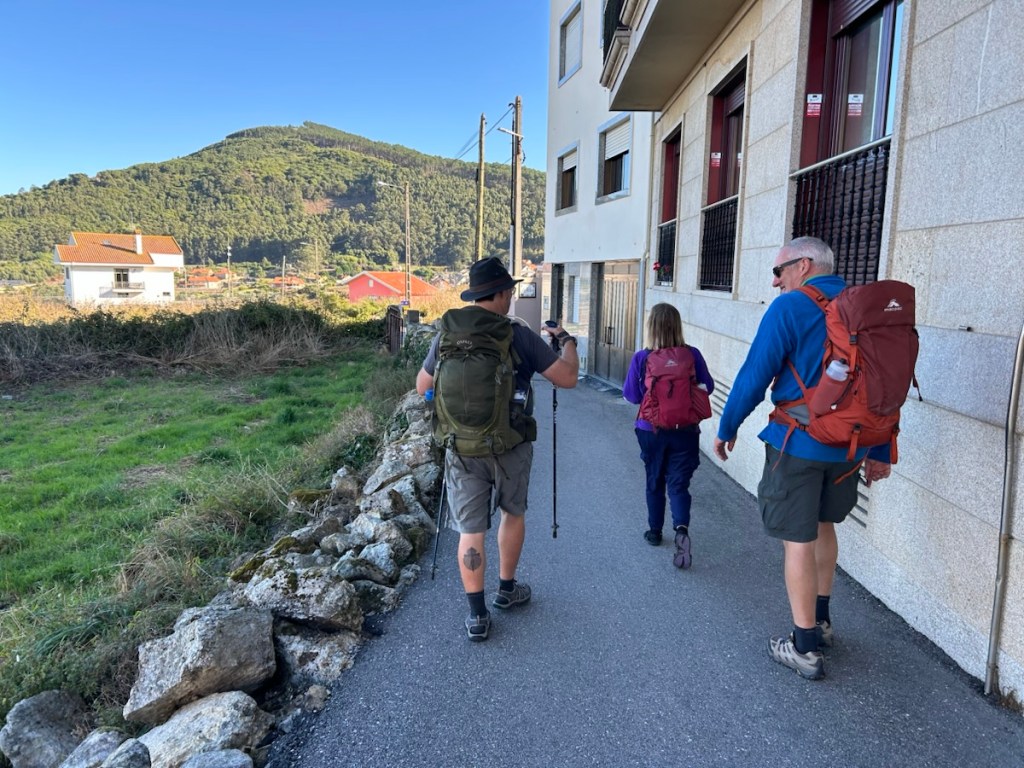
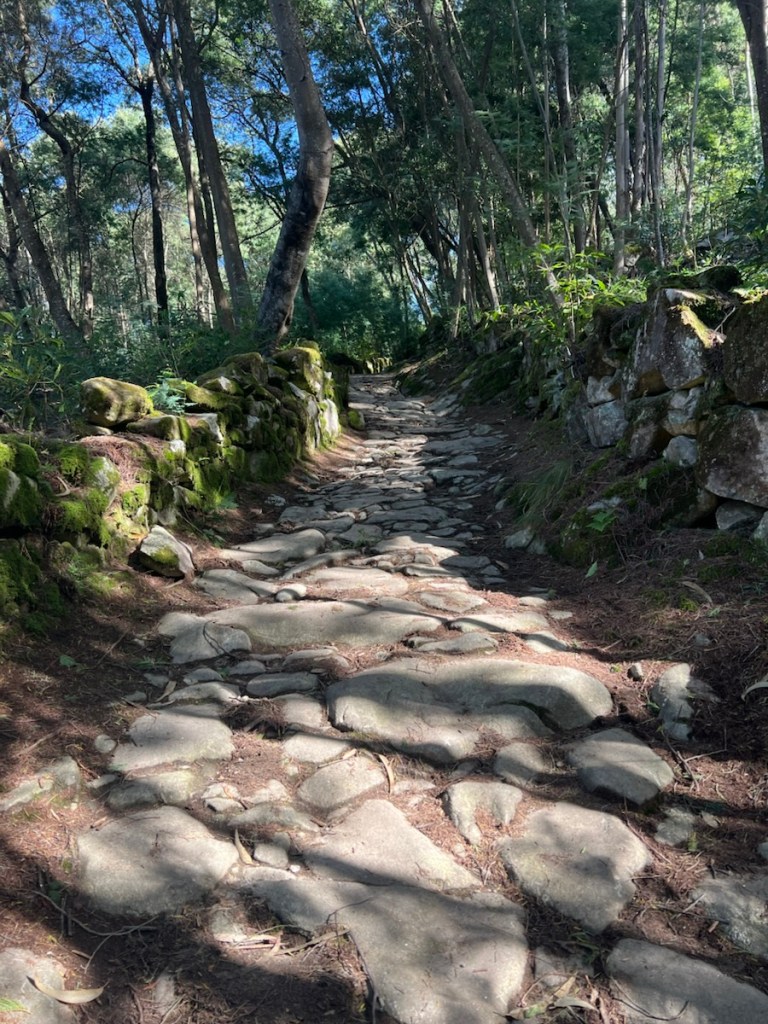
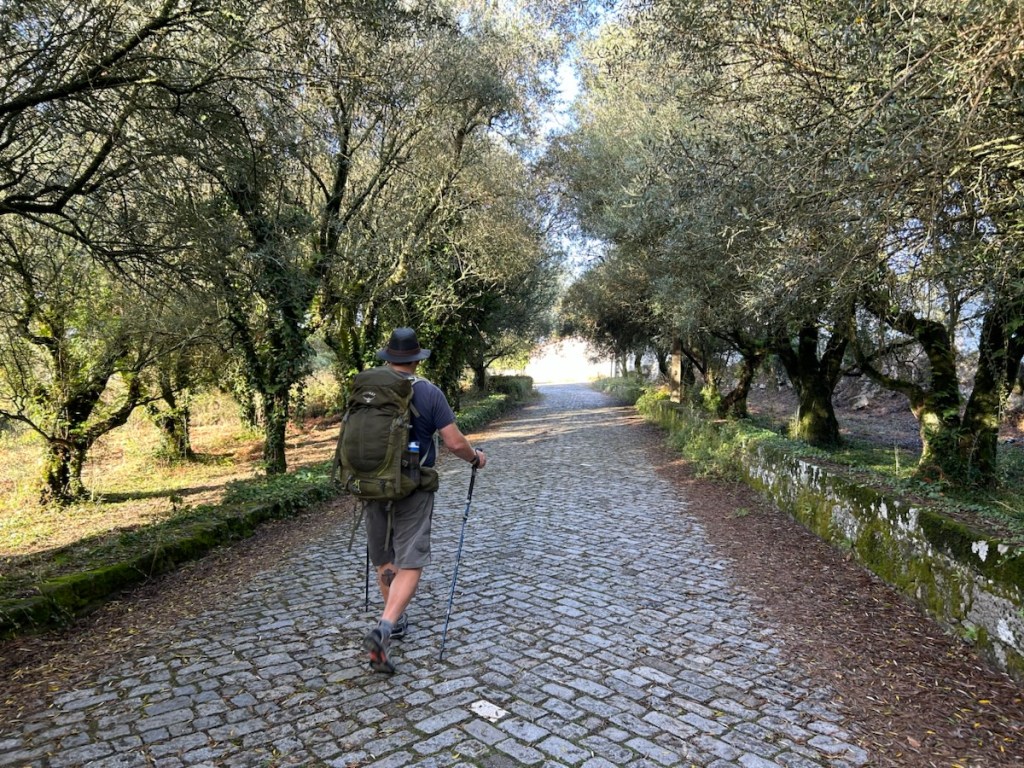
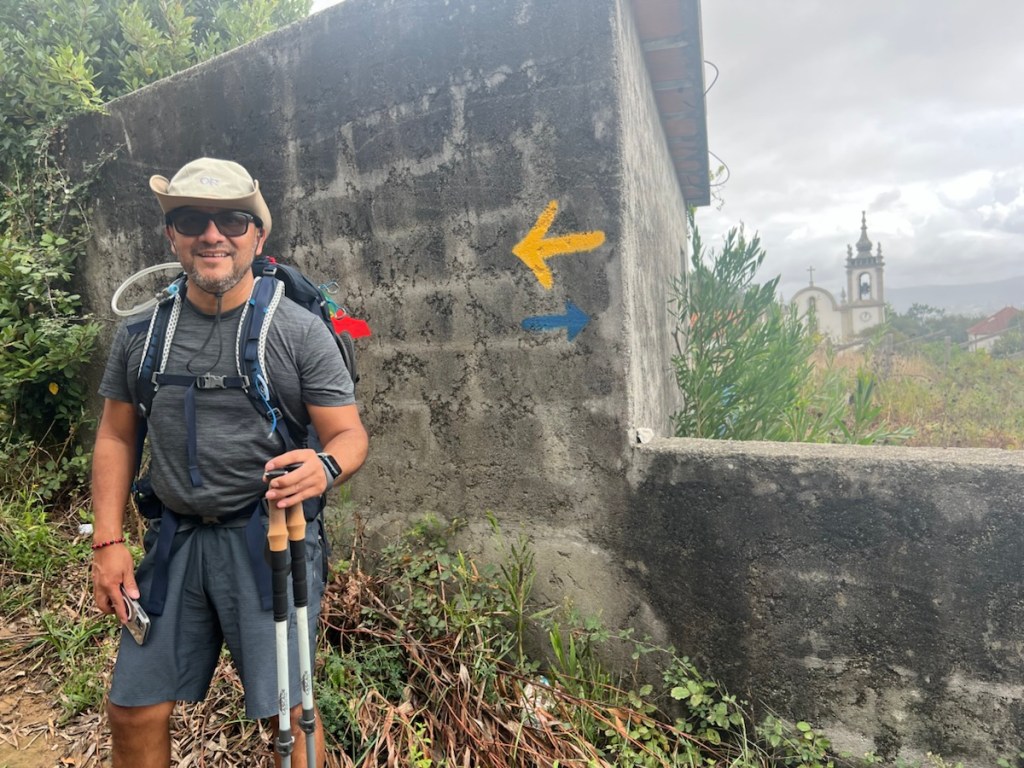
The day was split between two worlds: half spent on soft forest paths, the other on asphalt as the city loomed closer. The peaceful forest stretches invited introspection, my thoughts meandering like the trail itself. Then, as the rural turned urban, my focus shifted to navigating Santiago’s outskirts, a growing buzz of anticipation propelling me forward.

Admittedly, that excitement got the better of me. I sped up, leaving Luis behind—an oversight that brought its own lesson. While I waited for him at the entrance to the Casco Viejo, where the cathedral resides, I realized I’d pushed too hard, upsetting the balance of our shared journey. It was a humbling moment, one that required introspection and acknowledgment in the days that followed. All was resolved eventually, but it’s a reminder: the Camino teaches as much about patience and connection as it does about endurance.

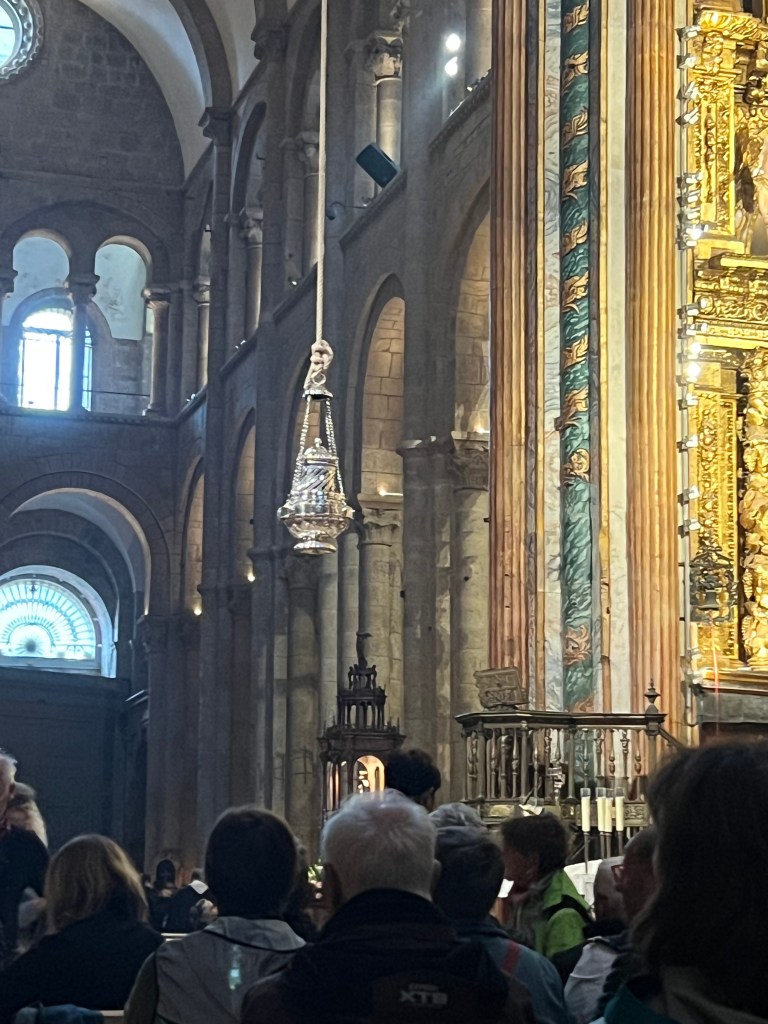
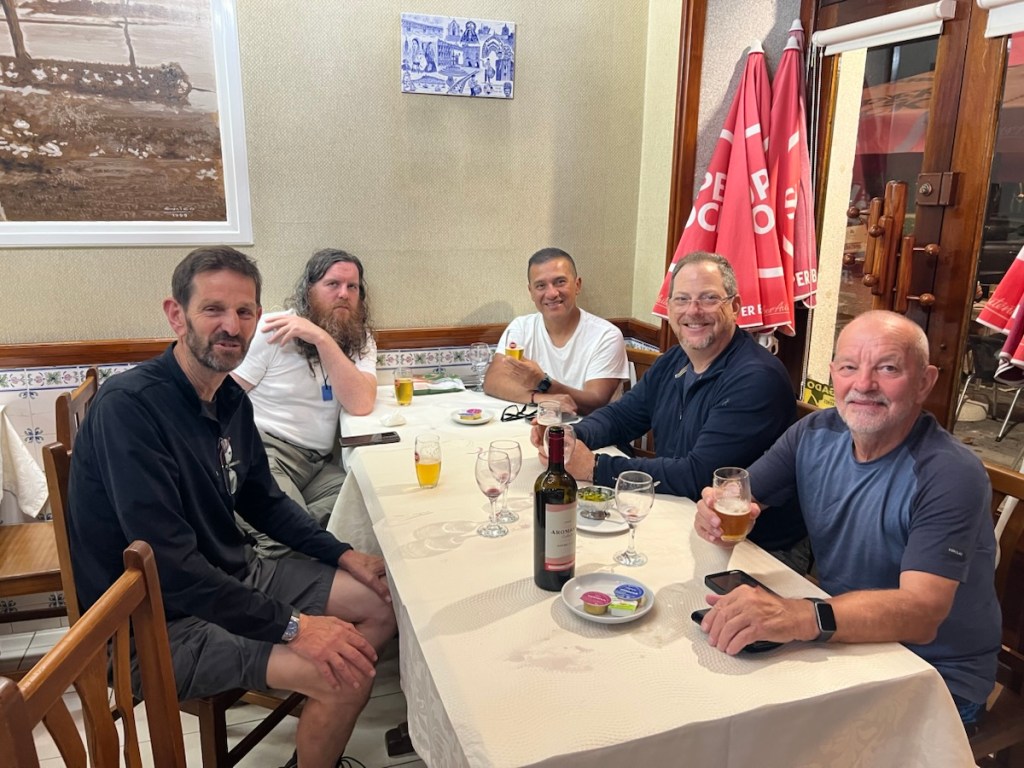
Arriving at the cathedral’s plaza was a mix of celebration and camaraderie. Pilgrims from all walks of life gathered, greeting friends and savoring the shared accomplishment of a lifetime. Under partly cloudy skies and a blessed lack of rain, the plaza brimmed with joy. Contact information was exchanged, tearful goodbyes were said, and the Camino worked its magic once again, forging bonds that will last a lifetime.

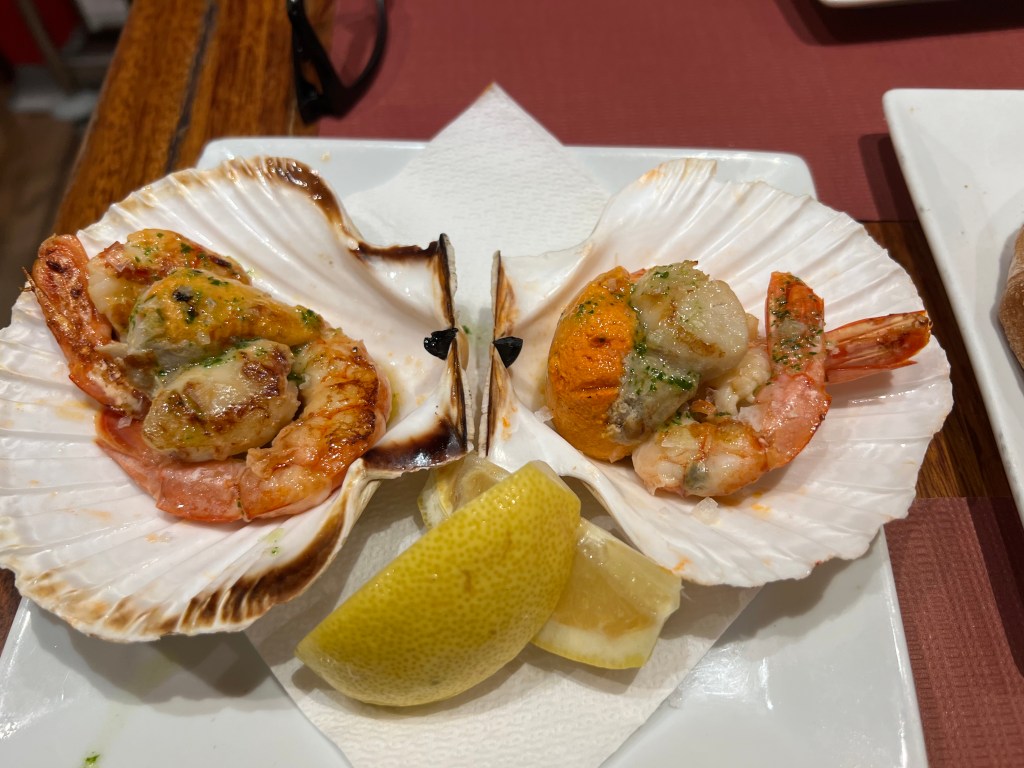
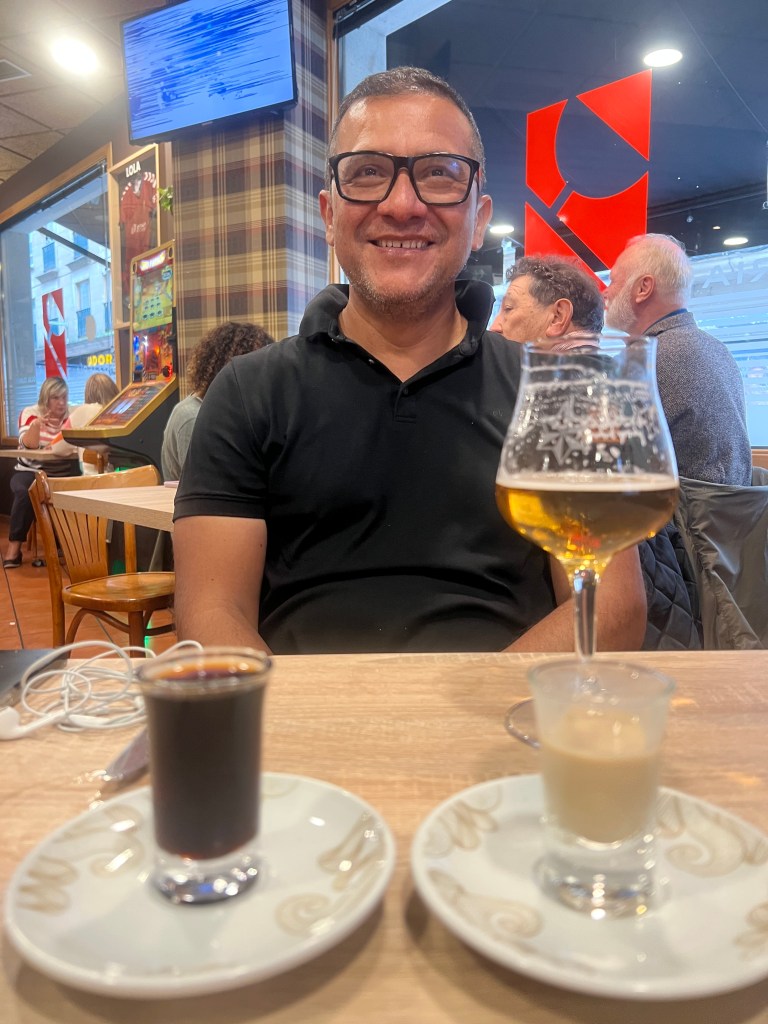
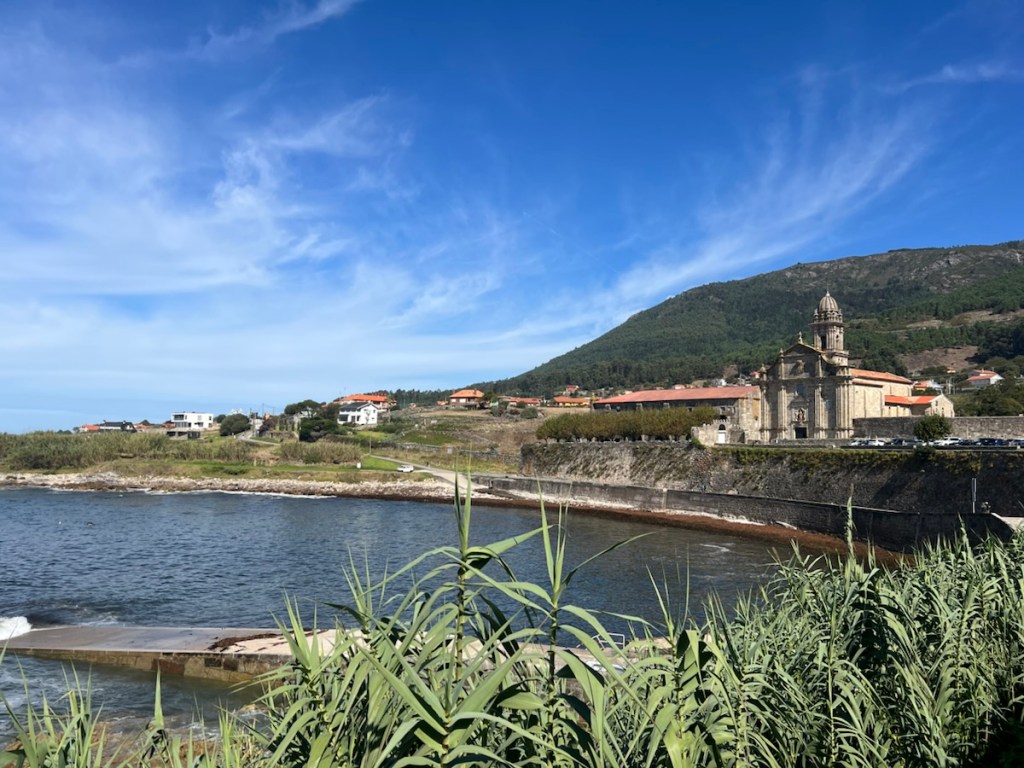
After a couple of days in Santiago, we ventured to the coast—Muxia specifically—before returning to Santiago for one last evening of bar-hopping, Orujo tasting, and last-minute shopping. From there, it was on to Lisbon for our flights home.

This Camino was unlike any of my others. The reasons I embarked on it weren’t entirely my own; I walked for someone and with someone. Yet, as the Camino often does, it became deeply personal. No matter the reasons you start, the Camino finds a way to touch your soul. It was as much my journey as it was for the important people in my life.

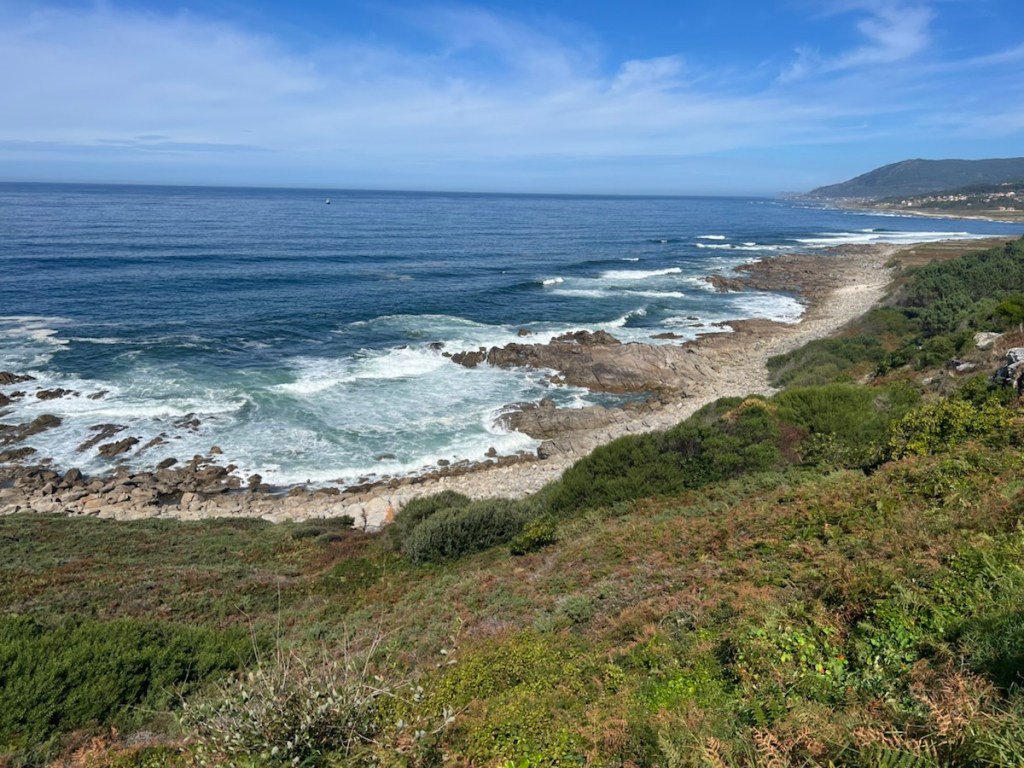
Galicia’s Celtic heritage added a layer of mysticism to this pilgrimage. Known as one of the seven Celtic nations, its land is steeped in ancient beliefs, including the concept of ley lines—energetic pathways that, where they intersect, are thought to hold extraordinary spiritual power. Muxia, believed to be one such powerful conjunction, held special significance for me this time. Unlike my 2015 visit, which felt more like sightseeing, this visit carried the weight of nine years of growth and deeply personal experiences.

Sitting on the rocks in Muxia, meditating and contemplating life, I was overcome with a profound sense of peace—akin to moments I’ve experienced in meditation or altered states. This calm, a gift from the ley lines and the Camino itself, remains with me even now. It has allowed me to truly “begin my Camino” in Santiago, embracing the journey that lies ahead with an open heart and a peaceful mind.

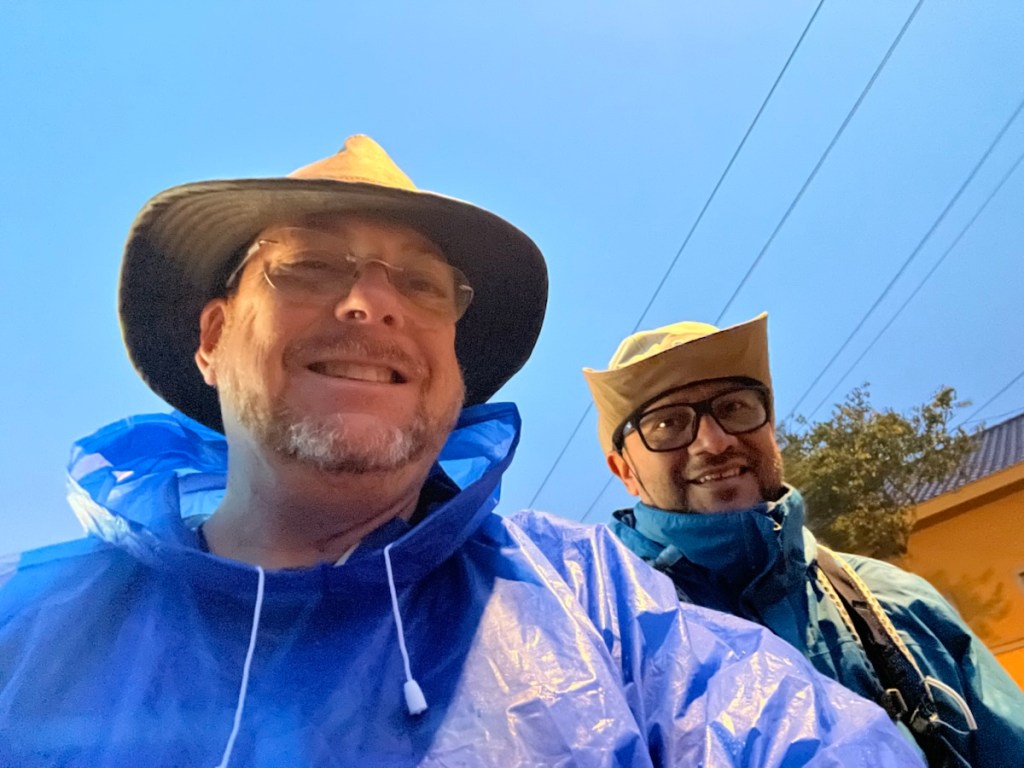
Walking the Camino with my brother-in-law, Luis, was an experience that deepened my respect and love for him in ways I couldn’t have anticipated. Luis is a man of quiet strength, a steady presence who approaches life with a unique blend of humility and wisdom. Sharing this journey with him was both an honor and a privilege. His ability to face challenges with grace and his unwavering support throughout the walk made our time together unforgettable. There was a profound sense of camaraderie in our shared steps, laughter, and conversations. Walking alongside Luis reminded me of the importance of family and connection, and I’ll always treasure the bond we strengthened on this pilgrimage. To share this sacred path with someone so special was, truly, a gift.

Day 18: Caldas de Reis->Padrón

https://www.mapmyfitness.com/workout/8198306938

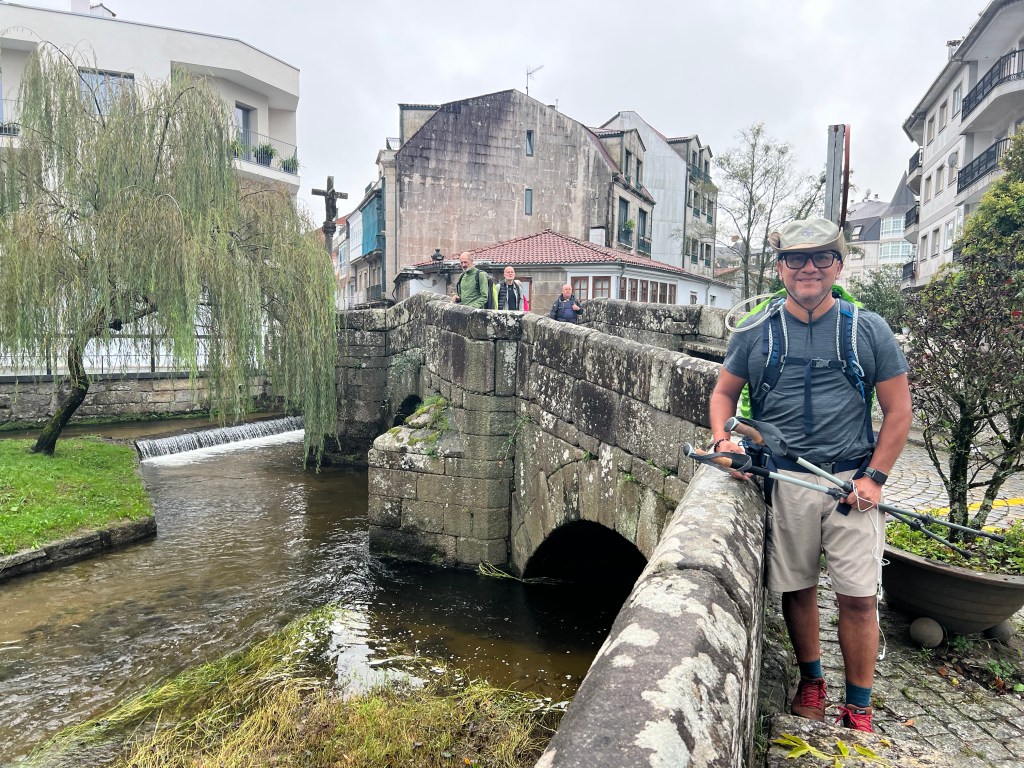
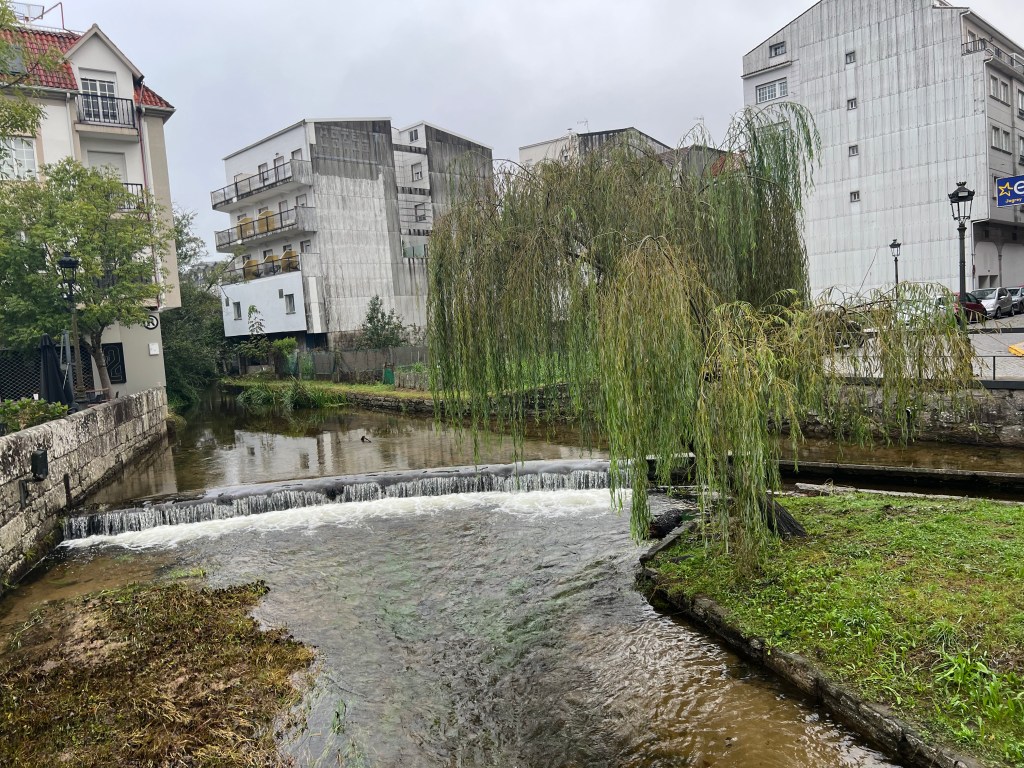
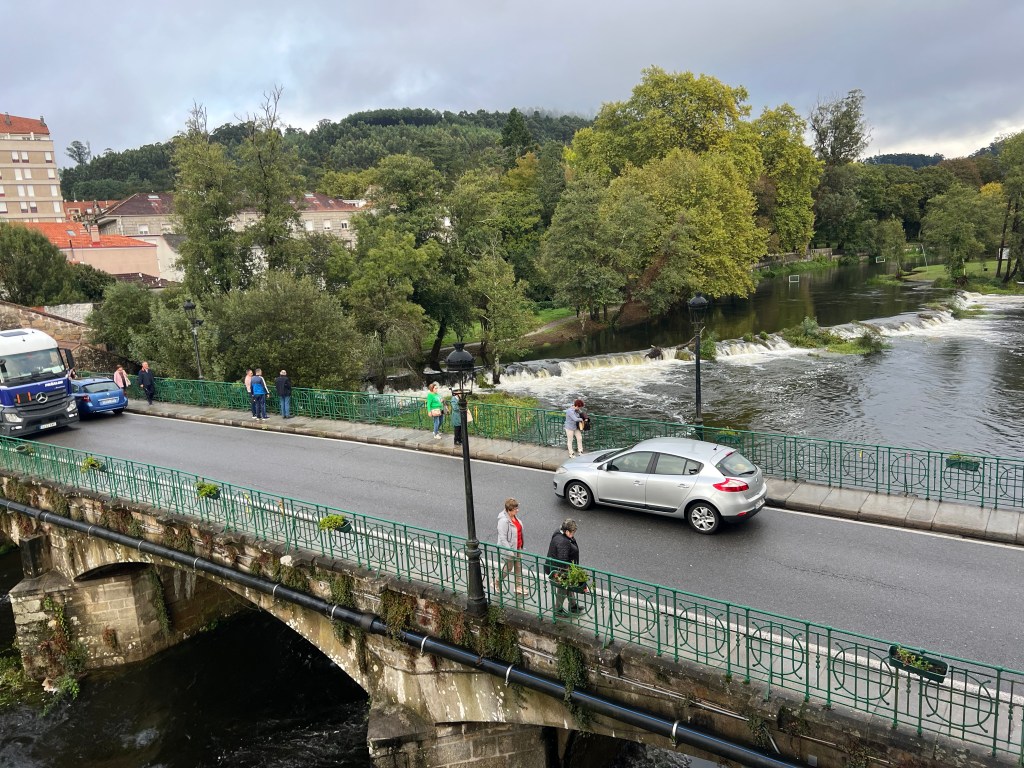
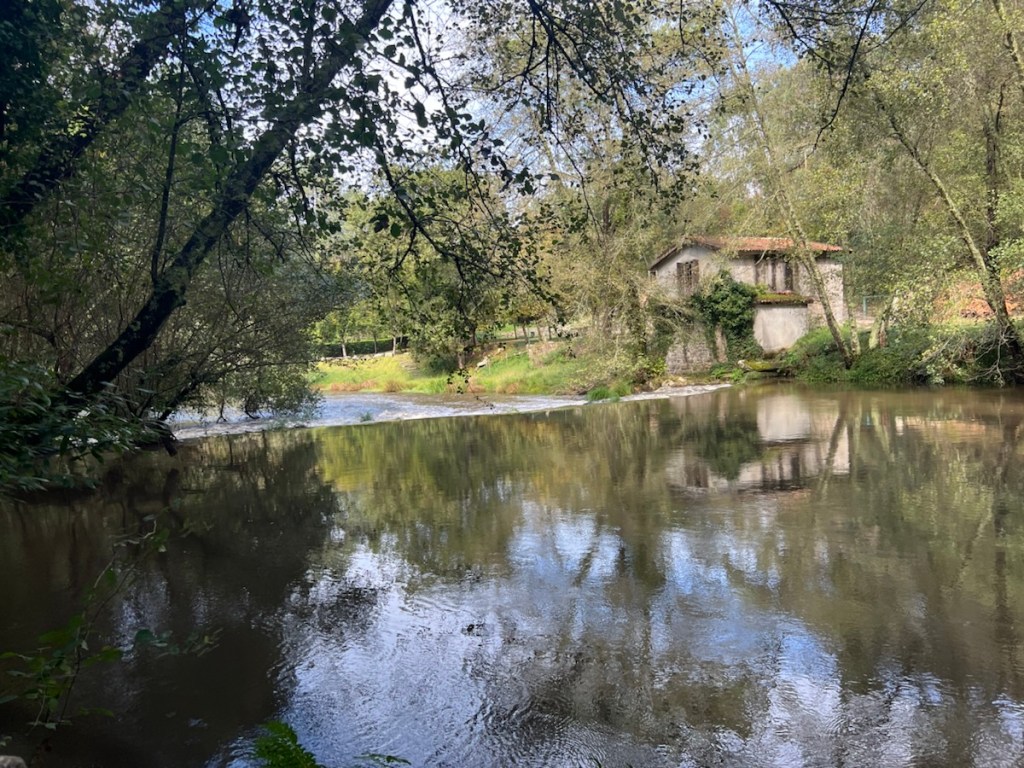
We left Caldas de Reis under a light drizzle—not quite rain, but the kind that sneaks up on you. Had it lingered, we’d have been as soaked as if it had poured all day. Luckily, it fizzled out before drenching us. The path out of town crossed a river and passed by public hot springs and fountains, places where people once gathered to bathe in days gone by. The town’s name, Caldas de Reis, roughly translates to “Hot Springs of the Kings,” a nod to the royalty who once flocked here for a bit of thermal relaxation.

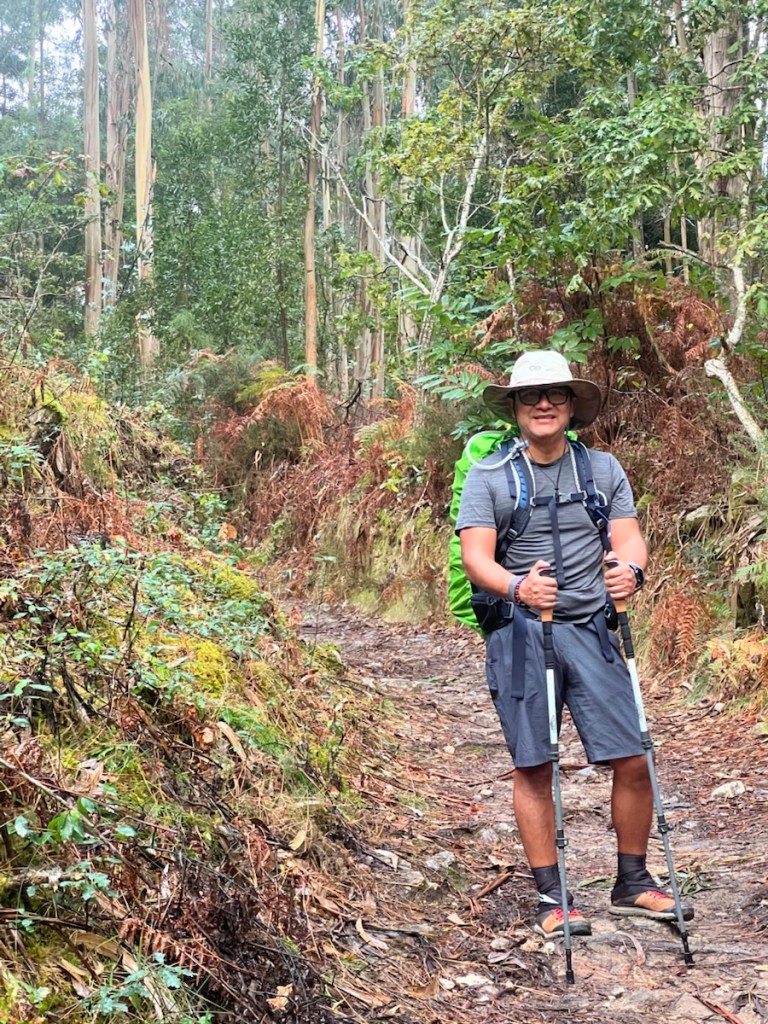
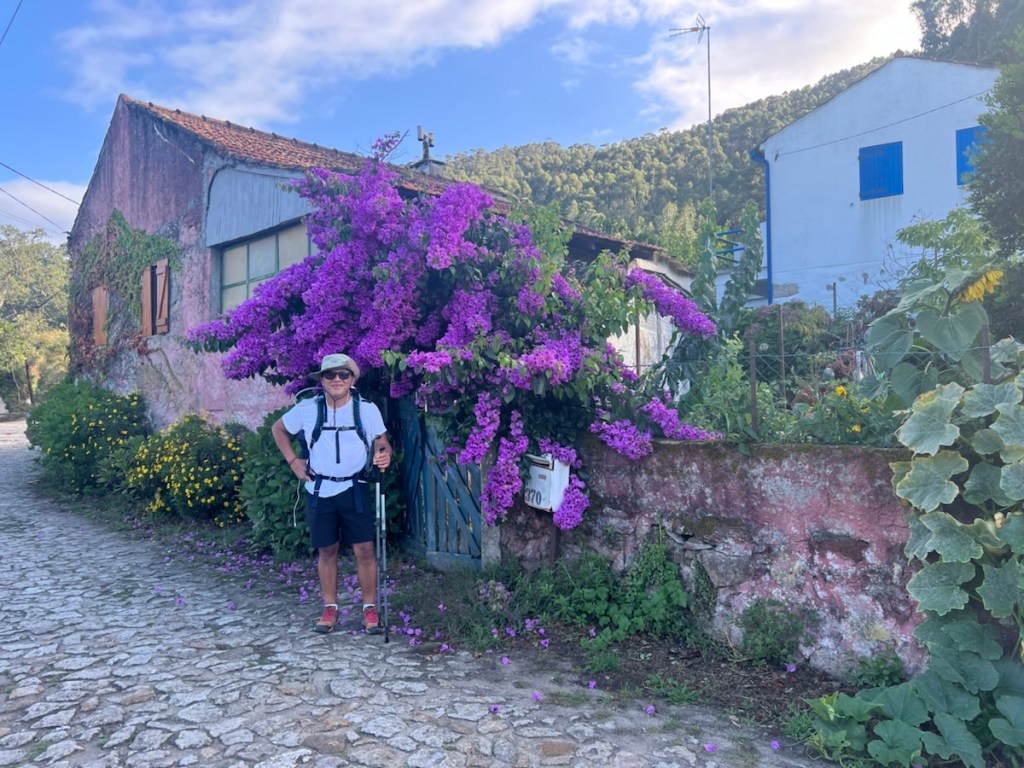
As we left the town behind, the Camino treated us to peaceful country dirt roads and mountain trails—a welcome break after over 500 kilometers of asphalt since Lisbon. These are my favorite parts of the Camino: forested paths, quiet mountain trails, and a chance to truly connect with the journey. Though the trail was still busy with other pilgrims, we were lucky to enjoy stretches of solitude. For brief, blissful moments, there wasn’t another soul in sight or earshot—just us and the serenity of nature.

On the way to Padrón, we stopped at a café to rest, and there he was—an elderly gentleman with a twinkle in his eye, selling Camino shell pendants. He had the gift of the gab, charming a crowd of women as he extolled the virtues of his pendants. In the half-hour I sat watching, he sold at least 20 or 30 of them. Naturally, I couldn’t resist—I bought two!

With tomorrow being our last day on the Camino proper, we decided to get an early celebration in. We splurged on dinner at a fancy parilla-style restaurant. It wasn’t a full-fledged fine dining spot, but it ticked all the boxes for hunger and celebration. The food was satisfying, and the occasion felt just right.
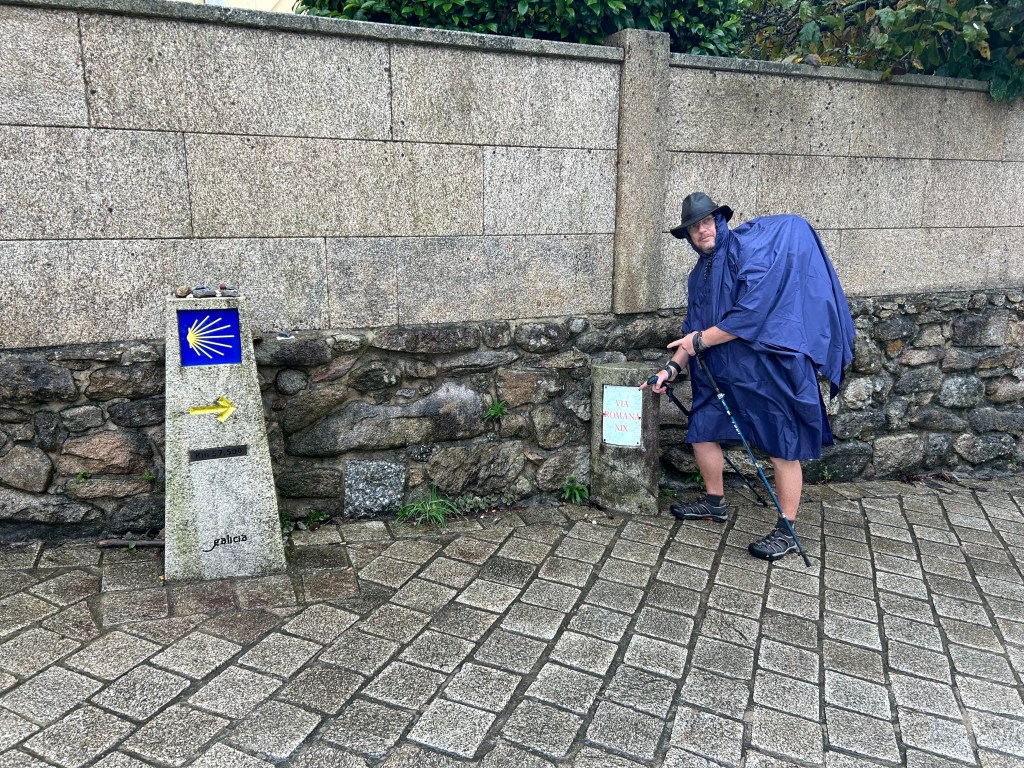
As we approached Padrón, memories from my last visit here nine years ago in 2017 began flooding back—where I stayed, where I ate, and the people I was with. The sights brought back a mix of joy and melancholy, a bittersweet reminder of how time reshapes the familiar. These reflections added a nostalgic layer to the day, making it all the more meaningful.
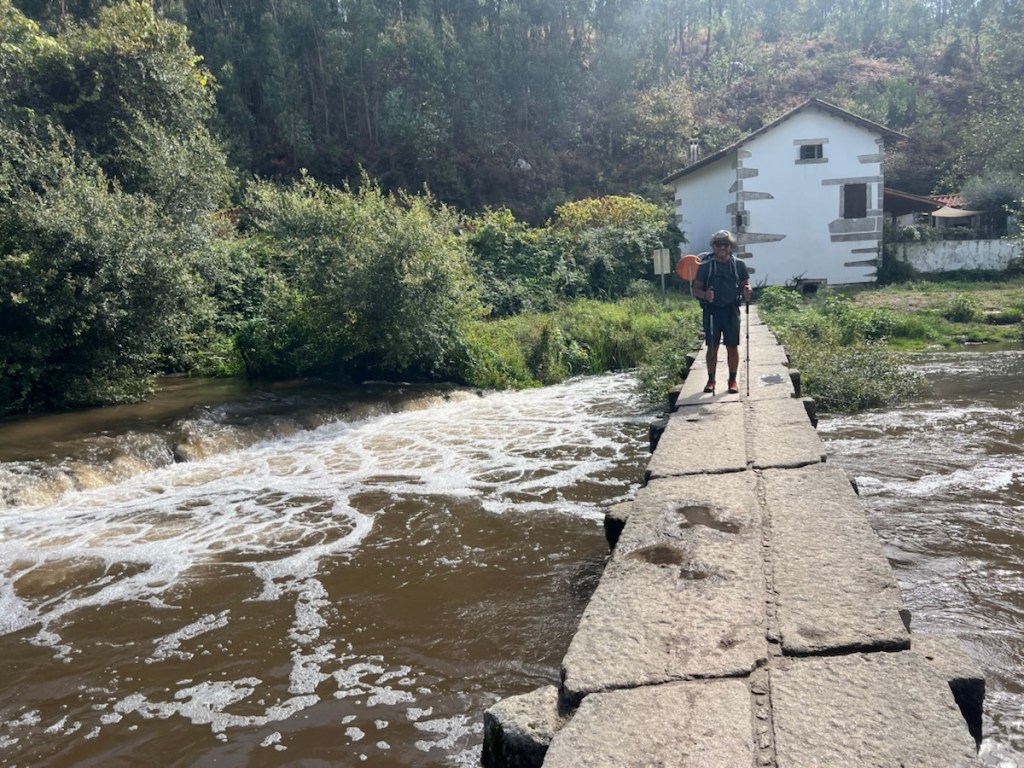
Tomorrow, the final stretch awaits. Santiago is almost within reach.

Day 17: Pontevedra->Caldas de Reis

https://www.mapmyfitness.com/workout/8196557014

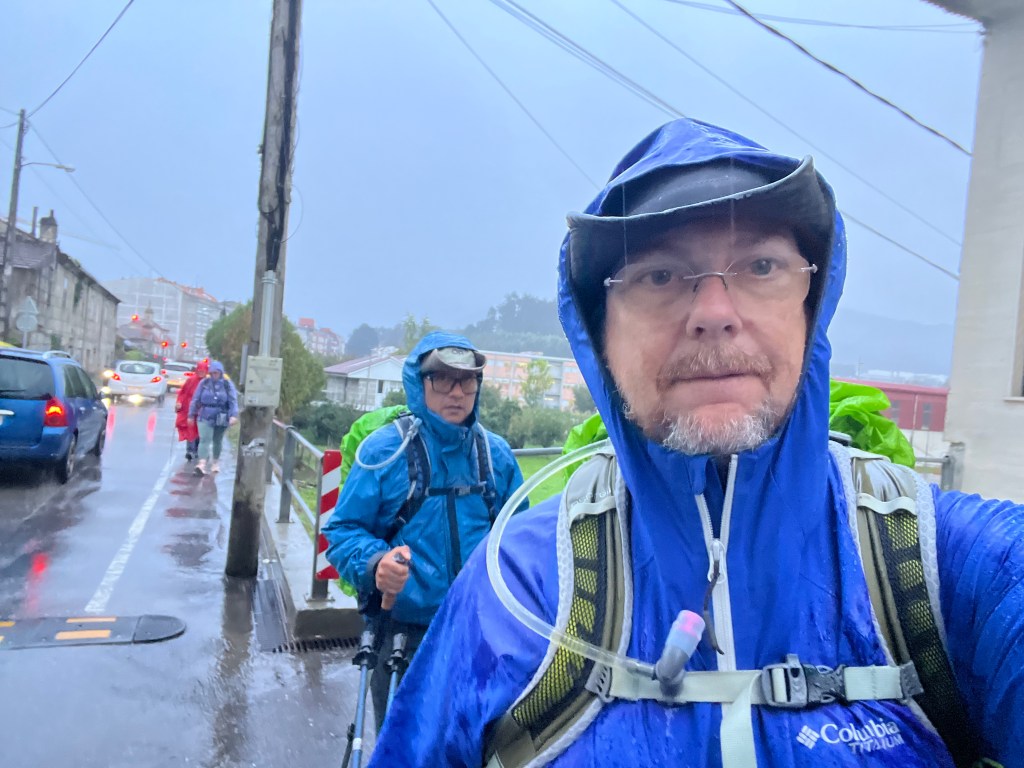
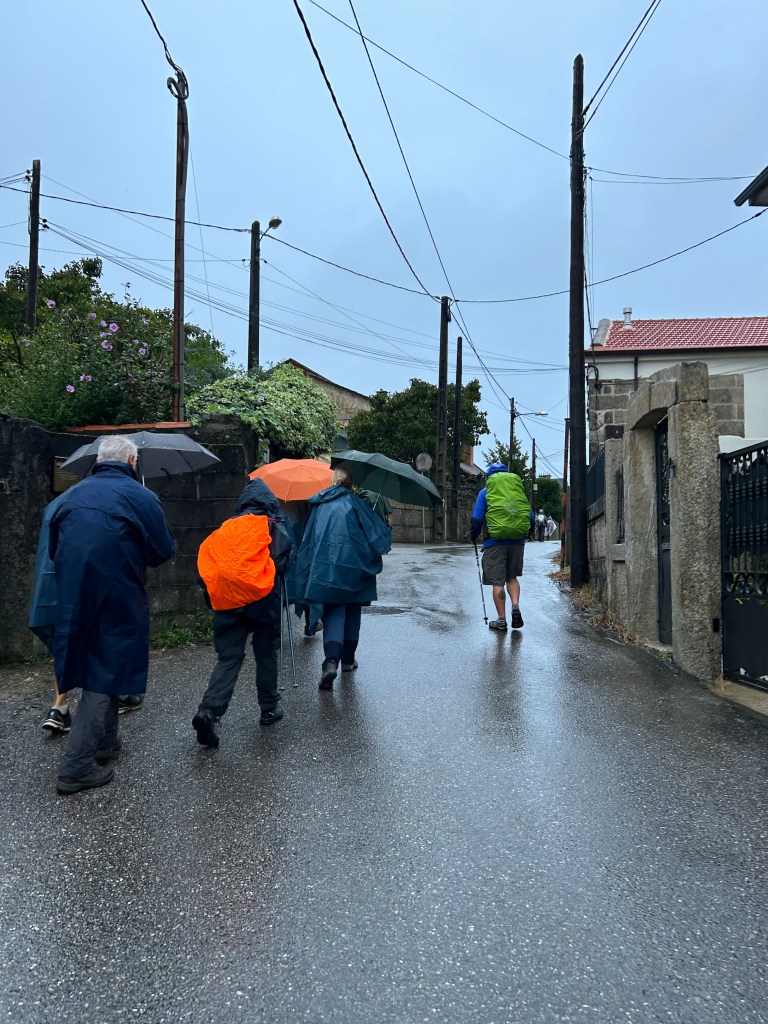
Another day, another donning of the rain gear as we left Pontevedra. It was clear the weather wasn’t going to cut us any slack. Walking in the rain with glasses is its own special brand of challenge: leave them on, and they fog up so badly you can’t see. Take them off, and—well, you still can’t see. Let’s just say the day’s views were a bit blurry for me, literally and figuratively.

The rain didn’t stop at my glasses; my hands became so waterlogged that my phone refused to recognize my fingers. Communicating with Luis turned into a game of voice-command roulette. Siri became our intermediary, but with multiple languages set on our devices, Siri had no clue what we were saying half the time. The results? Pure comedy. Mis-translated messages had us scratching our heads at first, but we soon learned to just laugh it off. Nothing like Siri to keep things interesting on the Camino!

At one point, the crowds separated us by more than a kilometer. When I finally reached Caldas de Reis, I found a café and waited for an hour, only to discover Luis had already passed me! He grumbled as he backtracked, and we reunited over lunch and some much-needed “liquid nutrients.” From our café perch, we people watched— all different types of people: pilgrims, locals, and tourists as they wove through the streets.

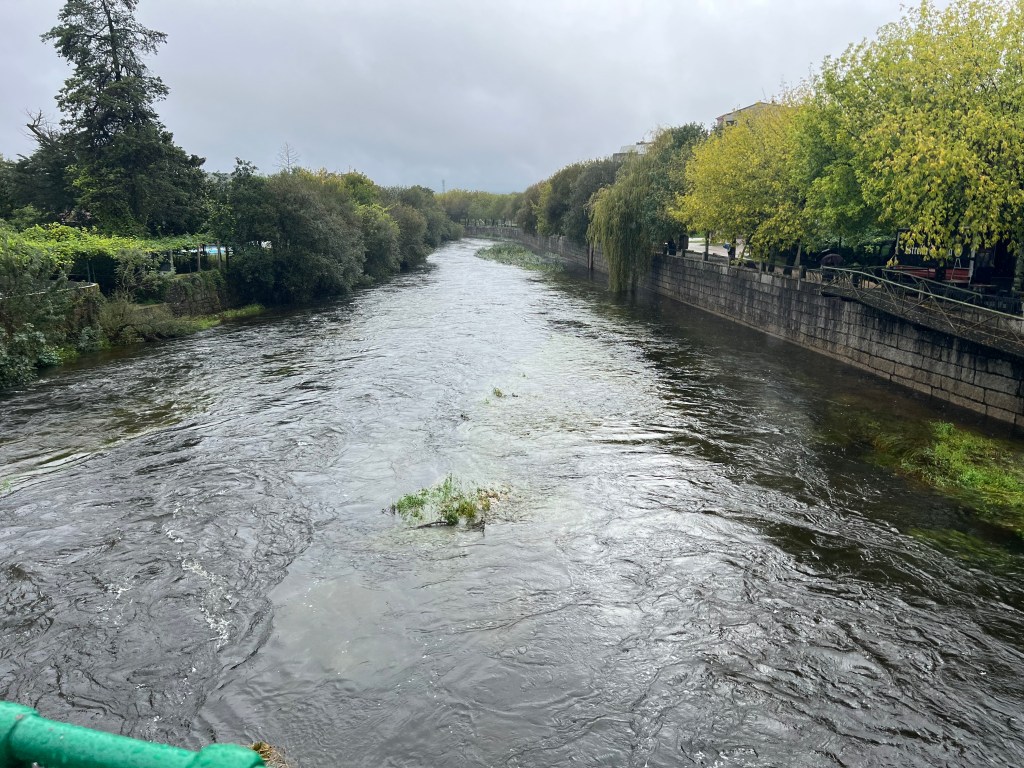
With just a few blocks left to walk, we weren’t in any rush, especially since we had reservations at a spa that evening. The spa, or balneario, was perched right on the river, with my room offering a view straight down into the rushing water. We spent the evening soaking up the comfort: hanging out at the bar, doing some laundry, and fully embracing the art of relaxation.

With only two days left to Santiago, the mixed emotions started to creep in. We were both thrilled and melancholic, excited yet reflective. Thrilled to be nearing the end, but sad that this incredible journey was wrapping up. Excited to see what revelations the Camino might bring in the coming weeks and months, but at peace knowing the memories we’d already made would stay with us forever.

Day 16: Redondela->Pontevedra

https://www.mapmyfitness.com/workout/8196119449

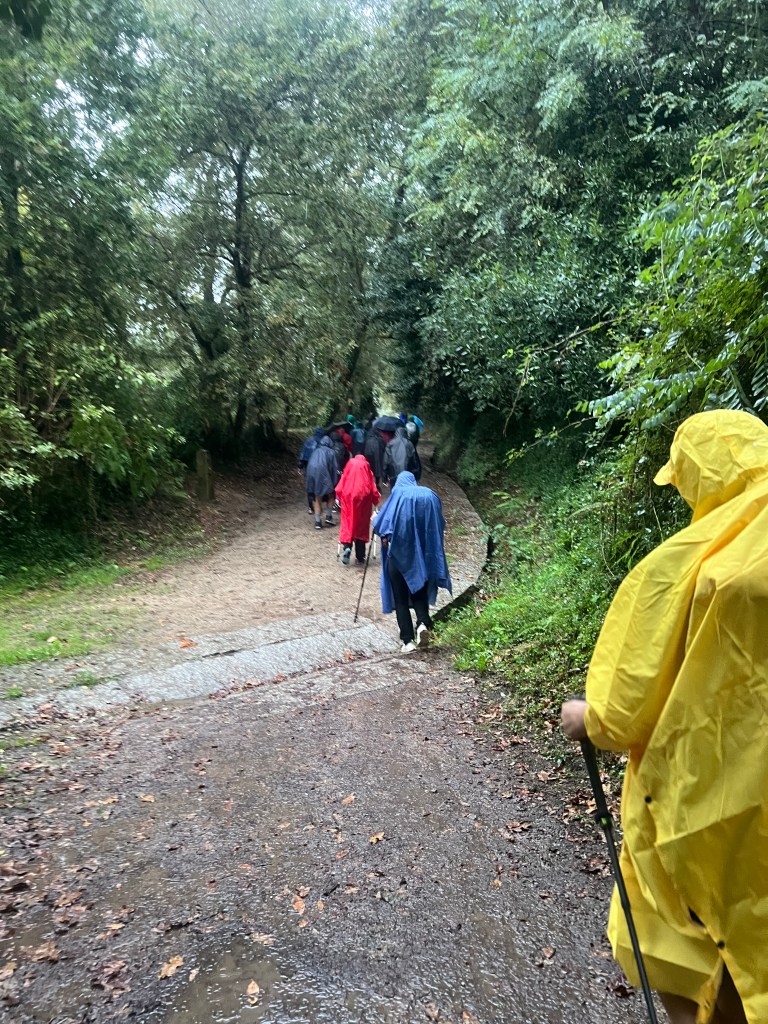
Redondela is a bustling junction where several Camino routes converge from the south, and being about 100 kilometers from Santiago, it attracts a steady stream of pilgrims. Translation: it’s a bit of a pedestrian traffic jam! Picture a constant flow of walkers, chatting away in groups of four or five, completely blocking the trail. Navigating this gauntlet wasn’t exactly easy, especially for someone like me who prefers a more introspective pilgrimage. Don’t get me wrong—I enjoy a good Camino chat, but there’s a time and a place for socializing.

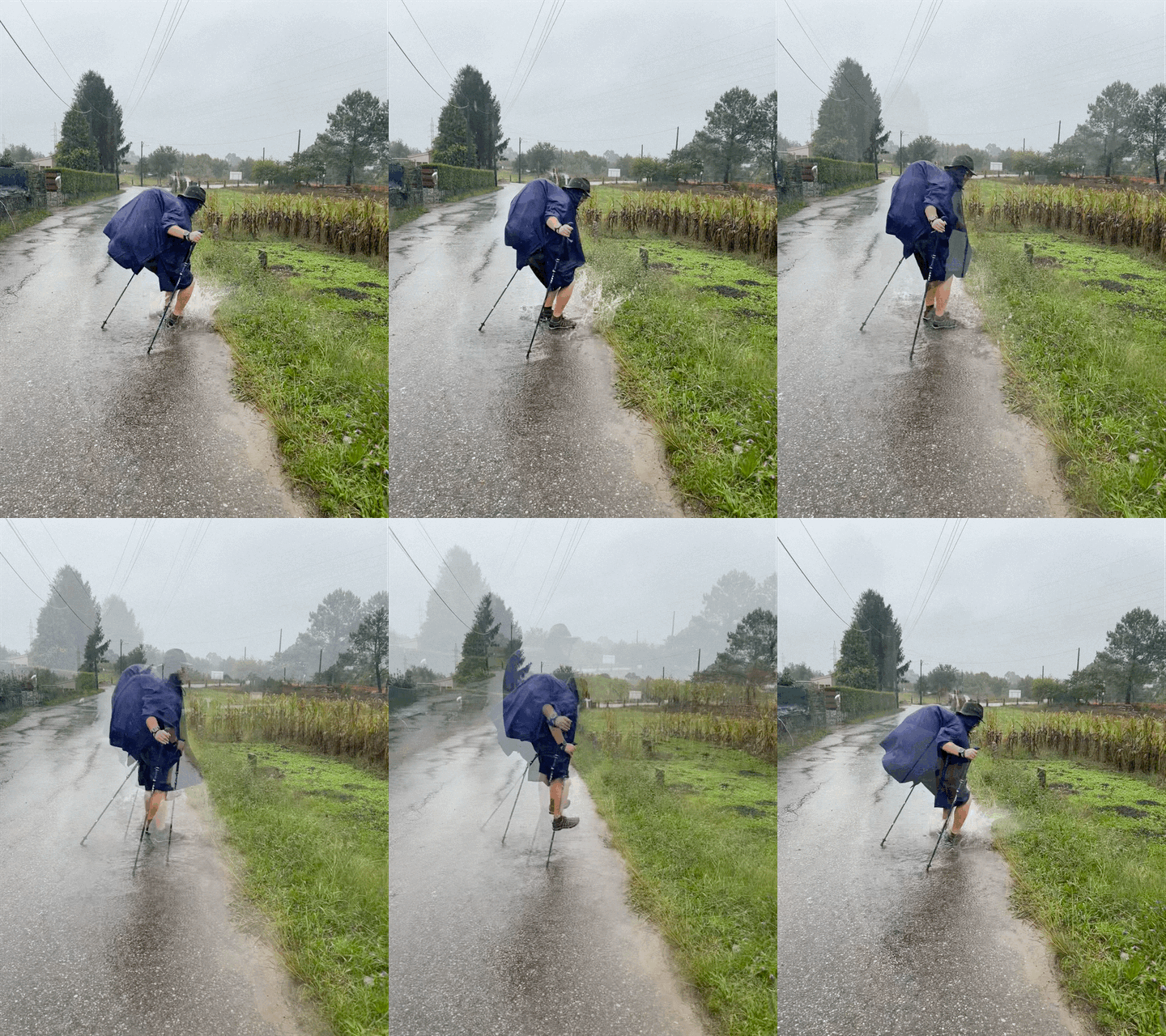
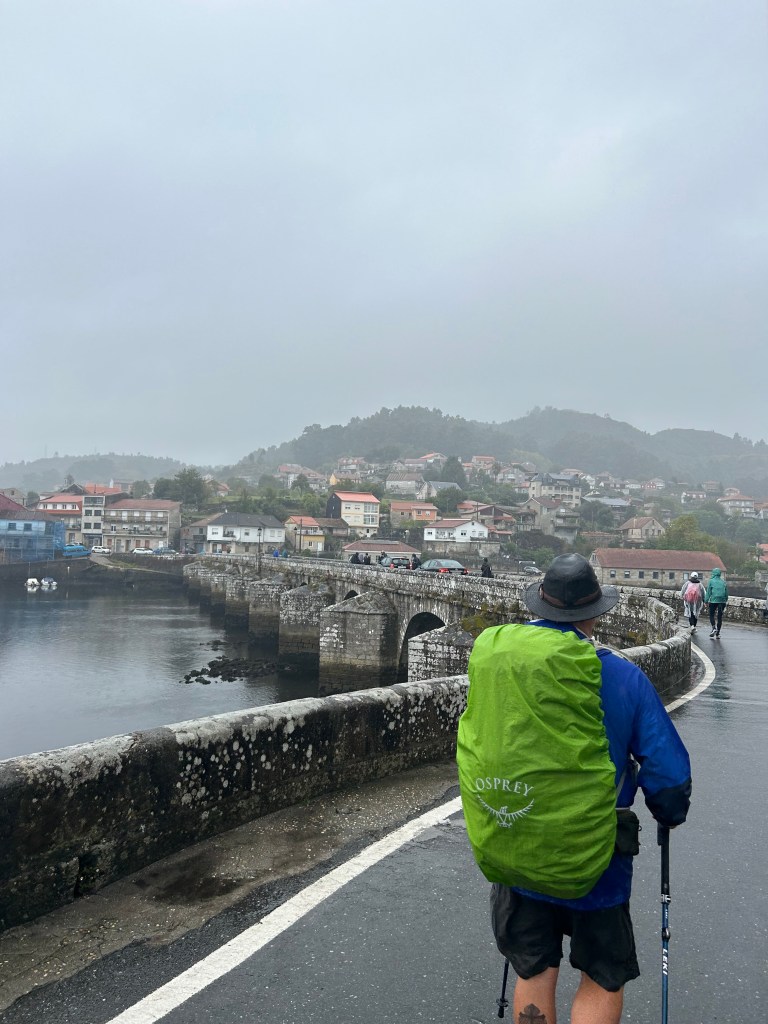
And then, there was the rain. Oh, the rain! It poured all day, soaking us right down to our bones. I had two layers of rain gear, and my backpack was triple-protected—it stayed dry (thankfully), but I was a walking puddle. My main strategy was simple: escape the crowds. Spoiler alert: the crowds were relentless. At every village, I hoped for a cozy café to dry off and warm up, but the cafés were packed to the brim with other waterlogged pilgrims. With their doors wide open and soaked patrons shedding rain everywhere, it was just as wet inside as out. So much for drying off.

By the time we finished the day’s trek, we decided we’d earned a little comfort. We booked a hotel for some much-needed relief—warm showers, adjustable heat, and, most importantly, space to spread out and actually dry off. After a long, wet slog, it felt like pure luxury. Sometimes, you’ve got to treat yourself, especially on a day like today!

Day 15: Nigrán->Redondela


Today was meant to be a 20km day, but we didn’t want to end up with an ultra-short day later, so we decided to combine two stages and walk right through Vigo.

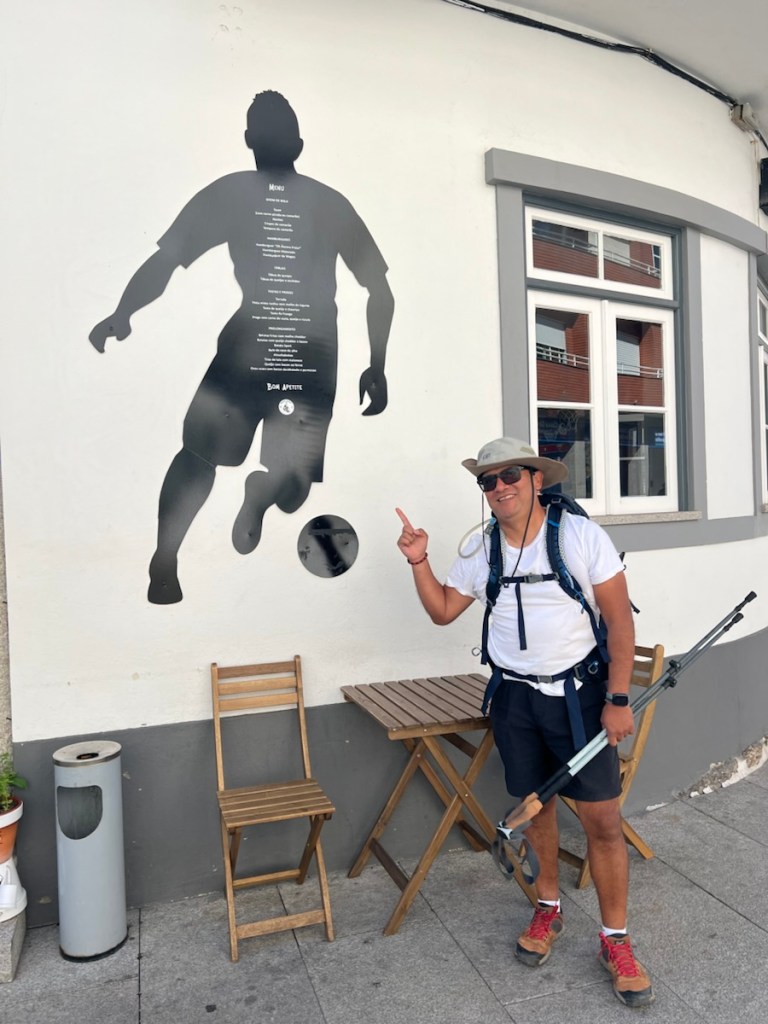
The walk took us over a mountain, through beautiful forests filled with waterfalls and archaeological sites. As we approached Vigo, we passed through an industrial area and then along a lovely river walk that stretched for about 6 km. The river led us by the Vigo fútbol stadium and the Citroën factory, which, according to one enthusiastic local, are the heartbeat of Vigo.

I hadn’t fueled up properly in the morning rush, so by the time we arrived in Vigo and sat down for lunch, I was completely wiped. That’s when I made the executive decision: we’d take the train for the last 12 km. And thus began our little train adventure.

We headed to the train station to buy tickets from Vigo to Redondela. The attendant, for reasons unknown, seemed to be on a mission to confuse us, sending us on a wild goose chase—go downstairs, look for a ticket booth, then back upstairs and over to another platform. It turned out that the ticket machine was conveniently located… right outside the ticket office. Classic!

Tickets in hand, we had a two-hour wait. The waiting area was right outside security, which felt a bit like airport security. Our train wasn’t on the board, but when security opened, we went through. They checked our tickets and promptly told us we were too early—30 minutes early, in fact. 🤷‍♂️ So, we sat down between security and the platform… and were immediately ushered back out by security. We had to wait outside.

After 30 more minutes, we went through security again, only to be told by the platform agent that we were at the wrong station and needed to go a few blocks to the other one. Huh?

So, we ran—getting a little lost in the maze of the train station and shopping mall—until we finally found the right station and platform. Turns out, the first station was for long-distance trains, while the one we needed was for local commuter trains (which, by the way, use the same tracks).

Settling into our seats, I checked the train details: Redondela, yup, that’s our stop. Time to relax for 10 minutes. Or not…

As I glanced at Google Maps, I realized there were two stations in Redondela. We needed the second one, so we stayed on the train. But… it didn’t stop at the second station. And suddenly, we were on our way to Pontevedra—the place we were supposed to walk to the next day! Meanwhile, we had a reservation in Redondela for the night.

A quick search showed there was only one train back to Redondela, and it left just before we’d arrive in Pontevedra. Uh-oh. I started scrambling to find a new place to stay, only to discover everything was fully booked.

As we got off the train and crossed platforms, we stumbled upon a sign showing the next train’s destination… and wouldn’t you know it, it was for Redondela, and it was running late! Woot!

There was some back-and-forth about whether we’d need to buy new tickets, but we thought, “Screw it, we just overstayed our ride a bit.” The train arrived, and the next stop? Redondela, the one we originally wanted.

I have no idea how all of that worked out, but it did. The Camino provides…


Day 14: Mougas->Nigrán


The walk from Mougás to Baiona was stunning, with the coast as our constant companion. As the navigator, I managed to miss an arrow and just kept walking. Who knows if it made the journey longer or shorter, but it was flat and beautiful—well, except for all the asphalt!

The weather was on our side, with no rain, and as we approached Baiona, familiar sights began to pop up. We stopped in town for a delicious late breakfast at a café run by a friendly young Colombian couple.

Afterward, we decided to stray off the Camino on purpose this time, wandering along the waterfront and trails around the bay. Families and tourists were out, soaking up the outdoors and enjoying the break from the rain.

Nigrán, a small town about 4-5 km from Baiona, was charming but a little pricey, nestled in a touristy area. Its small, winding streets offered plenty of possible routes, though only two were official. The locals were more than happy to help us find our way—or just stop for a chat!


Day 13: Caminha -> Mougas

https://www.mapmyfitness.com/workout/8189641021

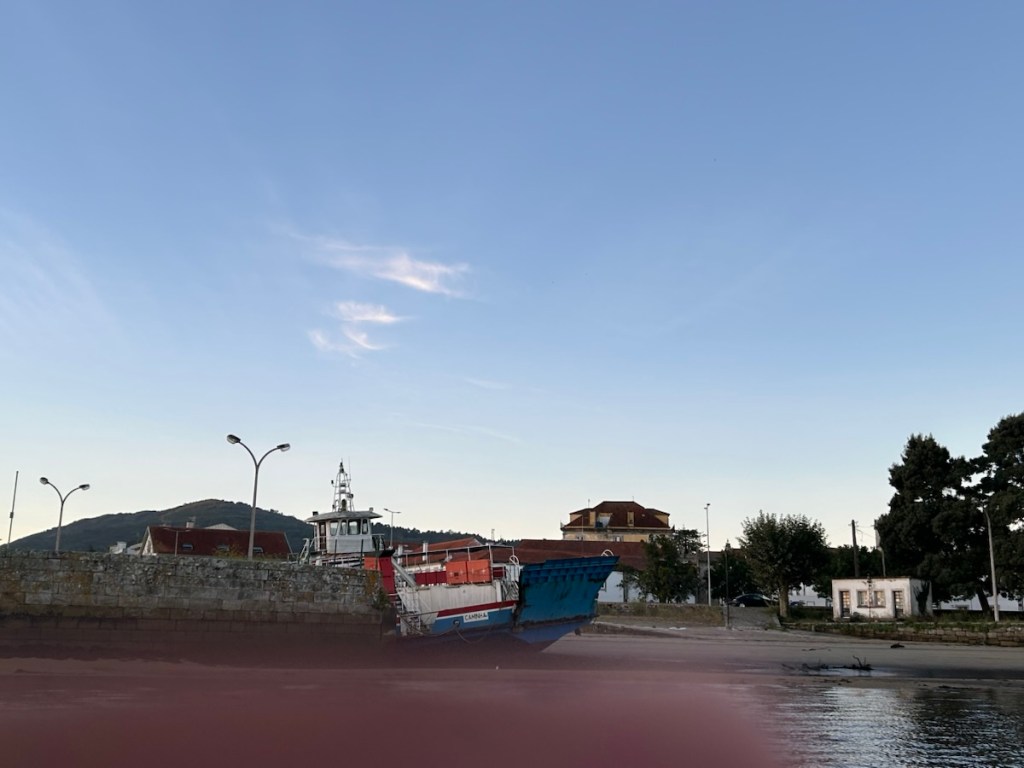
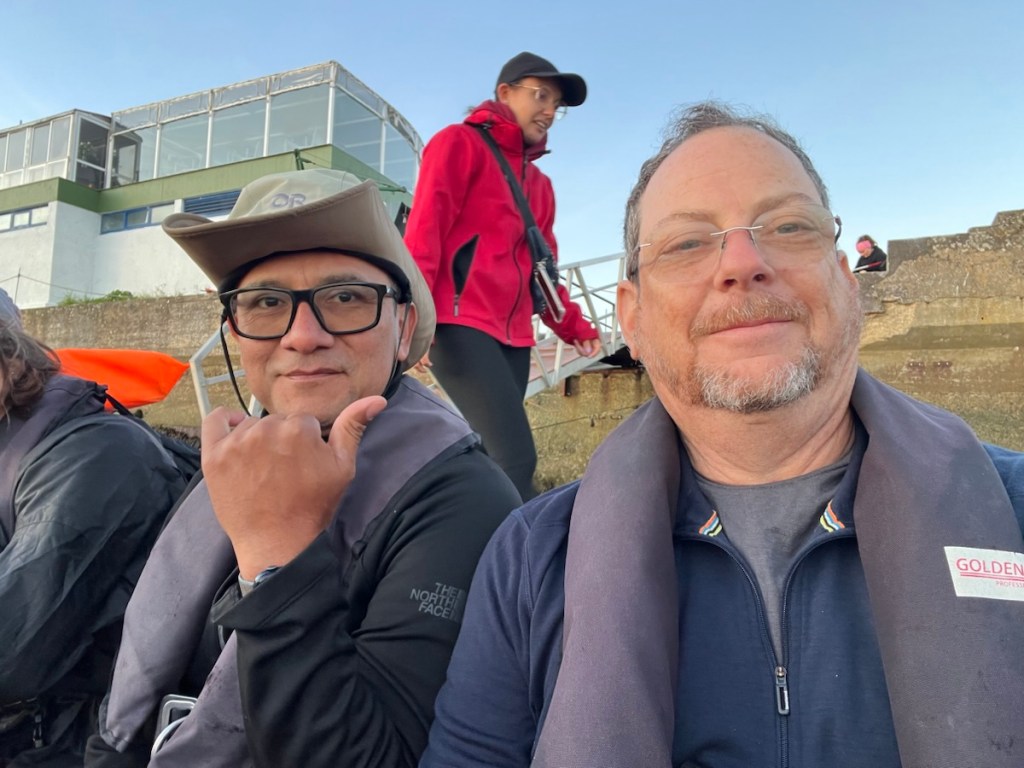
Saying goodbye to Portugal, we got up early and walked a few blocks to the pier to catch a water taxi. It was overbooked—double the capacity—with only room for 8 people in the little boat, probably the same one I took across the river seven years ago. The other eight had to stay behind, waiting for the taxista to come back for them.

Though the water was calm, it was pretty chilly, cold enough for me to pull on my gloves for the ride over.

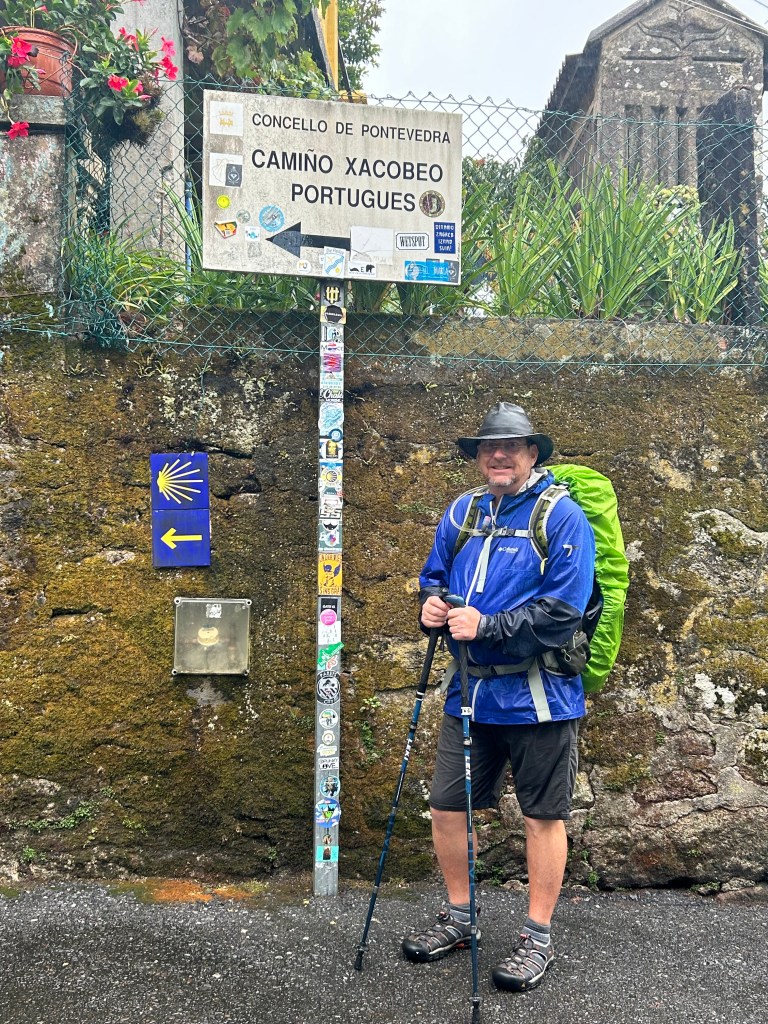
With our goodbyes to Portugal behind us, we landed in Spain and made our way up the hill to A Guarda. We had two options: climb up and over the hill, or take a longer, 4km detour along the coast. We chose the climb. About a third of the way up, a local stopped us and insisted that we take the back route, saying it was shorter, wiser, and conveniently led past his brother’s bar. But that path would have put us on the highway, and while the climb was marked with the familiar yellow Camino arrows, the alternative wasn’t. We stuck to the established path, but the others trusted the local over the guidebooks and went around.

We avoided the highway and instead walked through a beautiful eucalyptus forest.

As we entered A Guarda, my phone buzzed with a welcome message from my mobile carrier, reminding me to switch my eSIM from Portugal to Spain. That’s when I noticed the time change—despite being on the same longitude as Galicia, Spain is an hour ahead of Portugal. Looks like we’ll be losing an hour of sleep tonight!

Day 12: Viana do Castelo->Caminha

https://www.mapmyfitness.com/workout/8186699269

Our last day walking in Portugal turned out to be beautiful. The weather was perfect, with clear blue skies and temperatures in the low 60s. We enjoyed a variety of walking surfaces, mostly staying about 75 meters above the ocean and around 500 meters from the shore, which gave us stunning views. As we wound our way through charming villages, we passed everything from old, timeworn houses to brand-new ones being built by expats with deep pockets.

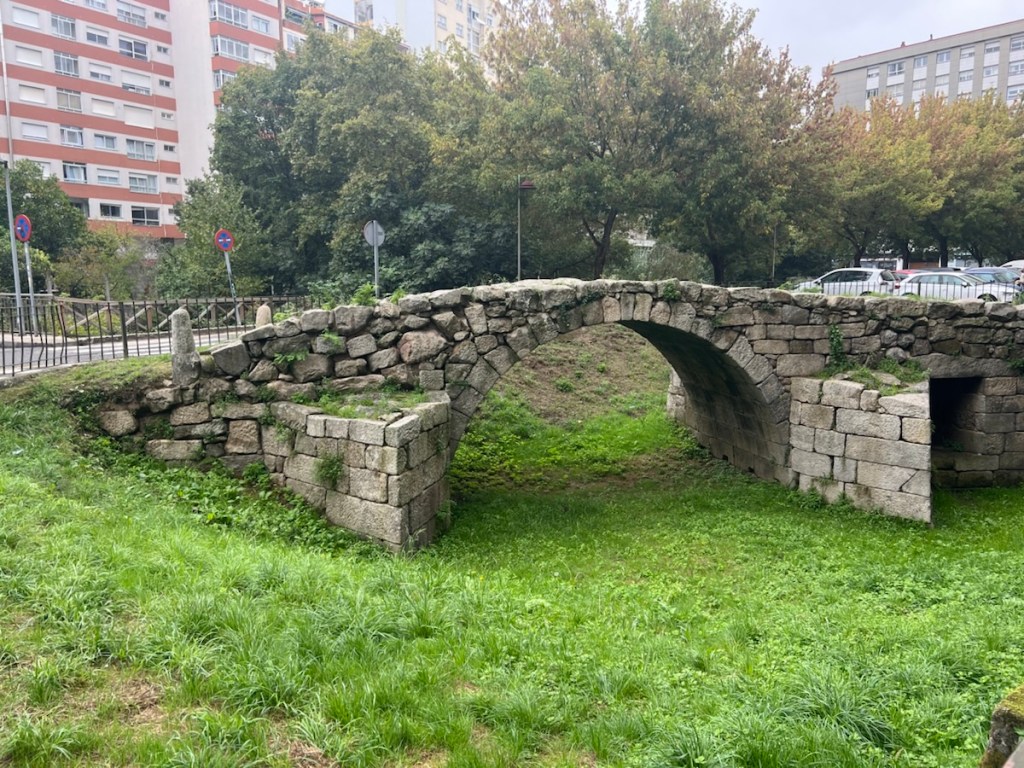
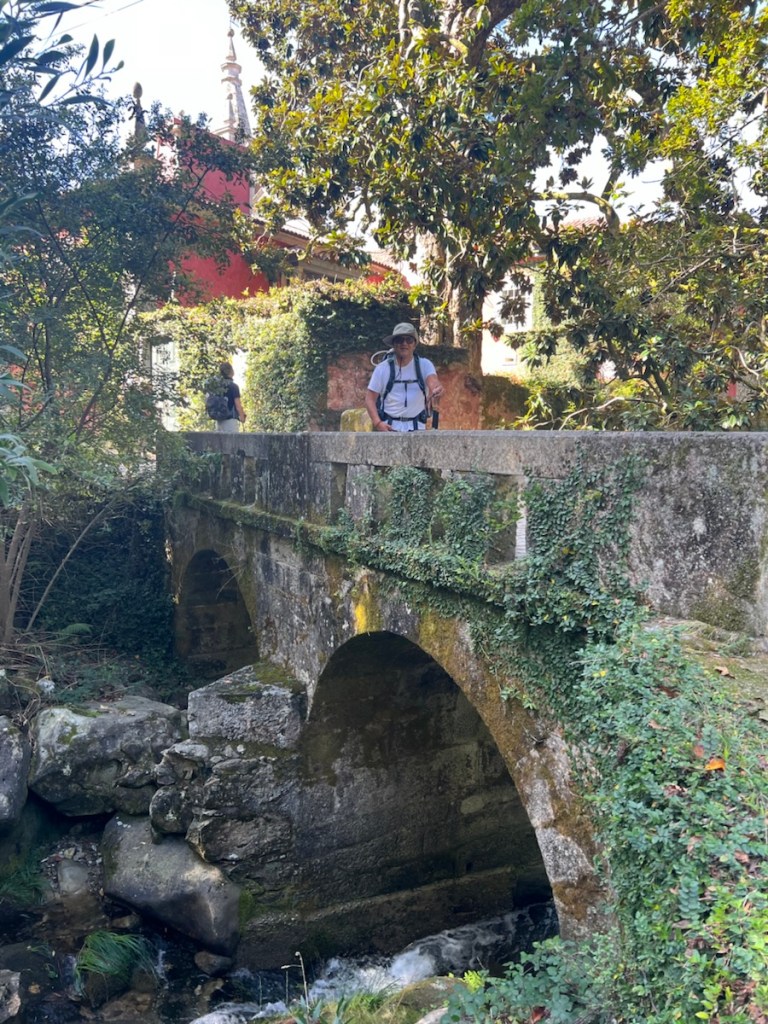
The day’s journey took us through forests, along ancient Roman roads, over Roman bridges, and even past old public laundry houses, where locals once gathered to gossip while washing clothes.

It was a long day, made a little longer by a few navigational hiccups (thanks to me), while our historian/photographer, Luis Armando, confidently kept walking straight on the right path.

Finally, we arrived in Caminha, the last town in Portugal before crossing the river by water taxi the next morning. We got there a bit late but managed to secure the last spots in the albergue—just in time! After the usual laundry routine, I found a restaurant I’d eaten at years ago where I had previously met a few life-long Camino friends. The food was just as delicious as I remembered!

Day 11: Esposende->Viana do Castelo

https://www.mapmyfitness.com/workout/8186699269

Back in 2017, when I last walked this route, finding a place to stay was a breeze. But this time, as we stopped for lunch in Fão, just before Esposende, we were greeted by a sight that made me do a double-take: hundreds of pilgrims! Knowing the town from before, I realized there definitely weren’t enough beds for all these people. A few quick WhatsApp messages later, I managed to snag a reservation. While I was at it, I went ahead and booked a place for the next town too—just in case!

The walk from Esposende to Viana do Castelo was a welcome break after two days of battling wind and rain. It was fairly easy, and for the first time, we left behind the asphalt, cobblestone, and boardwalks. Instead, we found ourselves walking through forests, alongside rushing rivers, and even over 2,000-year-old Roman roads—wagon tracks still etched into the stone.

There was one hill that took us up to a beautiful Church of Santiago, where many pilgrims, including us, paused to take pictures. From there, we hiked through a eucalyptus forest that eventually led us down into charming little towns, and finally into Viana do Castelo.

Viana do Castelo was lovely, with its old streets and tempting bakeries. I remembered that in 2017, I’d arrived here before noon, and not wanting to wait for the albergue to open, I decided to hop on a train to the next town. The only problem? I fell asleep and ended up having to catch another train back!

Day 10: Vila do Conde -> Esposende

https://www.mapmyfitness.com/workout/8184844264

Today was the second day in the rain. It rained harder and the wind was blowing, but for some reason my feet (in sandals) stayed dry today. My shorts were soaked but then the rain stopped and the wind blew them dry. The saving grace with the rain and wind is that the wind is coming from behind and therefore our faces are spared from water boarding.

Today was a comfortable 24km, about 60% on boardwalk, 30% asphalt, and the remaining 10% on dirt roads. With the overcast, it makes it a bit difficult to appreciate the countryside and the coast as all you see are the whitecaps on the water, and clouds and mist/rain on the interior.

One of my observations on this trip is that the Camino de Fatima and the Camino de Santiago, and ever the Camino Portuguese and the other Caminos to the north are vastly different cultures. I’m not talking Portugal vs Spain, I’m talking the Camino culture. Most people start the Camino de Santiago Portuguese in Porto and not Lisbon. Very few start in Lisbon. In the “wave” of pilgrims from Lisbon, there were perhaps 6-10 other pilgrims and they were far enough apart that we didn’t see each other except at cafes along the way or at restaurants in the evening. From Porto, the wave is several hundred long spanning over an hour or two. If you’re at the beginning of the wave, and stop to eat, it seems like up to 100 or more pilgrims will pass you.

The demographics of the Portuguese route vs the French way are also very different. Here, there are very few people under 30, and most are over 50. On the French way, ages span from teenagers to retirees with what appears to be a fairly even spread.

The Camino de Fatima is usually walked by people of faith where the Portuguese route for the Camino de Santiago seems to be walked mainly by people on holiday. I don’t have any opinions either way, I do find it curious though.

I am also surprised to see how many people in Portugal speak English. With very little effort to learn Portuguese, one could live here and get along in English if they had to. I speak to and DM people in Portuguese or Spanish and they respond to me in English. Could be my +1 phone number, my name, or my “American” appearance.