There is something special about the Camino that goes beyond just walking from one town to the next. It is not just a hike—it is a shared journey, one that connects you to a long tradition of pilgrims from all over the world. But with that shared journey comes a set of unwritten rules—the do’s and don’ts of life on the trail. Some are practical, some are about respect, and some exist purely to prevent a full-blown international incident in a crowded albergue at 3 a.m. Understanding these unspoken rules will make your Camino smoother, more enjoyable, and more meaningful—not just for you, but for everyone walking alongside you.
First things first—if you take nothing else from this, remember this phrase: “Buen Camino!” While the words mean “Good Road/Way”, it’s meanings are more complex and you will say it constantly—to fellow pilgrims, to locals, to the person passing you on the trail, to the old man in the village who gives you a thumbs-up. It is more than just a greeting—it is a recognition that you are on this journey together. And trust me, there is something magical about hearing it, especially on a tough day. When someone says “Buen Camino” to you, say it back.
Albergues are the heart of the Camino experience, offering cheap beds, shared meals, and some of the best and worst nights of sleep you will ever have. If you have never slept in a communal dormitory with 30 strangers, congratulations—you are about to earn that life experience. The key to surviving albergue life is simple: respect. Arrive and check in early—most albergues open in the afternoon and fill up fast, operating on a first-come, first-served basis. Keep your gear organized—no one appreciates a backpack explosion. If you need to wake up early, do not be an alarm clock terrorist—pack your bag the night before and, for the love of all things holy, do not rustle plastic bags at 5 a.m. Showers should be quick—others are waiting in sweaty misery. Snoring happens, so bring earplugs and do not take it personally if someone gently nudges you in the night. And always, always be kind to the hospitaleros, the volunteers who run the albergues. A smile and a simple “gracias” go a long way.
Every pilgrim is different. Some walk fast, some slow. Some carry their own bags, others send them ahead. Some have been planning this for years; others decided on a whim. And guess what! All are valid. There is no “one right way” to do the Camino. If you start judging other people—“Oh, they are not a real pilgrim because they are taking a bus today”—congratulations, you have missed the entire point of the Camino. Walk your own Camino. Let others walk theirs.
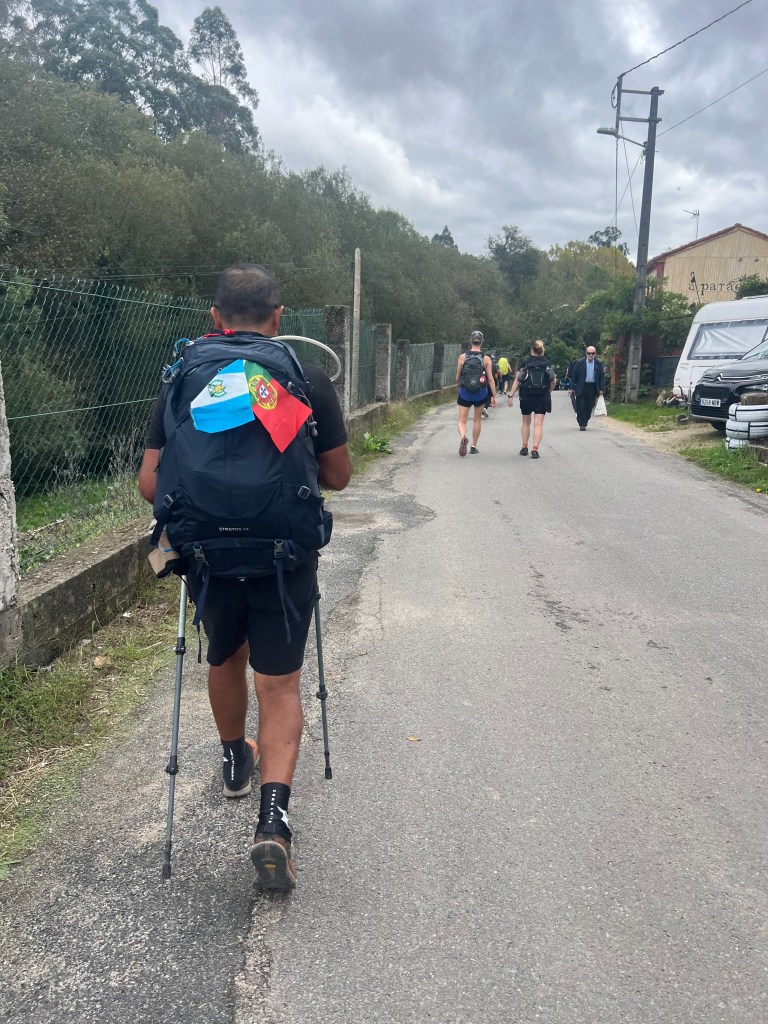
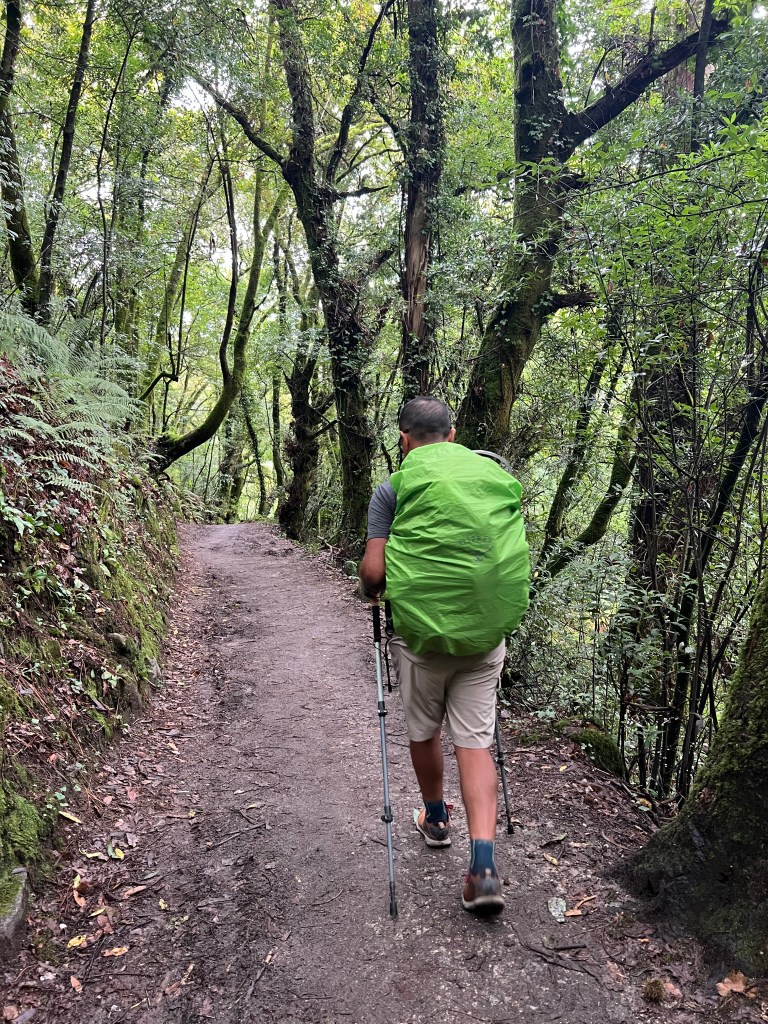
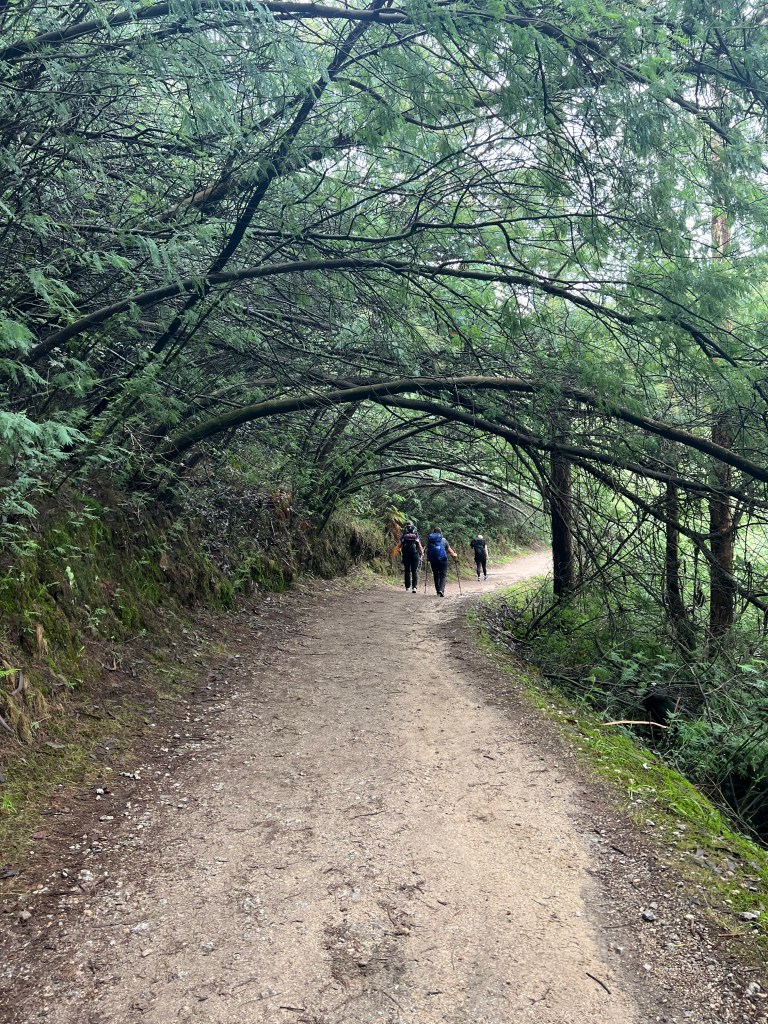
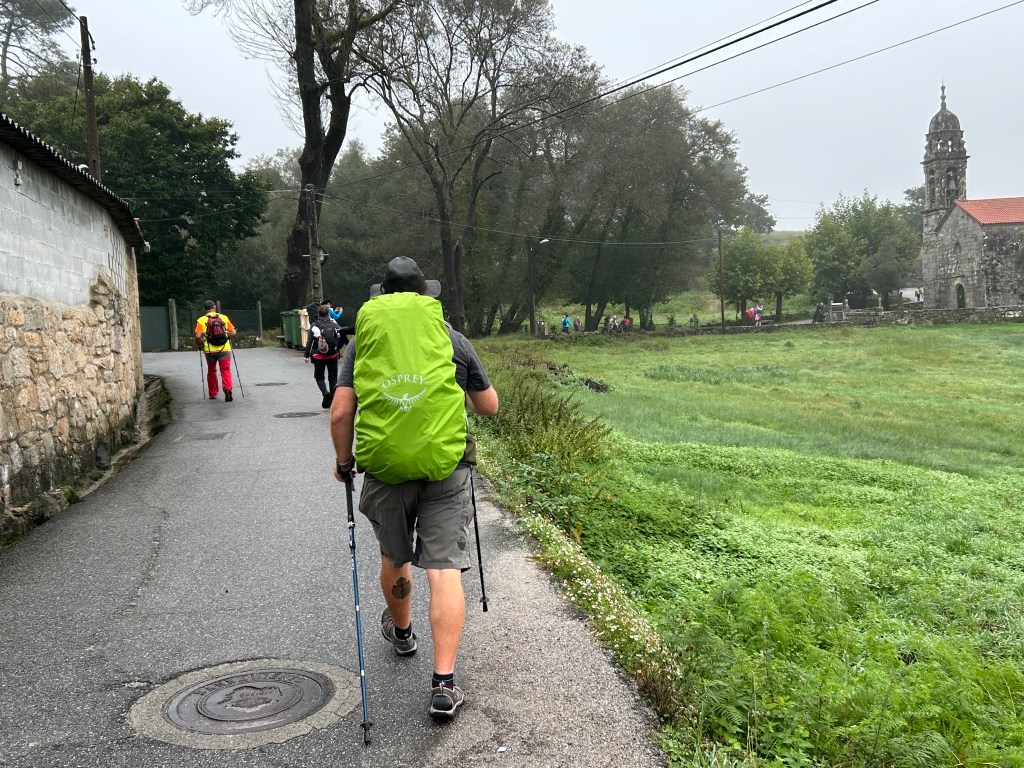
Out on the trail, basic courtesy makes the journey smoother for everyone. Stay to the right and pass on the left. If you need music, use headphones—do not blast it on speaker. Say “Buen Camino” when passing another pilgrim—it is just good manners. Respect the locals—this is their home, their farmland, their church, their town. Be polite. And most importantly, leave no trace. If you carried it in, carry it out. Littering on the Camino is not just bad form—it is a direct insult to the very path you are walking.
Food on the Camino is more than just fuel—it is an event, a time to swap stories, rest tired legs, and bond with strangers over a shared bottle of wine. Pilgrim menus offer simple, hearty meals—three courses, often including bread, a main dish (meat, fish, or pasta), dessert, and what seems like unlimited wine. Yes, wine is included. Mornings start light, which is why second breakfast is a sacred Camino ritual—coffee, toast with tomato and olive oil, fresh-squeezed orange juice, and a pastry to keep you going. Some days, a picnic lunch is the best option—fresh bread, cheese, and fruit enjoyed on a quiet hilltop. Hydration is key—drink lots of water, even when wine is tempting. If you do not, your body will remind you (and not in a nice way).
One of the most beautiful things about the Camino is the random acts of kindness between strangers. A pilgrim struggling with blisters? Someone will offer tape. A fellow walker feeling discouraged? A simple “You are doing great” can mean the world. Some pilgrims leave handwritten notes, drawings, or little tokens at rest stops—small gestures that remind you that this is not just a walk, but a shared human experience. And just when you need it most, the Camino often provides—someone will offer exactly what you need, exactly when you need it.
Not every day will be magical. Some days, you will feel amazing—like you could walk forever. Other days, your feet will hurt, your energy will crash, and you will wonder why you ever thought this was a good idea. This is normal. The Camino will test your patience, endurance, and ability to let go of control. It will remind you that you are not in charge—the Camino is. And just when you think you have had enough, something will happen—a breathtaking sunrise, a stranger’s kindness, a perfect meal after a long day—and suddenly, you will remember why you are here. Because the Camino is not just a walk. It is a lesson in slowing down, embracing the unknown, and being fully present. And if you can do that? You will understand why people keep coming back.
Buen Camino.













 Pizote Adventures