Day 10? on the Trail to Potes: Detours, Pumas, and Pickled Victory

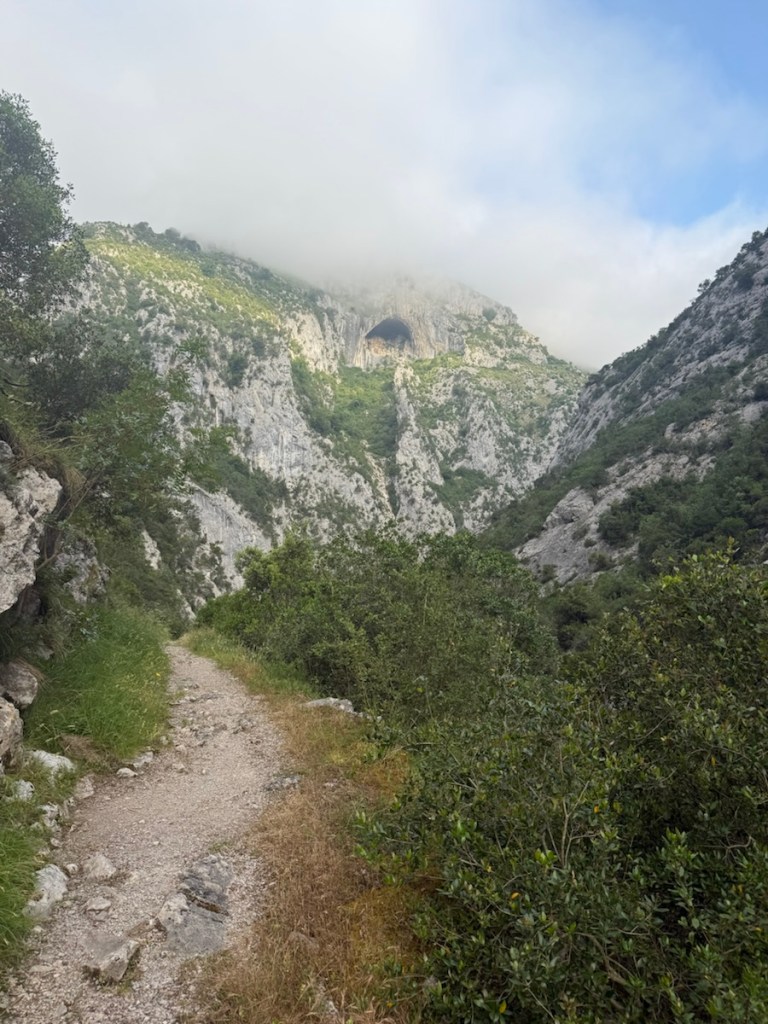
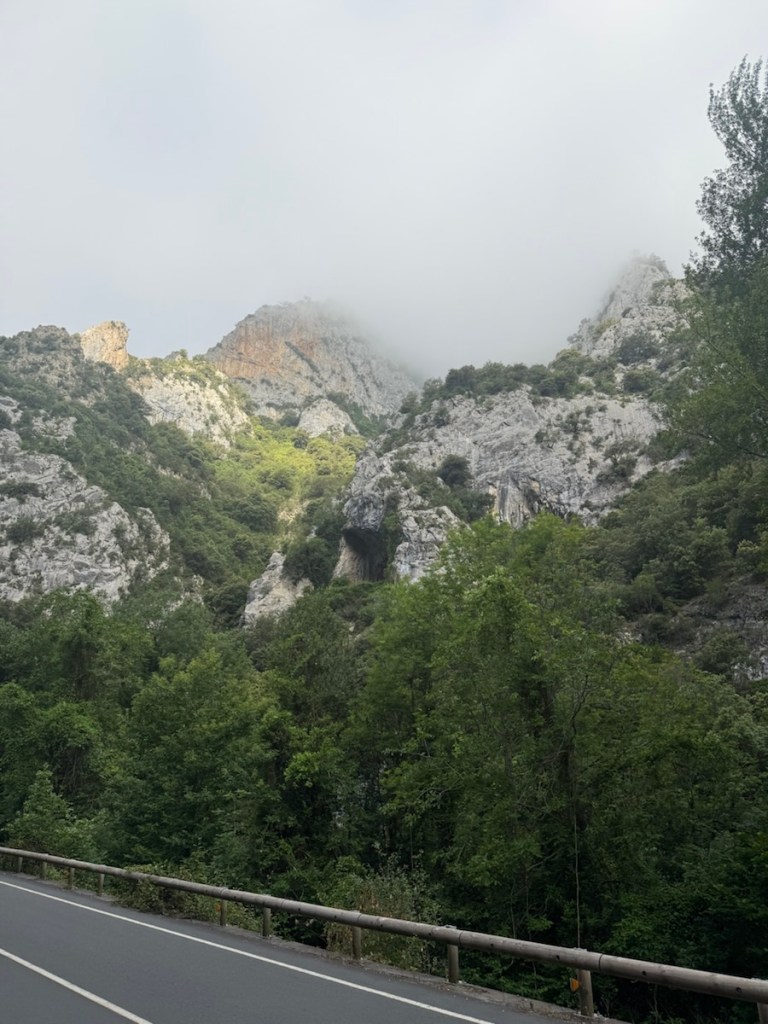
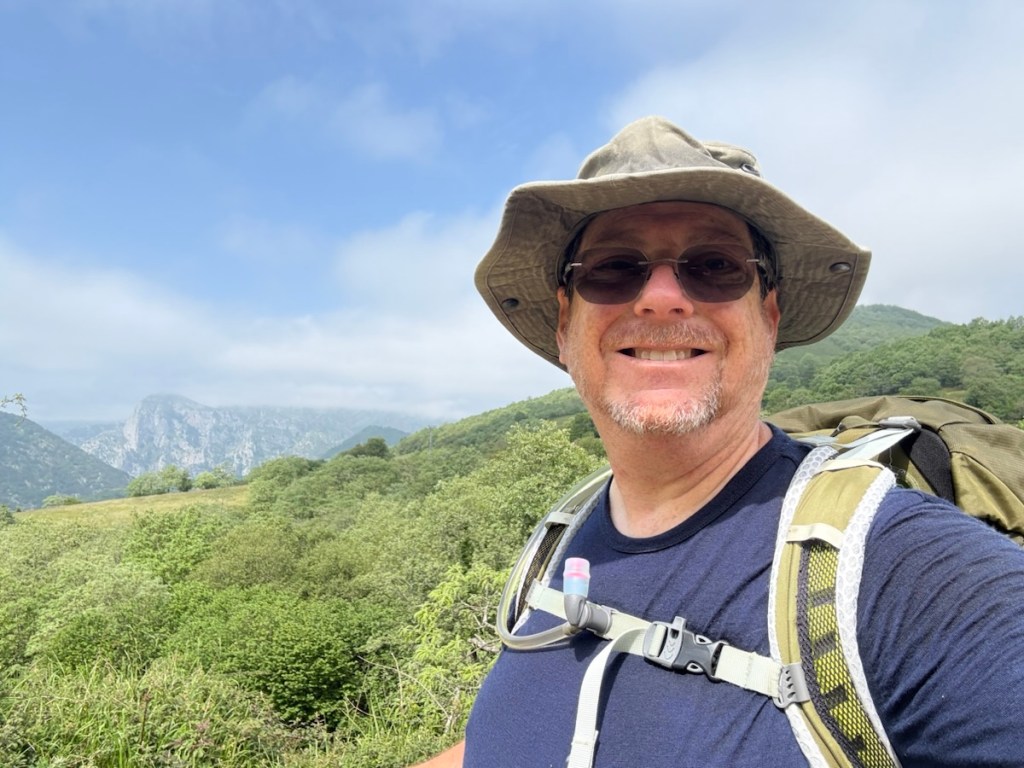
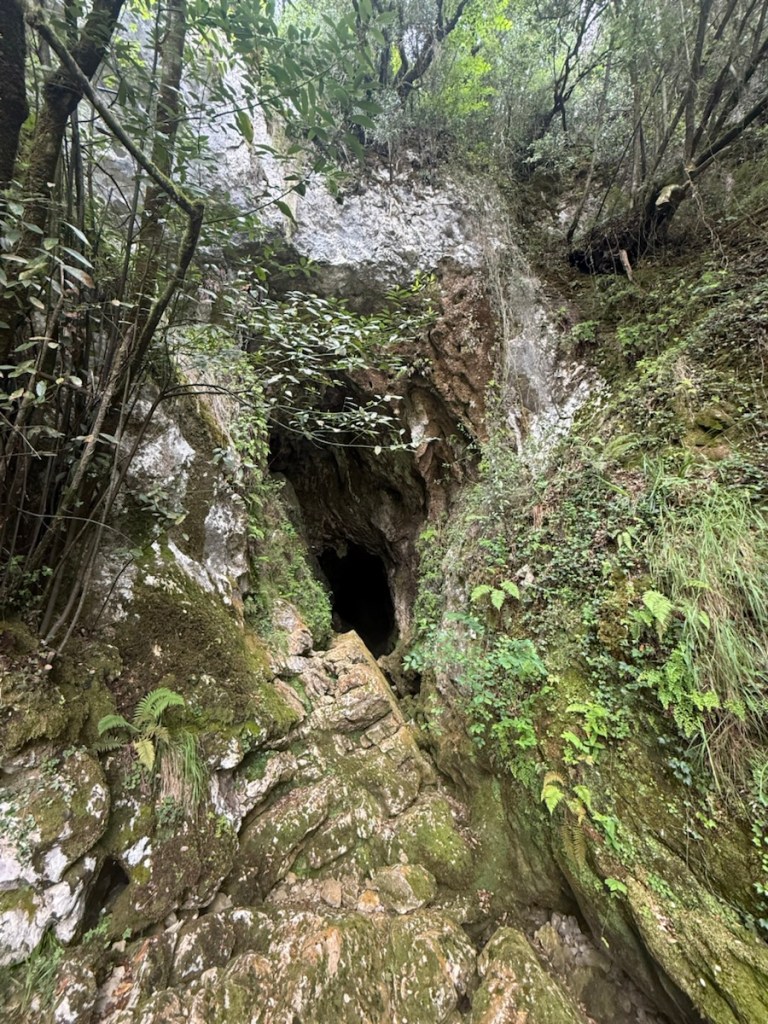
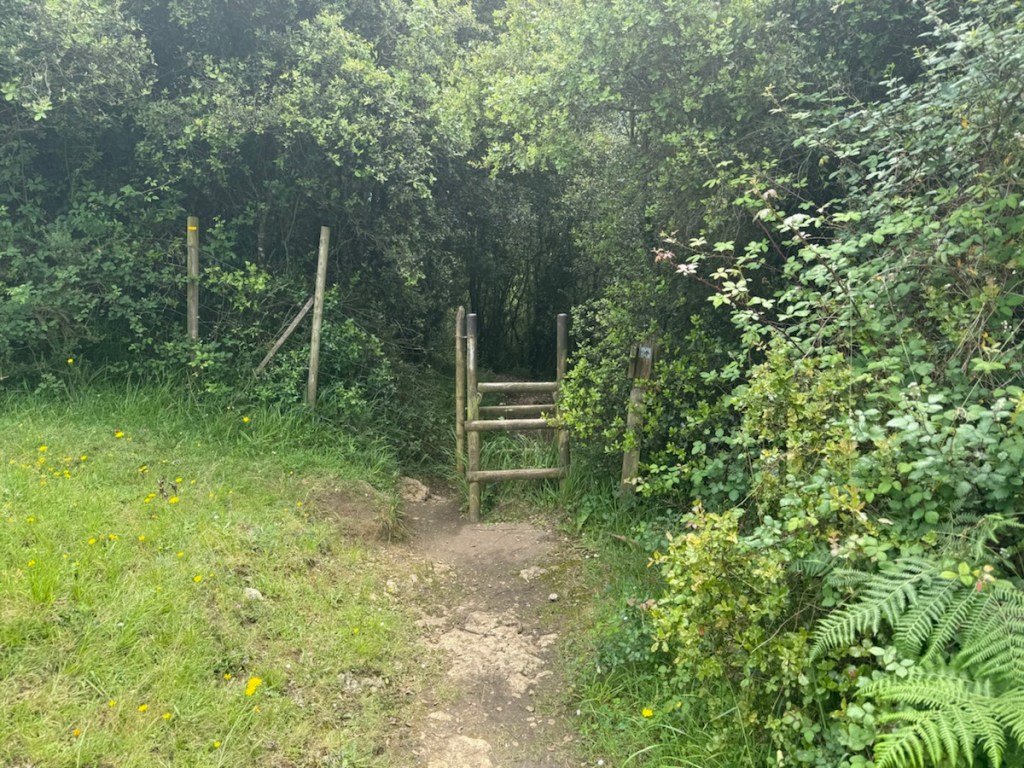
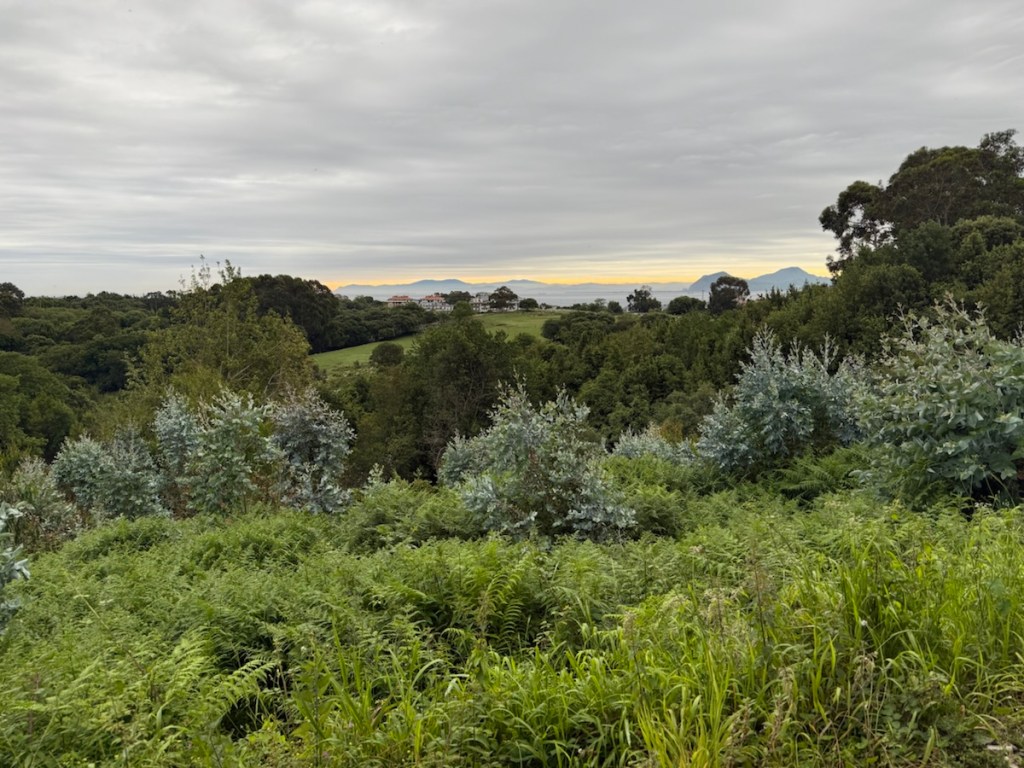
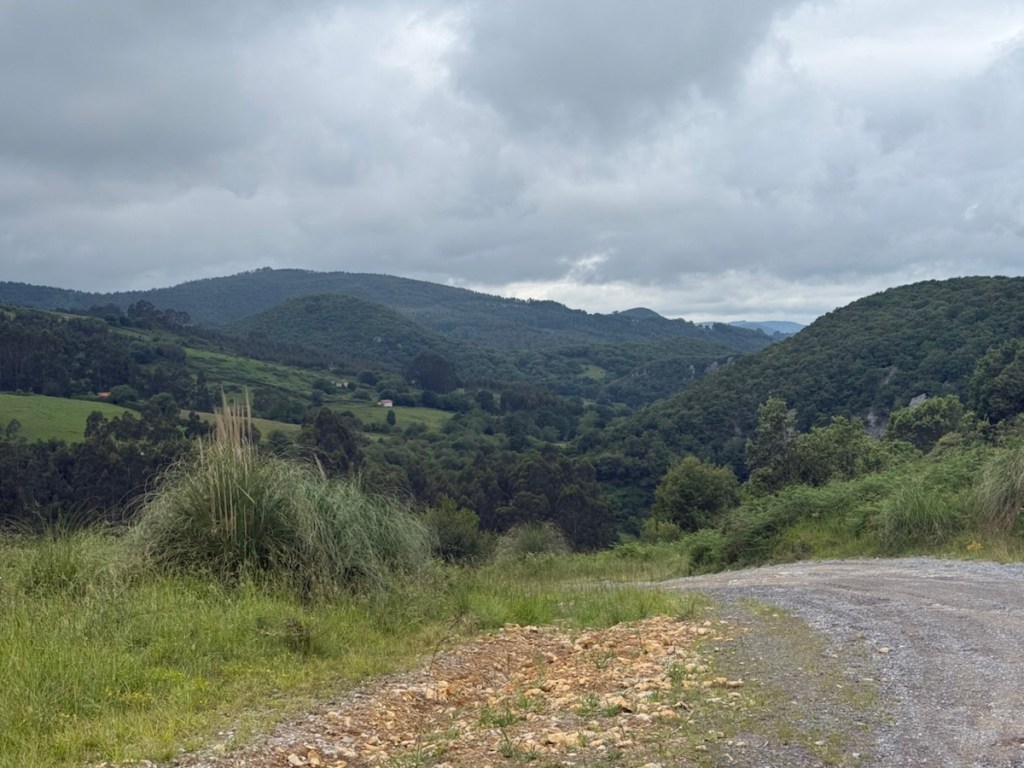
This morning began in a soft cocoon of fog, the kind that makes everything feel mysterious and a little enchanted, right up until you accidentally take the wrong trail and descend 400 meters into bear and puma country. Yes, you read that right. Signs warned of both, and let me tell you, I put on the longest solo concert of my life. I sang every song I could remember, folk tunes, half-remembered pop lyrics, and possibly the chorus of “Eye of the Tiger” more than once. My singing voice may not be concert-worthy, but it was clearly repellent enough to keep the local wildlife at bay.
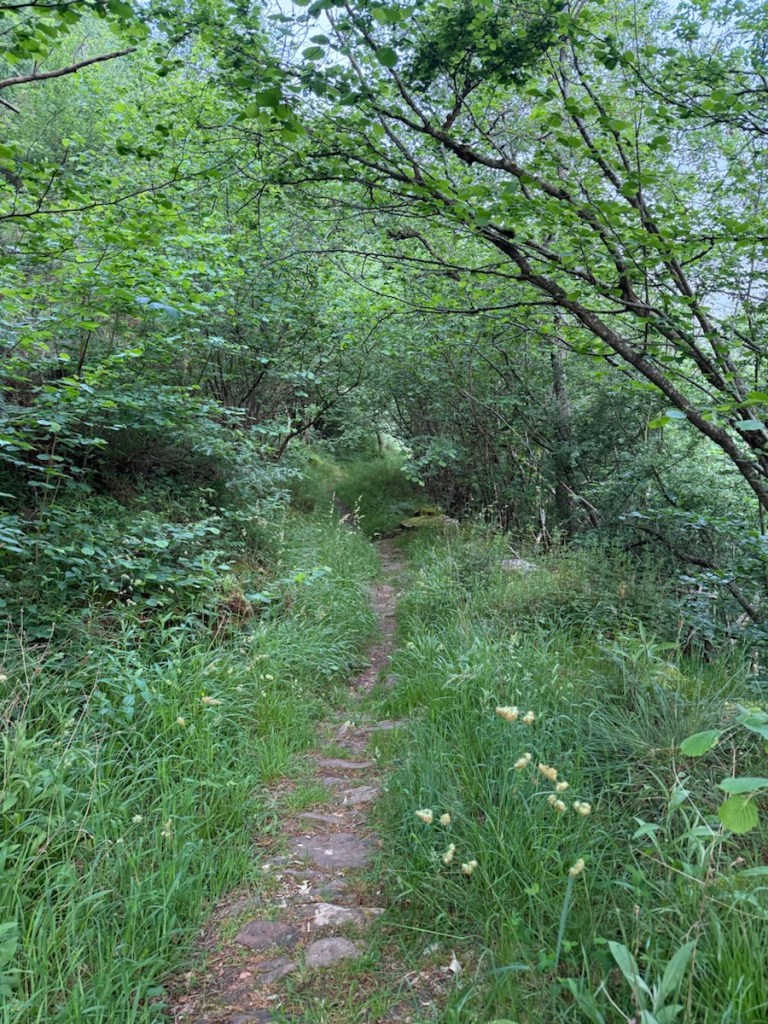
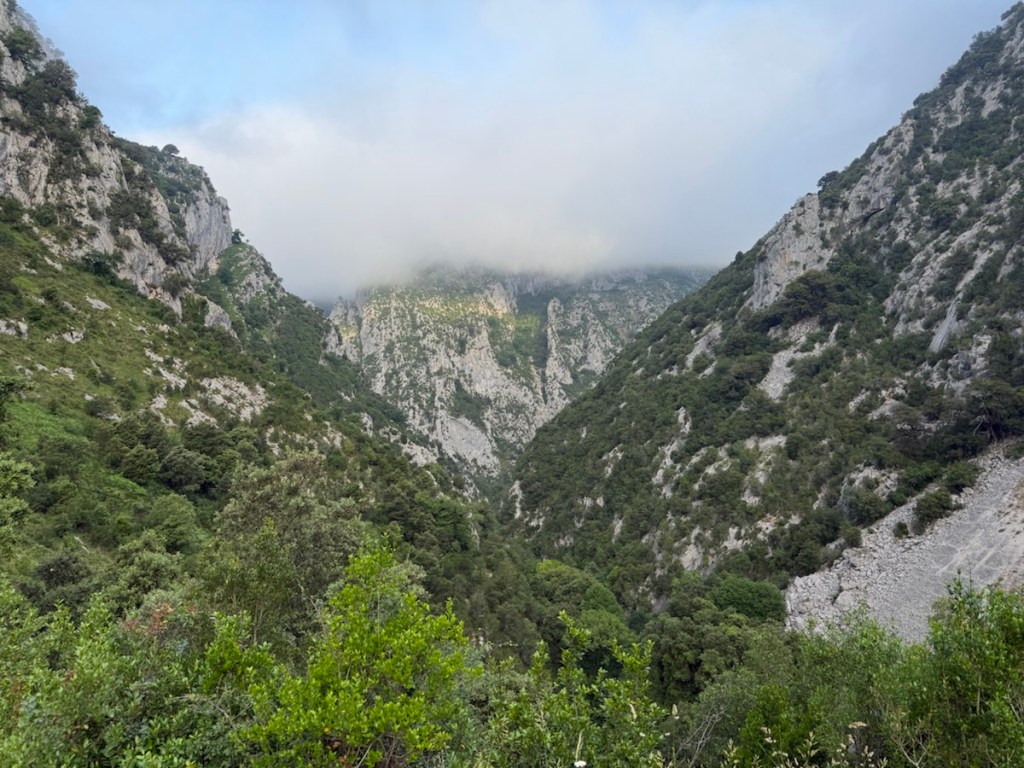
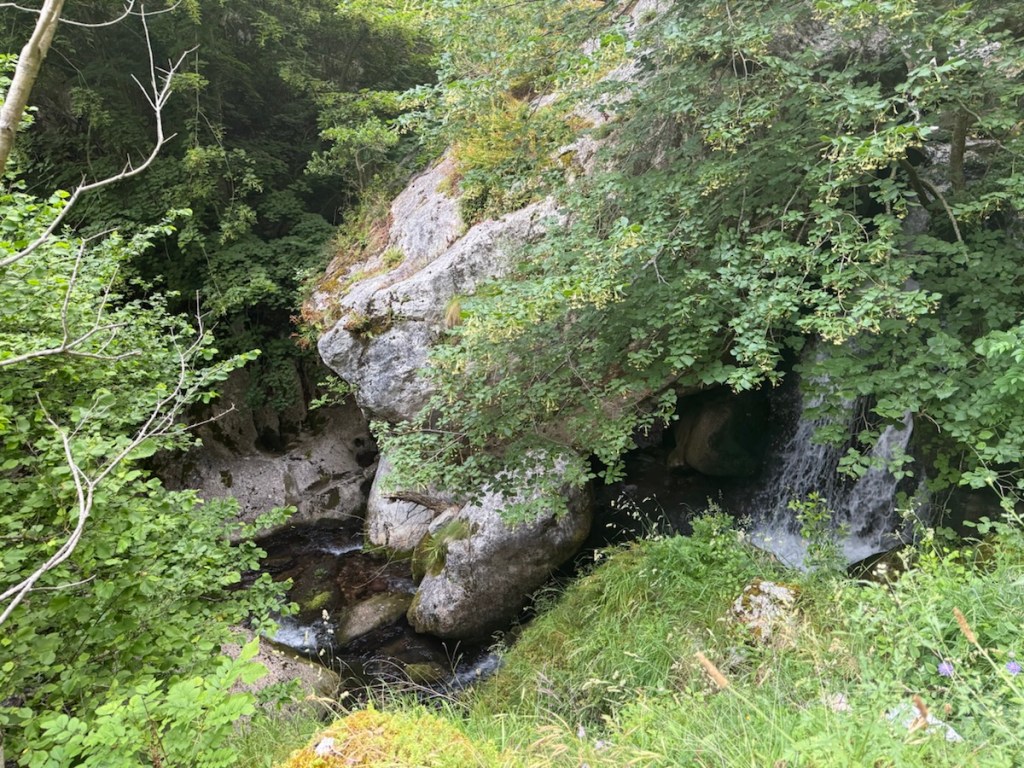
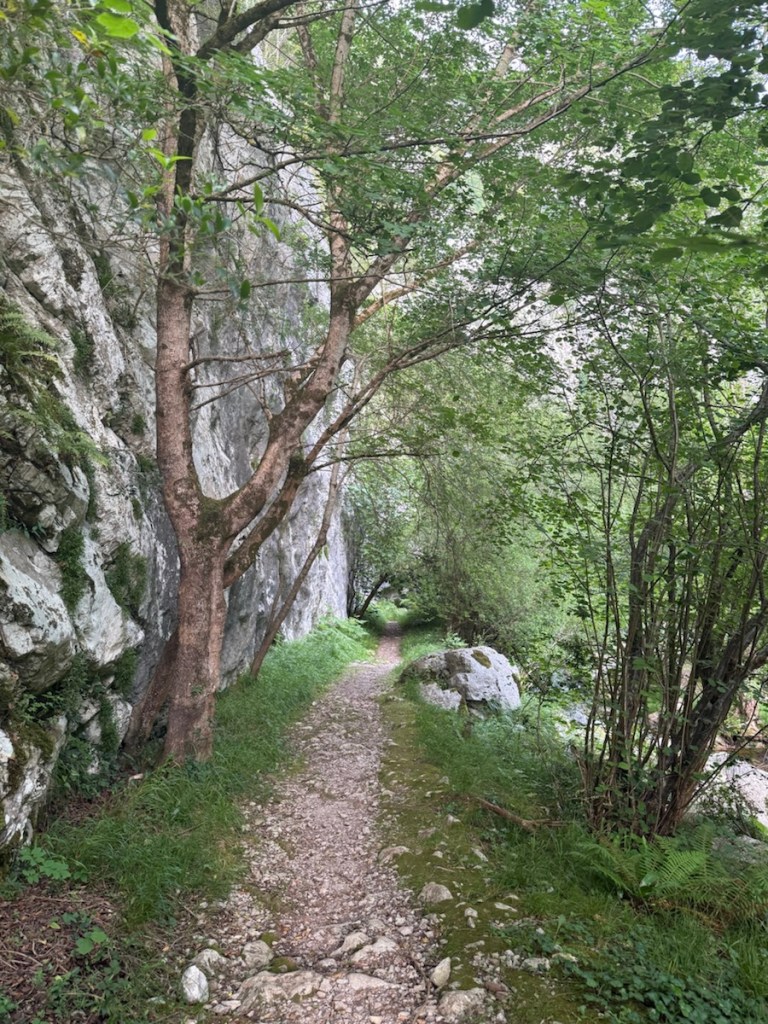
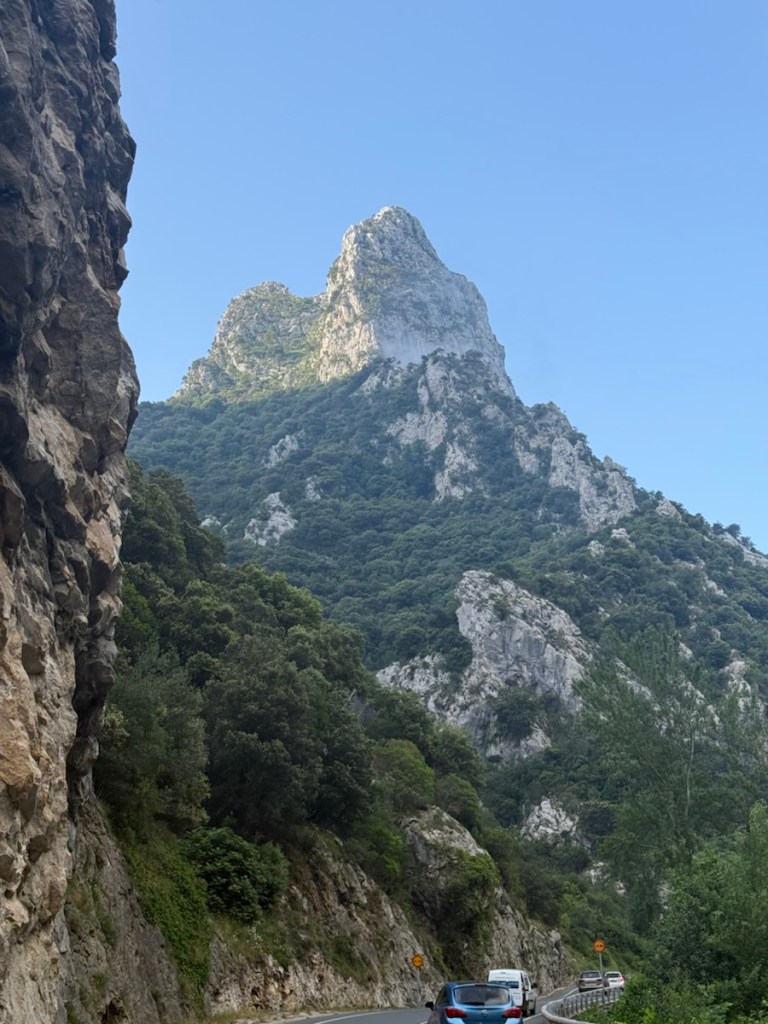
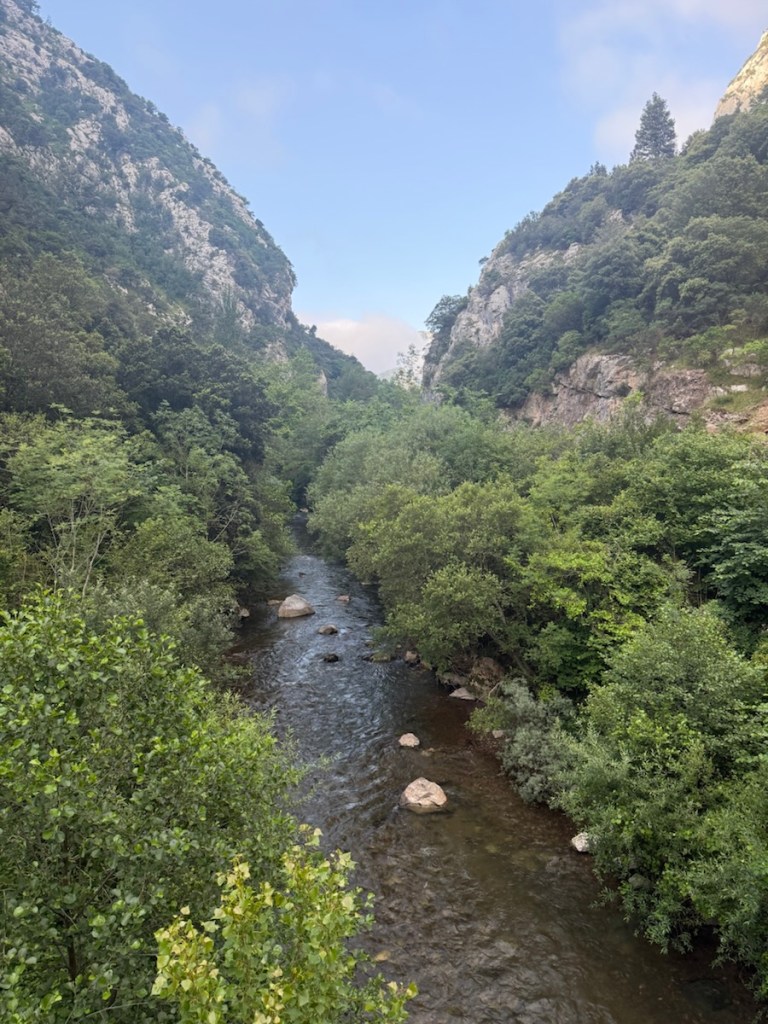
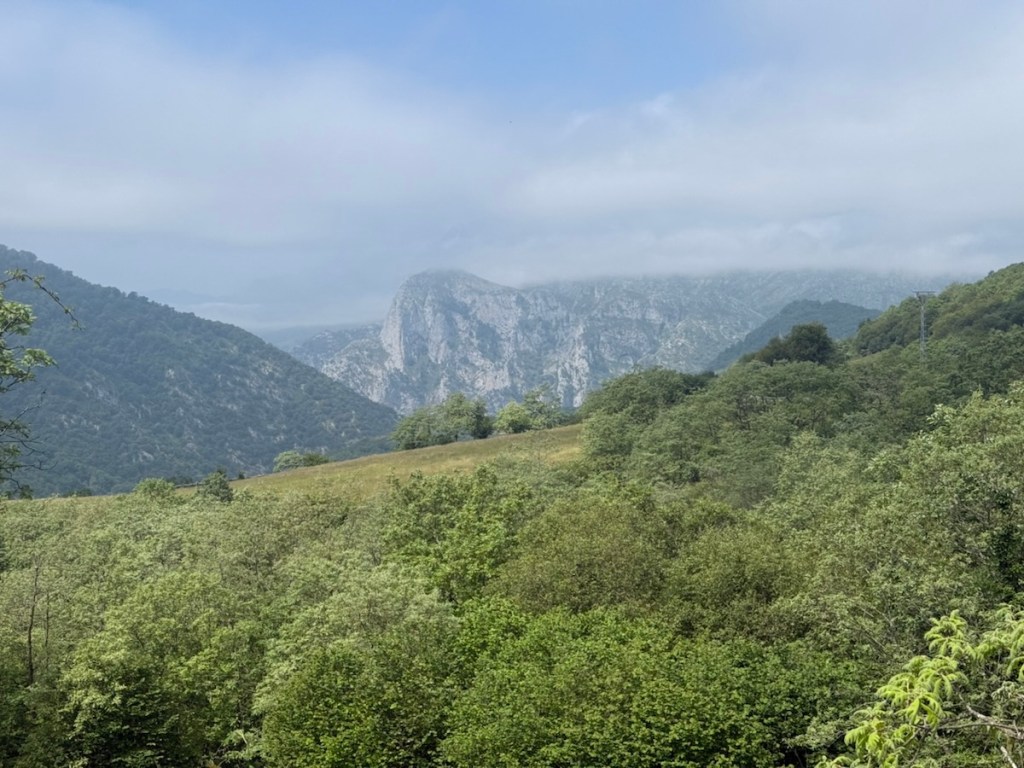
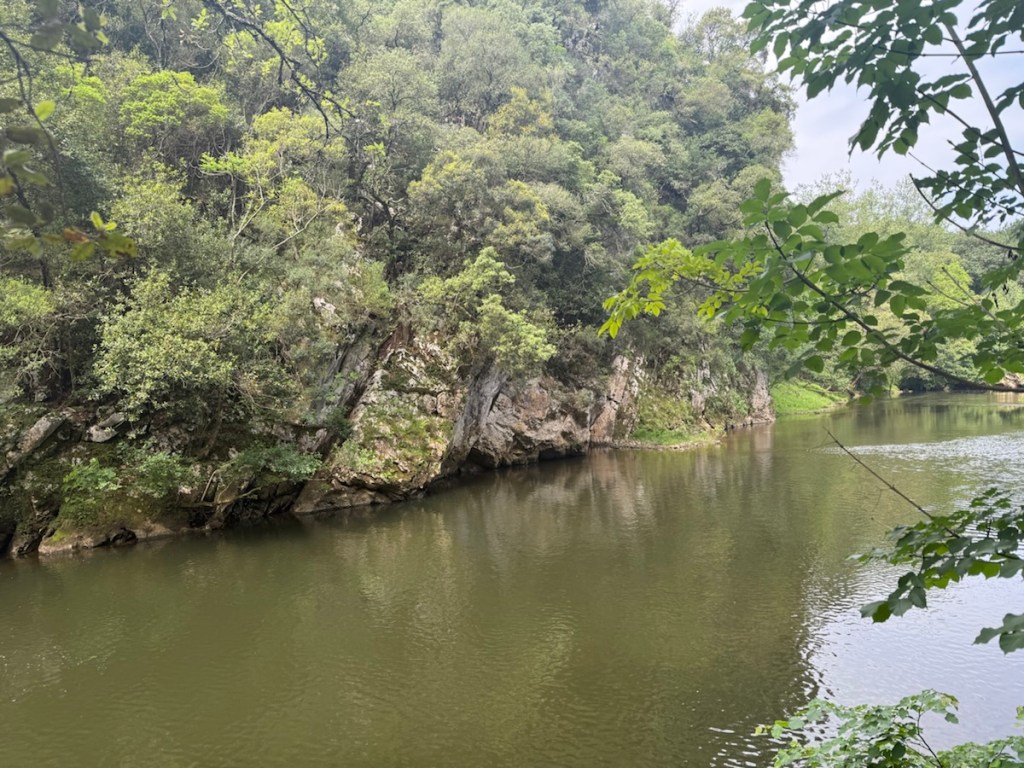
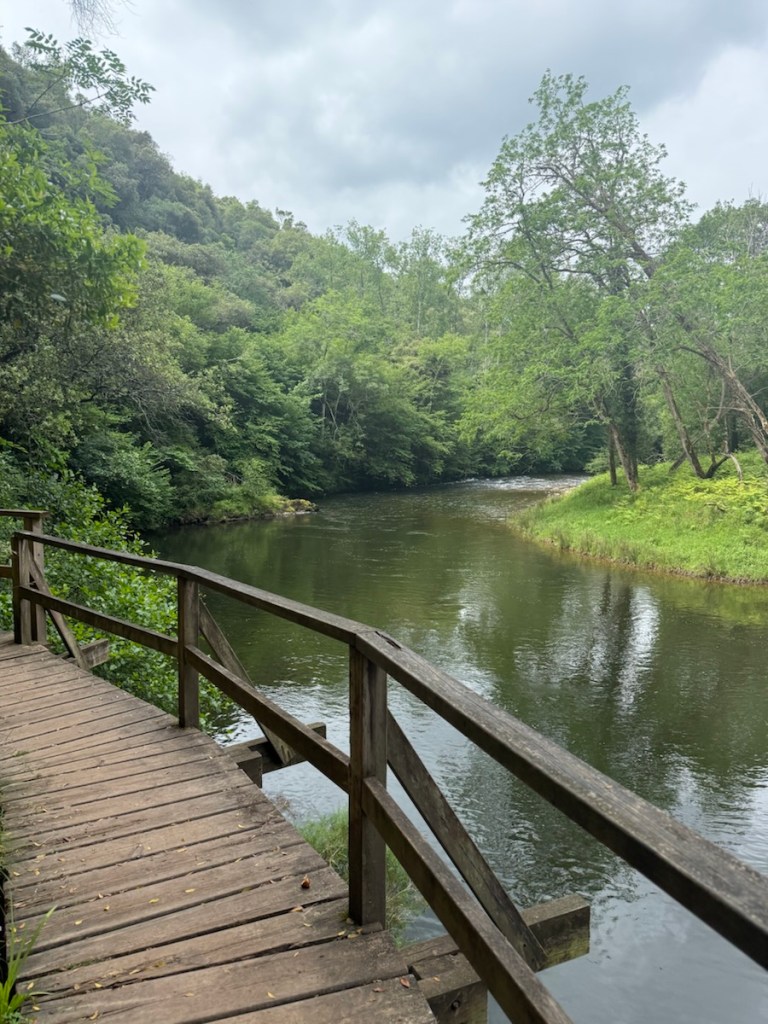
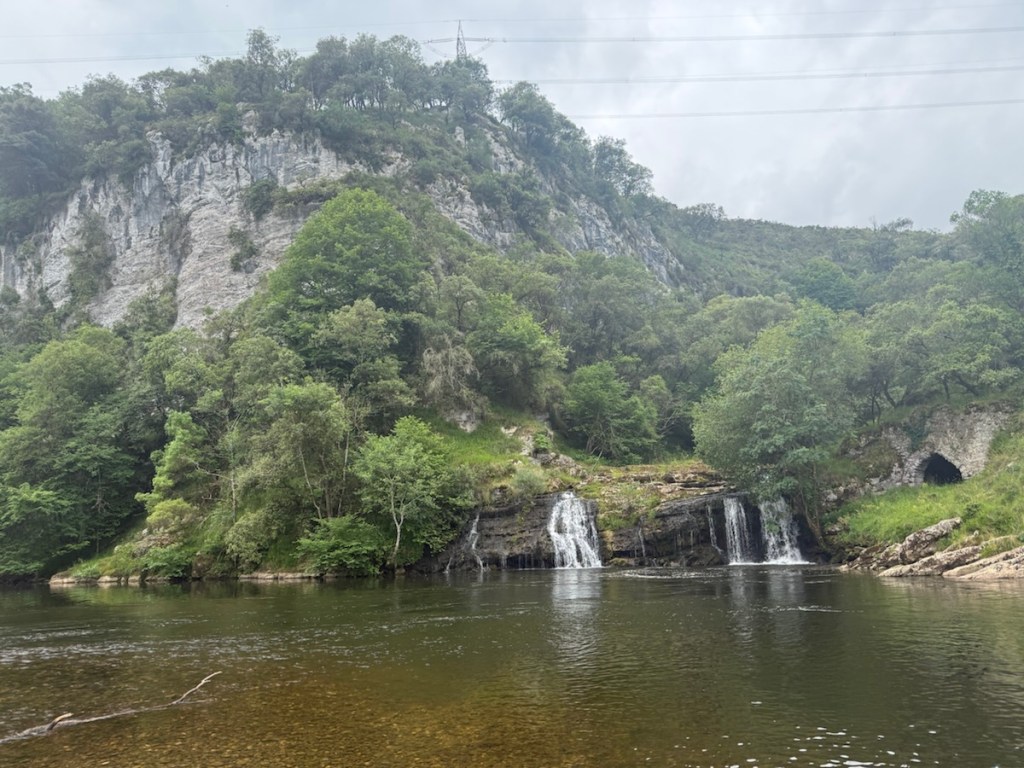
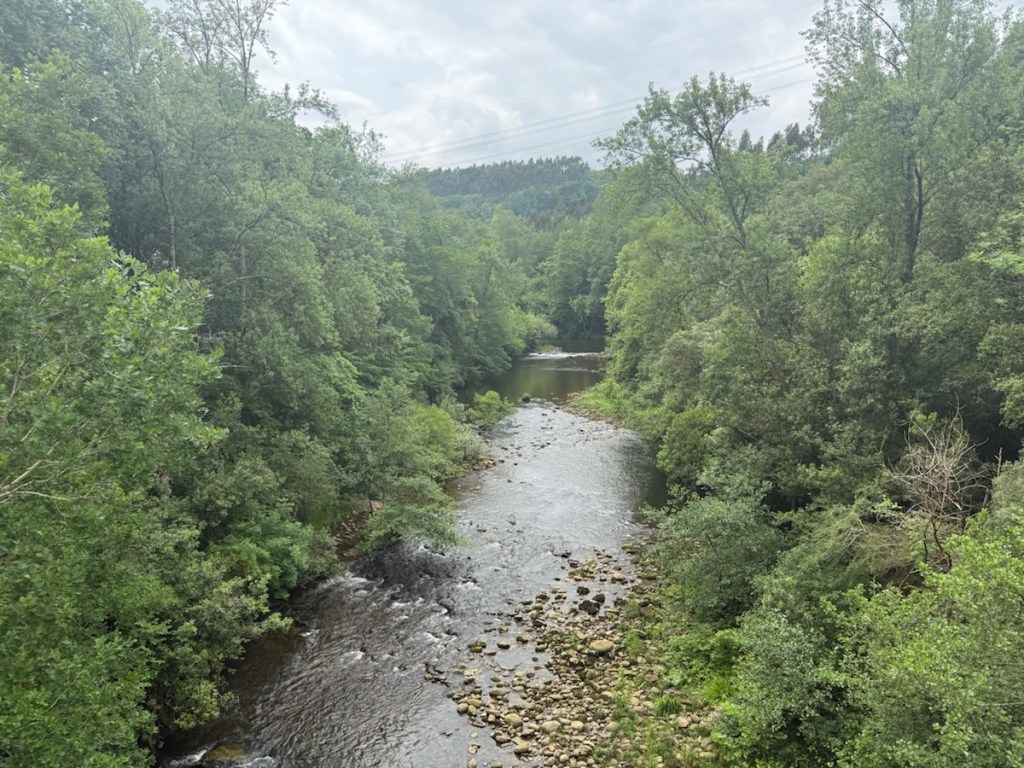
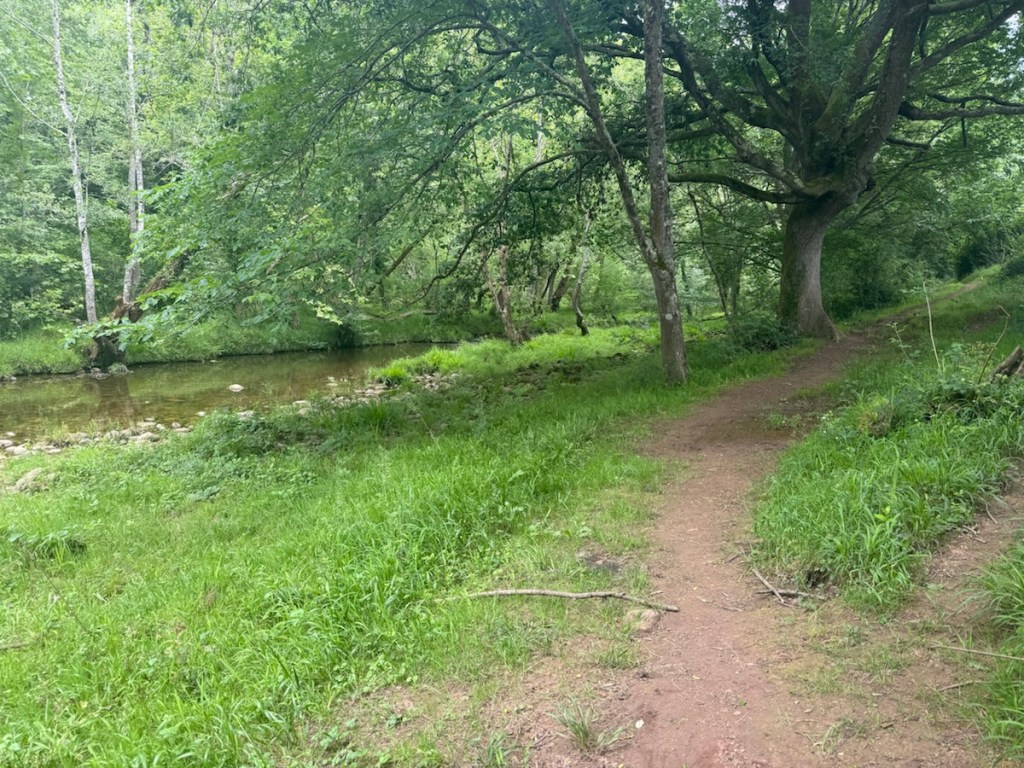
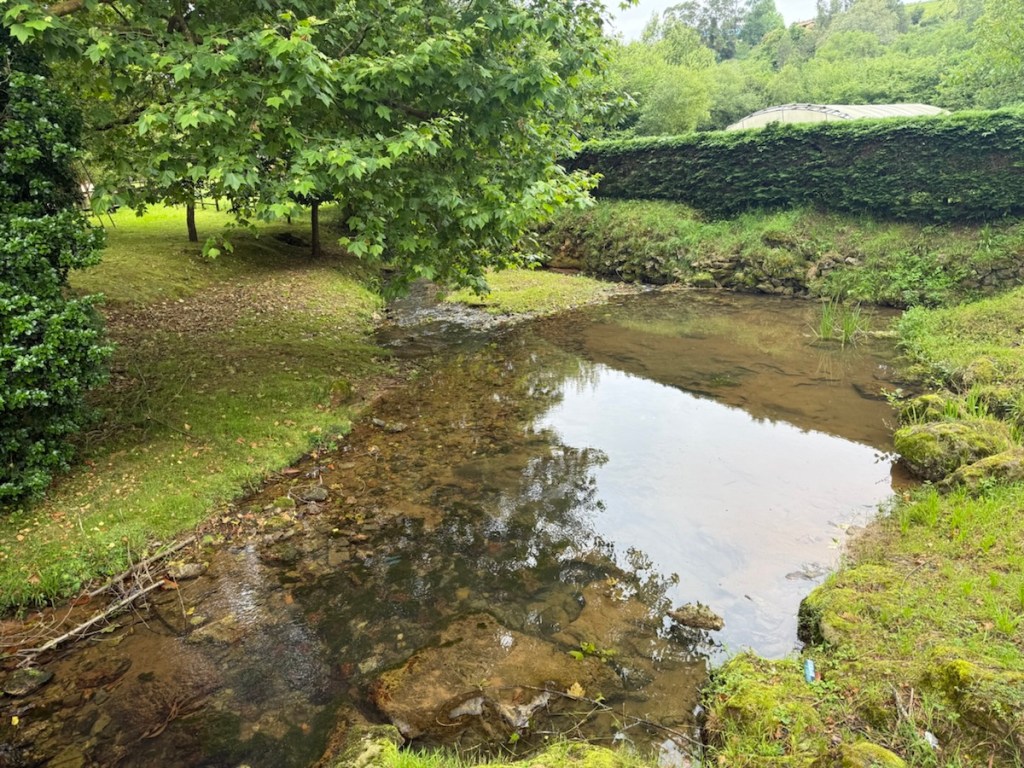
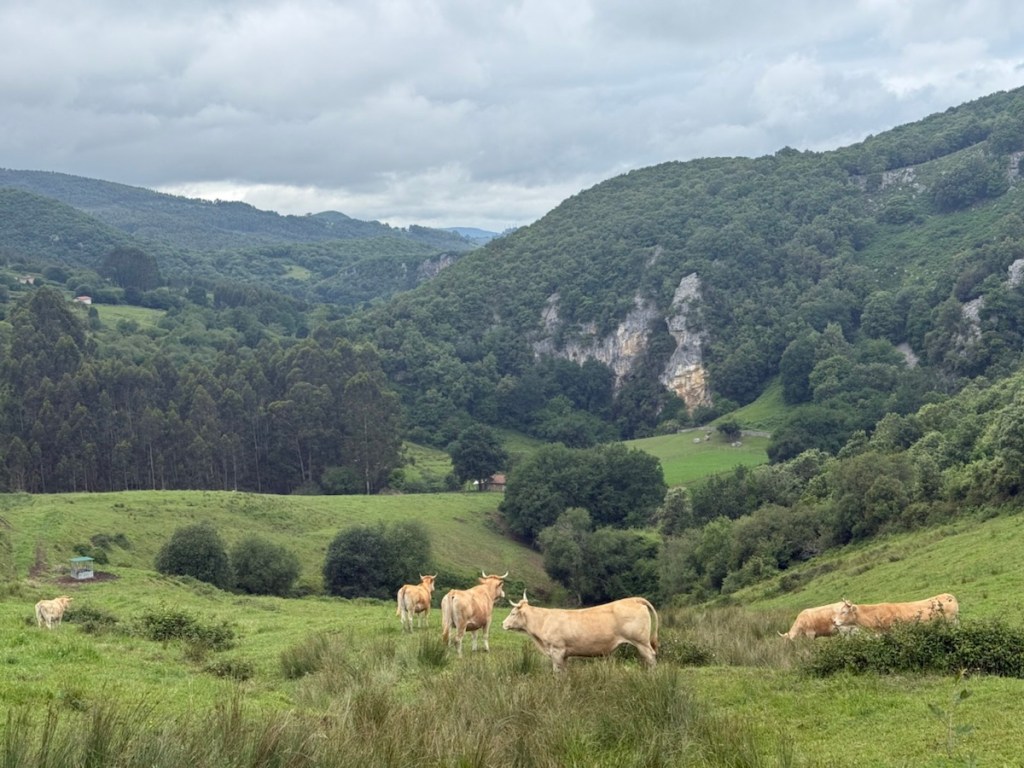
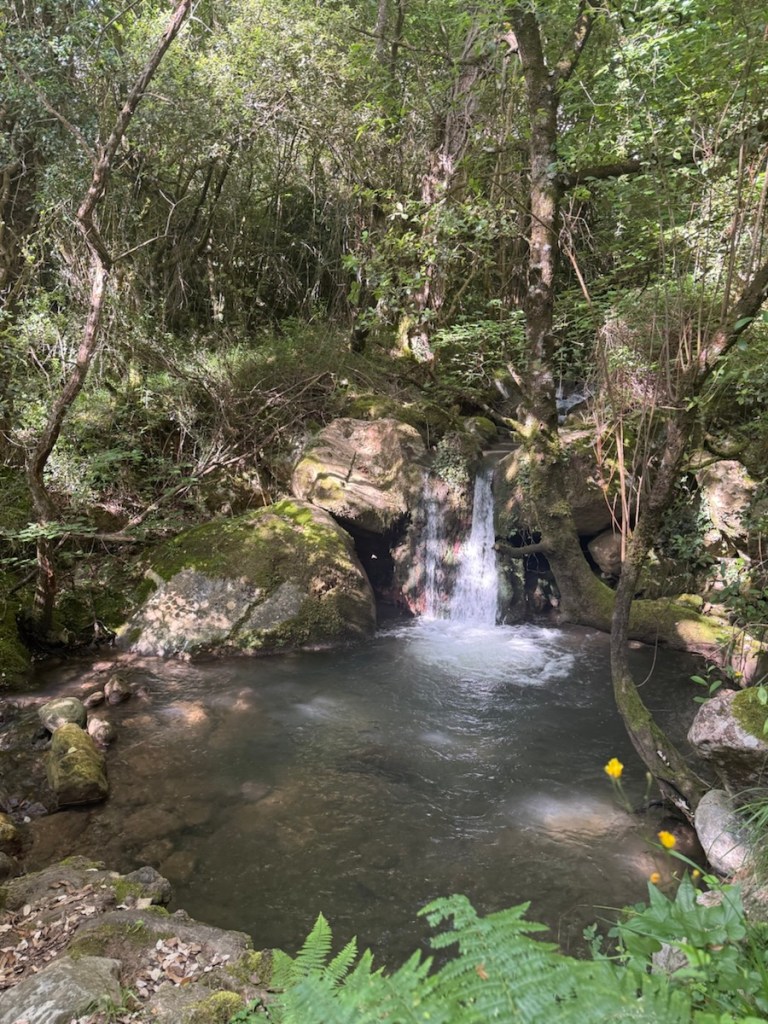
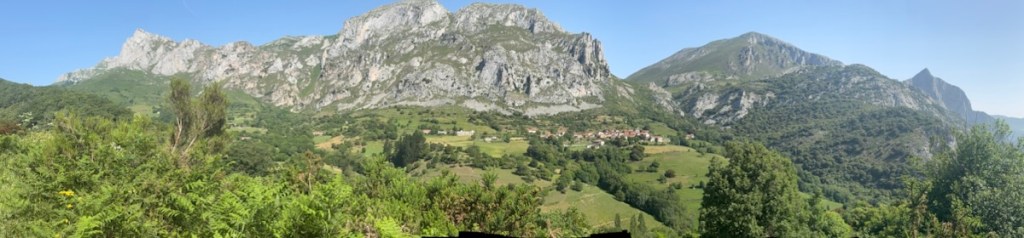
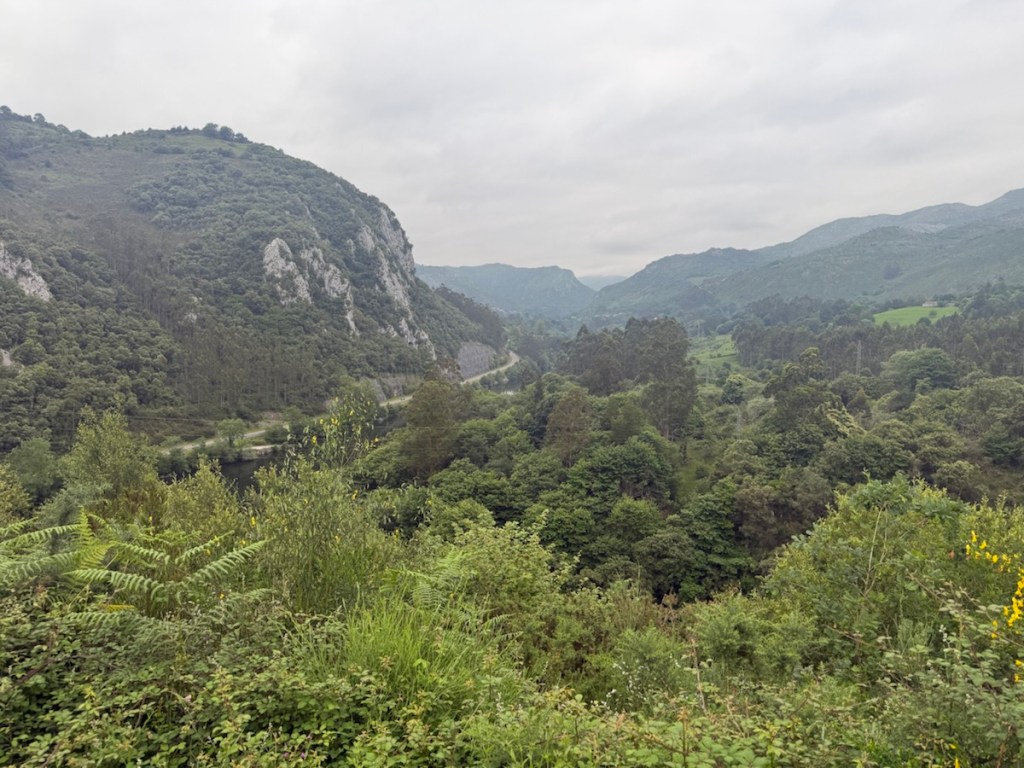
At the bottom of the canyon, the reward for my accidental detour was a quiet 3-kilometer stroll alongside a clear river, dwarfed by the limestone peaks of the Picos de Europa. The morning light played tricks on the cliffs, and for a moment, one of the benefits in this case of a route deviation was that I didn’t have to climb 400 meters and my route was shorter by multiple kilometers.

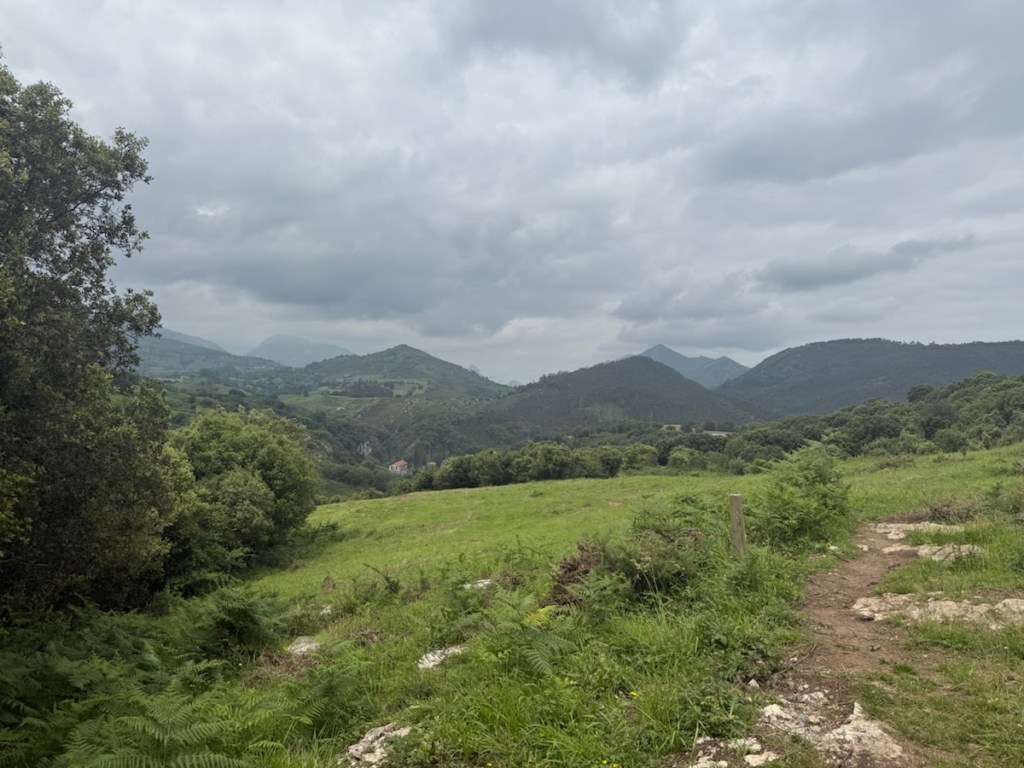
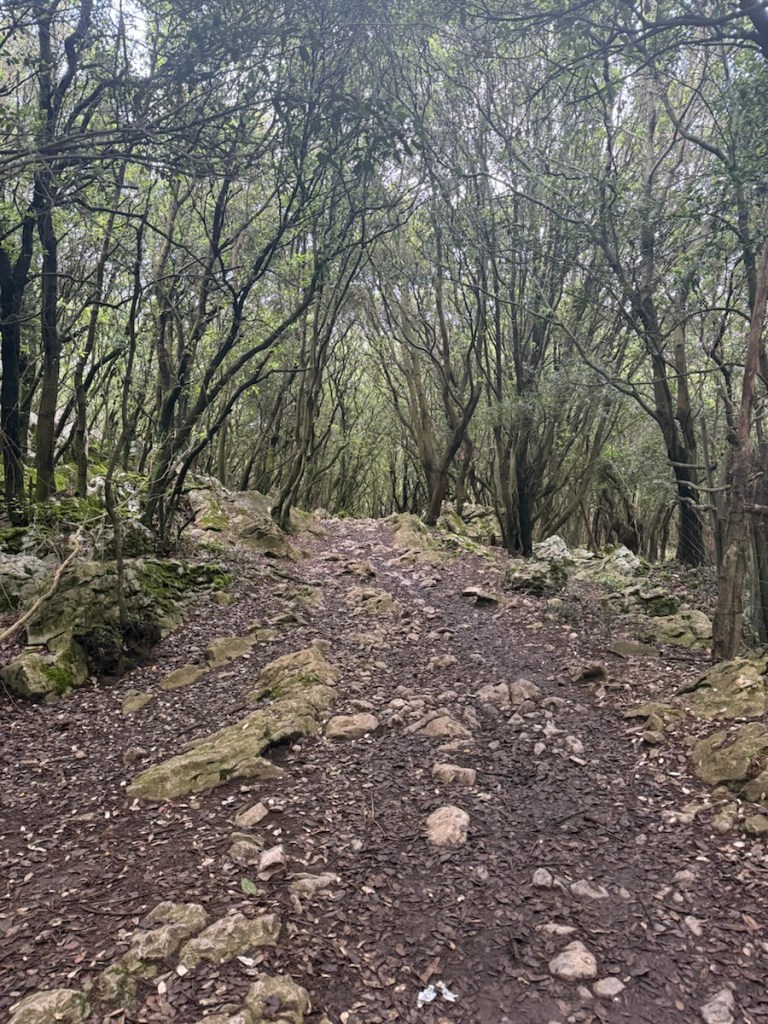
Then came the climb. Four kilometers. Four hundred meters up. A cheerful little 10% average grade while hauling a 10-kilo pack. I panted, wheezed, and paused every few meters to check that my heart had not relocated to my throat. I might not have seen a bear, but I did reach a primal state where I would have wrestled one just for an airlift.
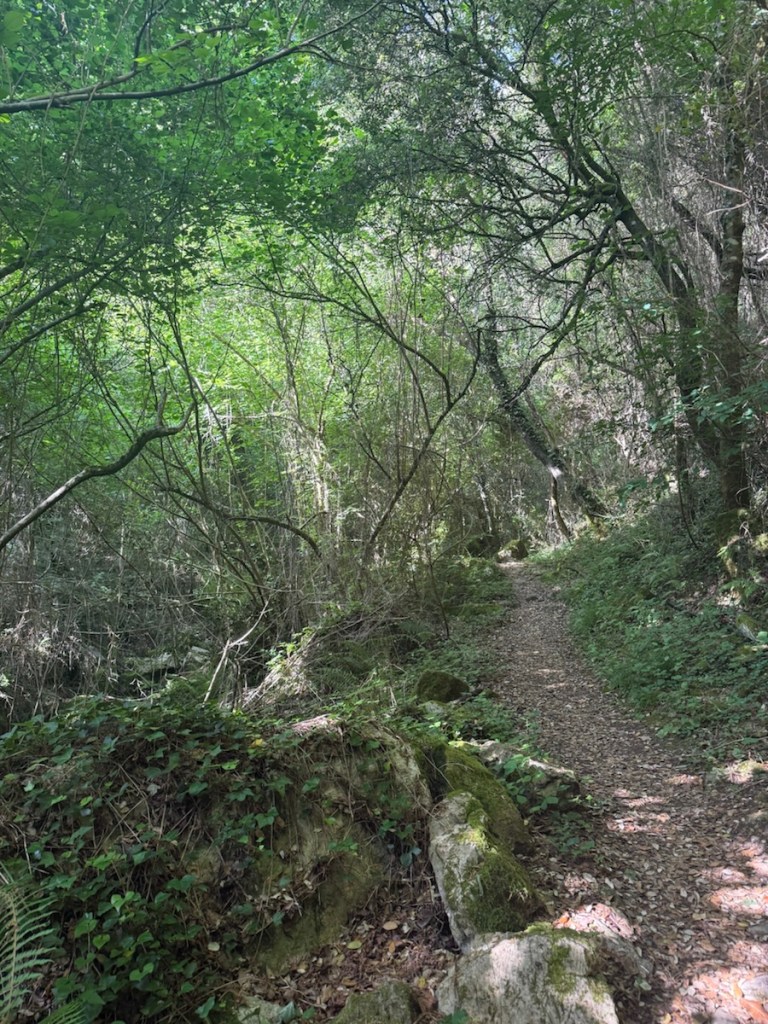
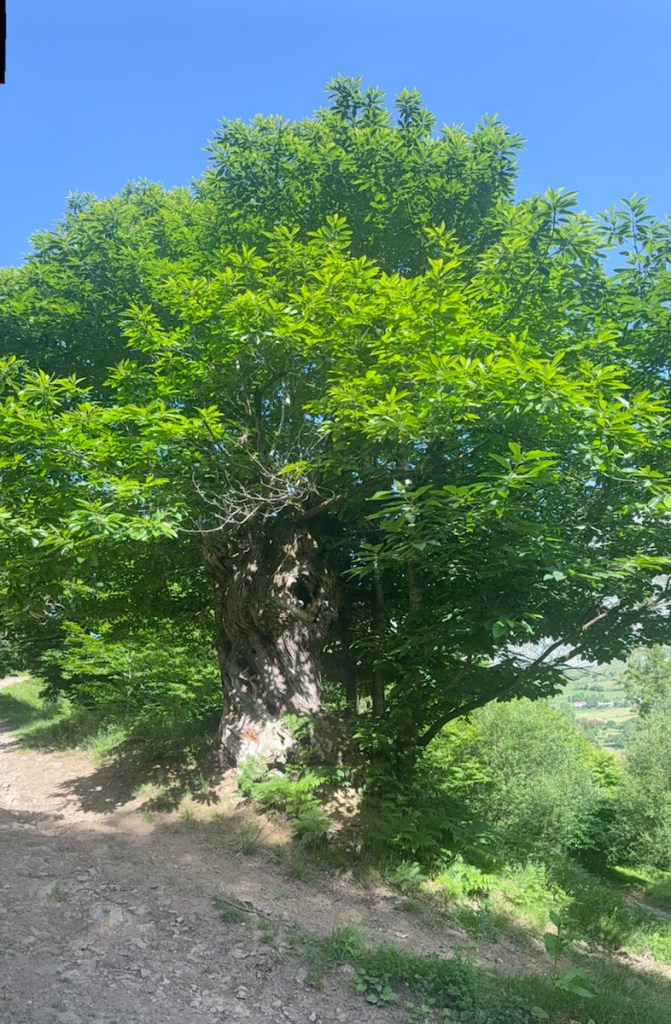
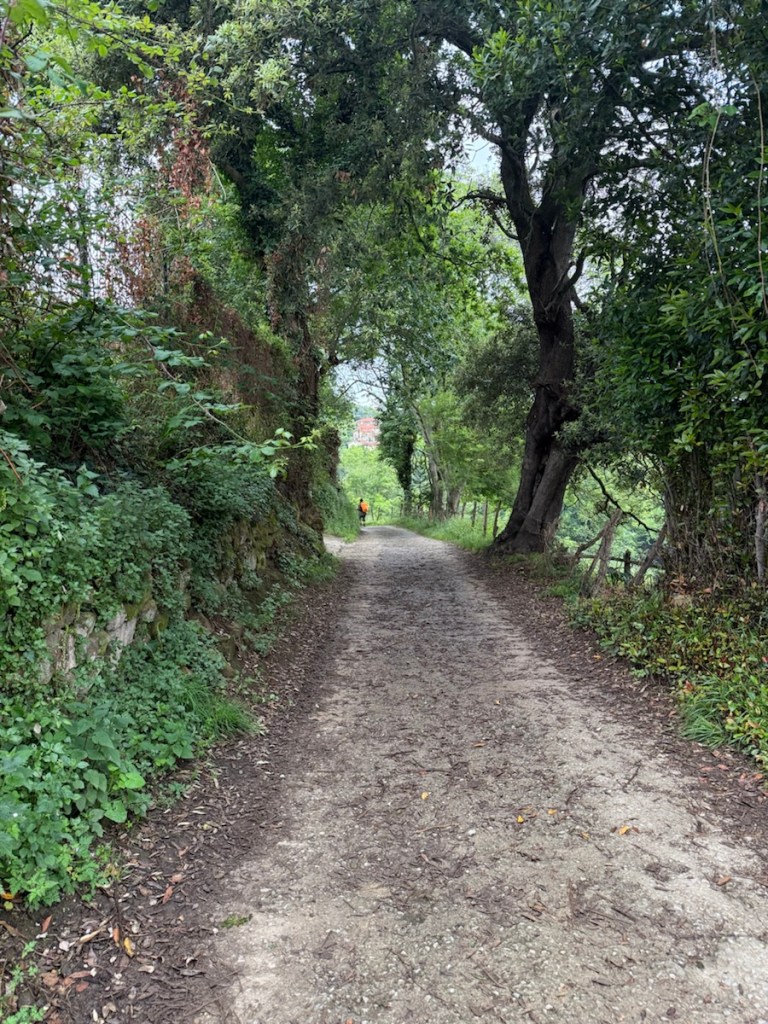
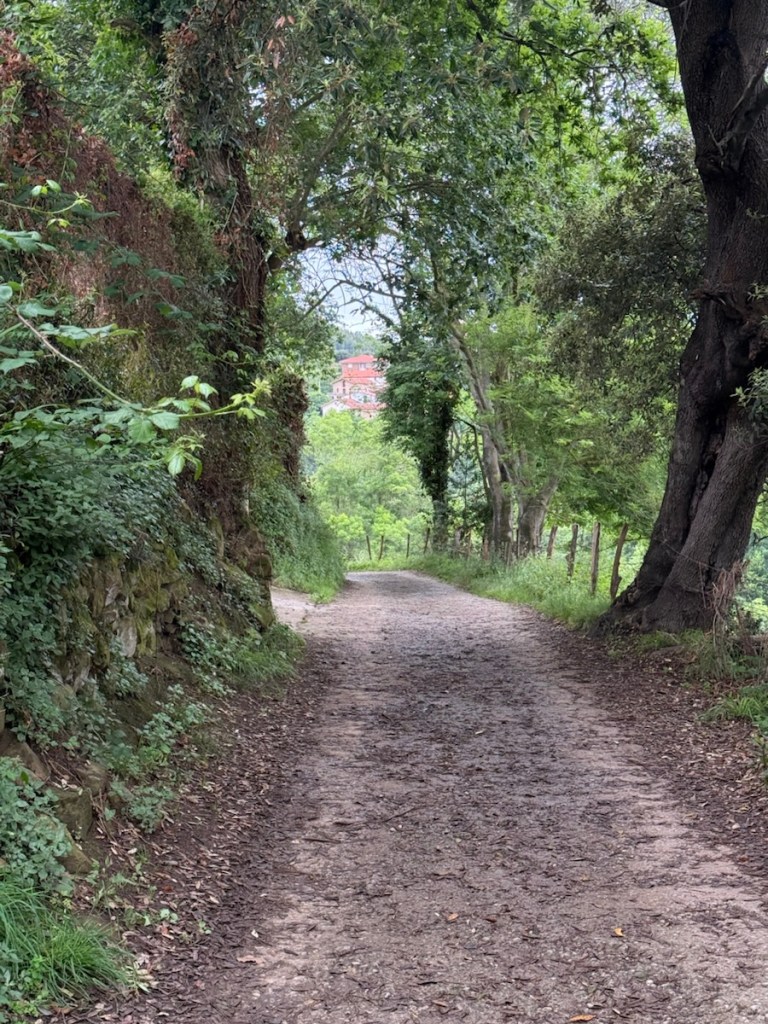
But at the top: oh, at the top! I walked through a grove of ancient chestnut trees, some more than 1,000 years old and wide enough to hide a Fiat behind. Locals take immense pride in them, and rightly so. These aren’t your average spindly tree-huggers. These are stumpy, tank-like titans, designed for harvesting and quietly judging pilgrims who “accidentally” add detours to their day.

The descent was no gentler than the climb, except now my knees were applying for early retirement. And of course, because it was Tuesday, rural Spain’s day of sloth and shuttered bars not a café or cold beer was in sight. Six more kilometers in the kind of heat that bakes your soul, and I staggered into Potes.
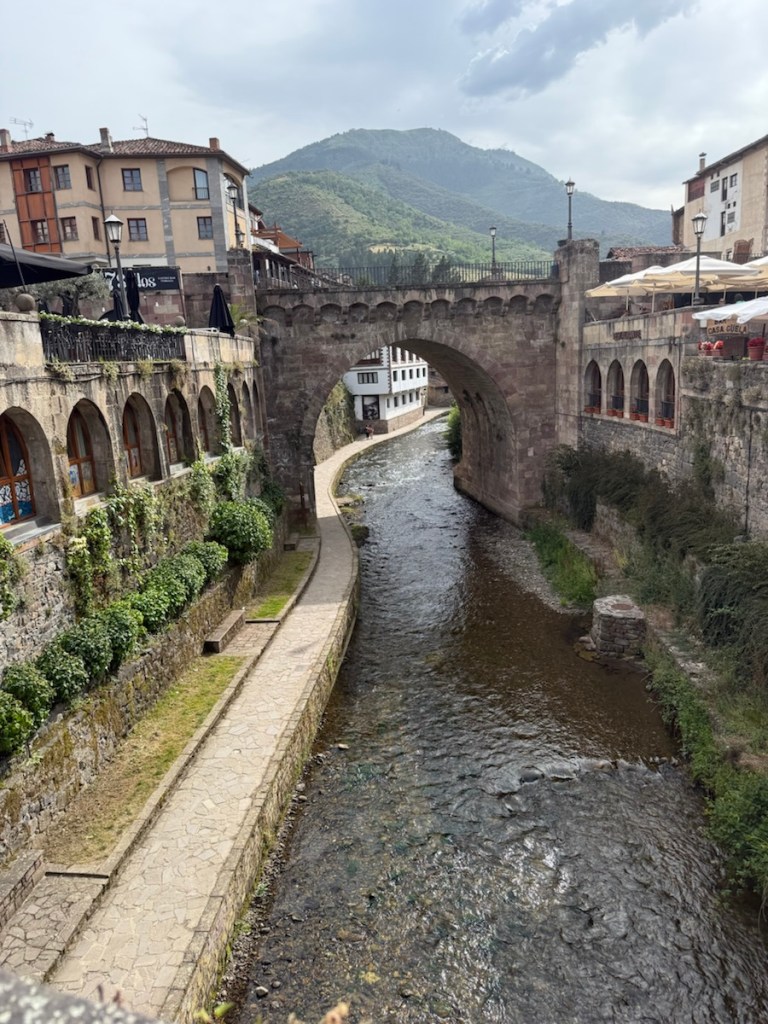
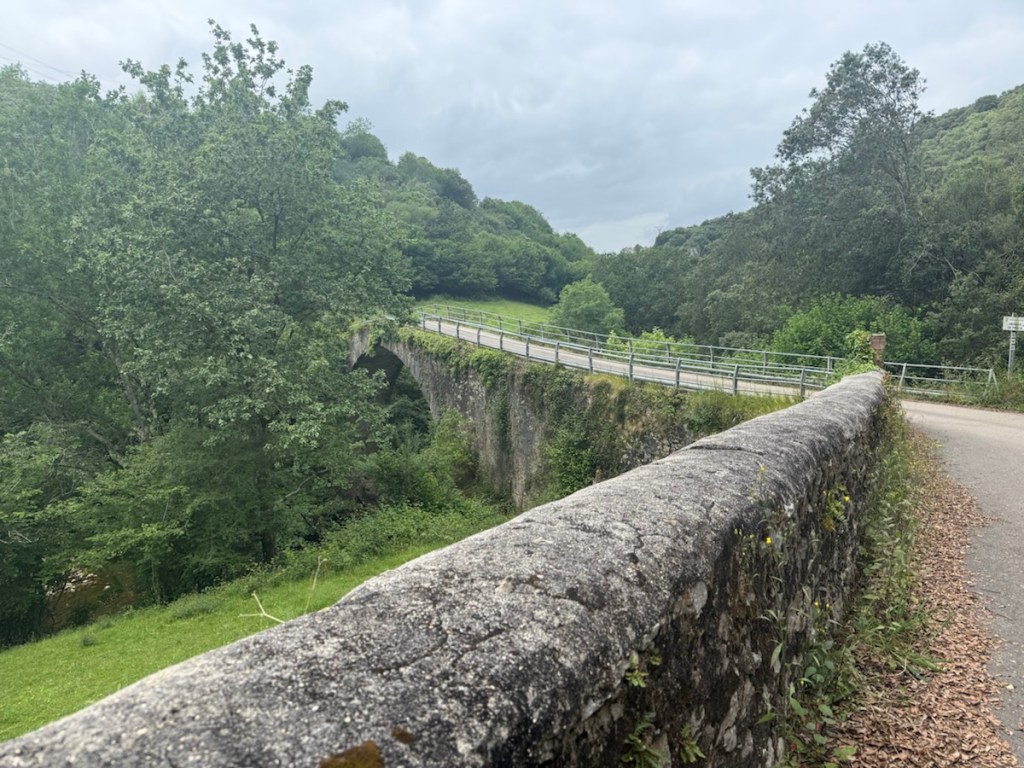
Potes: a town with big tourism energy and the promise of Orujo, Spain’s version of a stern talking-to in liquid form. I plopped myself down next to the old Roman bridge with a liter of beer and a bowl of pickled oddities, and waited for the rest of the world to catch up.

And then, as it often does on the Camino, serendipity strolled in, this time in the form of a 70-year-old German pilgrim with 12 Caminos under his belt and a wife perpetually asking, “Will this be your last?” He pitched a detour of his own: a cable car ride 2,000 meters up the Picos, followed by a celebratory beer at the top of the world. I was sold before he finished his sentence. Sure, I had reservations in the next town, but I allowed the Camino to guide me and I threw one to the wind and made other arrangements, including a taxi ride to catch up afterward. YOLO, as the kids say.

So yes, maybe Potes itself is more postcard than pulse, but between the majestic peaks, ancient chestnut sentinels, German wanderers, and cold beers earned the hard way, it turned out to be exactly where I needed to be.

I am sore in places I didn’t know existed, but I am here, I am alive, and I am grateful, grateful for detours, for the silence of forests, for unexpected wisdom over a beer, and for the kind of beauty that sneaks up on you when you are too tired to resist.
Day 9 – Valleys, Views, and the Mystery of Otto’s Taberna

Today’s walk was a short one, only 16 kilometers which on paper looks like a gentle stroll through the Cantabrian countryside. But the last 5 kilometers had other plans. A cheeky 500-meter ascent reminded my calves that they are, in fact, attached to an aging body with a deep fondness for café con leche and not nearly enough respect for elevation profiles.

The path followed the whisper of a river, one of the smaller tributaries of the one I’d walked beside yesterday. I could not see it, but it was always there, humming through the trees like a background song stuck in your head. The kind that reminds you of something old and important, though you cannot say exactly what.

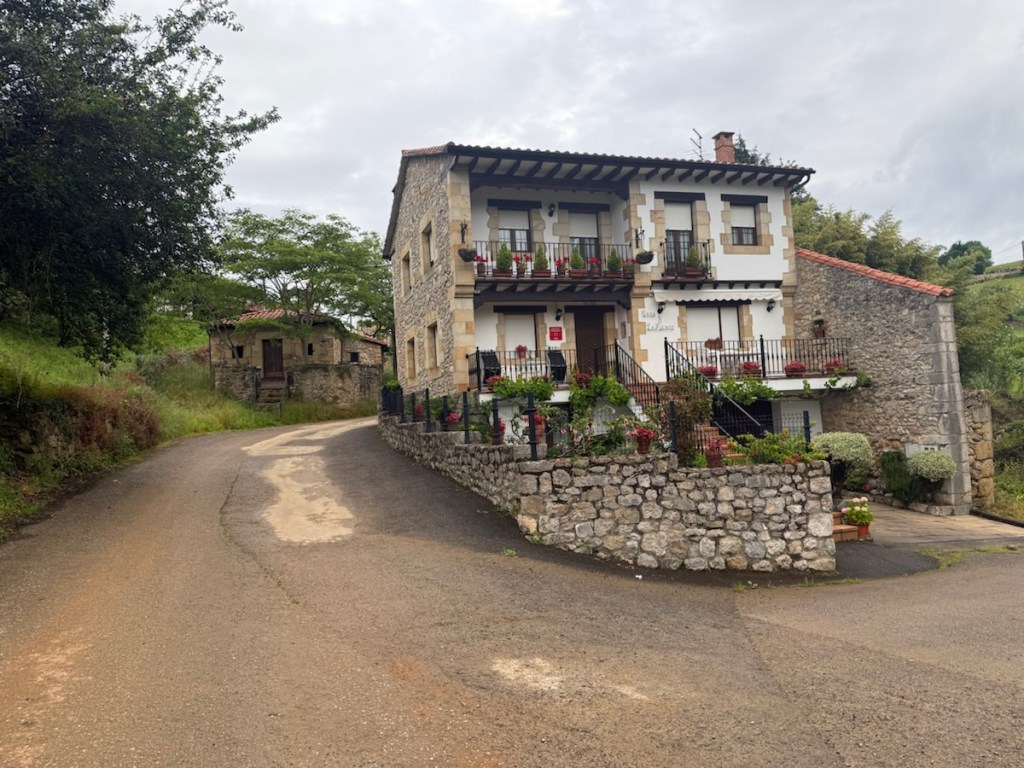
My first stop came at the halfway mark, where I plopped down on a bench outside a tidy stone house. An older woman appeared, as if summoned by the gravitational pull of pilgrims needing a chat. We talked for twenty minutes. I have no idea what about. I think at one point she asked if I preferred cows or goats. I said both, which seemed to satisfy her. She reminded me of all the abuelas I’ve ever known, gentle eyes, practical shoes, and the ability to hold court from a bench like it was a throne.

Break number two happened halfway up the hill, where I discovered a little fountain and another bench. This one, however, doubled as a nap trap. I sat down, let out a sigh, and promptly dozed off. The kind of sleep that comes when your body decides your opinion no longer matters. I startled myself awake snoring, just in time for two pilgrims to walk by. I fell in beside them and we laughed our way up the remaining climb together, bonded by my public display of nasal enthusiasm.

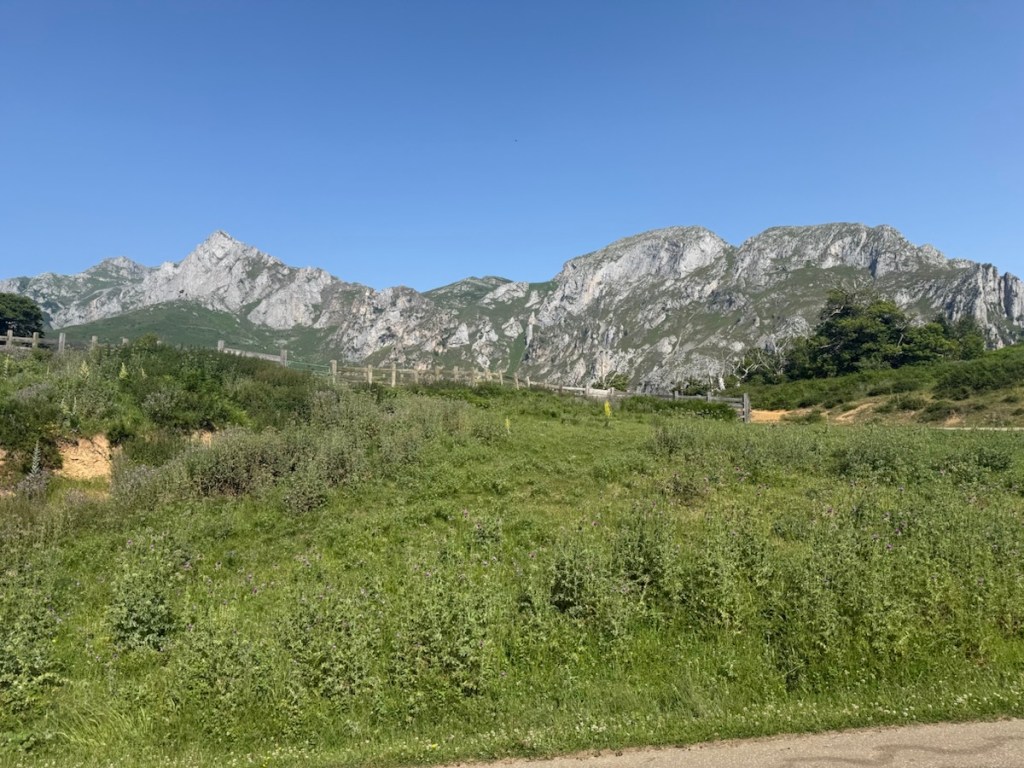
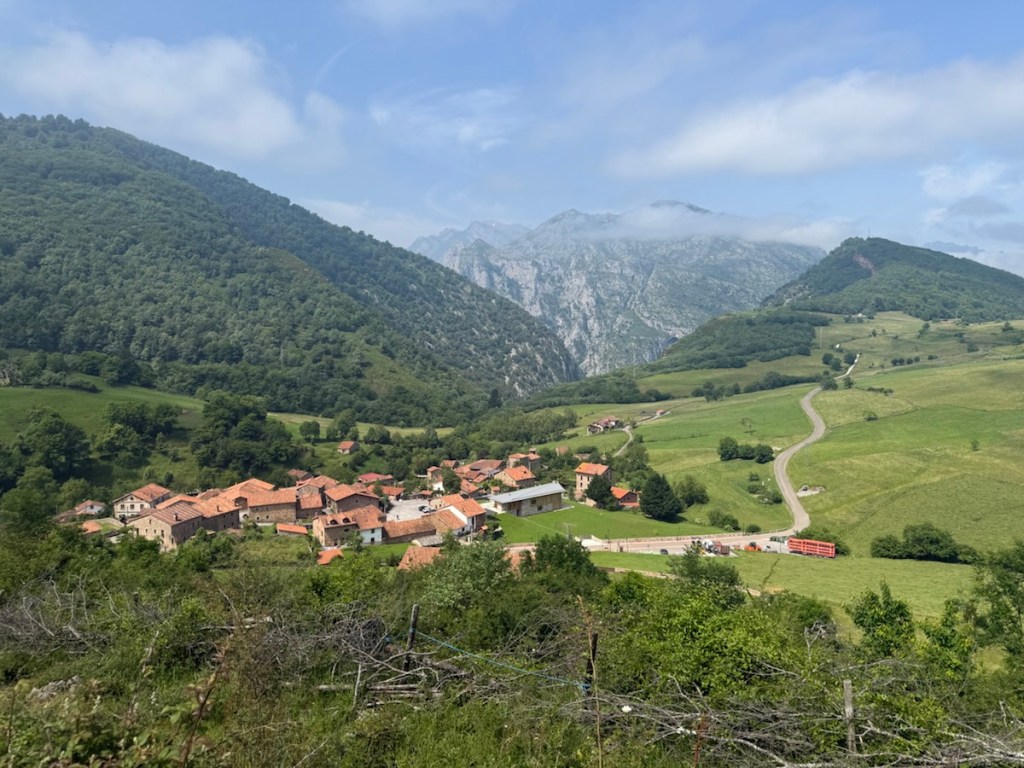
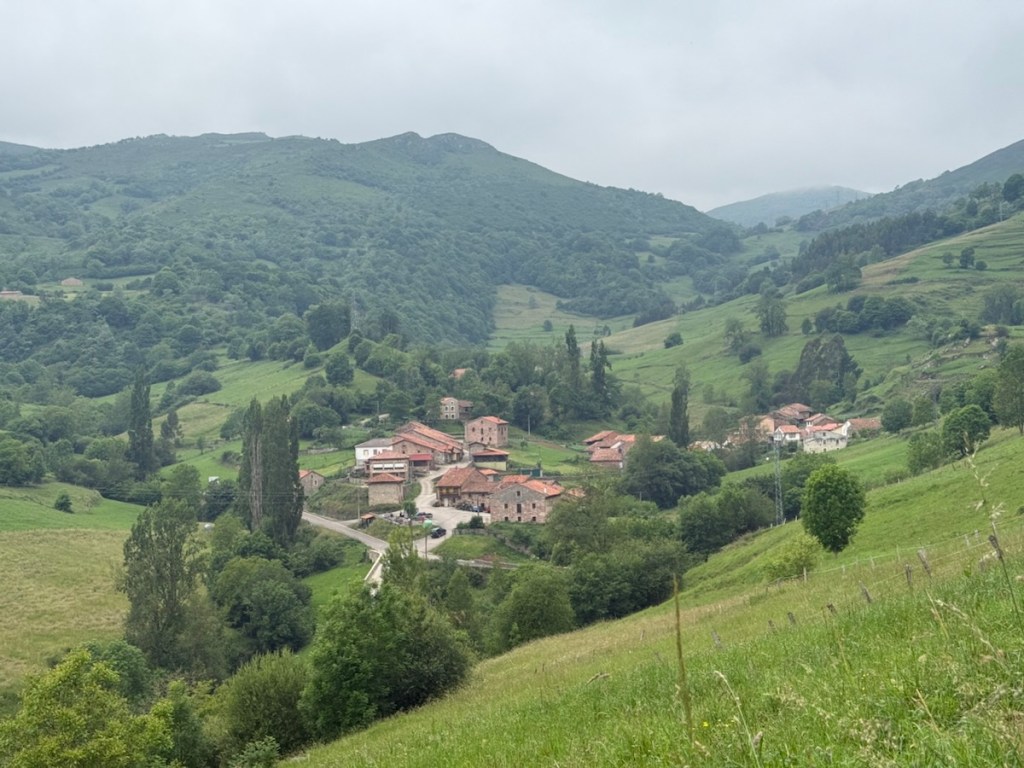
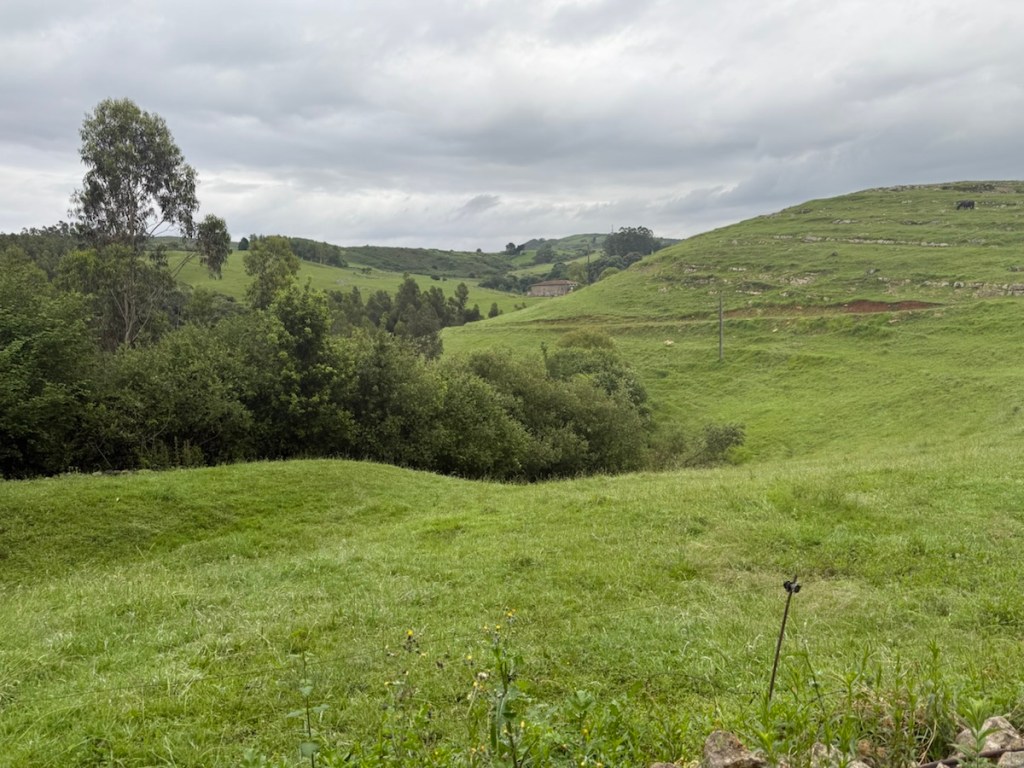
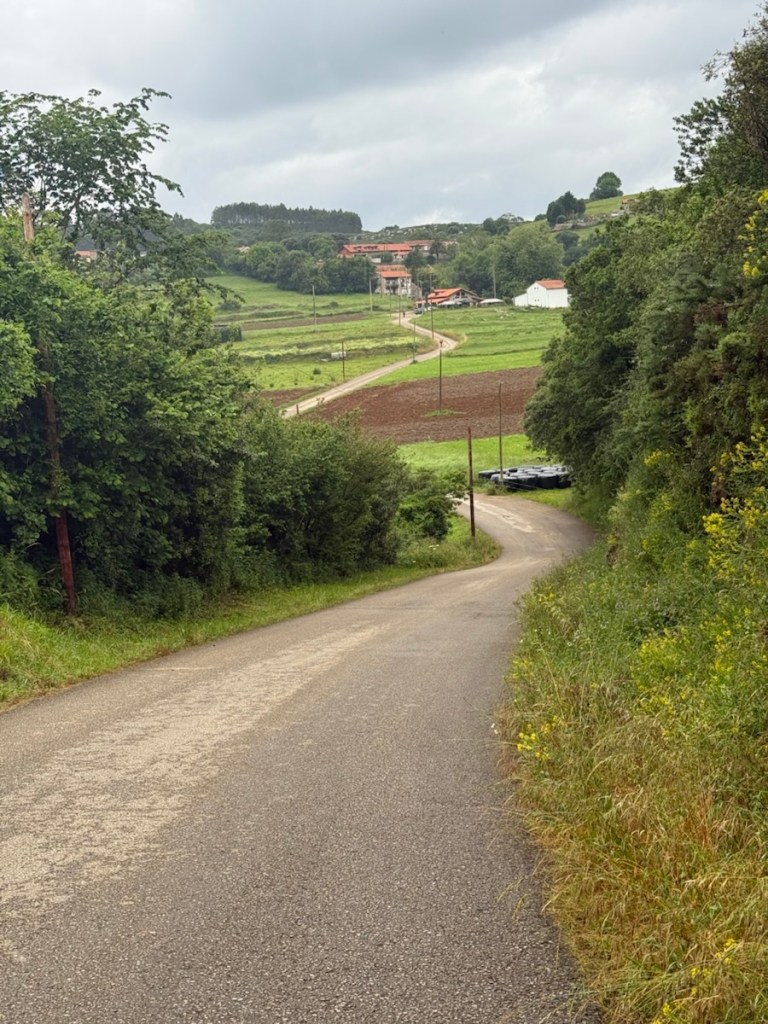
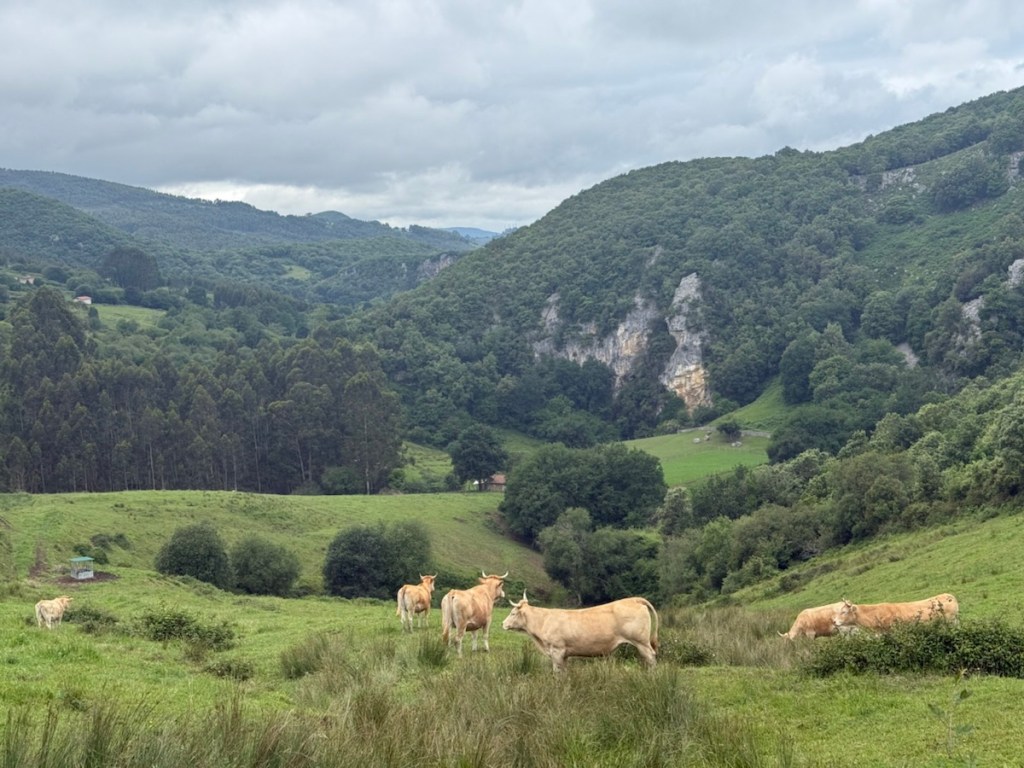
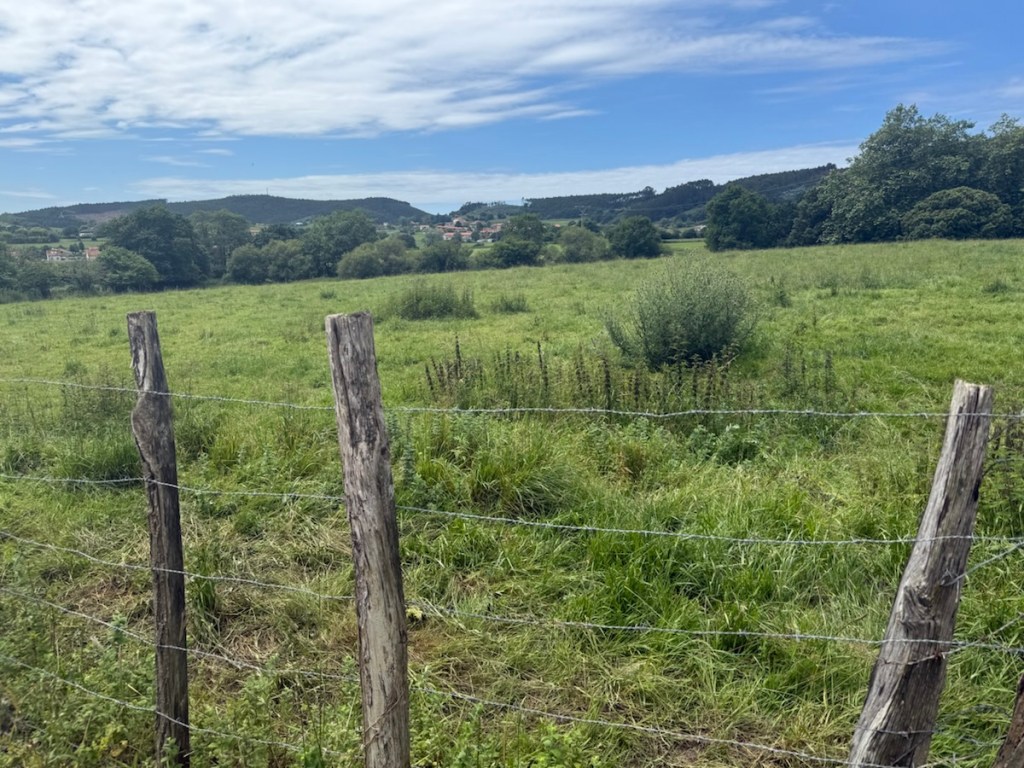
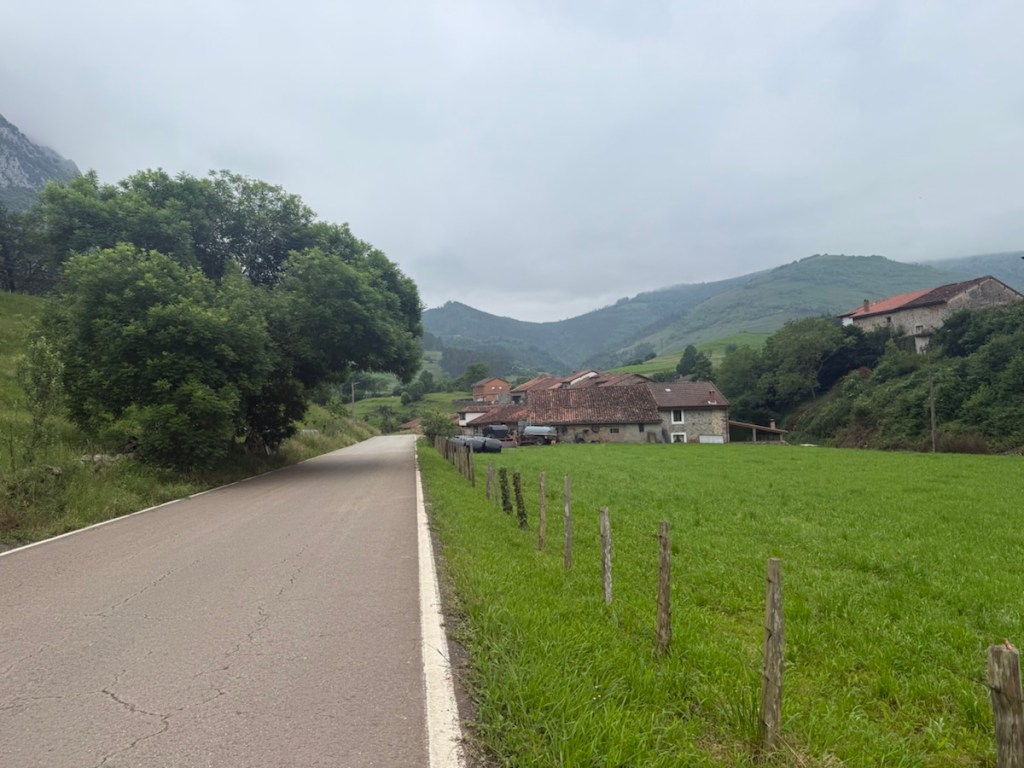
From the summit, the view back was worth every uphill grunt and groan. Behind me, the valley I had just walked through unrolled in layers of green. Ahead, the Picos de Europa rose like a myth, snow-dusted peaks looking down on red-roofed farms tucked into the folds of the hills. This is the kind of place that makes you forget your Wi-Fi password and remember your grandparents’ voices.

The albergue sat right at the entrance to town. Door locked, sure, but bags already inside like a reassuring wink from the Camino gods. Not wanting to wait around for it to open, I followed rumors of the local watering hole: La Taberna de Otto. The only bar in a village with maybe 100 residents, and run by a young Argentinian couple who apparently woke up one day and said, “You know what? Let’s run a pub at the edge of the known world.”

Now to waiting game. At a more respectable hour, I’ll head back uphill back to the albergue and get situated. And since Otto’s is the only food in town, I’ll be headed back down for dinner later.

Tonight, the mountains feel close. The stars feel old. And I feel lucky.

Day 8: San Vicente de la Barquera to Cades – The Camino Lebaniego Awakens

The first half of today’s 25km trek was about as thrilling as watching moss grow on a damp tortilla. Rolling countryside, pleasant enough, but uneventful. I was warned, somewhere between a guidebook and a fellow pilgrim with wild eyes that services were scarce, so I stopped at the 8km mark to perform the sacred Camino ritual known as the Impulse Snack Grab. Orange Juice, cafe con leche, tortilla, and TWO mystery meat sandwich to go, I was provisioned and ready to make poor decisions deeper into the wilderness.

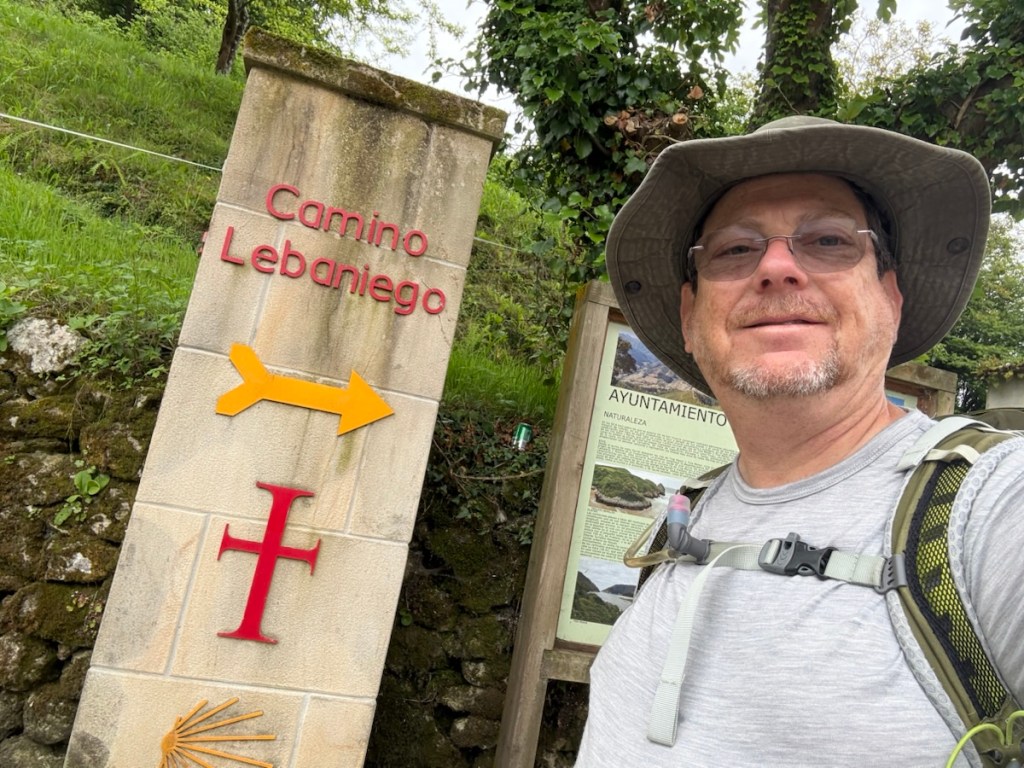
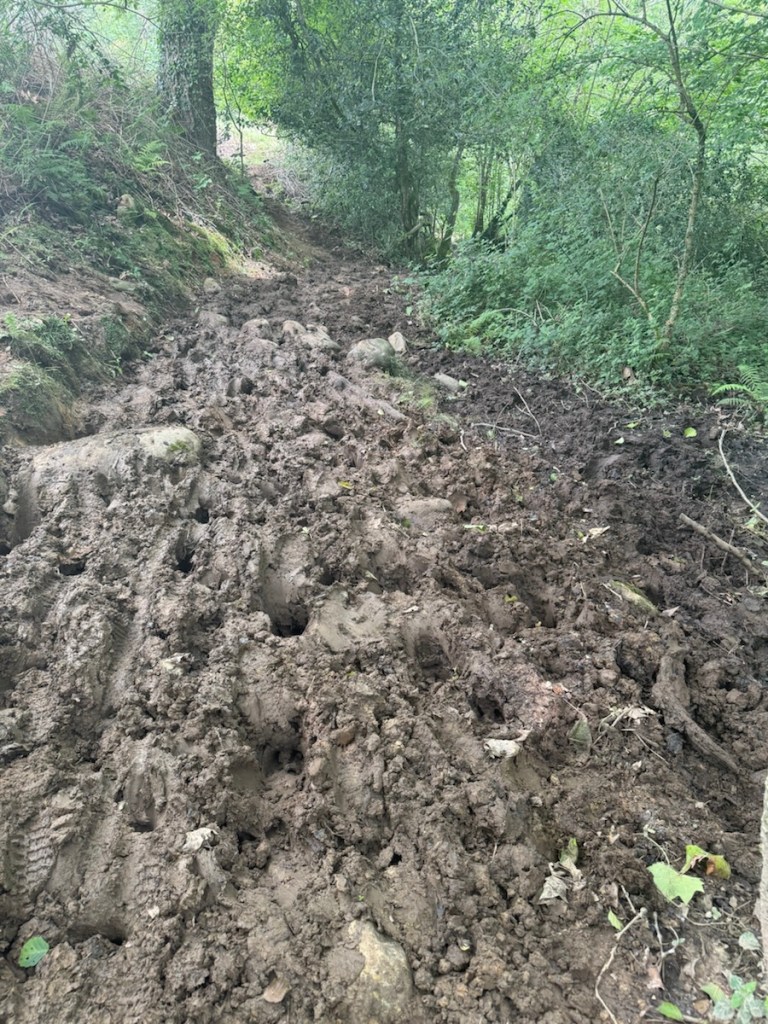
And then—bam—like stepping through a wardrobe into a Narnian fever dream, I left the Camino del Norte and joined the Camino Lebaniego. It was not a subtle transition. One moment I was gliding along on neatly paved asphalt, and the next I was ankle-deep in what I can only describe as nature’s revenge: a pungent blend of mud, cow pies, and the kind of squelch that makes you check if you still have toenails.

This trail did not mess around. It was single track, overgrown, and designed by someone who clearly hated knees. There were climbs that required more prayer than traction, descents that defied geometry, and sections so steep I briefly considered installing a rope system and selling rappel tickets to passing goats.

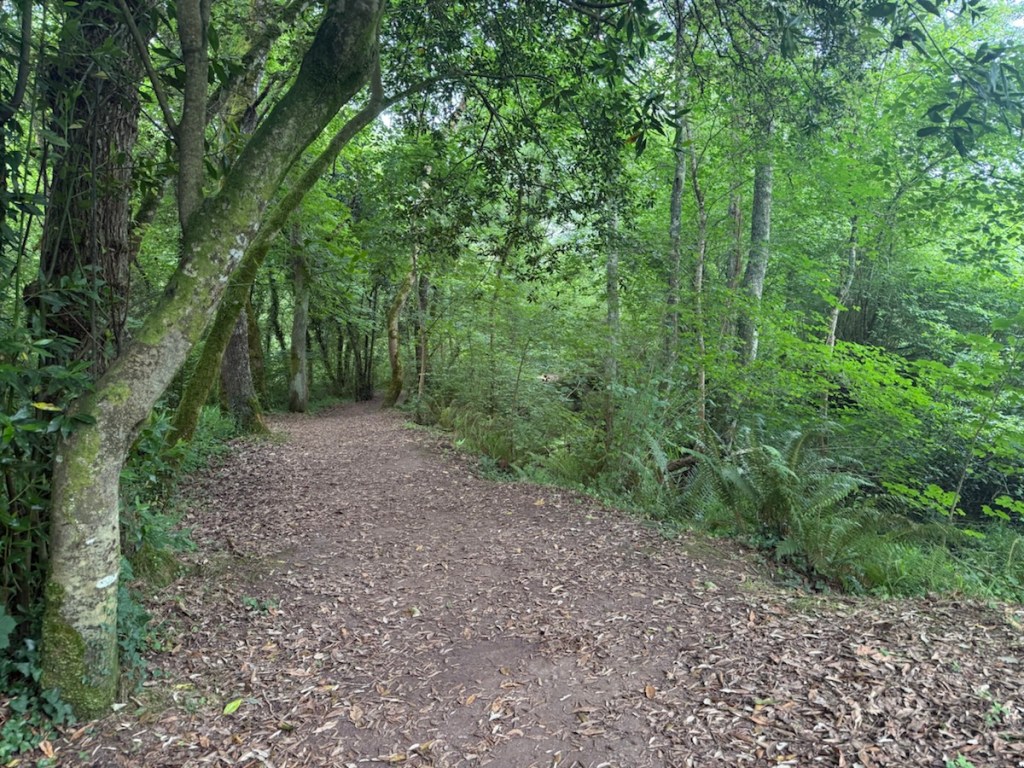
And yet, good Lord was it beautiful. The forest was a swirling kaleidoscope of green: mossy rocks, fern canopies, ivy-laced trunks, and fields that looked like Disney animators had sketched them at peak whimsy. I half expected Bambi himself to prance out and offer me a protein bar.

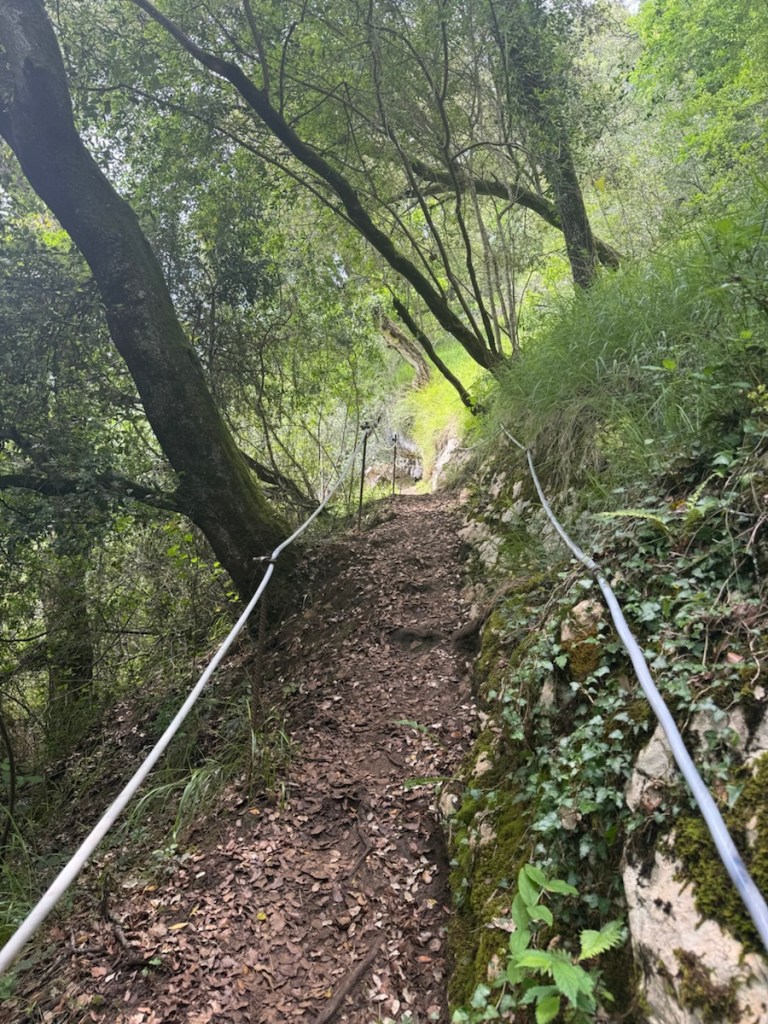
The trail snaked along the Río Nansa, which was either beside you, far below you, or taunting you from a hidden ravine. At one point I found myself clinging to a safety cable bolted into the limestone cliff, contemplating life choices and trying not to sneeze in case I launched myself into the abyss. The cable was more of a polite suggestion than a safety measure. OSHA would have needed therapy.

By the 20km mark, I had begun negotiating with my thighs. They had unionized and demanded a siesta. So I honored their demands with a riverside lunch: a ham and cheese sandwich that had spent the morning marinating in backpack heat and friction. It emerged looking like it had been sat on by a medium-sized bear, but let me tell you—it tasted like victory and questionable choices.

Today may have been the most breathtaking, bone-rattling, mud-caked segment so far. It was quiet, wild, and absolutely unfiltered. Bridges were made from rebar, branches, and (possibly) hope. The trail was both punishment and reward—like being mugged by a forest elf and then hugged by it afterward.

And so I rolled into Cades muddy, tired, and completely alive.

Day Seven: Santillana del Mar to San Vicente de la Barquera

This one falls squarely into the category of “Pilgrims vs. Tourists: The Ongoing Summer Saga.”

The plan was a tidy 24-kilometer stroll to the coastal town of Comillas. I had visions of breezy seaside cafés and maybe even drying my socks in the sun while pretending to be deep in spiritual thought. But somewhere around the halfway point, I caught up with a few folks I had dinner with the night before. They looked at me with the same expression you might reserve for telling someone their dog ran away: “There are no beds in Comillas.”

Just like that, my peaceful seaside plan crumbled like a day-old tortilla.

I pulled out my phone and began the classic Camino accommodation scramble—dialing places while walking, checking apps, trying to convince myself that €125 was a “spiritual investment.” I did find one bed. It came wrapped in a private room, plush sheets, and a price tag that made my backpack spontaneously gain weight. I stared at the listing, sighed like an old monk, and then did what any committed pilgrim would do: I kept walking.

The next logical stop was San Vicente de la Barquera, another 13 kilometers down the coast. No big deal… unless you already had 24 km in your legs and a body that had very clearly voted against an ultra-marathon day.
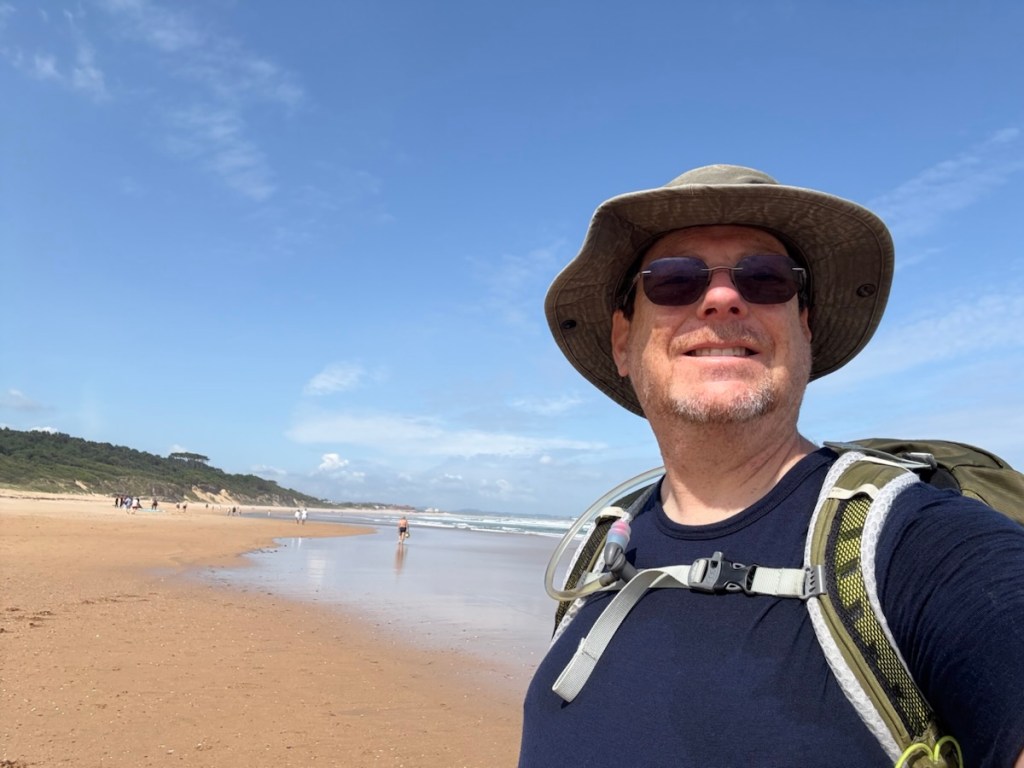
Still, something shifted. Once I made peace with the extended walk (or at least the possibility of one), the day settled into a kind of grace. Rolling farmland gave way to green forests, and the coast reappeared in the distance like a reward for not stressing. I had lunch with some pilgrims I met along the trail, and though we did not walk together, there was that unspoken kinship of people choosing the same path, for their own reasons.

After lunch, I made a decision that every pilgrim faces eventually: I called a cab. No shame in it. My feet were doing a great impersonation of roasted peppers, and a 37-kilometer day was not going to make me a better person.
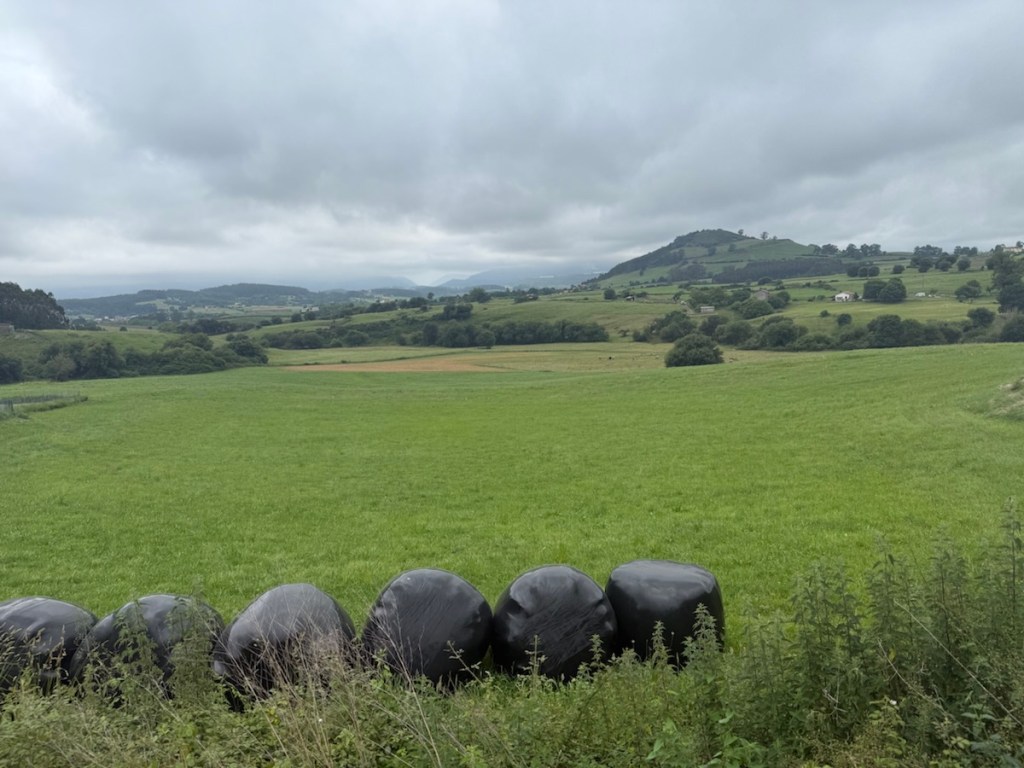
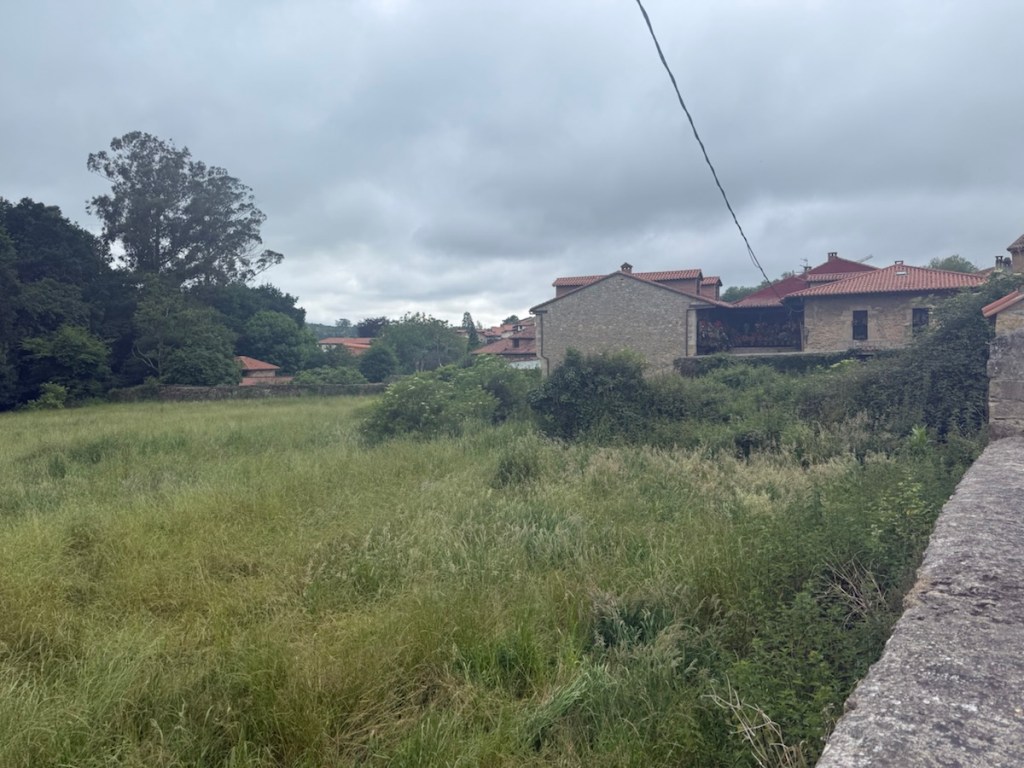
San Vicente greeted me with salty air and a sense of transition. This is more than a geographic waypoint—it is the point where I leave the Camino del Norte and veer south toward the Camino Vadiniense and eventually the Olvidado to a place called Cistierna. I have been here before, in 2022, when I walked the Olvidado and stayed in Cistierna. There is something comforting about returning to a place you know from years prior.

Ahead lie the Picos de Europa, those unruly mountains born from tectonic drama and time itself. I will walk among them soon enough. I will walk, or wander through, up, and over them for the next seven days.

But tonight? Tonight I rest, grateful to have found a bed that did not require a loan application.

Day Six: Güemes to Santillana del Mar (with a Santander Shuffle)

The official stage today was supposed to be a modest 18 km stroll. Reasonable. Sensible. But I am a Coati, not a sensible person.

Instead of heading straight for Santander like any rational biped might, I decided to make a day of it—mixing a pinch of nostalgia with a generous helping of sand-in-your-shoes wandering. You see, Santander holds a special place in my heart. About nine years ago, my oldest flew in from Oxford for Father’s Day, and we spent three glorious days drenched in both rain and joy. It was one of those slow, soggy, beautiful memories that stick with you like wet socks.

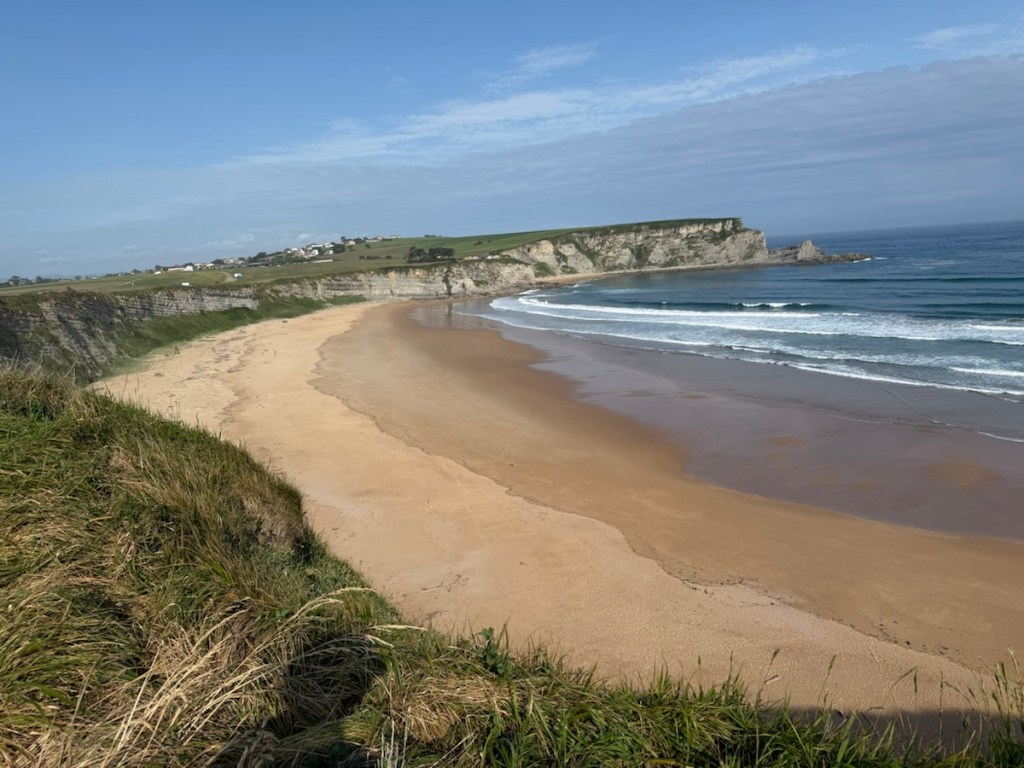
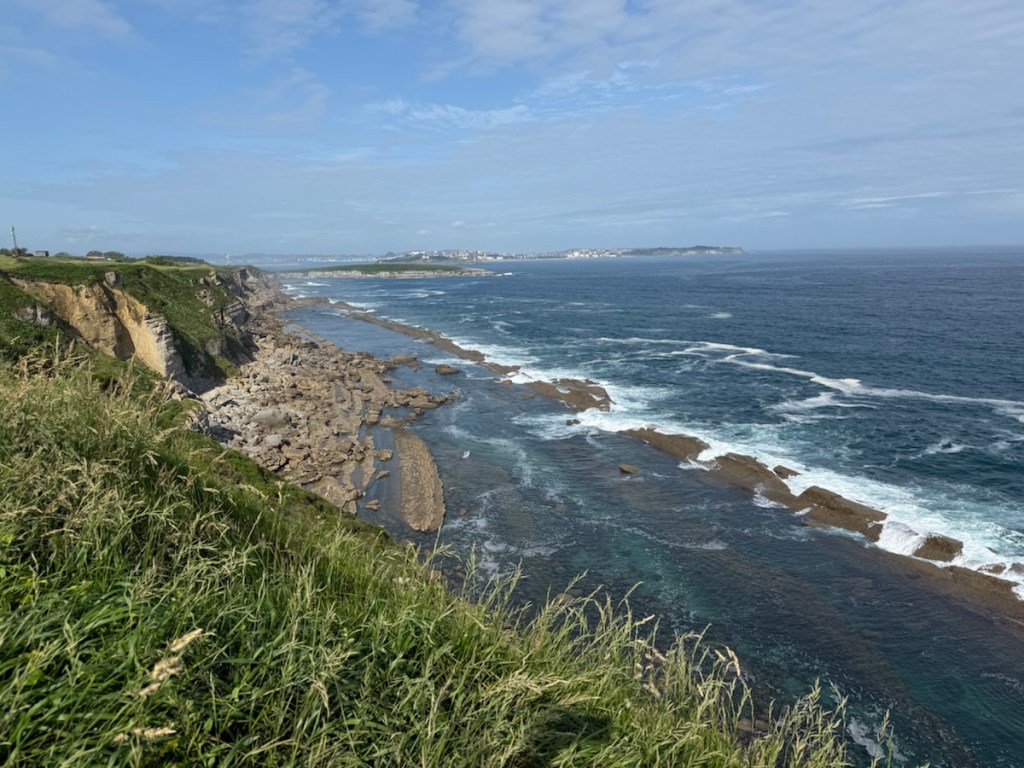
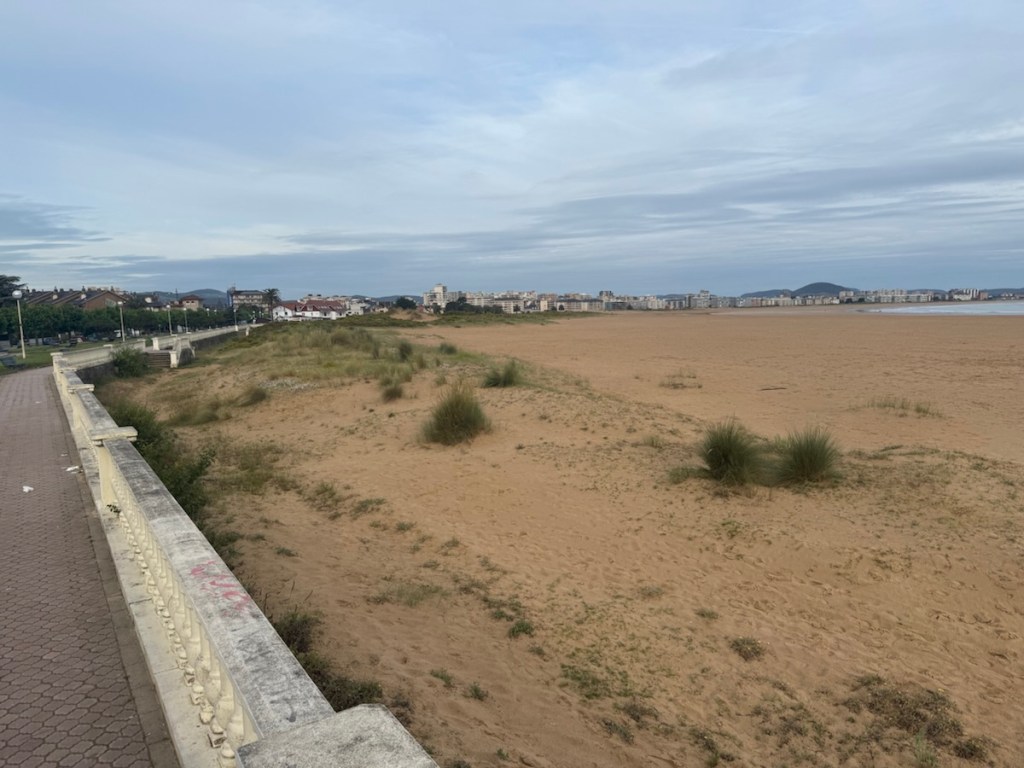
Today, though, the skies stayed clear as I wound my way through the rolling green hills and coastal paths, catching glimpses of the Cantabrian Sea doing its best impression of a postcard. The last stretch was a five-kilometer wander along the beach, where the surfers were just starting to thaw out after winter and the scent of summer was beginning to bake into the sand. The beach had that “before the chaos” calm—sunbathers scarce, surfboards plentiful, and just enough salt in the air to season the soul.

I hopped the ferry into Santander, shared lunch with some newly-minted pilgrim friends I met mid-crossing, and we immediately launched into that sacred Camino ritual: comparing sleeping arrangements. It was like playing musical chairs with backpacks, except half the chairs had already been reserved by tourists who booked in March.

With Santander overrun and albergue beds as scarce as dry socks in a Galician storm, I turned to my stages spreadsheet and squinted. I had a choice: walk 36 km today or walk 36 km tomorrow. Which is to say, I had no choice at all. My knees unionized and staged a protest.

So I made a perfectly legal Camino maneuver: I took the train.

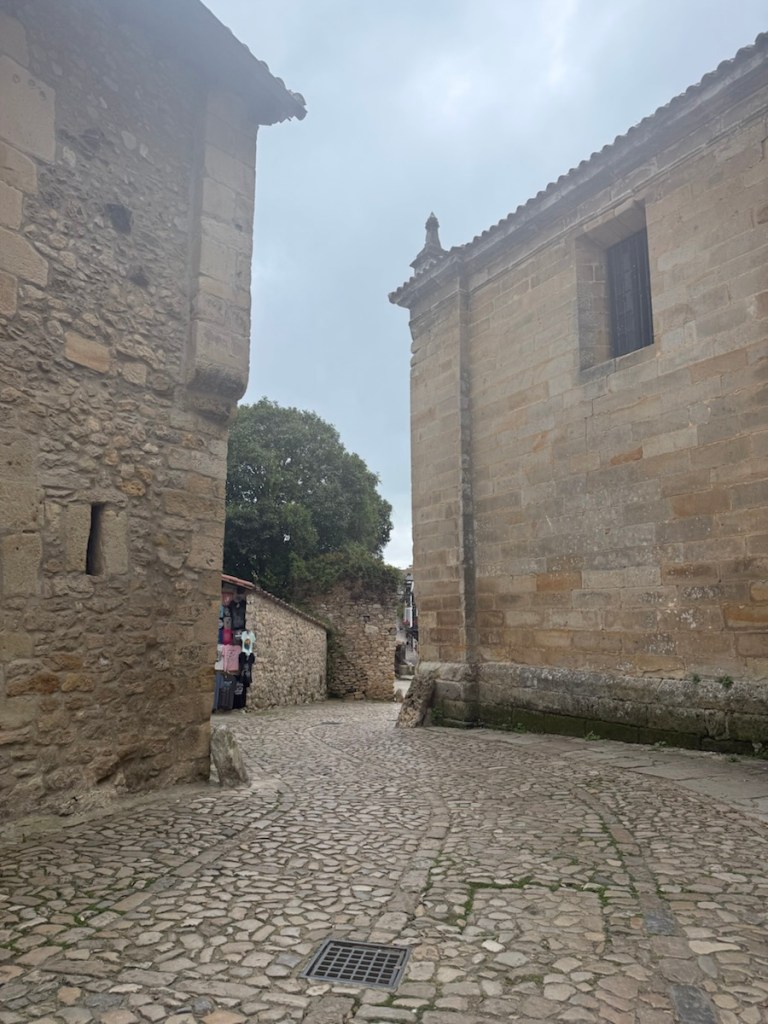
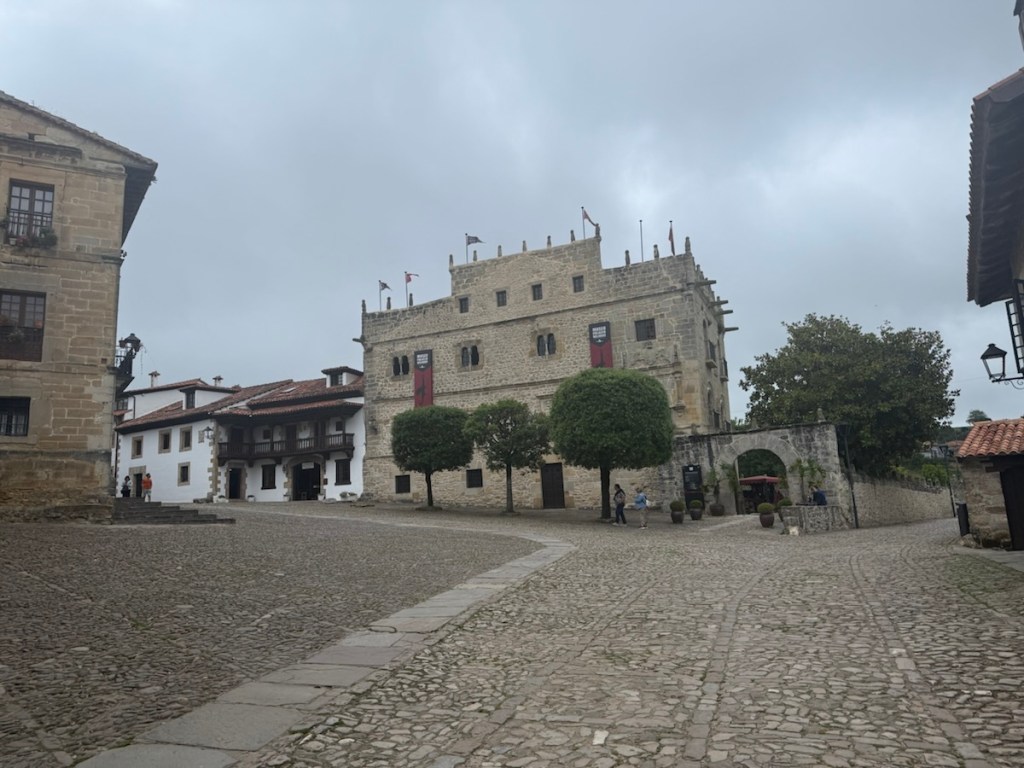
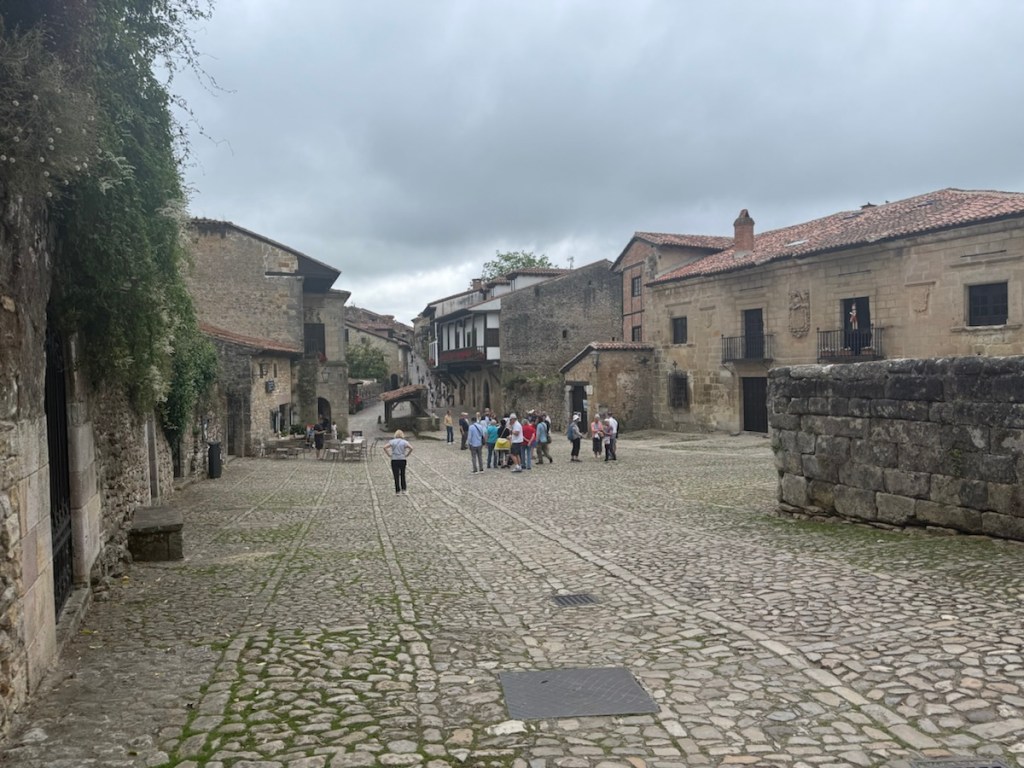
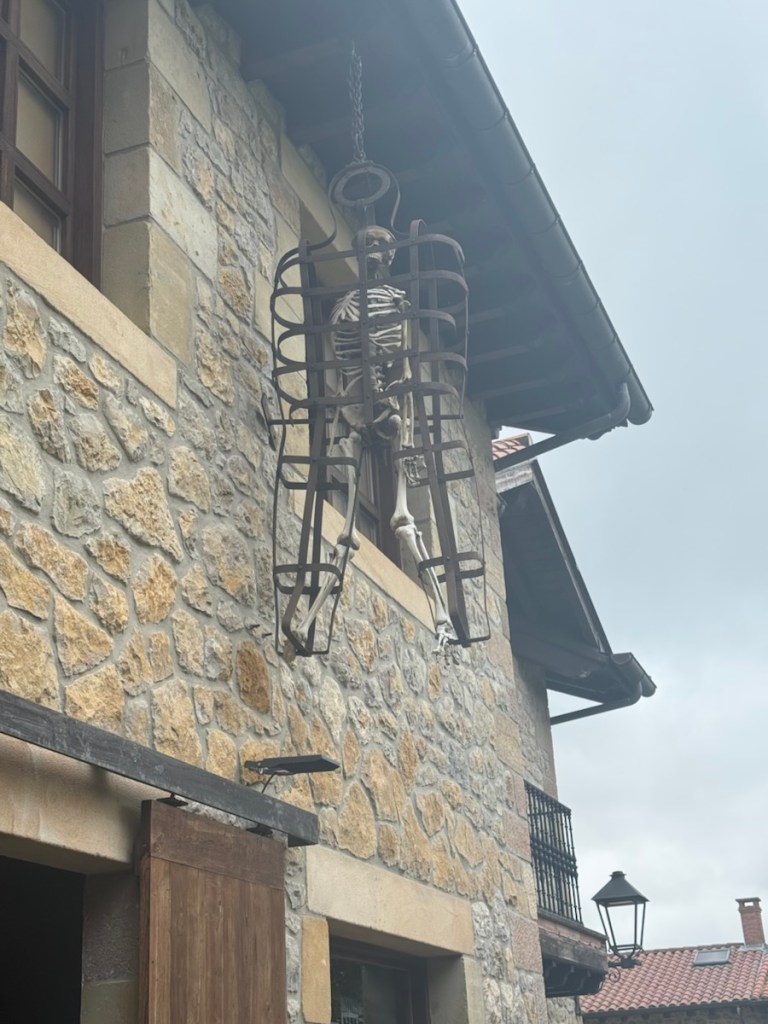
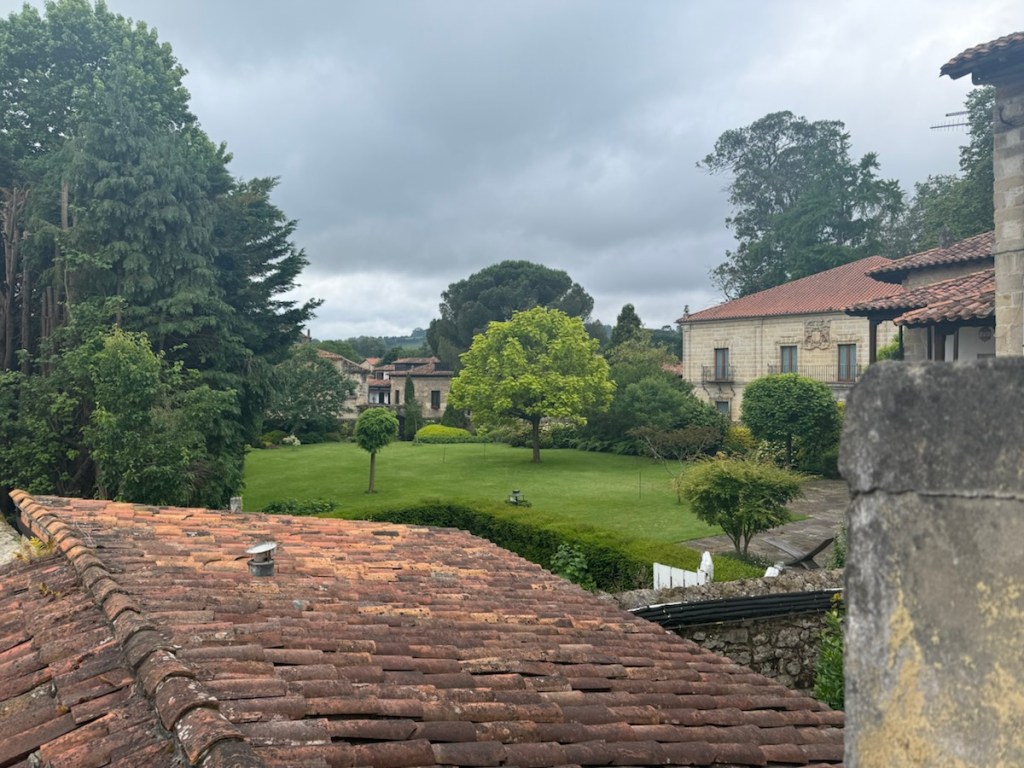
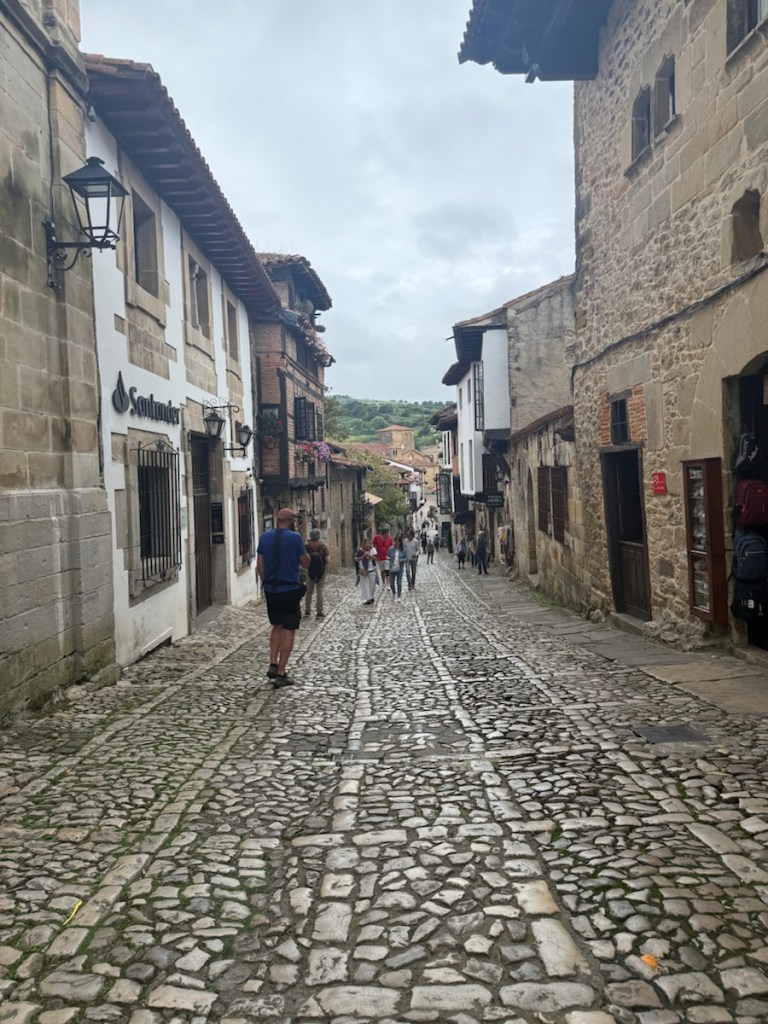
A quick hop and skip later, I was back on my feet and walking the last 7 km into Santillana del Mar, which is neither Santa, nor Llana, nor del Mar. What it is, though, is a living diorama of medieval charm. Cobbled lanes, stone façades with flower boxes, and enough atmosphere to star in a dozen period dramas. Which, it turns out, it has.

Better yet, Santillana had open beds and open hearts. Dinner was a lively affair with new friends and fellow hobble-legged pilgrims, and by 10:30 p.m., we all collapsed into our bunks like felled timber. Lights out, smiles on.

And yes—this wandering path, this unexpected detour, this combination of ferry, feet, and train tickets? It was just right.

Day Five: Laredo to Güemes

The nuns did not kick me out. That’s the headline. Despite my track record with mischief, I made it through a night in a convent without triggering divine intervention or stern looks. A small miracle, really.

This morning had no urgency, thanks to the 0900 ferry crossing from Laredo to Santoña. Getting there, though, felt like I had stumbled into a deleted scene from Indiana Jones and the Ticked-Off Anchovy Fleet. The “trail” was more suggestion than path—mostly overgrown brush that spit me out onto a wide beach. The ferry, bless its little metal heart, docked directly on the sand, gangplank clanging down like a medieval drawbridge.

The crossing was short—barely 100 meters—but absolutely made up for it in entertainment value. Our boat, which I shall henceforth call The USS Minnow, bravely navigated the chaos of returning anchovy boats. Each passing vessel sent out waves that collided with others, multiplying in strength and sloshing us around like olives in a martini shaker. I held onto my pack and dignity with equal desperation.

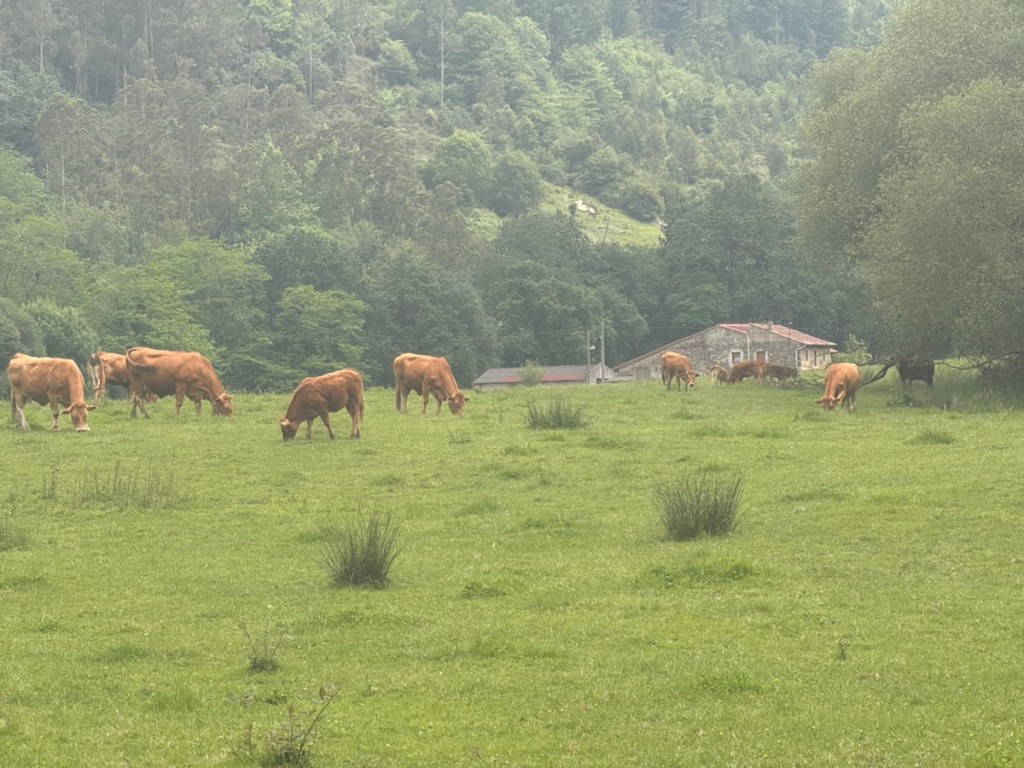
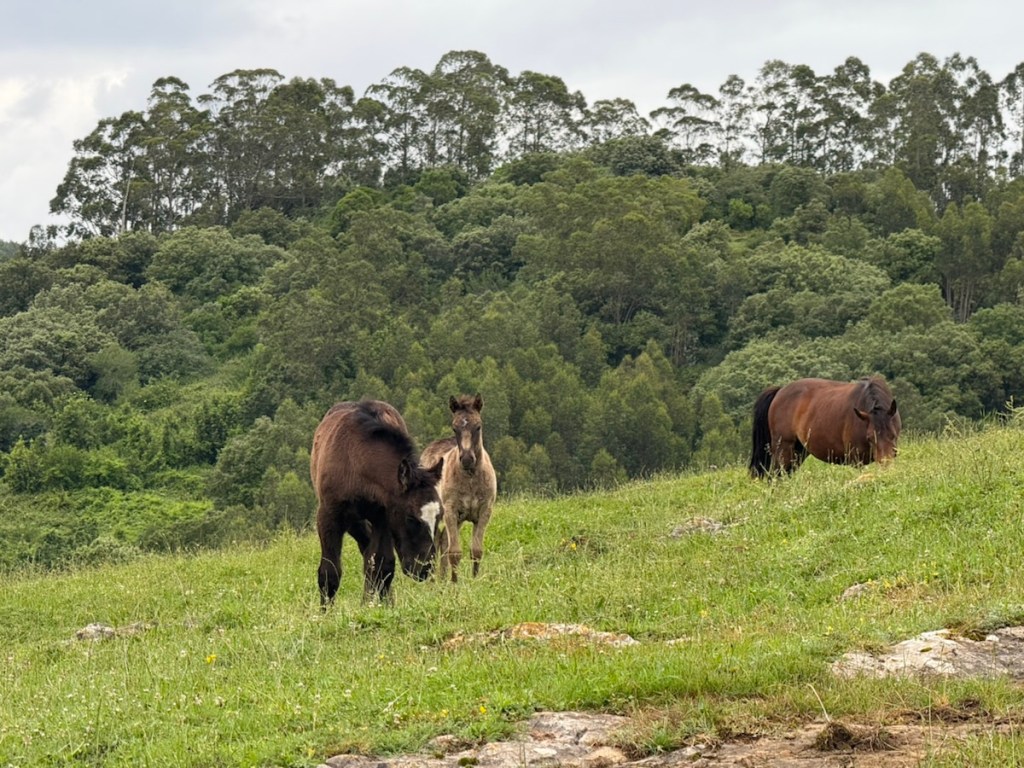
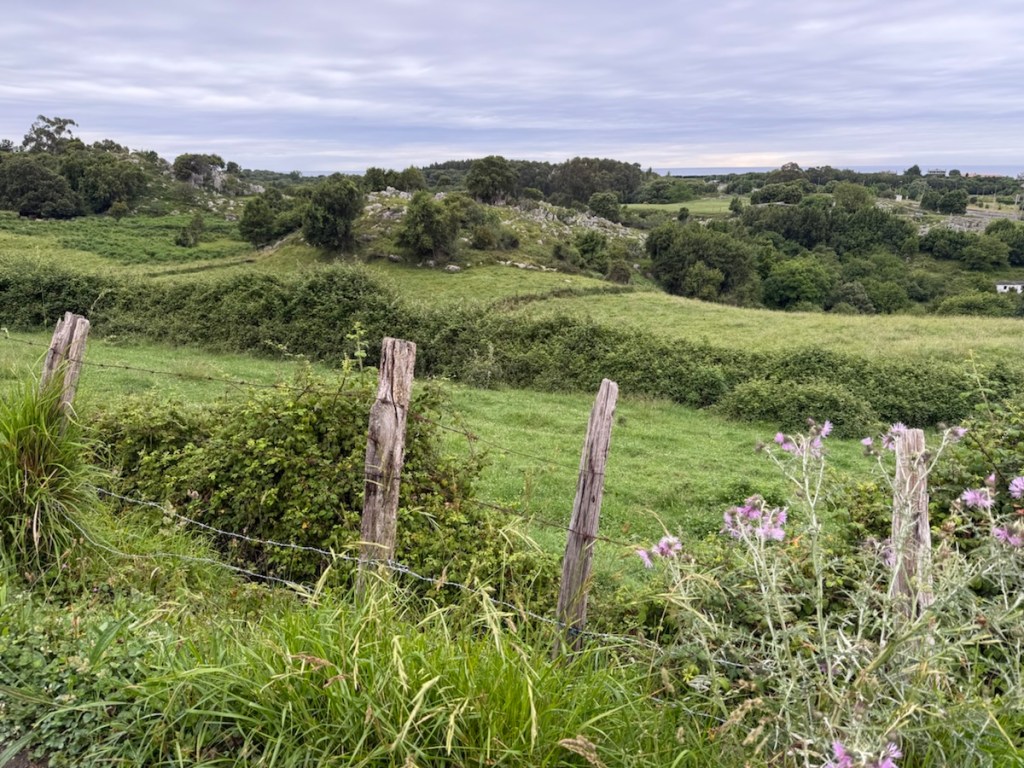
Once on solid ground again, I meandered through a string of sleepy beach towns before climbing into the rolling green hills of Cantabria. The eucalyptus groves whispered, the cows stared, and the paths I took were so quiet I began to wonder if I had slipped into a parallel Camino where I was the only pilgrim. Just me and the occasional “moo.”

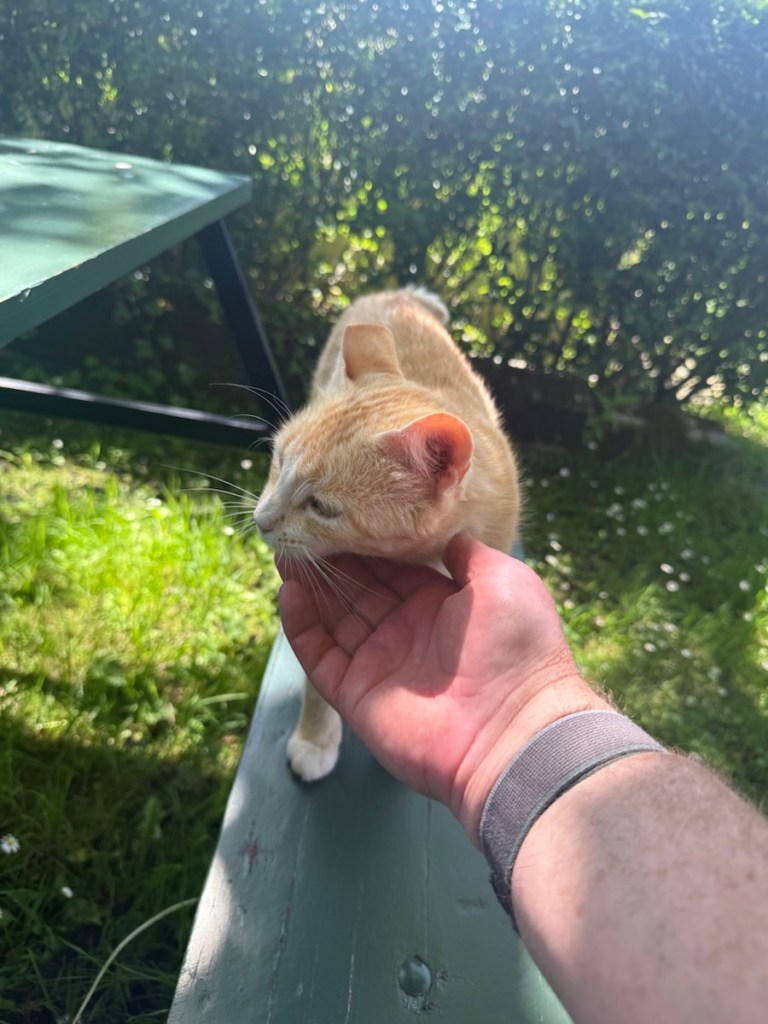
By the time I reached Güemes, I was ready to rest—and apparently so were the cats. The albergue is ruled by at least four of them. These are not skittish farm cats. These are confident, table-top-strolling, bench-hogging landlords with whiskers. One stared me down until I shifted, then claimed the remaining sliver of bench I had left like a true aristocrat.

Today gave me a rare gift on the Camino: cloud cover without rain. My feet are grateful, my spirit is full, and my bench is shared. Not bad at all.

Day Four: Postscript. Challenging Spanish convent hours.

It never fails. After 30 kilometers, your brain enters a state I call pilgrim mush—a delightful cocktail of fatigue, hunger, and the vague misunderstanding in your own mind that common sense no longer apply to you.

In my case, this led to a tragic error. I wandered out for dinner in what began as a a clear sky and transformed, with all the subtlety of a Shakespearean plot twist, into a downpour. Naturally, my rain gear; jacket, pants, dignity was back in the albergue, neatly laid out on my bed like a shrine to better planning.

Dripping wet and muttering prayers to Saint James, I sloshed back to the convent only to discover the doors were locked. Not just locked, but medievally locked, with a sign in three languages, no less explaining that from 17:15 to 19:45, entry is forbidden. Apparently, even modern pilgrims must endure penance.

Cue the impatient Frenchman. He rang the bell. He knocked. He read the sign and knocked again, as if it were a riddle he could brute-force. The nuns, however, were mid-chant, likely summoning divine patience for moments just like this. I watched the door remain unmoved. The Lord may be forgiving. The sisters’ lock schedule is not.

Embarrassed by proximity, I did what any self-respecting soggy pilgrim would do: I retreated to the nearest café to dry off and plot my next move. As I stepped in, the young woman behind the counter gently informed me she was closing. I sighed the sigh of a man denied both sanctuary and sandwich.

But fortune, in the form of human kindness, smiled once again. She was from El Salvador, and we struck up a warm, familiar chat that made me forget the cold. Before I left, she told me she would open at 07:30 the next morning just in time for me to swing by for breakfast before my next trek.

And just like that, tomorrow’s forecast includes good coffee, a warm smile, and if I can remember my rain gear, a dry start.

Day Four: The Cats, the Climb, and the Kaz Limón

Today’s journey from Castro Urdiales to Laredo came in at a respectable 30 kilometers, a solid march, made a little shorter thanks to some clever rerouting. If I had followed the official route, I’d still be out there somewhere cursing Roman engineers and looking for a vending machine.

One of the stranger effects of walking a route you have done before is how selectively the brain chooses to remember things. You would think, “Ah yes, this bend in the trail! This scenic overlook!” Nope. Today was a complete memory blackout—except for one glorious recollection: the bar ahead served Kaz Limón. And let me tell you, few things in this world taste better than a citrusy, cold Kaz Limón when your internal temperature has climbed to molten lava. I practically tap-danced up to the bar.

What I did not remember was the hill. Let us call it The Hill That Shall Not Be Forgotten Again. A 280-meter climb over about three kilometers is the Camino equivalent of Stairmaster Roulette. It does not look that dramatic on paper, but on the ground, it had my calves trying to file a complaint with HR.

The trail was busy today, way busier than it has been. I exchanged a handful of “Buen Caminos” and polite waves, but mostly kept to myself. It was that kind of day. Cool enough to walk without breaking into a sweatstorm, and dry enough that I only had to put on my rain gear for the final three kilometers. The drizzle was more of a polite suggestion than actual weather.

I even followed my own advice today. Frequent breaks. Eat when you are hungry. Lay down when the opportunity arises. I found a nice park bench and let gravity do the rest. Unfortunately, my impromptu siesta drew in a couple of alley cats who apparently had some ancient vendetta to resolve. Nothing like a mid-nap feline brawl inches from your head to snap you back to reality.

Tonight’s lodging is at an albergue run by nuns, and if you have never been checked into a convent by two cheerful women of the cloth laughing at your jokes, you are missing out on one of life’s gentler joys. Their warmth added a lovely ending to an otherwise thigh-burning day.

My legs are officially tired. Tomorrow is another long haul, but the reward after that will be a short 11-kilometer glide into Santander, a city I once explored with my oldest child nine years ago. It rained every day back then. This time, the weather gods are promising sun. We shall see. Either way, I am glad to be back on this road.

Day Three: Rain and Goats, from Bilbao to Castro Urdiales

Today marked the first real day of walking—and naturally, I began it wide awake at 2 a.m., listening to the dulcet tones of seven other pilgrims snoring in harmony. Had I been asleep, I suppose I would have joined the chorus as the eighth member, possibly adding some rhythmic nasal overtones. But alas, I lay there, staring at the bunk above me, as a thunderstorm rolled in to complete the pre-dawn concert. Just what every anxious pilgrim needs before a soggy 25-kilometer march.

The official Camino route out of Bilbao is a dreary 19-kilometer trudge through industrial wastelands. I have done it twice already. Once with youthful optimism. The second time with resigned acceptance. This third time, I made the only reasonable choice: I took the metro.

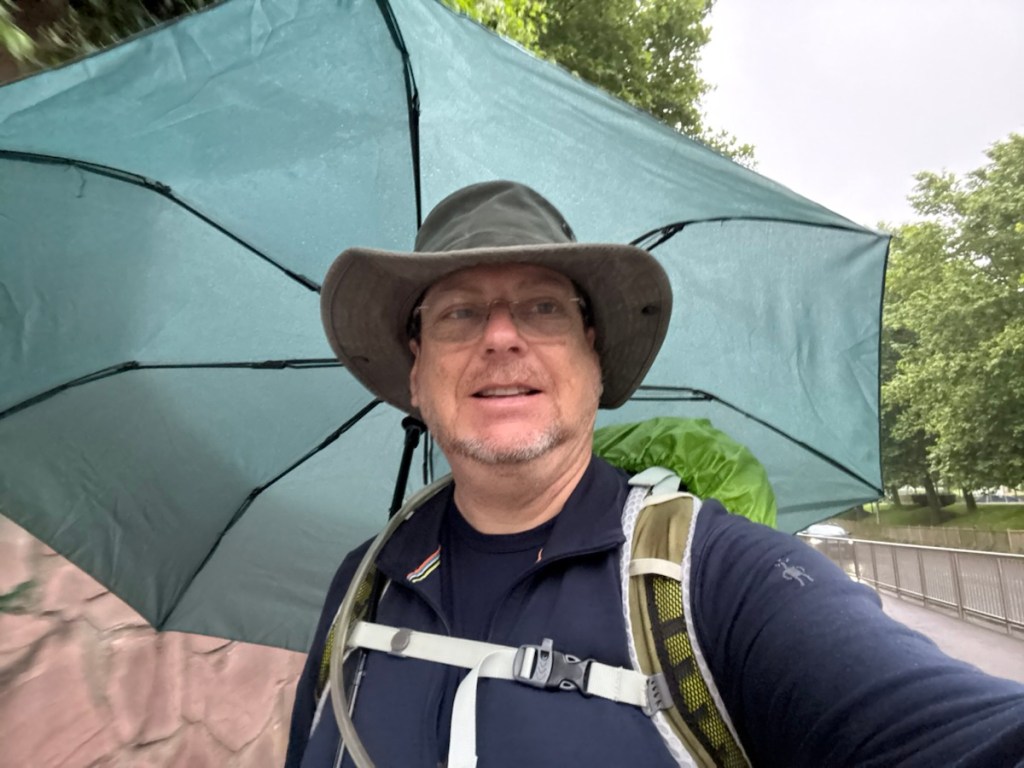
Stepping off in Portugalete, I stopped at a café for a comforting breakfast. Eggs, bread, hot café con leche—the kind of fuel you want before a long day. And then… as if on cue, the skies opened up. Not a dramatic storm. Oh no. Worse. The kind of relentless drizzle that starts off charming and ends in full-scale mutiny against your boots, your socks, your will to live.

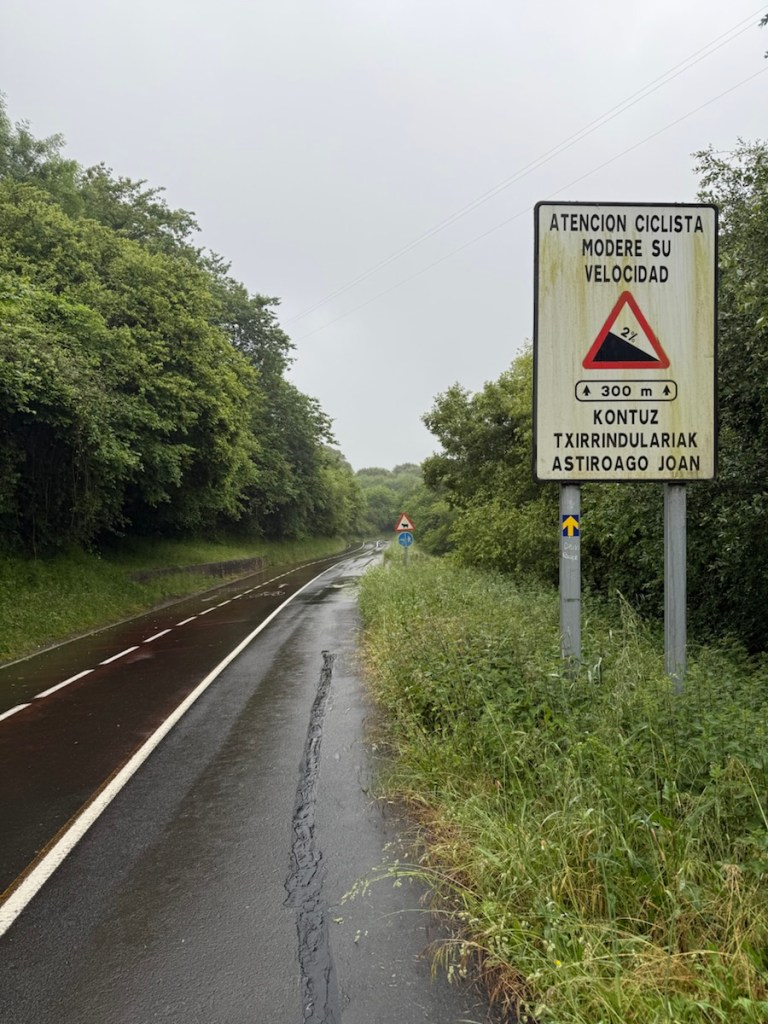
For the first 11 kilometers, I followed the “Red Road,” a smooth and straight pedestrian-bike highway that slices across the Basque Country. Free to use, yes—but not free of consequences. Asphalt is a cruel mistress to the soft-footed pilgrim. My soles throbbed in protest after a few hours, and I realized that “pounding the pavement” is not just a metaphor.

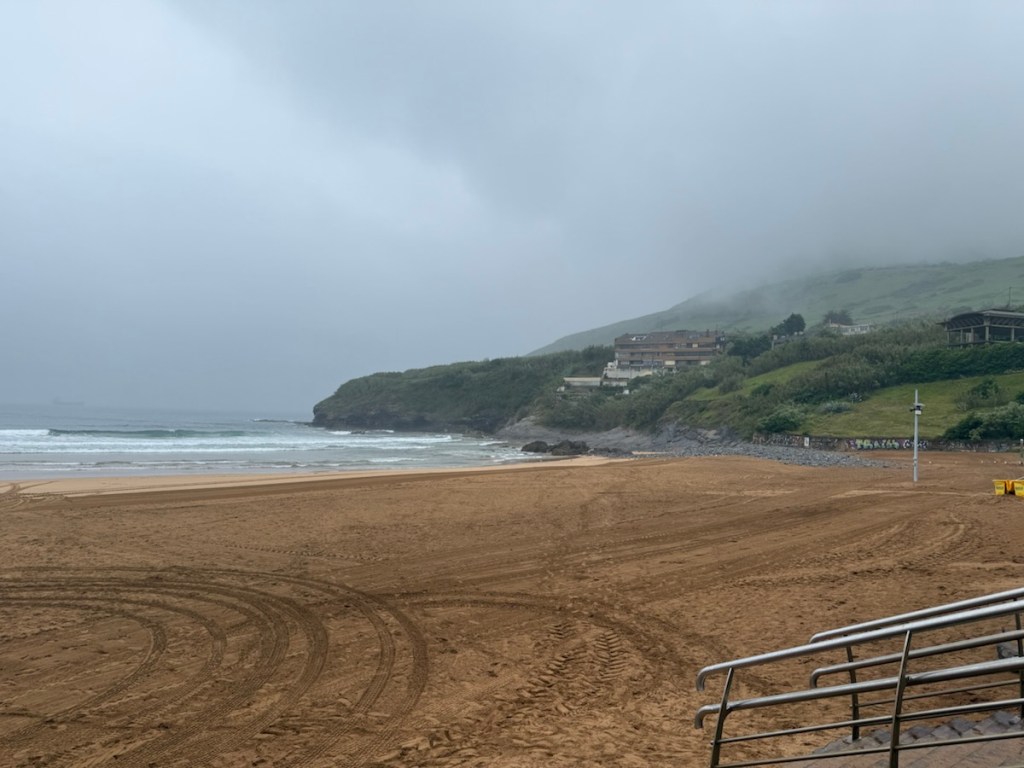
I stopped for a snack in Playa Arena, where I watched a row of tractors, fresh from combing the beach, getting lovingly hosed down by their owners. It seems the locals take clean sand very seriously—even in the rain, even when the only beachgoers are soggy surfers and lost pilgrims eating soggy peanuts.

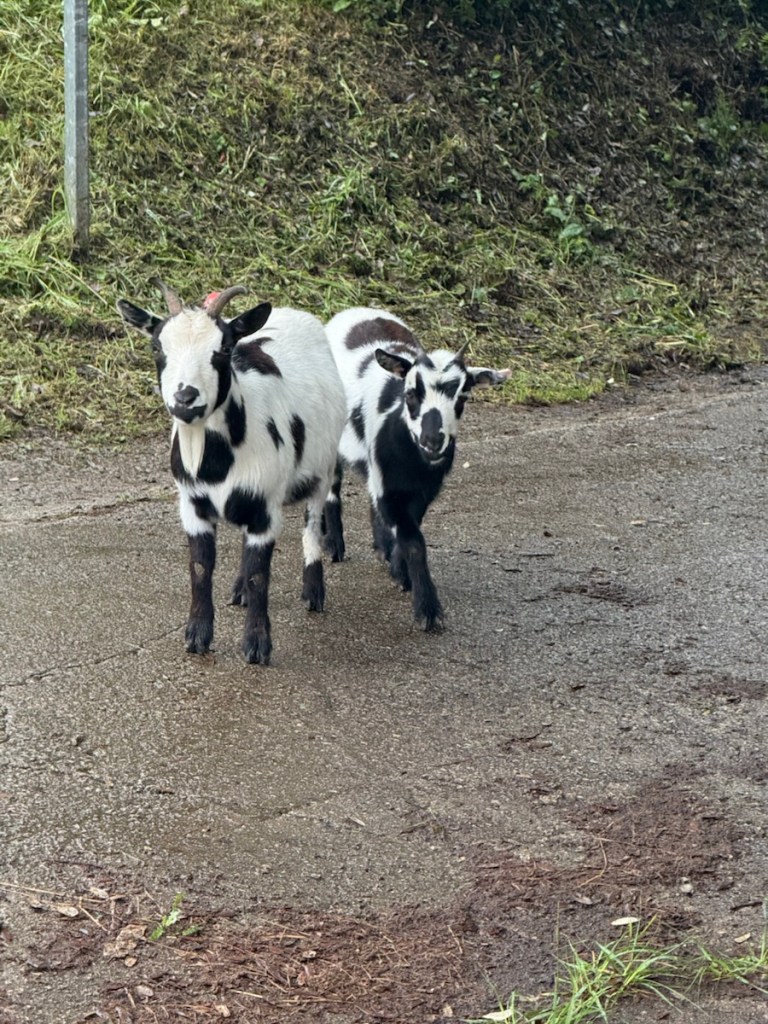
Shortly after, I encountered two goats. Actual goats. They emerged from a thicket looking confused, or maybe just judgmental. I offered a hand—empty, alas—and they moved on. Or so I thought. Minutes later, I looked back and there they were, trailing behind me with quiet persistence. Maybe they thought I had snacks. Maybe they were planning to mug me for the chocolate-nut bars buried in my pack. I did not stick around to find out.

The rain wore on. And so did I. I normally stop every two hours for a break and a bite, but today I broke my own rule. The cold and wet made me push through instead of pause, and I paid for it: shivering, aching, energy tank flashing empty. By the time I reached Castro Urdiales, my feet were numb bricks, and my back felt like it had been introduced to medieval torture.

Worse still, my phone refused to register my waterlogged fingers. I was cold, soaked, and technologically ghosted. Eventually, a kind stranger let me dry my phone on the back of their shirt, and I booked the first private room I could find—more than double the price of the albergue, but worth every euro for a hot shower and clean, dry clothes. I slept like the dead for two hours.

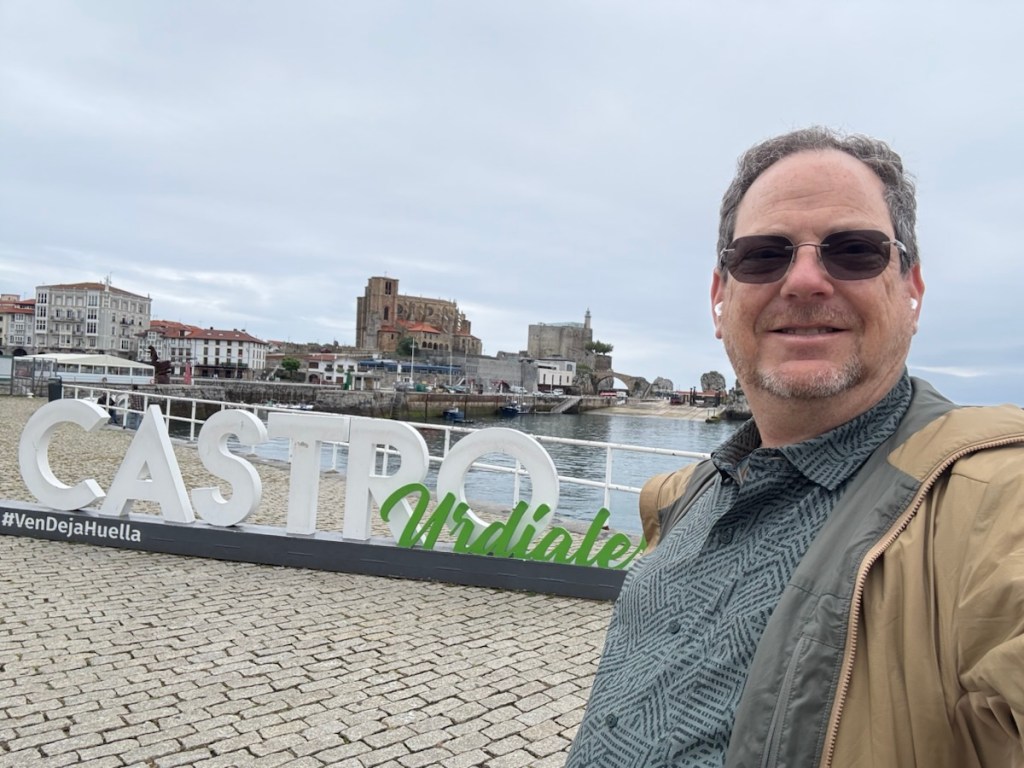
Later that evening, reanimated and refreshed, I wandered the narrow streets of Castro Urdiales. It is a charming town, despite the tourist gloss. Somewhere between the stone church and the seaside promenade, I realized I had crossed into Cantabria, though the border sign remained hidden by fog and my own exhaustion.

I treated myself to Pintxos and a well-earned caña, my first of the trip. Sitting in a warm bar, beer in hand, watching locals laugh and tourists squelch past in wet sandals—it hit me. Despite the rain, the pain, and the goats with questionable motives, I was here. Walking again. Alive in this moment.

And for that, truly, I am grateful.

Day One: Getting There

It started, as all misadventures do, with great optimism. I left my house near San Francisco at 10:00 a.m. Pacific Time, still fresh-faced and foolishly confident, bound for Bilbao via Madrid. The airline proudly announced our ride would be an Airbus A350-900, a plane so modern and enormous it likely required a PhD just to flush the toilets. They called it an “enhanced cabin experience.” What they meant was “you’re about to get to know your seatmates on a cellular level.”

This marvel of engineering featured a 3-3-3 seating arrangement, which meant I was wedged into the window seat like a letter in a too-small envelope. At first, I was optimistic. Window seats offer views, a headrest, and an illusion of control. But optimism evaporated the moment Garlic Guy sat down beside me.

He wasn’t actually named Garlic Guy, of course, but that’s what I called him in my mind. His breath was a pungent fog of undercooked garlic, possibly fermented, possibly weaponized. Every exhale burned. And when he wasn’t breathing at me, he was releasing slow, silent clouds of intestinal anguish that could have qualified as a biological event. The man was a mobile compost heap.

Add to this the seat pitch, clearly designed by someone who had never met an adult human, and my head firmly embedded in the seatback in front of me. I could feel the heartbeat of the guy reclining in front of me. And there was no hope of escape. Not unless I wanted to perform a full-body extraction that involved scaling the seatback like a disoriented pizote trying to leap from one tree branch to another. On my second attempt, I tripped over a headphone cord, elbowed the armrest, and landed halfway into the aisle with the grace of a sedated coati waking up all of the poor souls that managed to fall asleep for a brief moment.

We flew east into a four-hour night, which gave me just enough darkness to not sleep while dreaming about what it might feel like to stretch. After what felt like a week and a half, we landed in Madrid, and after a short hop north, I finally arrived in Bilbao.

As we descended into Bilbao, something unexpected happened. My forehead was still stuck to the window, half-asleep and dehydrated, when the clouds broke open to reveal the rolling emerald of the Basque countryside. It wasn’t just green, it was vibrant, like the whole region had been dipped in spring and wrung out over the hills. Forests blanketed the hillsides, meadows shimmered with wildflowers, and the city nestled into the landscape like it belonged there. It hit me hard, a gut-level certainty: this is a place I could call home. I hadn’t even touched down yet, and already I felt anchored.

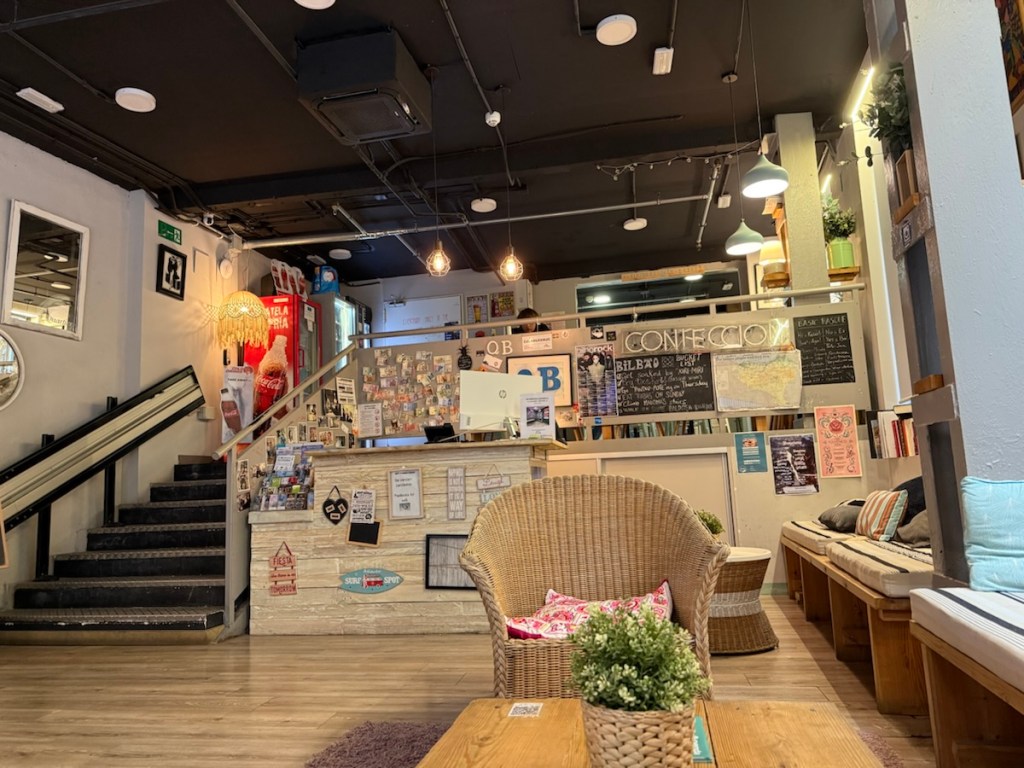
Twenty-one hours after I had left, I checked into a hostel that offered me the lower bunk: a lovely wooden coffin with about 80 centimeters of headroom. The upper bunk had more space, but only three steps, one of them a lie, and I wasn’t about to test the limits of my remaining coordination.

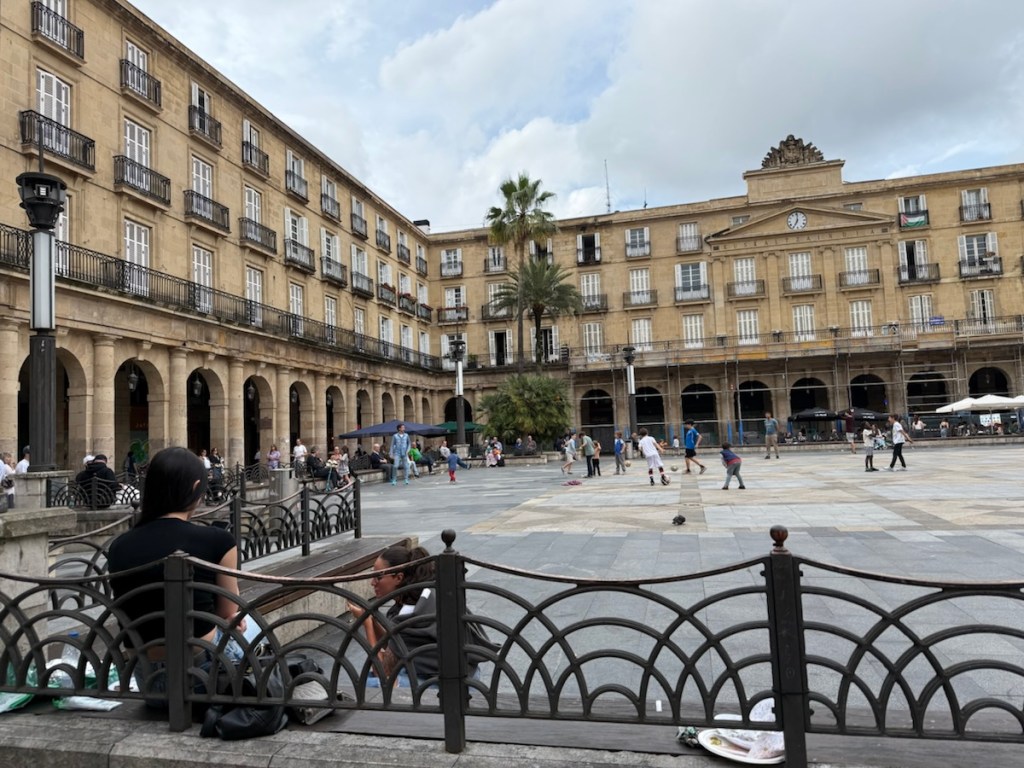
What I needed was food, air, and the quiet hum of other people’s conversations. I headed toward Plaza Nueva in the Casco Viejo, the kind of public square that feels like it’s been waiting for you to show up. Children ran free like pigeons, parents leaned into conversations, and the whole plaza pulsed with that timeless Spanish Sunday rhythm; the one where nobody is in a rush and somehow everything important still gets done.

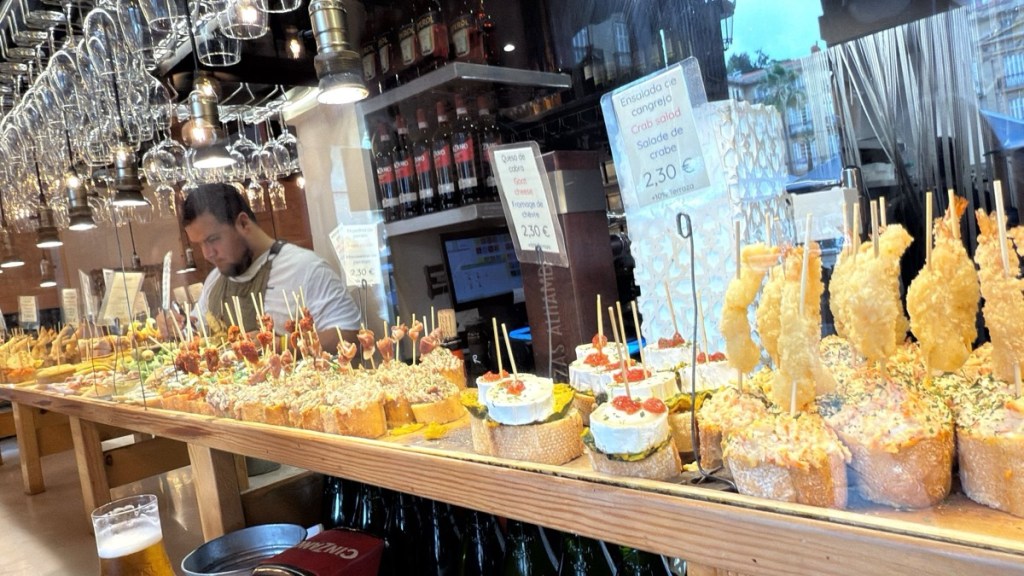
I found a pintxo bar tucked into one corner of the square, a little jewel box of clinking glasses and laughter. There was a glass divider between me and the barkeep, and despite my best efforts to speak clearly, we ended up in a classic game of charades. I pointed. He nodded. I pointed again. He handed me something else. I was so hungry it didn’t matter what it was; ham, cod, some kind of marinated mystery on bread. It was all good.

I stood there at the counter, slowly chewing, watching life unfold around me. The plaza, the people, the late afternoon sun sneaking in through the archways. No one was hurrying. No one was yelling. It was like the world had turned down the volume just for a moment so I could hear myself breathe again.

I was still tired. My nostrils were still singed. But I was there, in Spain, in my favorite kind of place, surrounded by strangers who didn’t care who I was, just happy to share the moment. And for the first time all day, I didn’t feel like I was trying to get anywhere. I was already there.