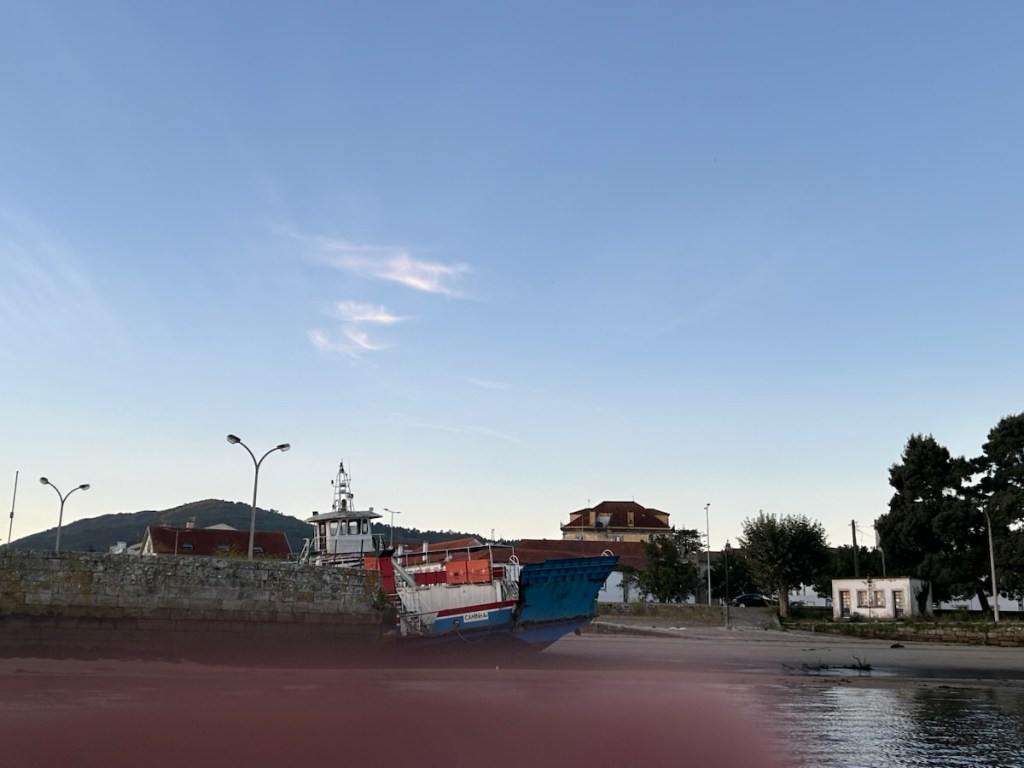
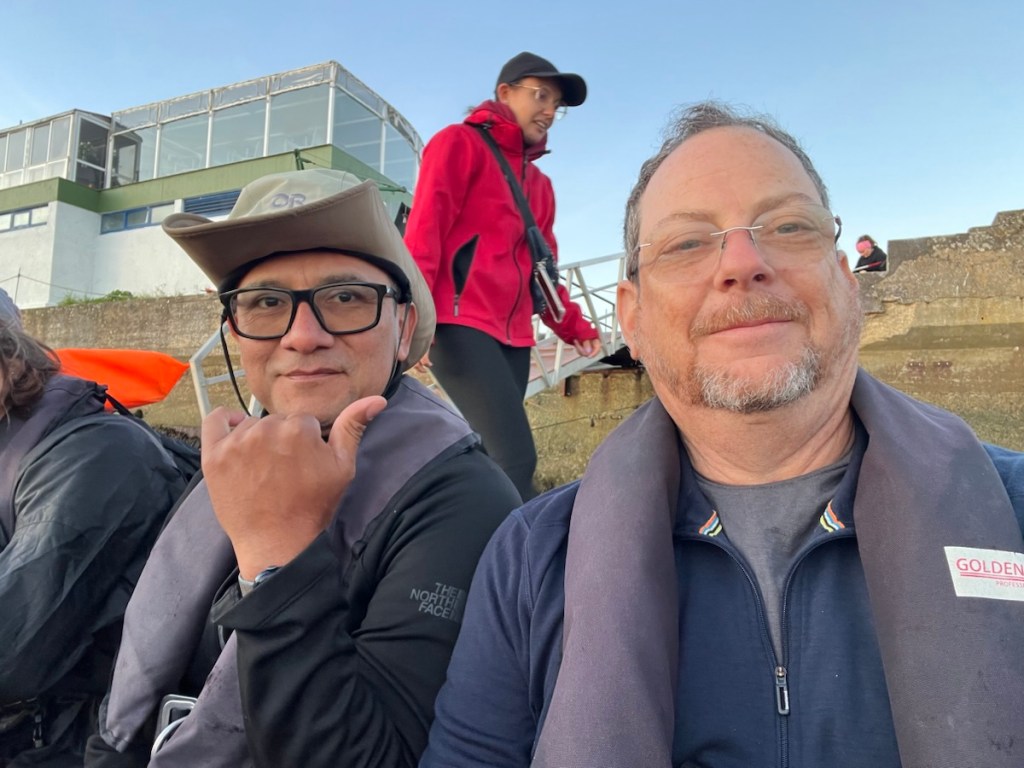
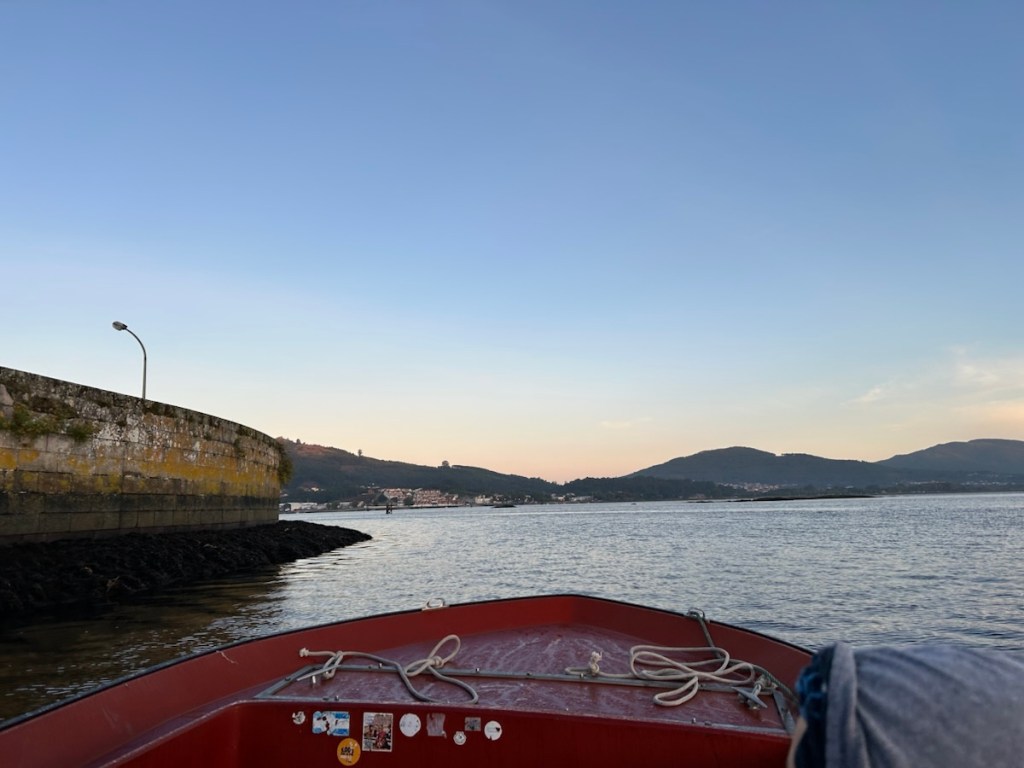
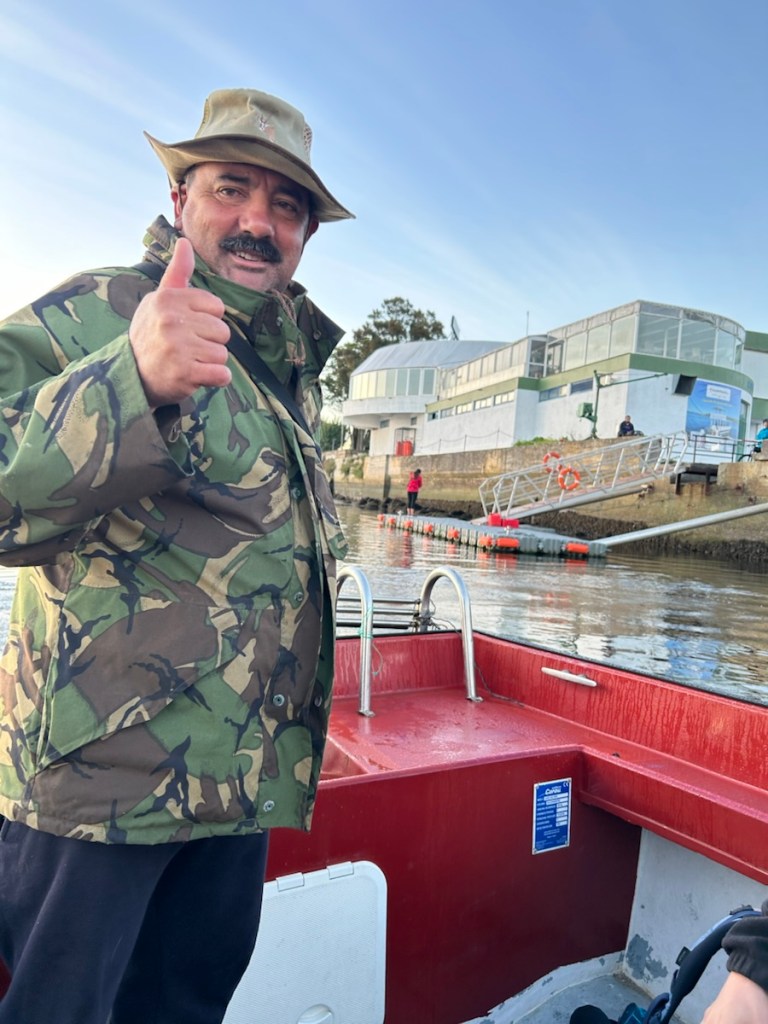
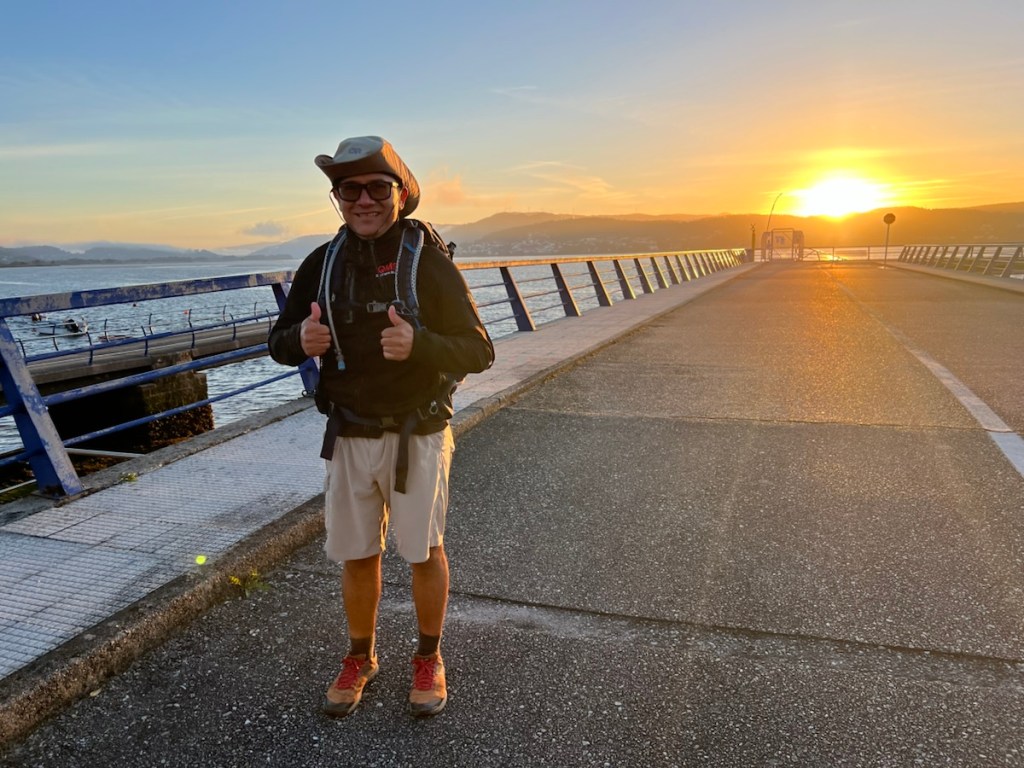
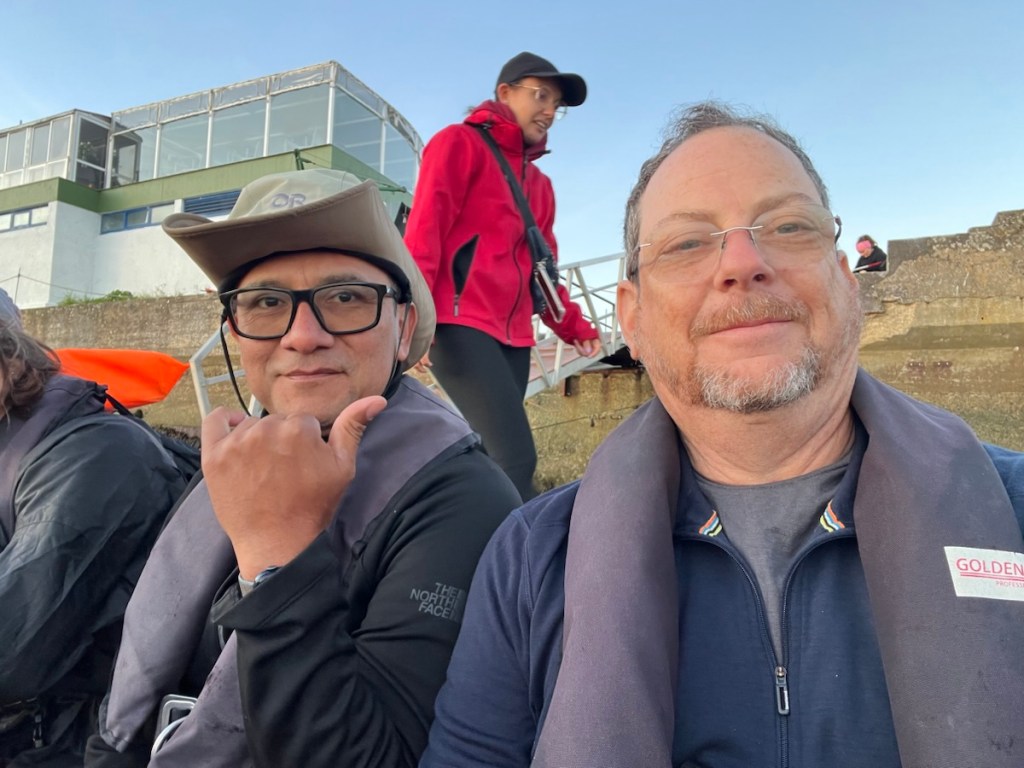
Saying goodbye to Portugal, we got up early and walked a few blocks to the pier to catch a water taxi. It was overbooked—double the capacity—with only room for 8 people in the little boat, probably the same one I took across the river seven years ago. The other eight had to stay behind, waiting for the taxista to come back for them.
Though the water was calm, it was pretty chilly, cold enough for me to pull on my gloves for the ride over.
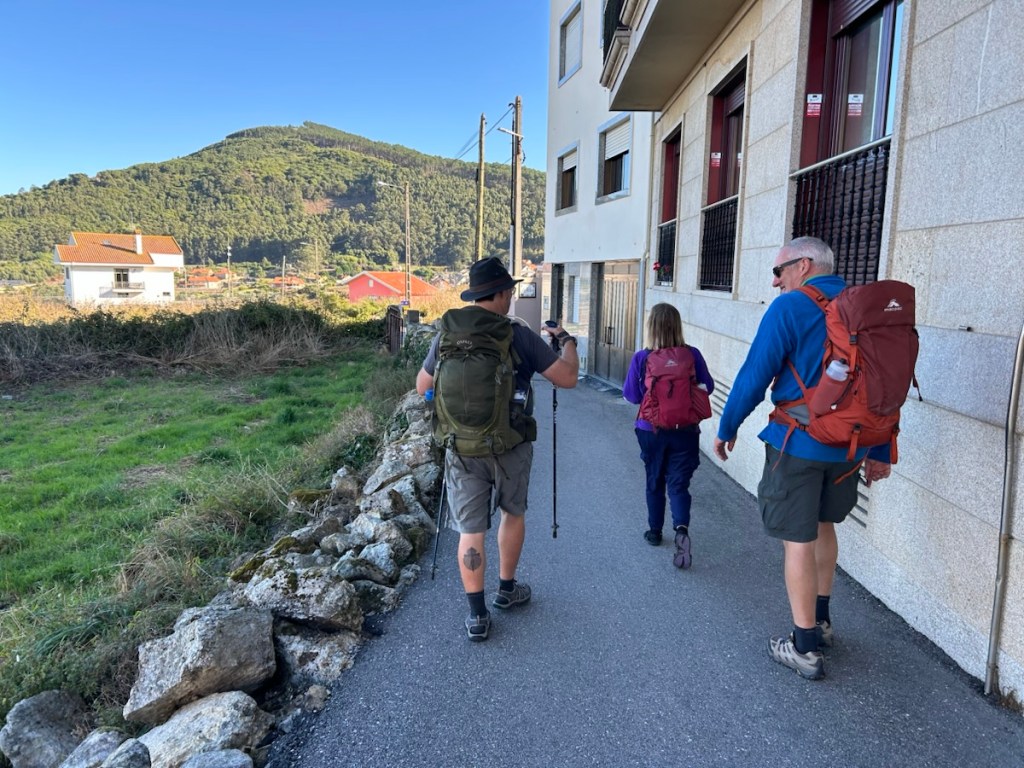
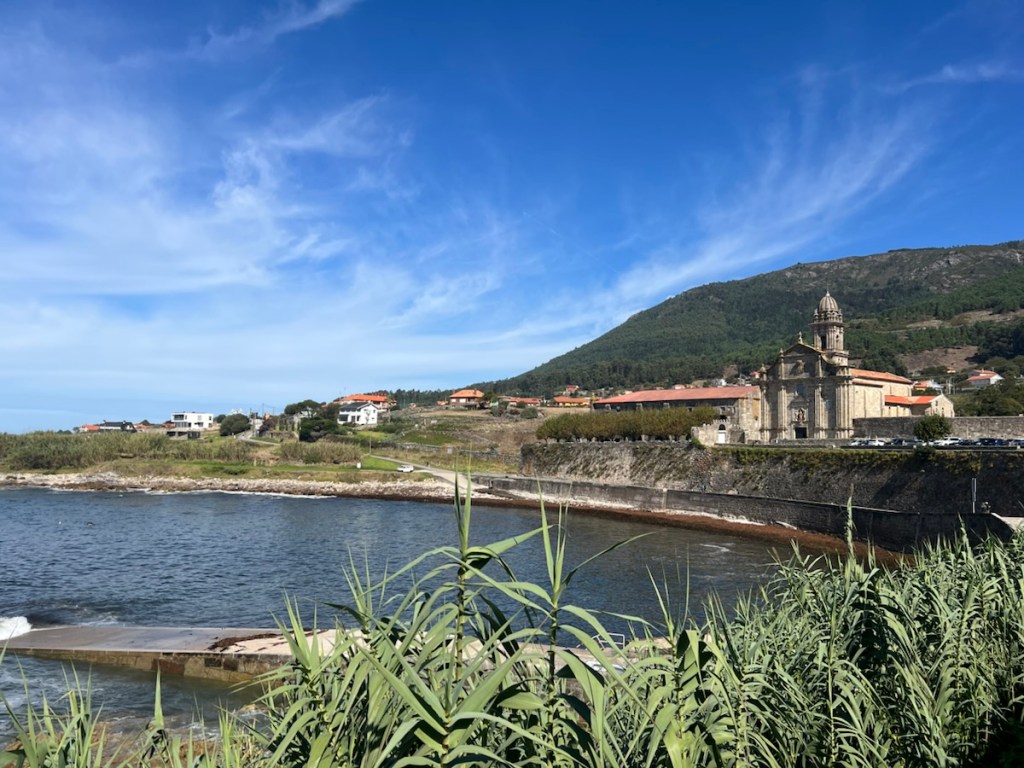
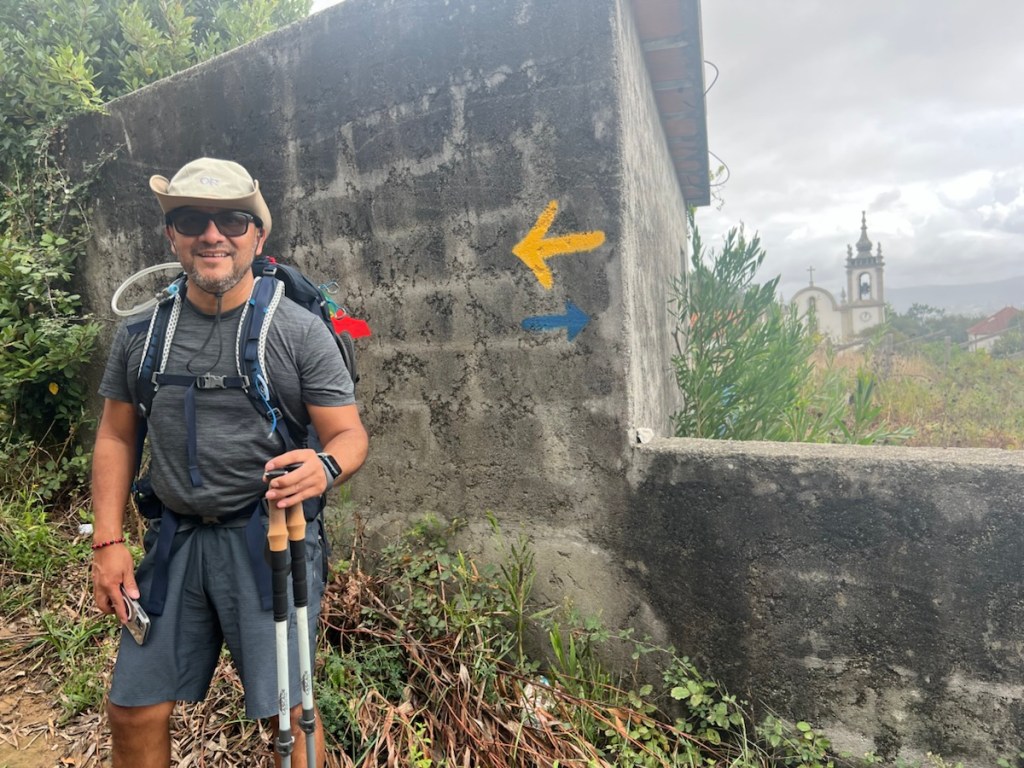
With our goodbyes to Portugal behind us, we landed in Spain and made our way up the hill to A Guarda. We had two options: climb up and over the hill, or take a longer, 4km detour along the coast. We chose the climb. About a third of the way up, a local stopped us and insisted that we take the back route, saying it was shorter, wiser, and conveniently led past his brother’s bar. But that path would have put us on the highway, and while the climb was marked with the familiar yellow Camino arrows, the alternative wasn’t. We stuck to the established path, but the others trusted the local over the guidebooks and went around.
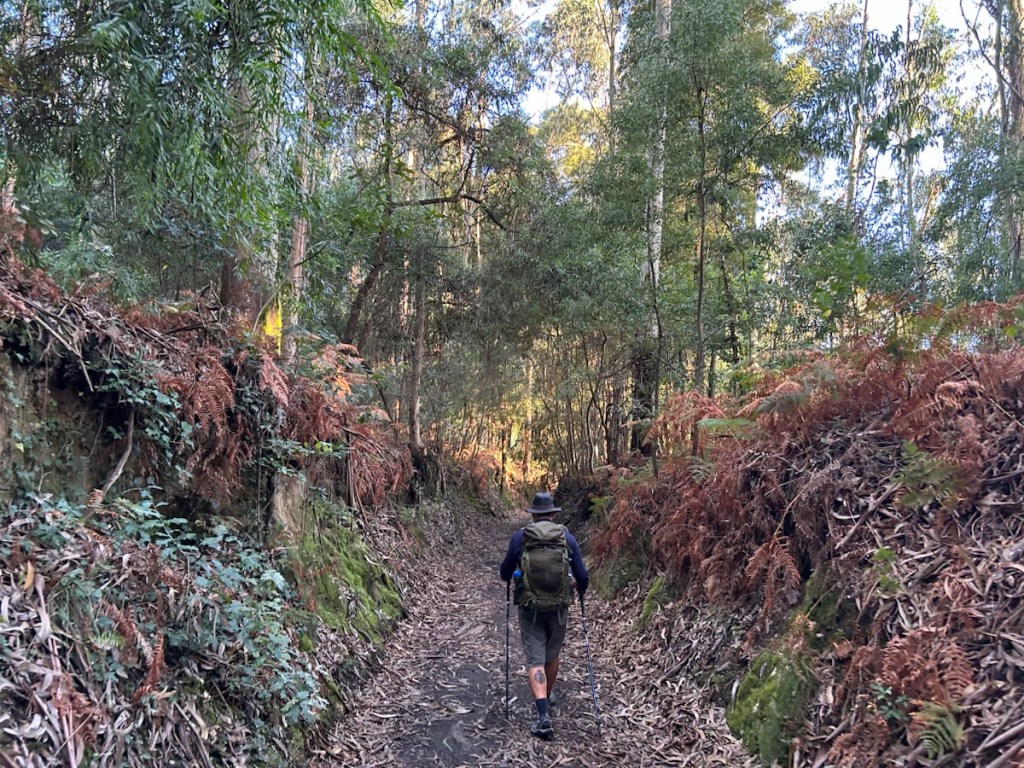
We avoided the highway and instead walked through a beautiful eucalyptus forest.
As we entered A Guarda, my phone buzzed with a welcome message from my mobile carrier, reminding me to switch my eSIM from Portugal to Spain. That’s when I noticed the time change—despite being on the same longitude as Galicia, Spain is an hour ahead of Portugal. Looks like we’ll be losing an hour of sleep tonight!
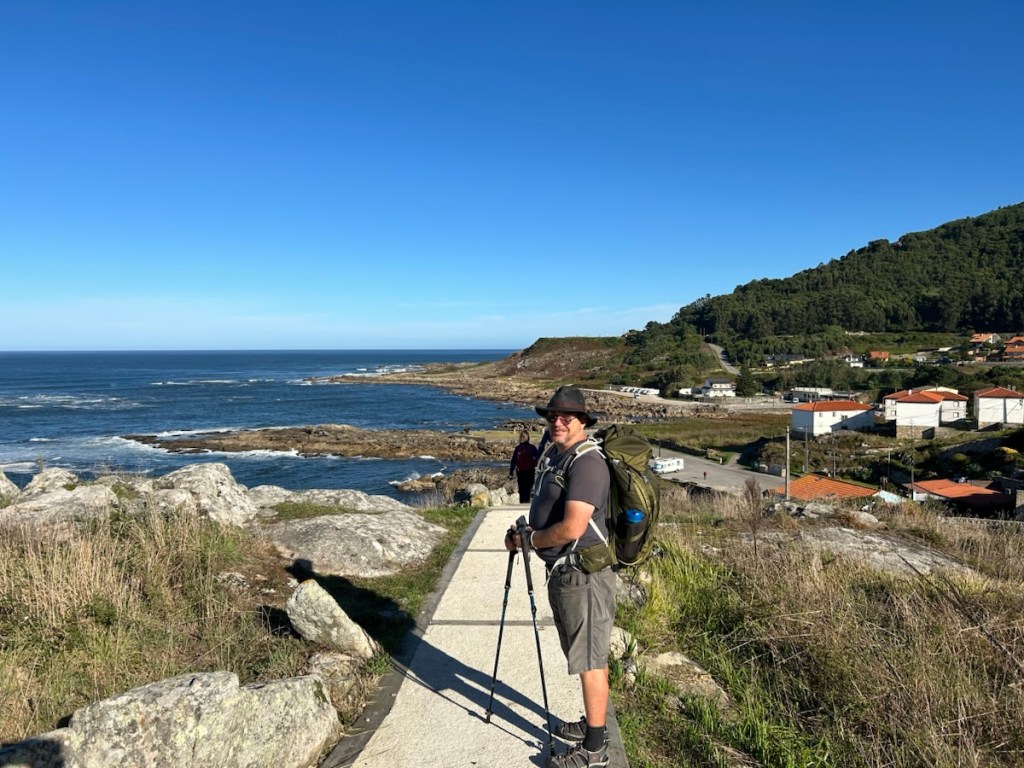
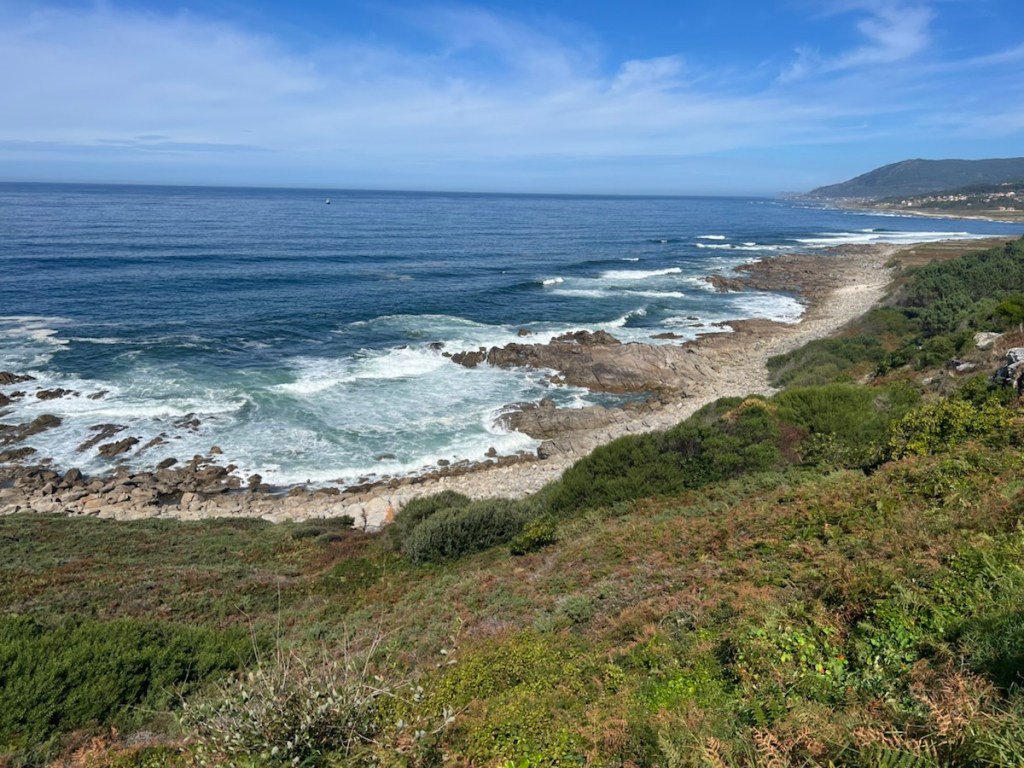
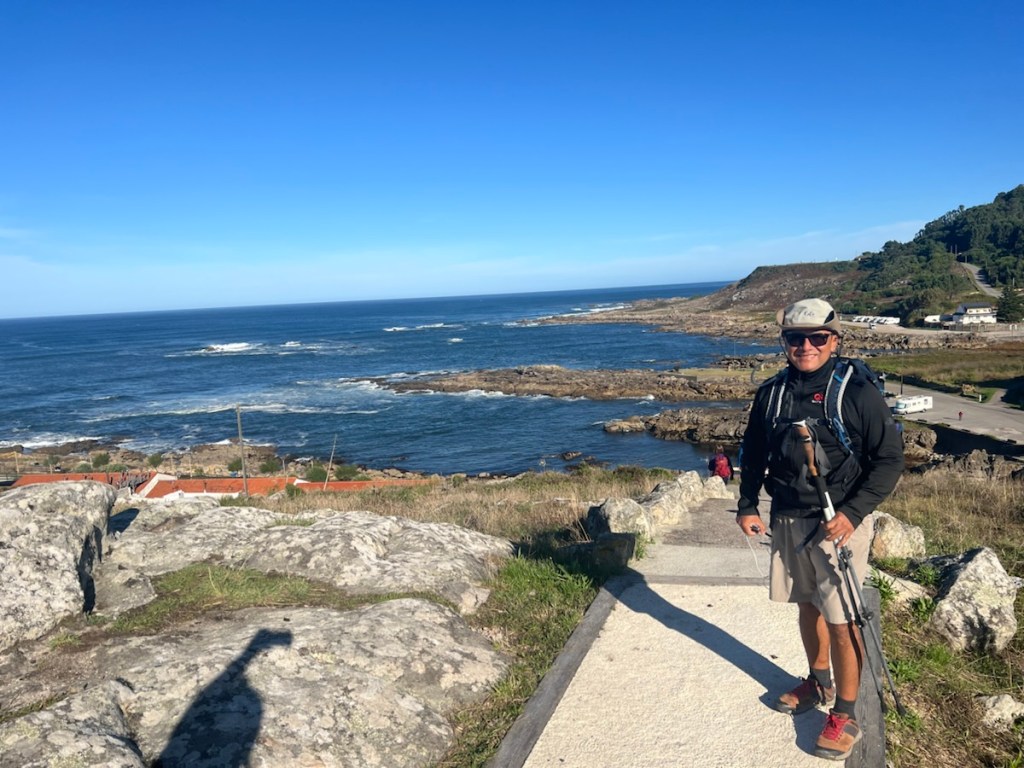
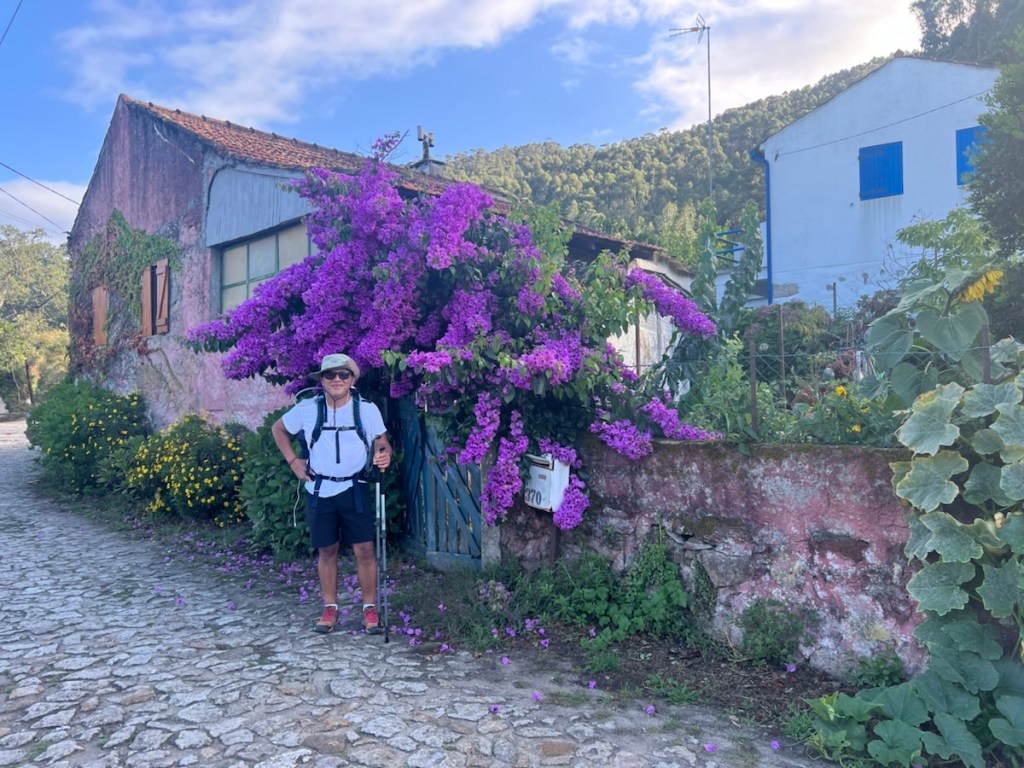
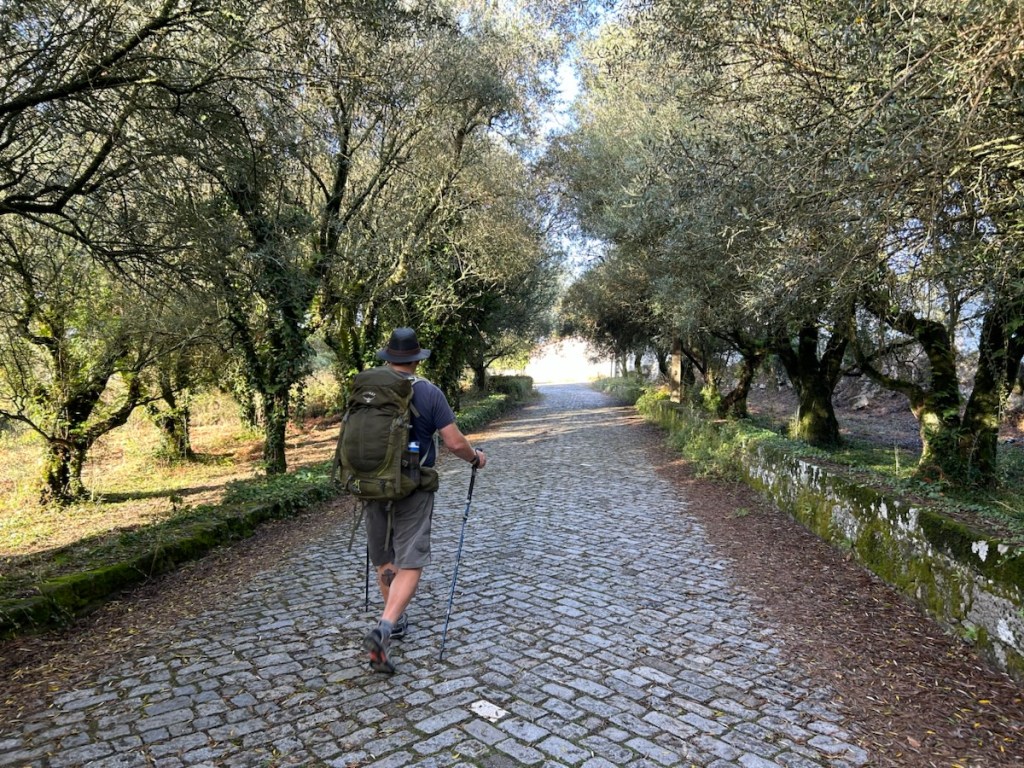
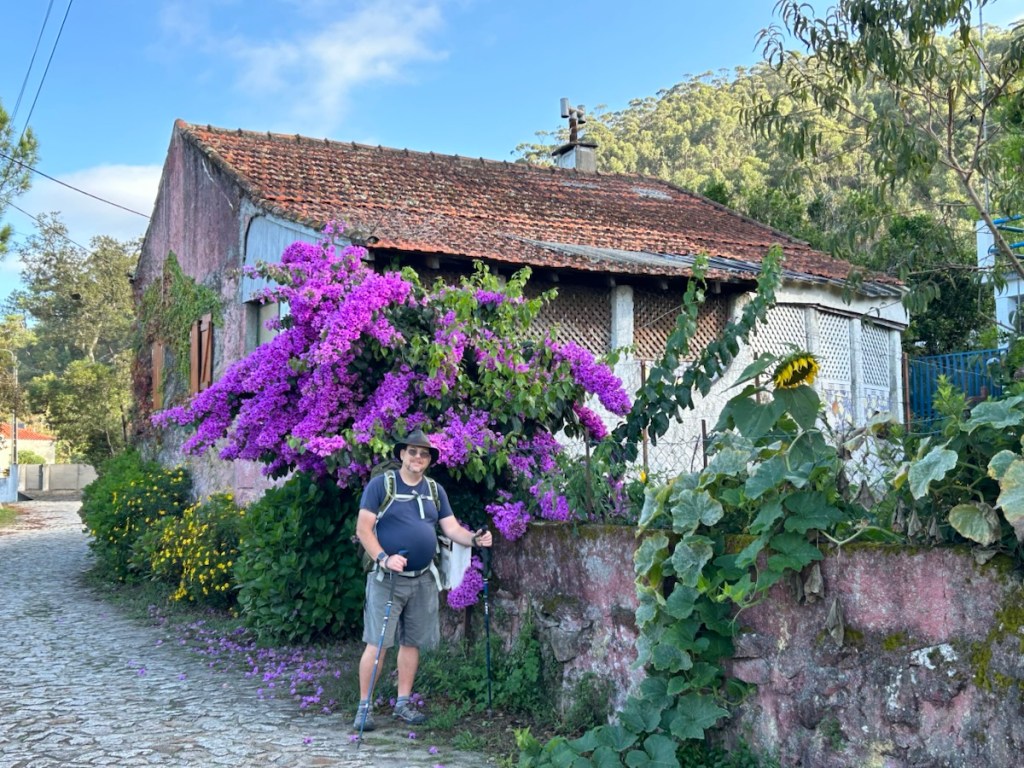
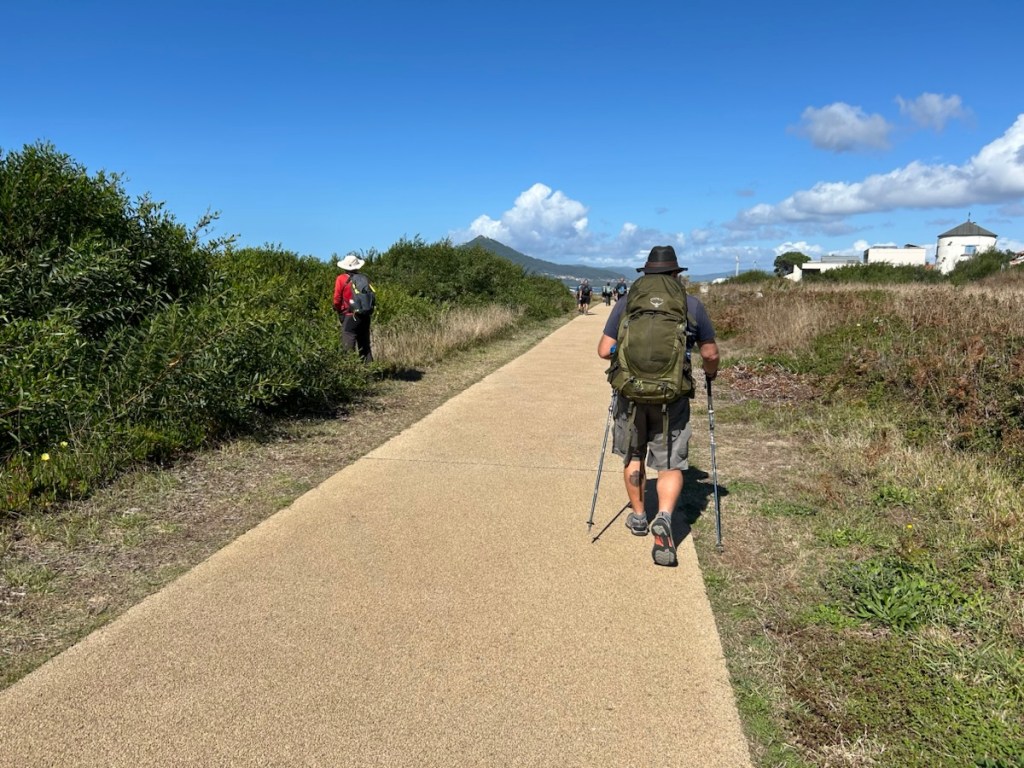
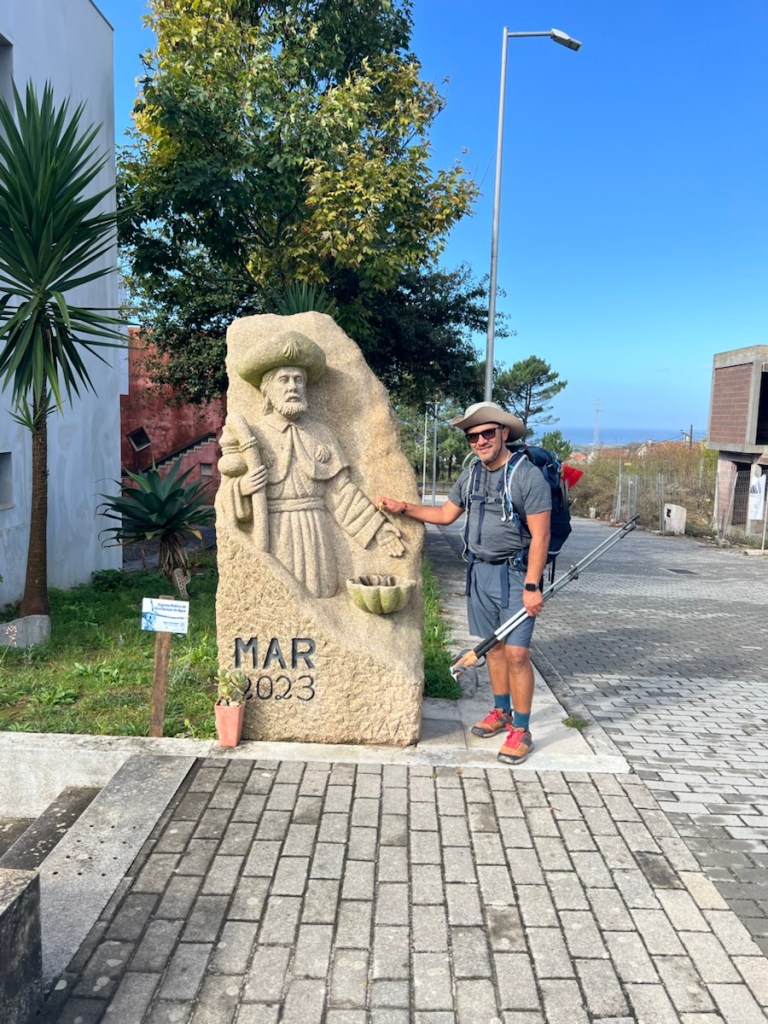
Our last day walking in Portugal turned out to be beautiful. The weather was perfect, with clear blue skies and temperatures in the low 60s. We enjoyed a variety of walking surfaces, mostly staying about 75 meters above the ocean and around 500 meters from the shore, which gave us stunning views. As we wound our way through charming villages, we passed everything from old, timeworn houses to brand-new ones being built by expats with deep pockets.
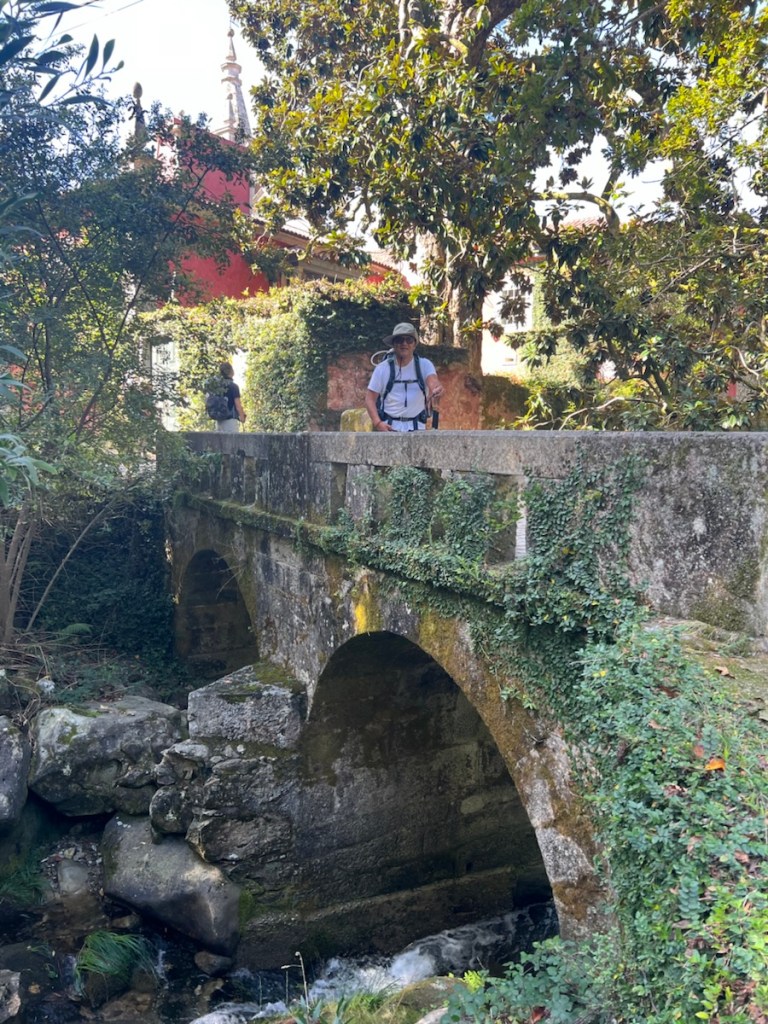
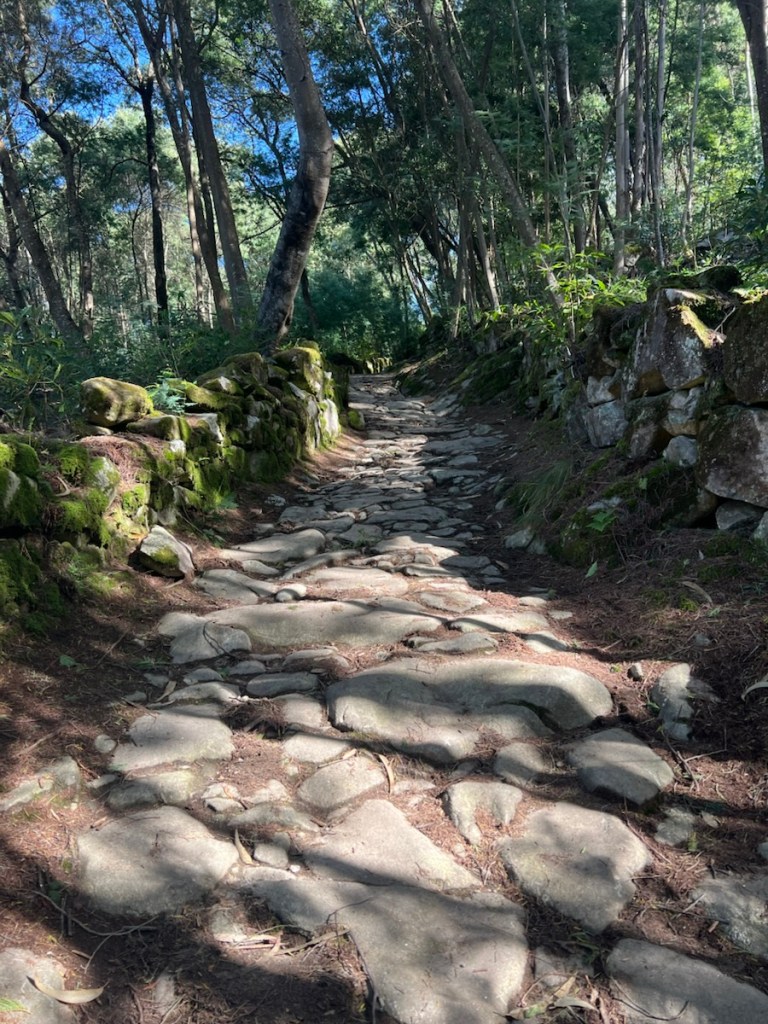
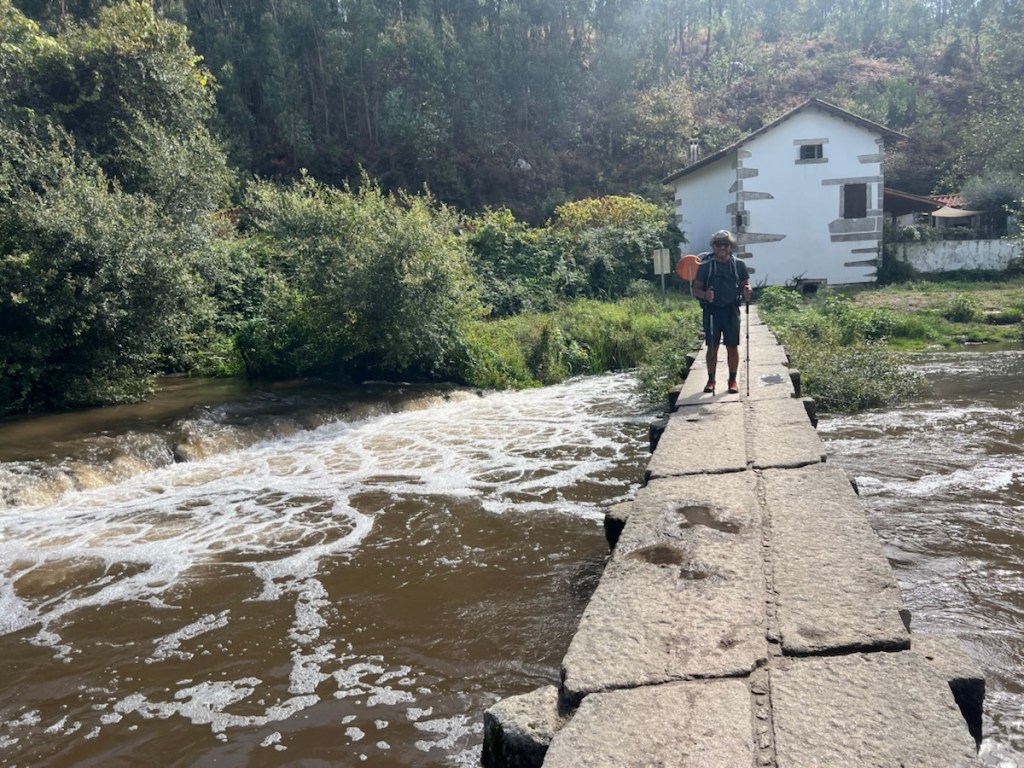
The day’s journey took us through forests, along ancient Roman roads, over Roman bridges, and even past old public laundry houses, where locals once gathered to gossip while washing clothes.
It was a long day, made a little longer by a few navigational hiccups (thanks to me), while our historian/photographer, Luis Armando, confidently kept walking straight on the right path.
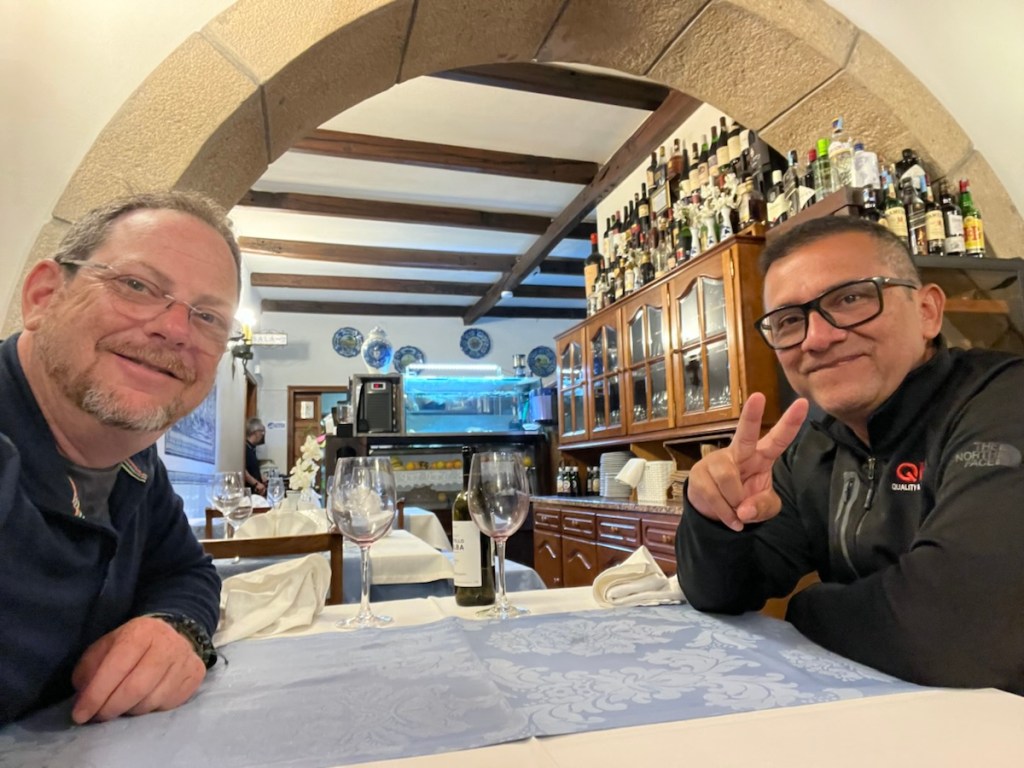
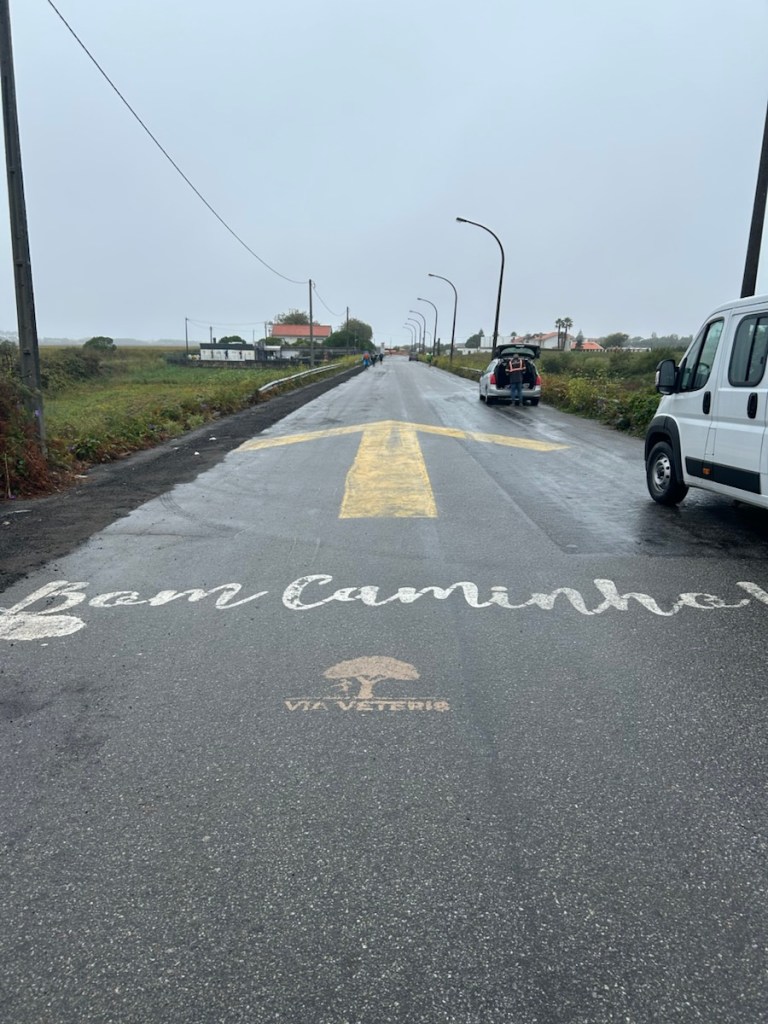
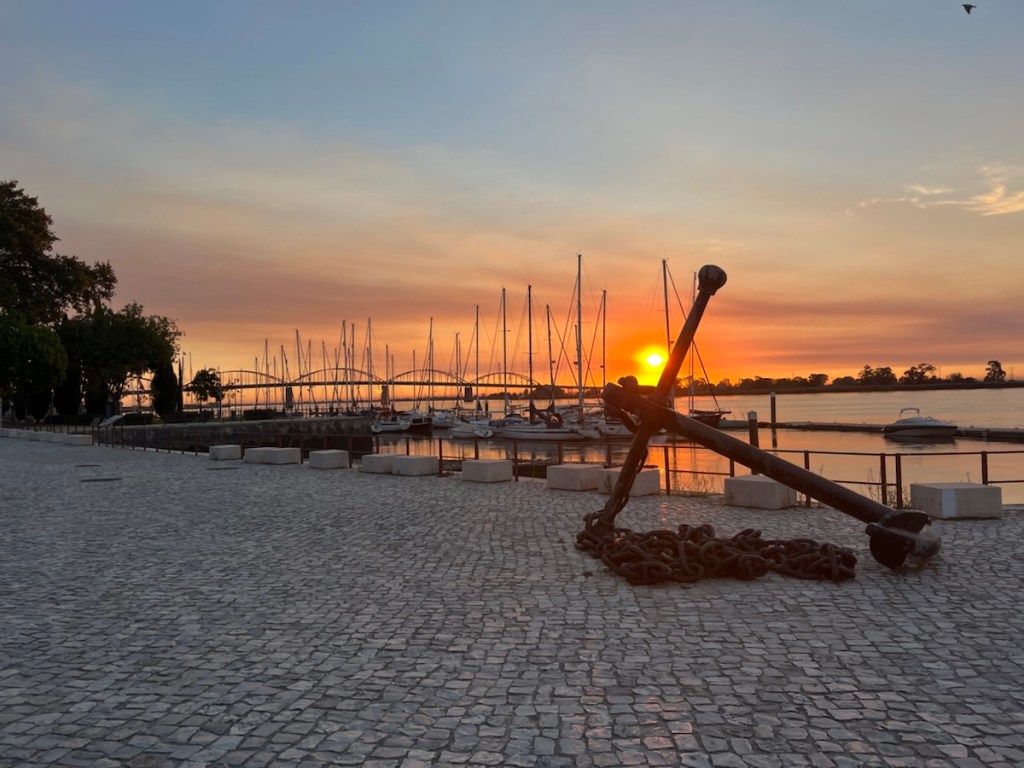
Finally, we arrived in Caminha, the last town in Portugal before crossing the river by water taxi the next morning. We got there a bit late but managed to secure the last spots in the albergue—just in time! After the usual laundry routine, I found a restaurant I’d eaten at years ago where I had previously met a few life-long Camino friends. The food was just as delicious as I remembered!
Back in 2017, when I last walked this route, finding a place to stay was a breeze. But this time, as we stopped for lunch in Fão, just before Esposende, we were greeted by a sight that made me do a double-take: hundreds of pilgrims! Knowing the town from before, I realized there definitely weren’t enough beds for all these people. A few quick WhatsApp messages later, I managed to snag a reservation. While I was at it, I went ahead and booked a place for the next town too—just in case!
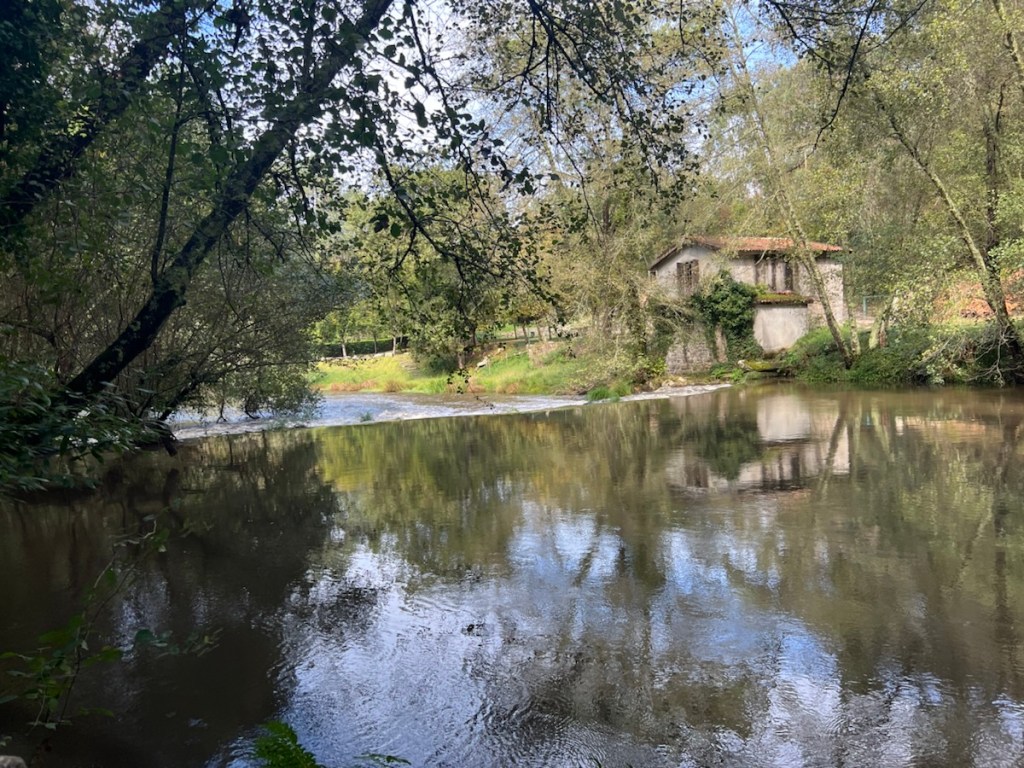
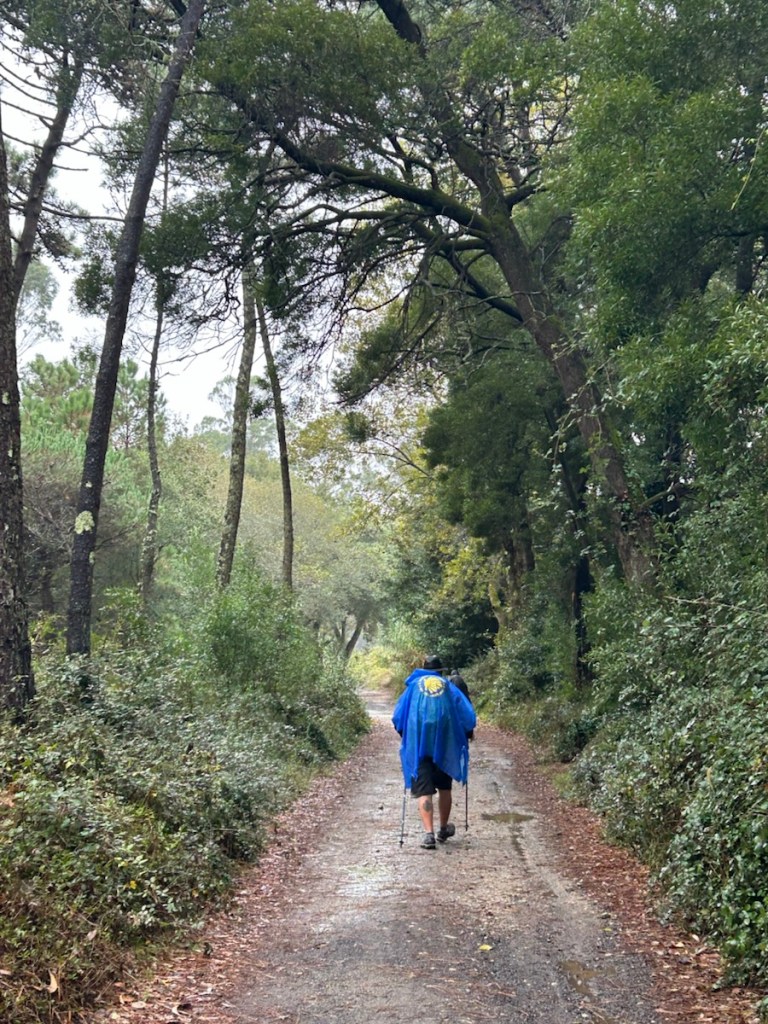
The walk from Esposende to Viana do Castelo was a welcome break after two days of battling wind and rain. It was fairly easy, and for the first time, we left behind the asphalt, cobblestone, and boardwalks. Instead, we found ourselves walking through forests, alongside rushing rivers, and even over 2,000-year-old Roman roads—wagon tracks still etched into the stone.
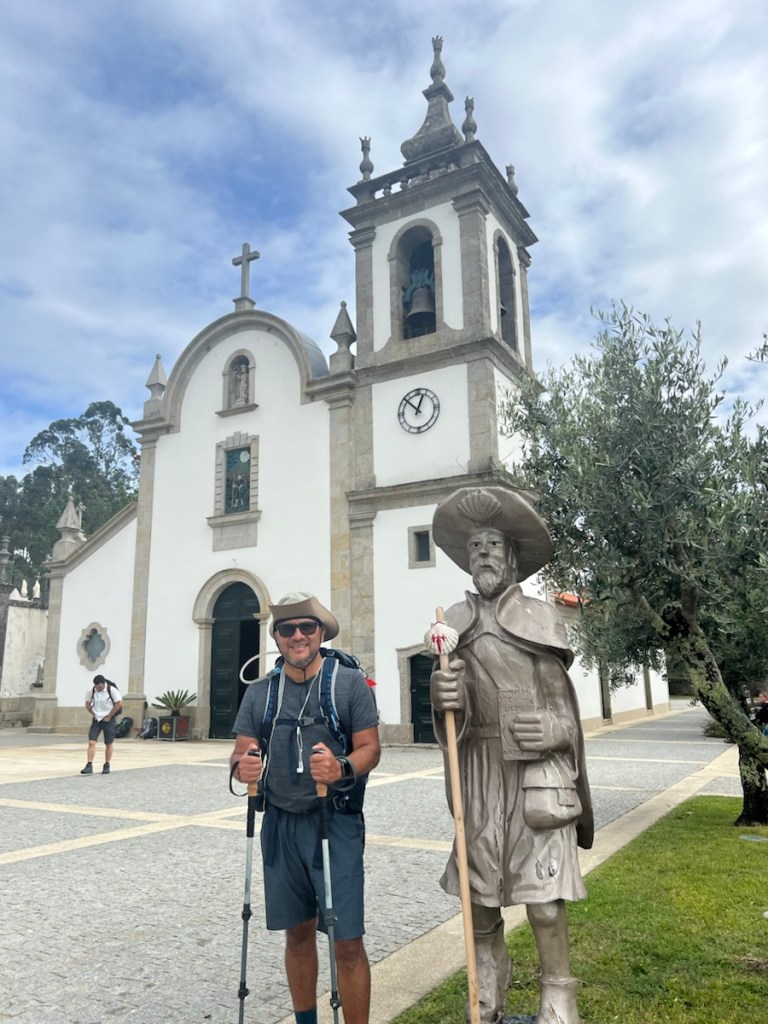
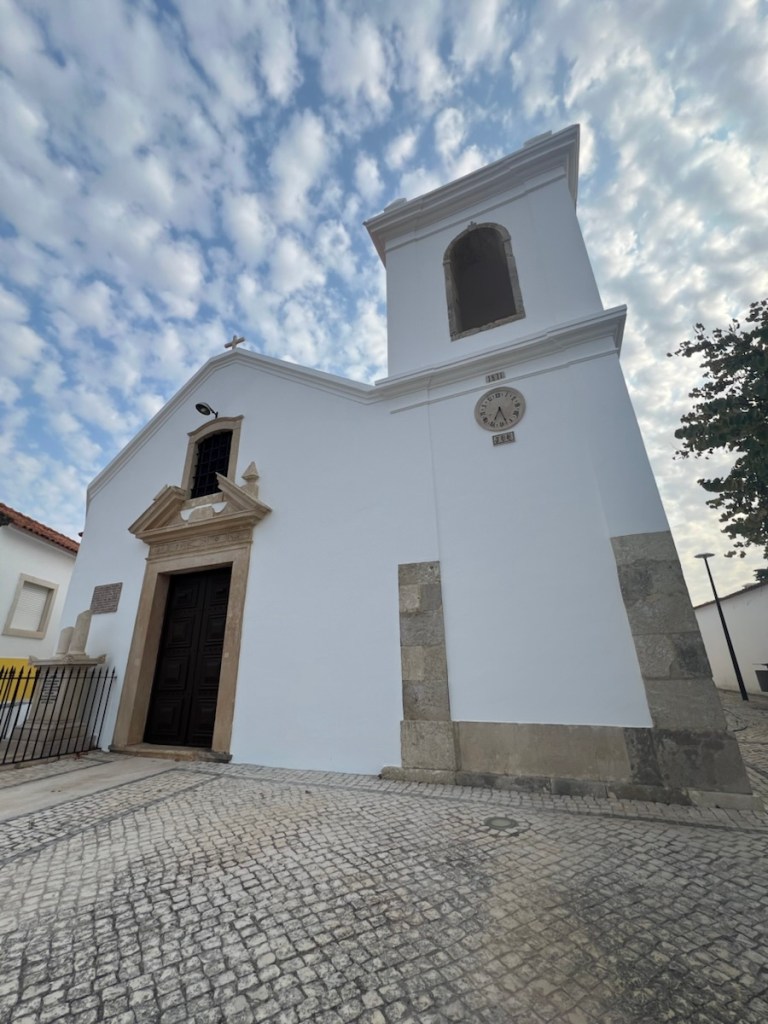
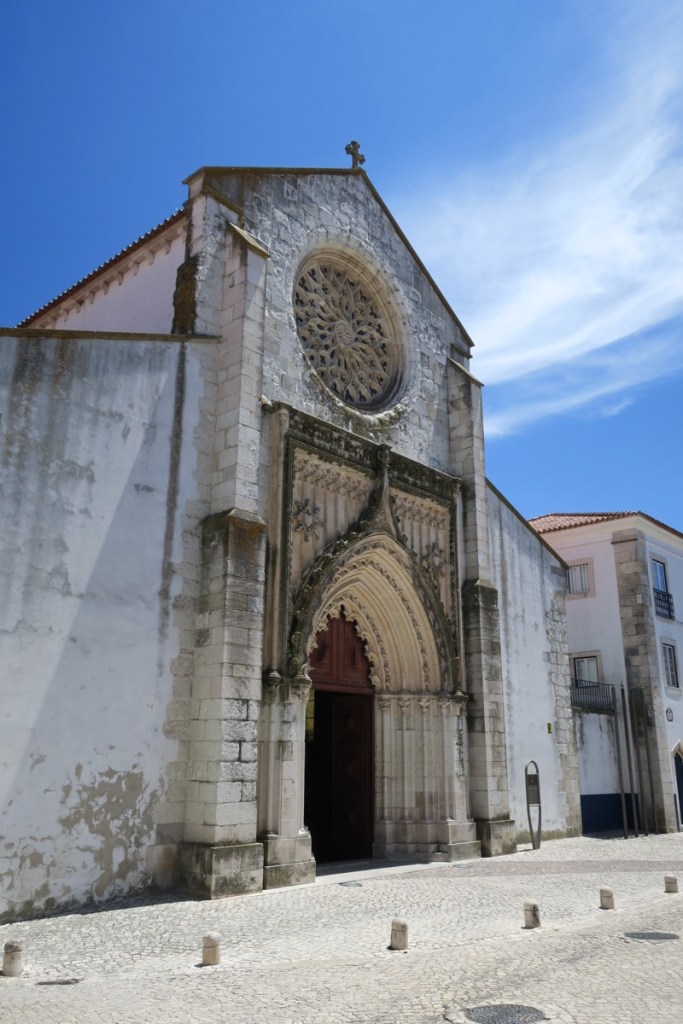
There was one hill that took us up to a beautiful Church of Santiago, where many pilgrims, including us, paused to take pictures. From there, we hiked through a eucalyptus forest that eventually led us down into charming little towns, and finally into Viana do Castelo.
Viana do Castelo was lovely, with its old streets and tempting bakeries. I remembered that in 2017, I’d arrived here before noon, and not wanting to wait for the albergue to open, I decided to hop on a train to the next town. The only problem? I fell asleep and ended up having to catch another train back!
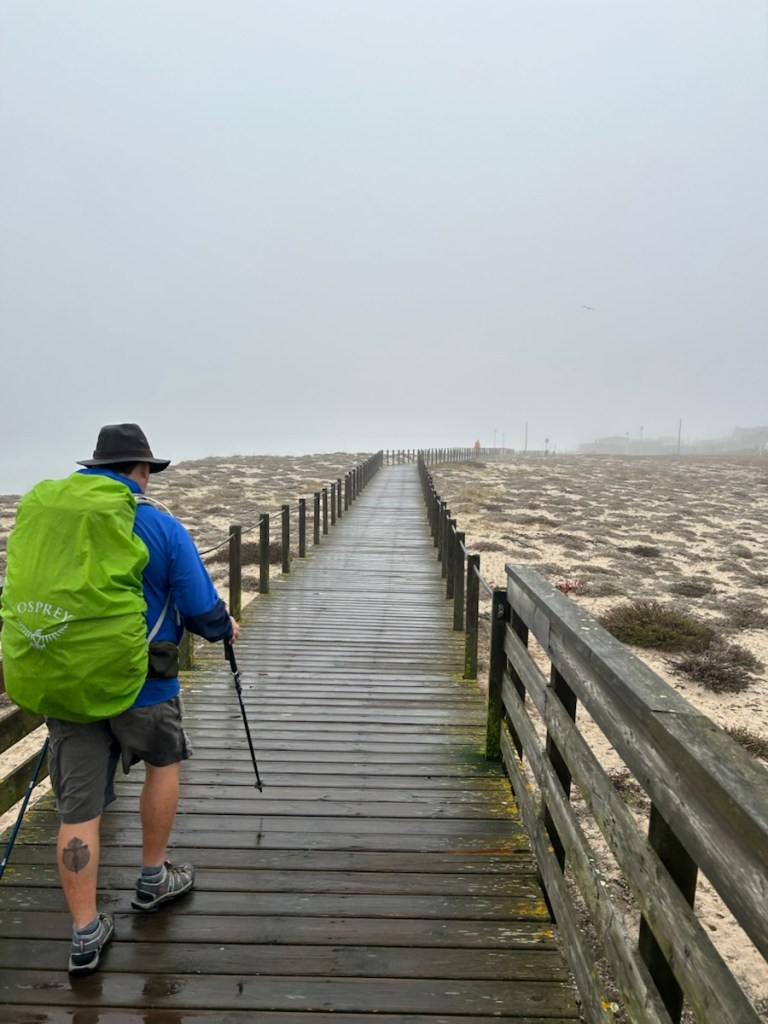
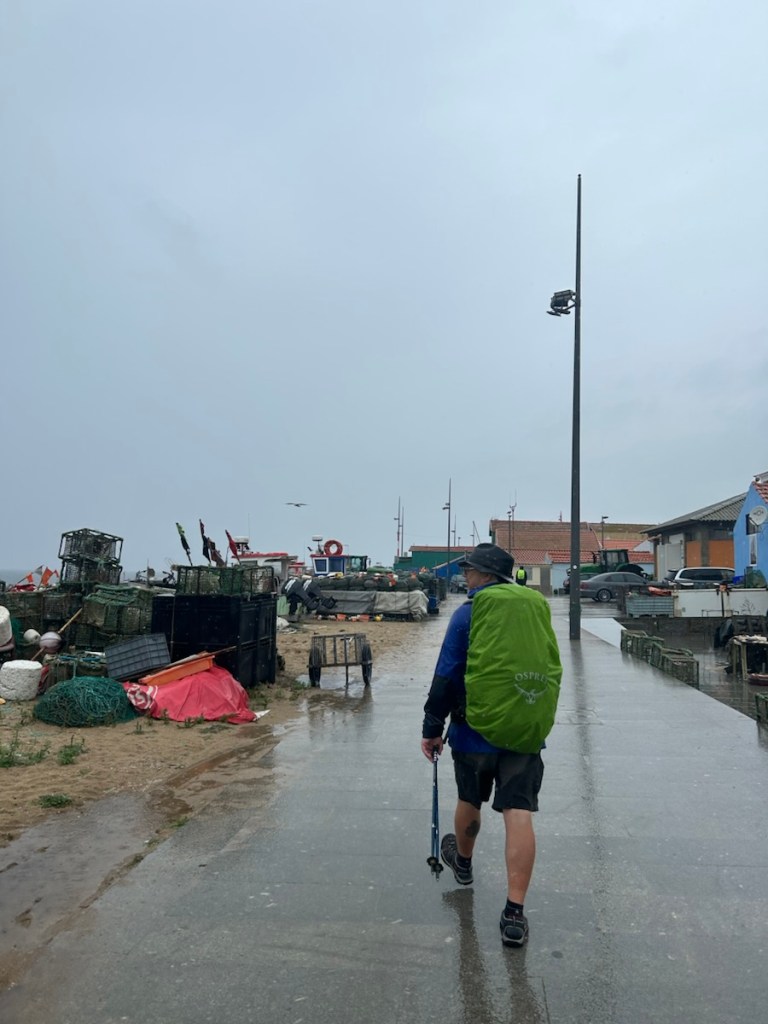
Today was the second day in the rain. It rained harder and the wind was blowing, but for some reason my feet (in sandals) stayed dry today. My shorts were soaked but then the rain stopped and the wind blew them dry. The saving grace with the rain and wind is that the wind is coming from behind and therefore our faces are spared from water boarding.
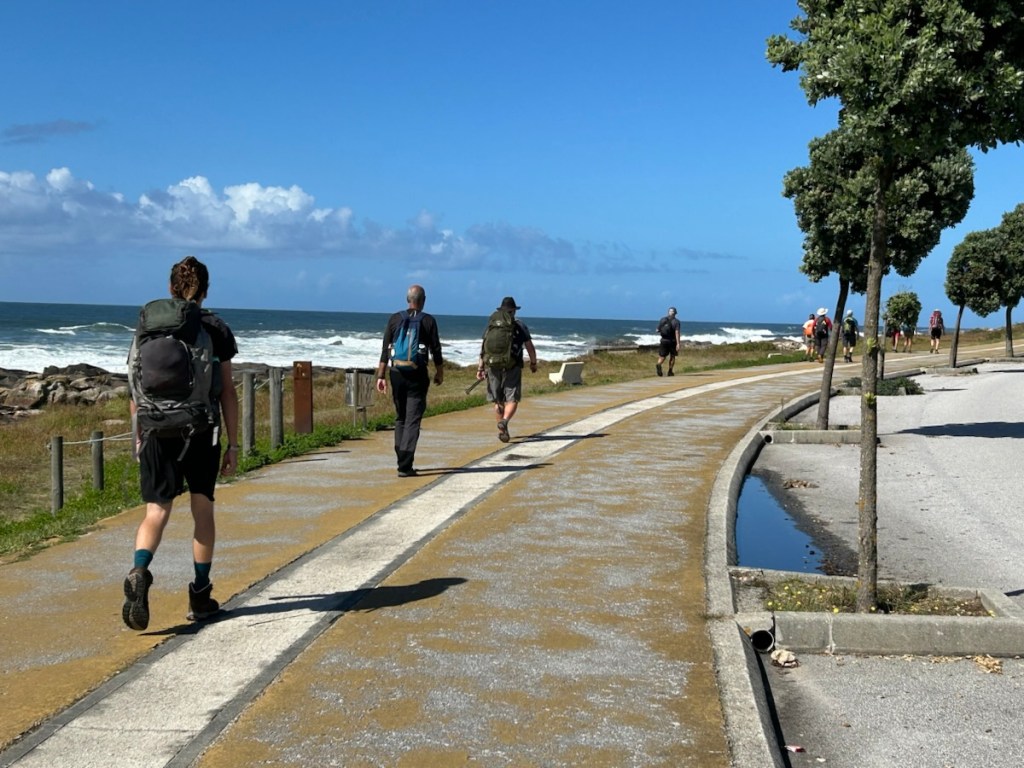
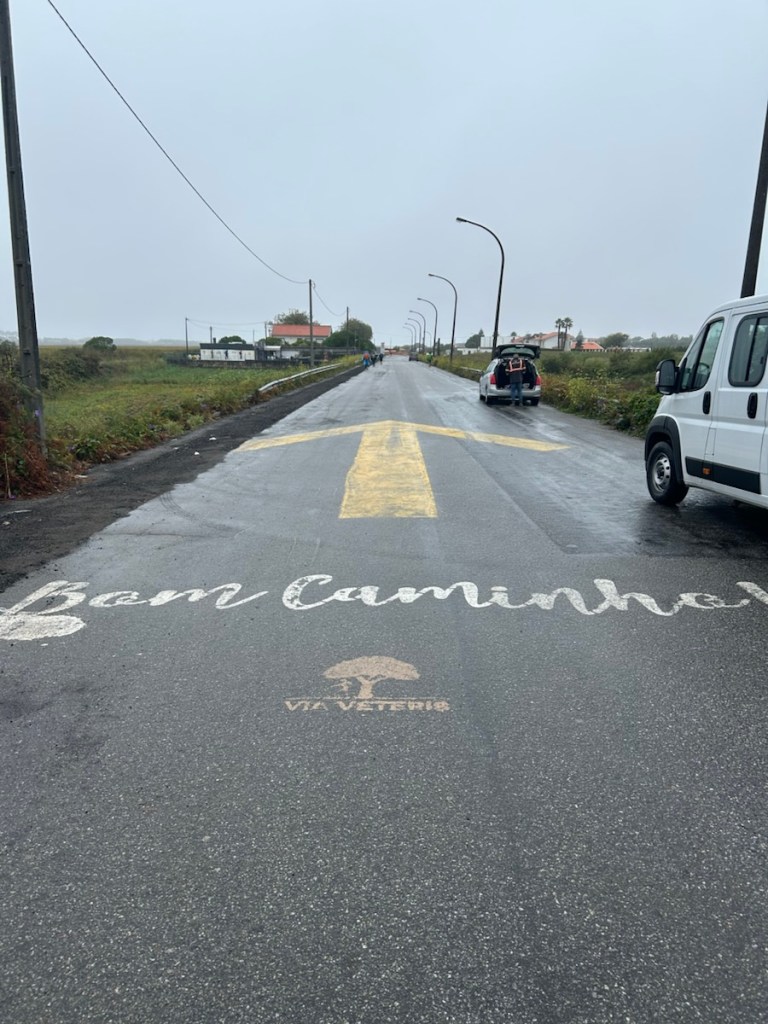
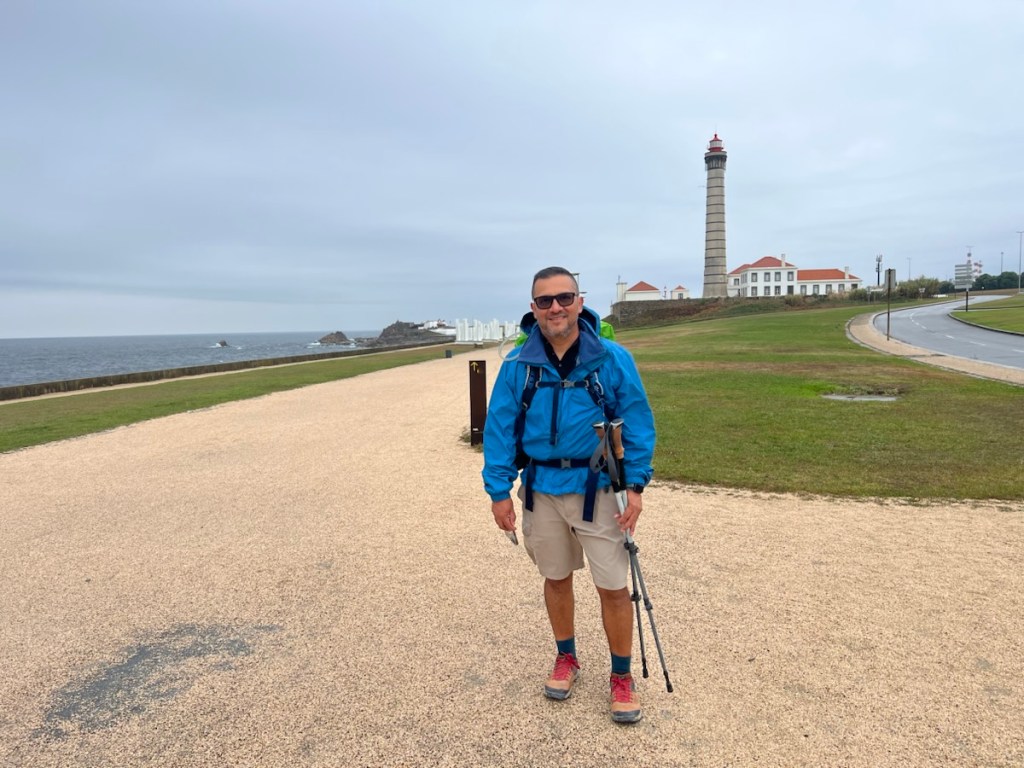
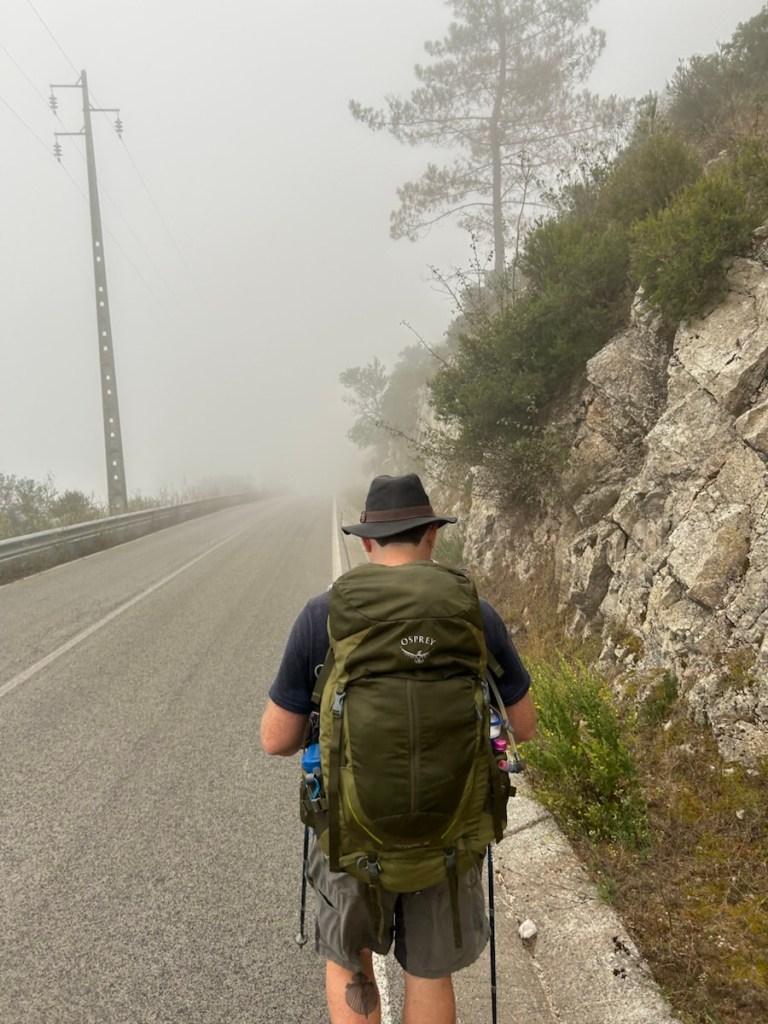
Today was a comfortable 24km, about 60% on boardwalk, 30% asphalt, and the remaining 10% on dirt roads. With the overcast, it makes it a bit difficult to appreciate the countryside and the coast as all you see are the whitecaps on the water, and clouds and mist/rain on the interior.
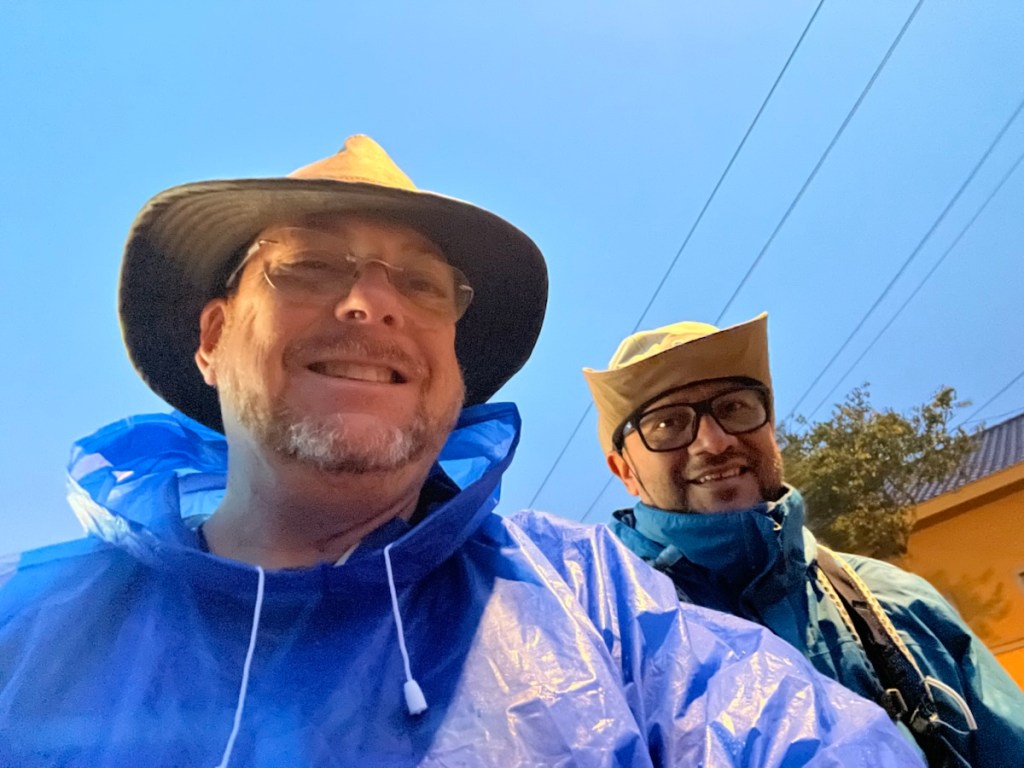
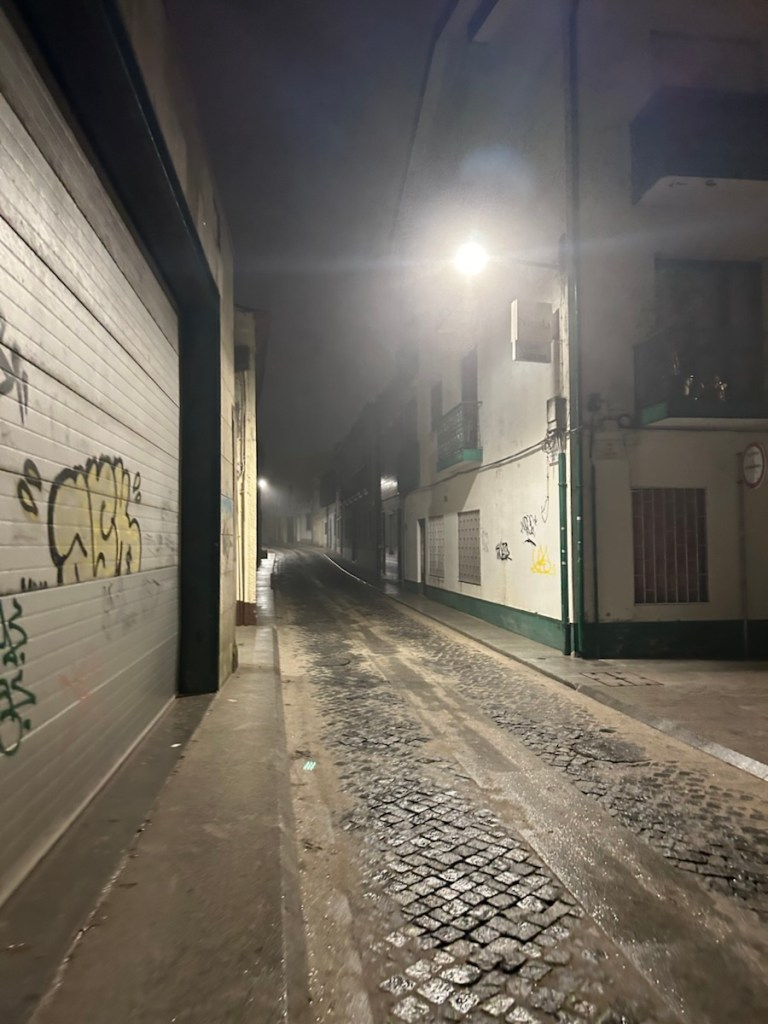
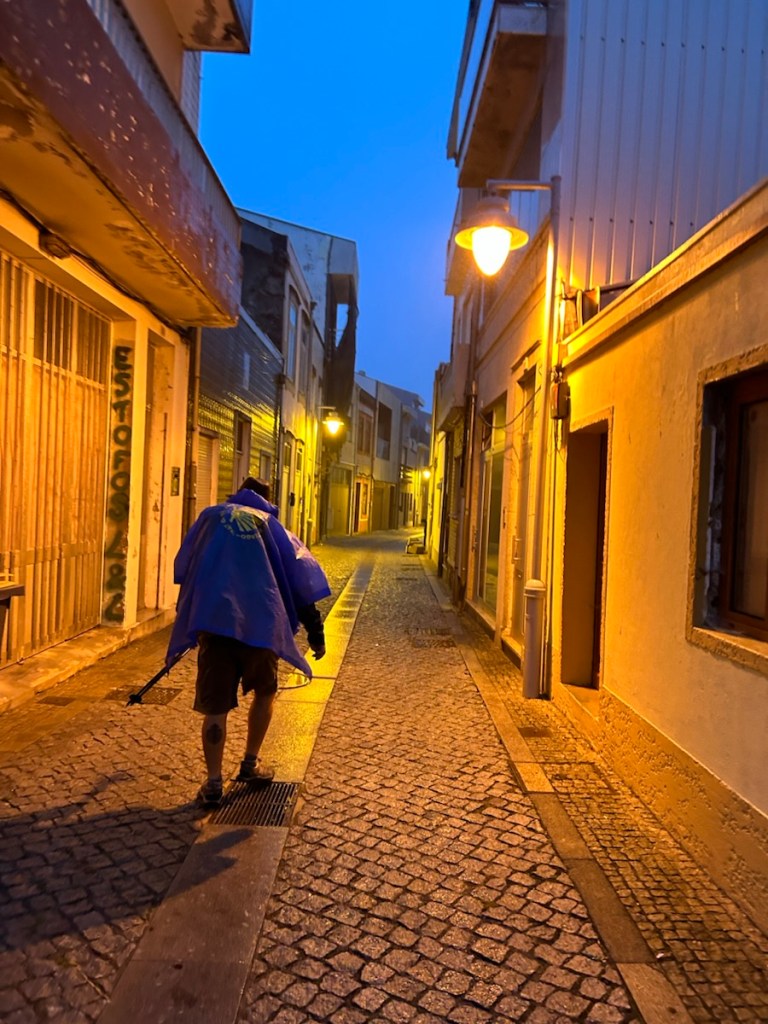
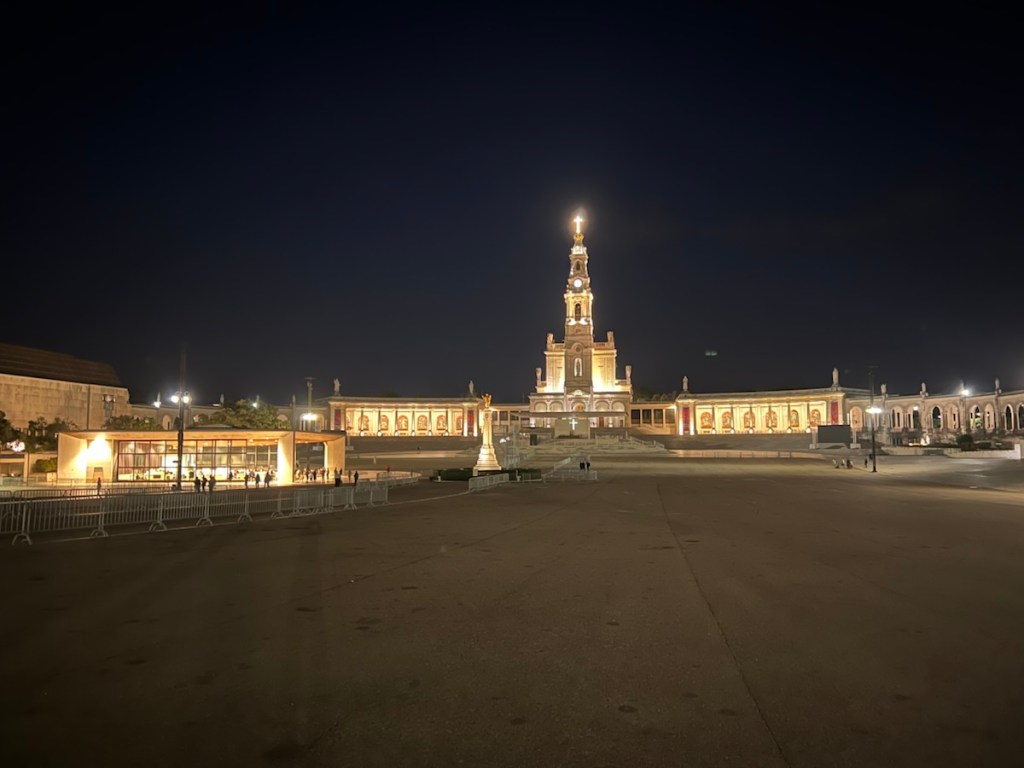
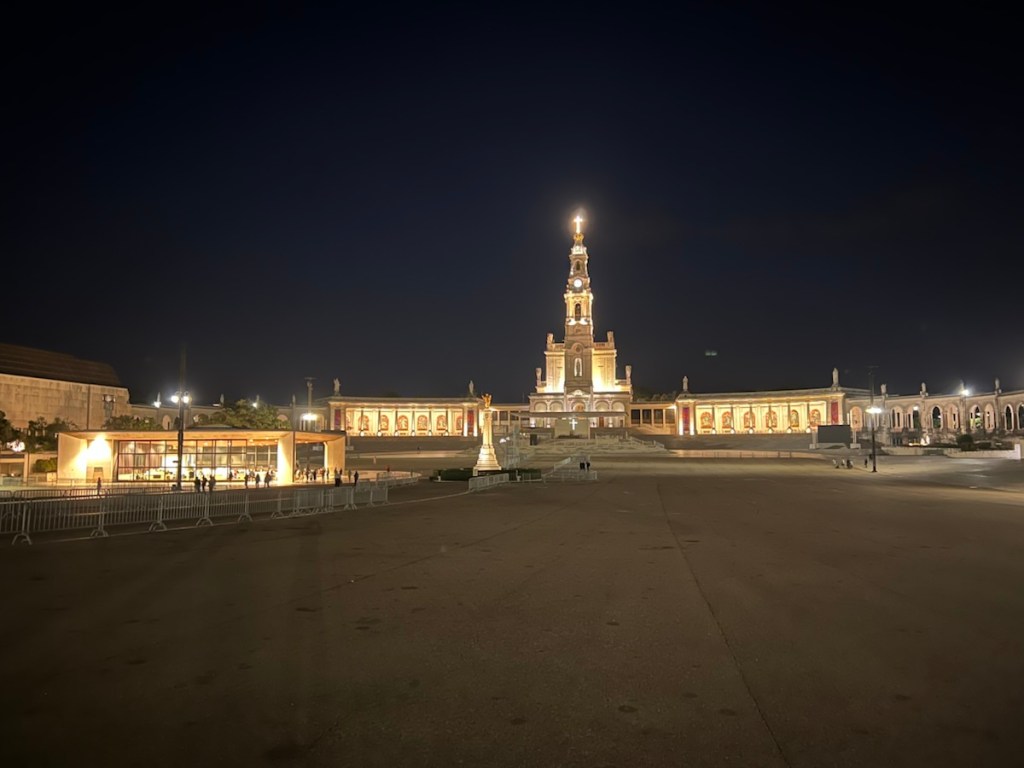
iPhone filters make the cloudy, dawn sky look blue. It was actually dark at 0630.
One of my observations on this trip is that the Camino de Fatima and the Camino de Santiago, and ever the Camino Portuguese and the other Caminos to the north are vastly different cultures. I’m not talking Portugal vs Spain, I’m talking the Camino culture. Most people start the Camino de Santiago Portuguese in Porto and not Lisbon. Very few start in Lisbon. In the “wave” of pilgrims from Lisbon, there were perhaps 6-10 other pilgrims and they were far enough apart that we didn’t see each other except at cafes along the way or at restaurants in the evening. From Porto, the wave is several hundred long spanning over an hour or two. If you’re at the beginning of the wave, and stop to eat, it seems like up to 100 or more pilgrims will pass you.
The demographics of the Portuguese route vs the French way are also very different. Here, there are very few people under 30, and most are over 50. On the French way, ages span from teenagers to retirees with what appears to be a fairly even spread.
The Camino de Fatima is usually walked by people of faith where the Portuguese route for the Camino de Santiago seems to be walked mainly by people on holiday. I don’t have any opinions either way, I do find it curious though.
I am also surprised to see how many people in Portugal speak English. With very little effort to learn Portuguese, one could live here and get along in English if they had to. I speak to and DM people in Portuguese or Spanish and they respond to me in English. Could be my +1 phone number, my name, or my “American” appearance.
With the extra down time, and the firm return dates, we have to be flexible with how we approach the Camino. Today’s stage was to walk 24km but 11 of them were leaving the city and that’s never pleasant. We took a bus instead and then walked the 24km to Vila do Conde. We can then walked 24km tomorrow and be caught up.
The forecast was for rain today. The forecast said severe weather today. Severe weather said thread to life. It drizzled on us all day. So while it wasn’t a treat to life, we did get soaked. Mostly my feet since I am walking in sandals and didn’t bring another pair of shoes with me. Now we are waiting for an old and tired drier to dry the socks…
Most of today was on boardwalk next to the beach which was quite a refreshing change from the Camino de Fatima where it was mostly asphalt. Whole on the CdF, we saw perhaps six other pilgrims, today there were dozens. Many got turned away from the public albergue, but there are a lot of beds in Vila do Conde.
With the cooler temperatures and the flexibility of the boardwalk, today was a breeze. We finished the 24km in six hours are not aching.
We arrived an hour before the albergue opened so we went to eat lunch and then wait in line for the albergue to open. Now that we are settled, we will be heading out to find the nearest pub.
Side note (based on a true story, embellishments added for entertainment)
At the youth hostel, Luis Armando was making his bed and found stuffed next to the mattress a turquoise thong, holding it up with two fingers and a bewildered look on his face like a strange treasure. We all stared for a second trying to figure out what it was before bursting into laughter. “Which one of the girls do you think left it there?” someone asked, and the speculation began. Was it a prank? A mix-up? Luis just shook his head, looking half amused, half horrified. Then, with a sly grin, one of us said, “Well, are you gonna try it on?” The room burst into laughter. I’m still not sure what he did with it.
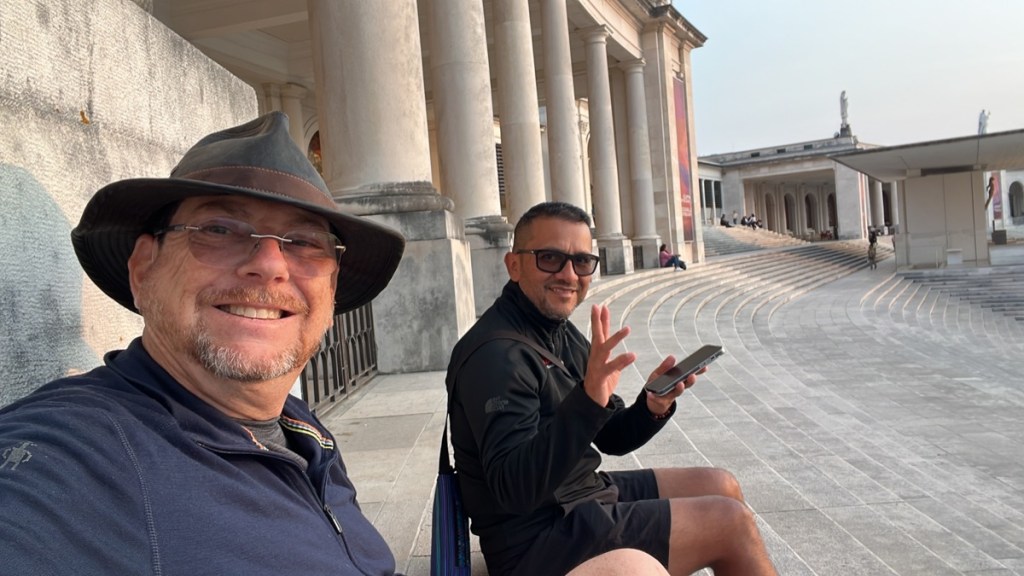
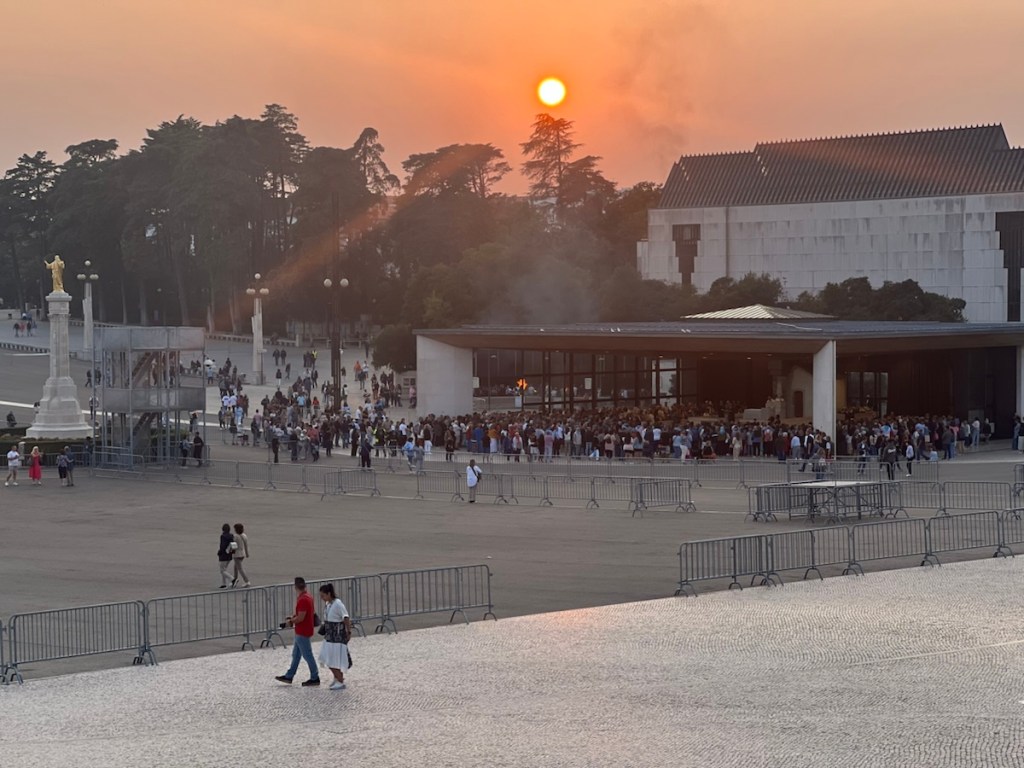
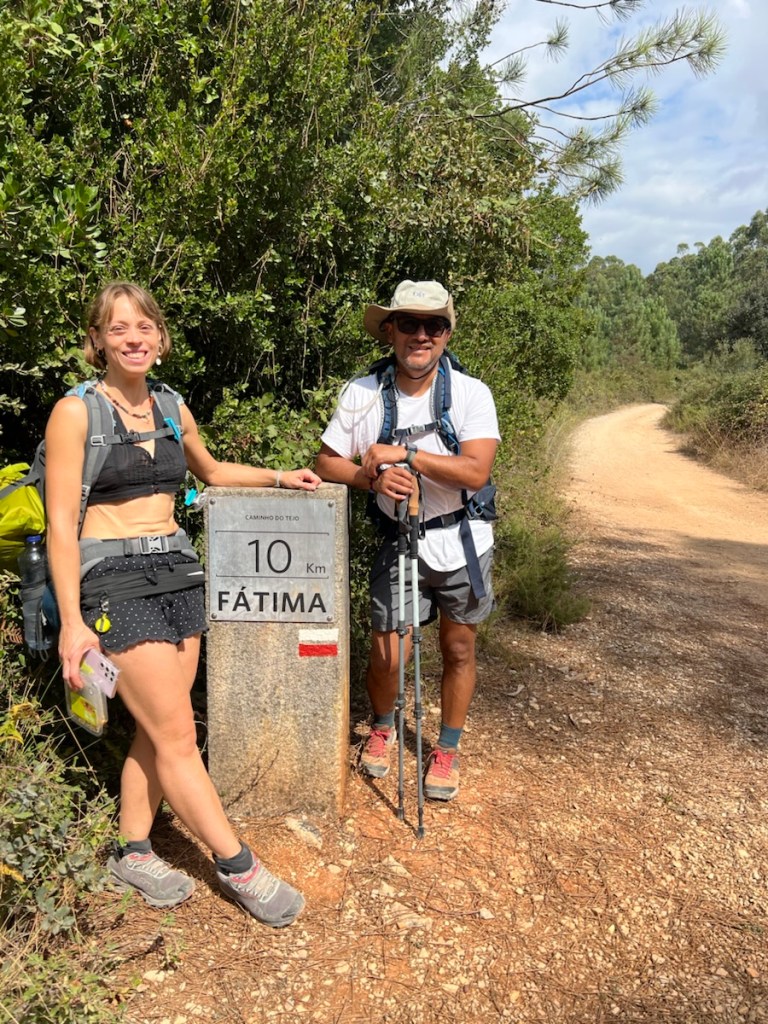
Our trip to Fátima was mostly for Mimi. Her faith was unwavering, and one of her biggest wishes was to visit Fátima, attend mass, and take part in the Catholic rituals at this holy site. We timed our stay to coincide with her birthday, and thanks to Luis Armando, she was able to experience it all in spirit.
We added an extra day to our stay to make the trip more special. That extra day was supposed to be a time to rest our legs, but somehow we still ended up walking more than 10km!
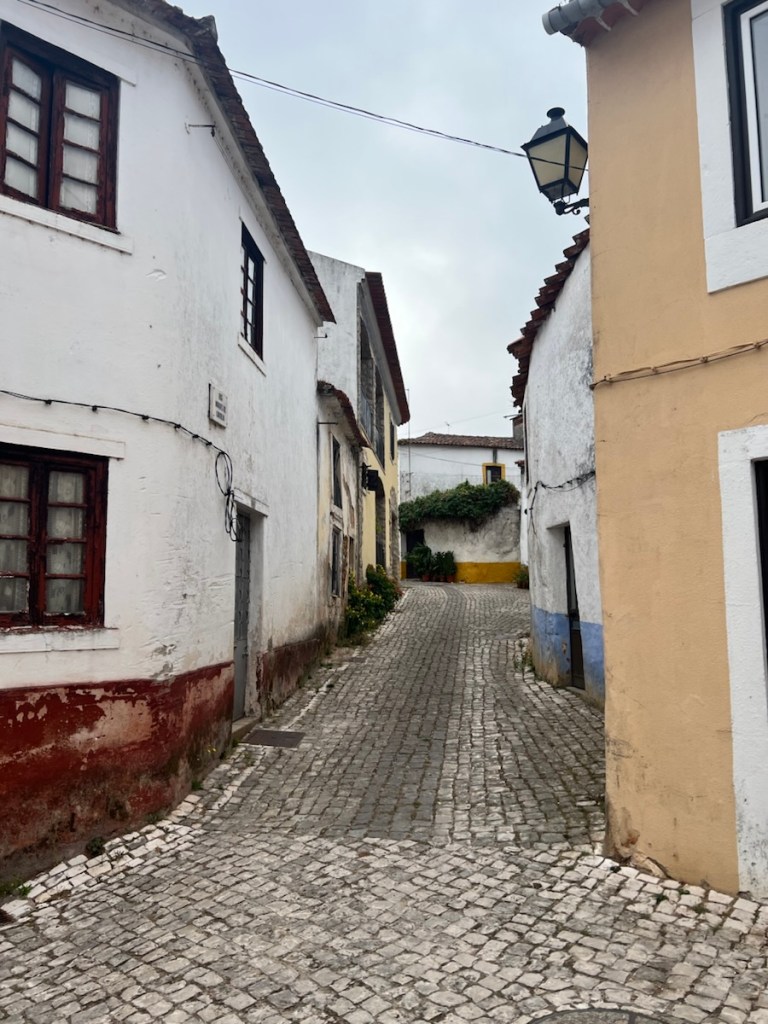
Fátima itself has grown around the sanctuary, with plenty of trinket shops and touristy restaurants lining the streets. If that’s your thing, you’ll be happy. But beyond the holy site, the town felt pretty ordinary, at least from what we saw.
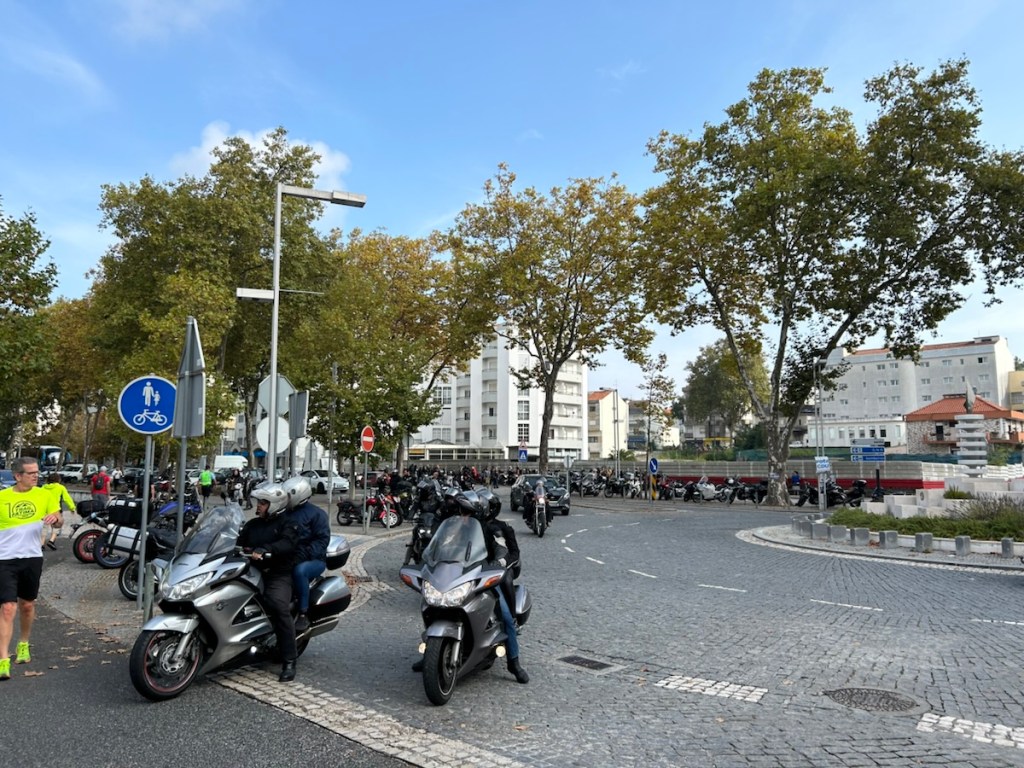
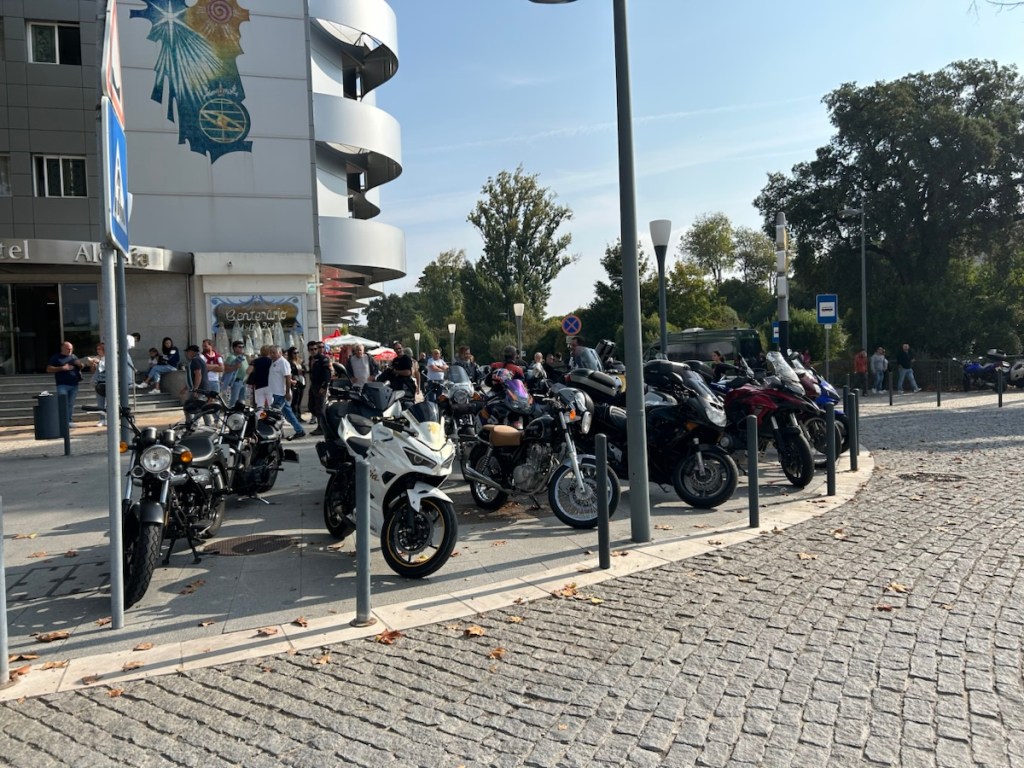
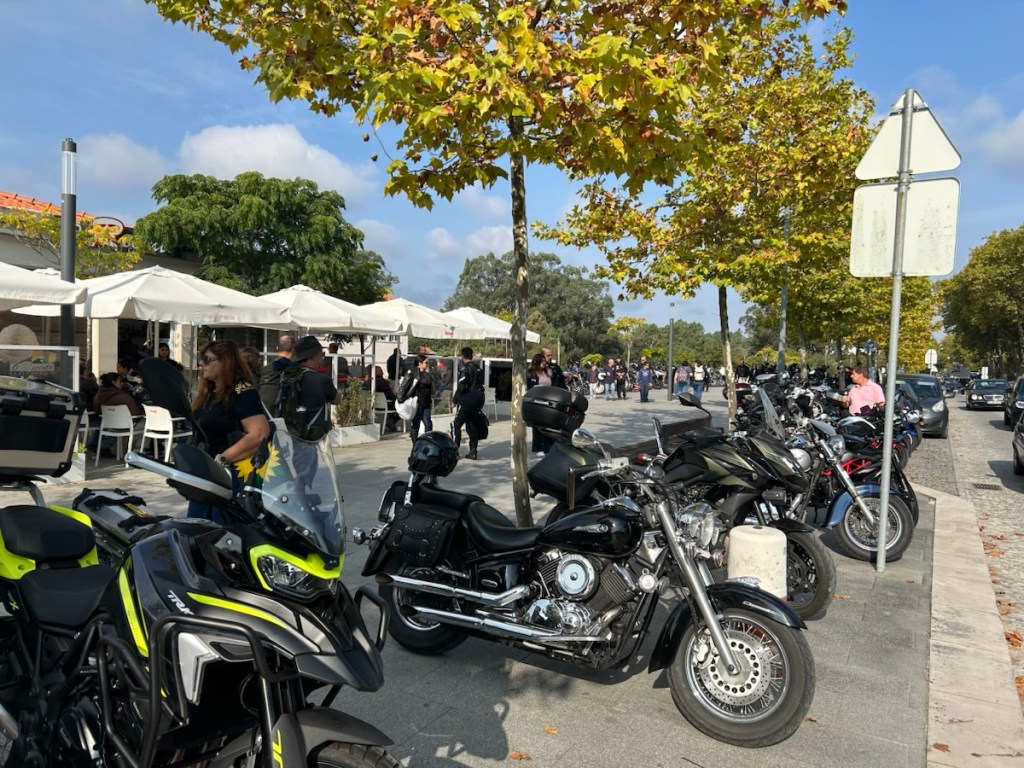
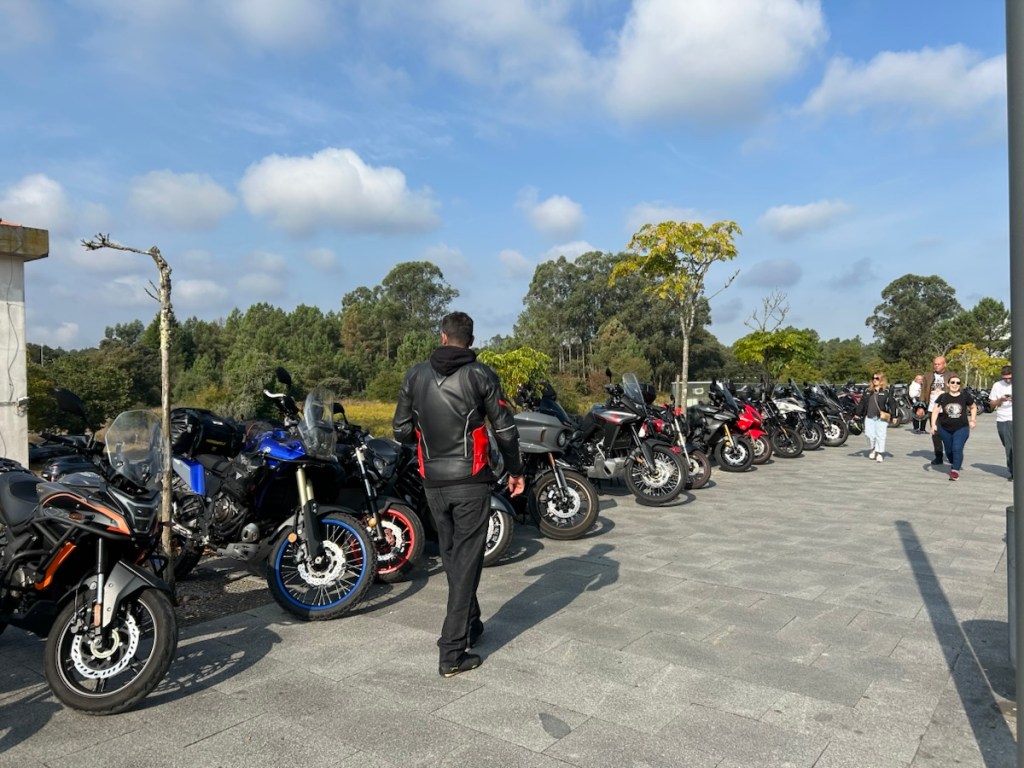
Now, here’s something we didn’t expect—a Sunday spectacle! Thousands of motorcyclists from all over Europe rolled into Fátima for the blessing of the helmets. The town was filled with the rumble of engines and the buzz of excitement. While it was a fascinating event to witness, it did cause a bit of a traffic mess. Our bus to Porto arrived forty minutes late, but honestly, it was a great chance to people-watch and admire the variety of motorcycles.
The two-hour bus ride to Porto gave us a glimpse of the areas affected by recent wildfires. Thankfully, while the fires were fierce, they didn’t scorch the land as intensely as those we’ve seen in California. In Portugal, most of the damage stayed at ground level, with the eucalyptus and pine trees standing tall, a hopeful sign for quick recovery.
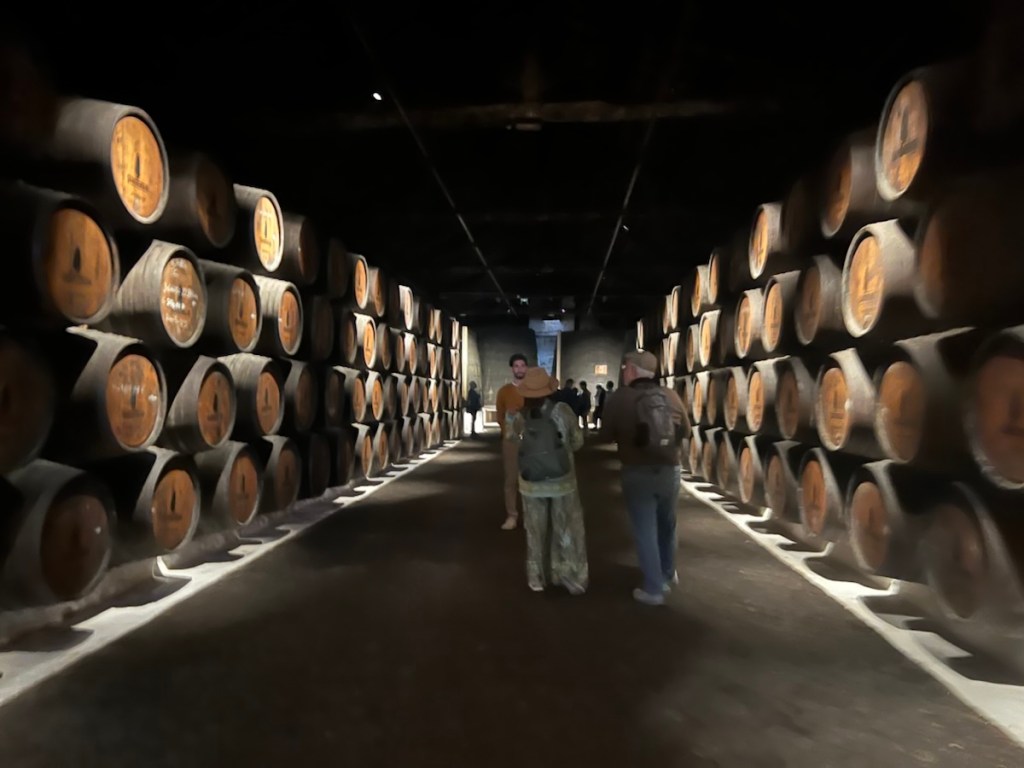
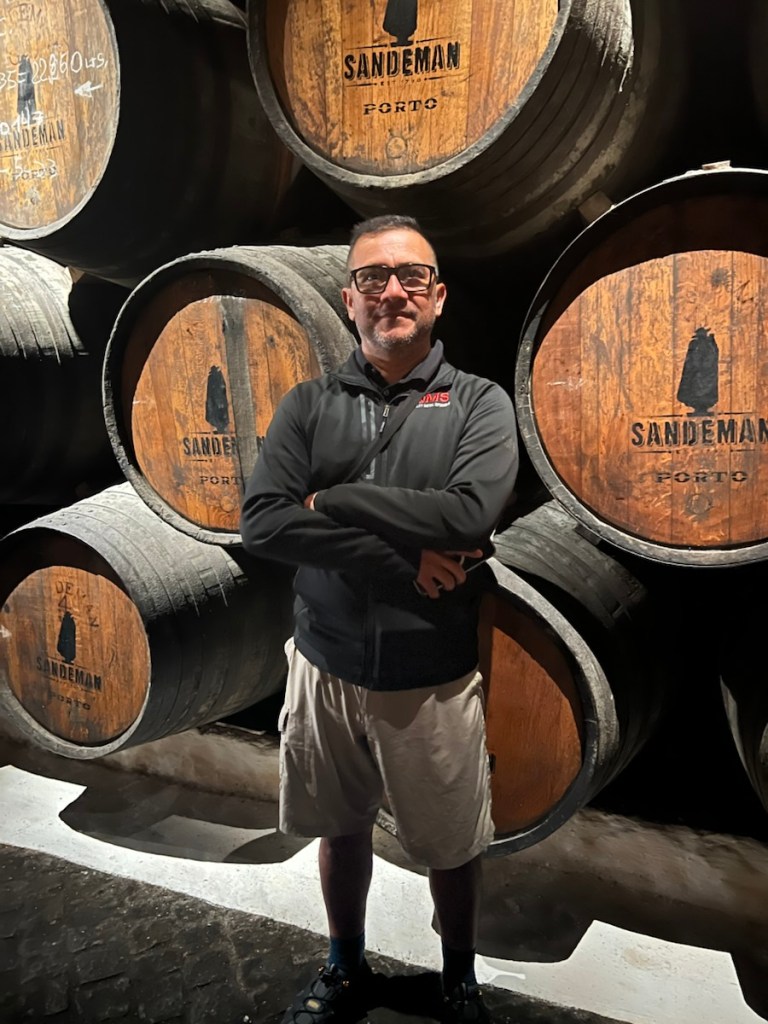
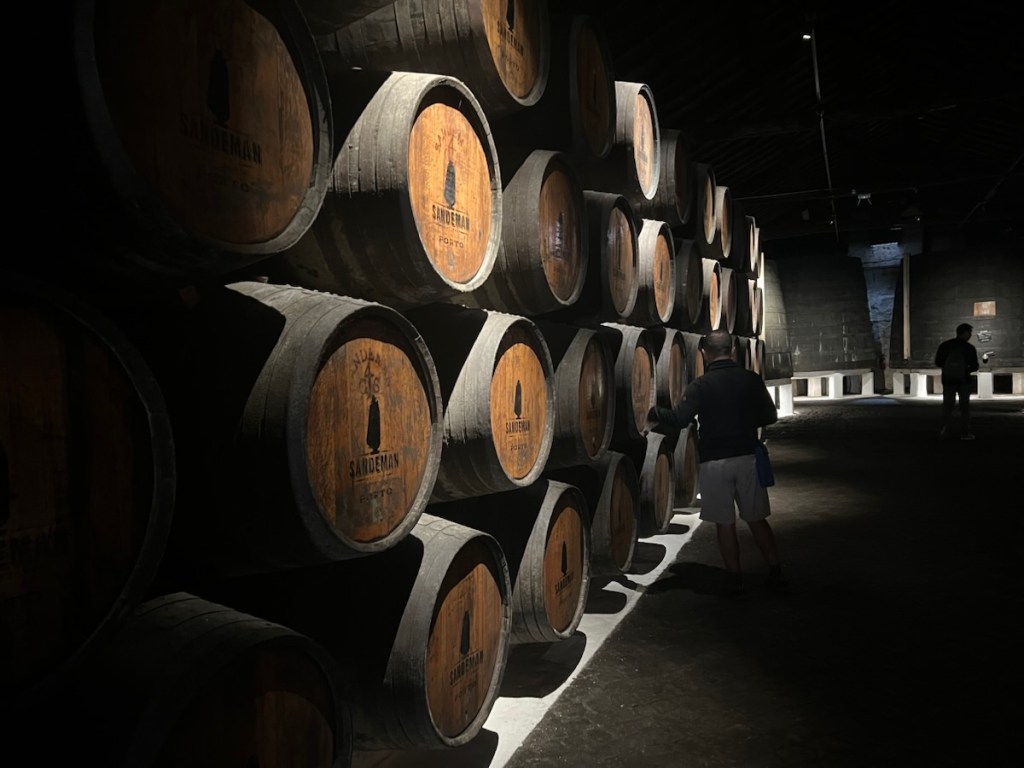
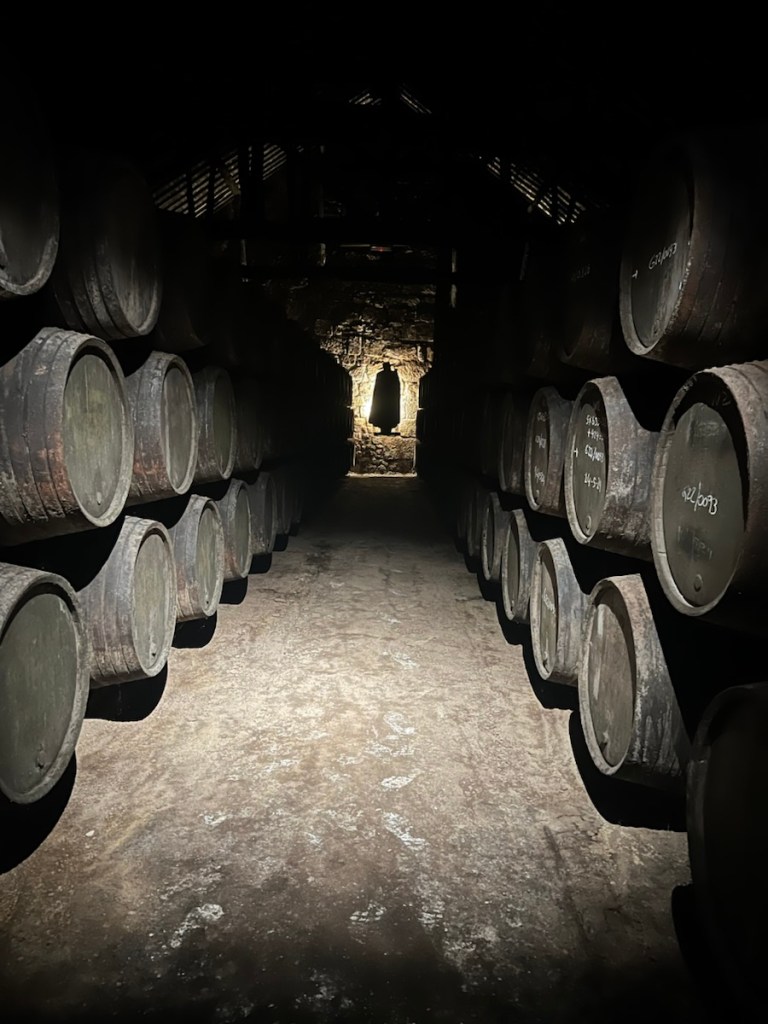
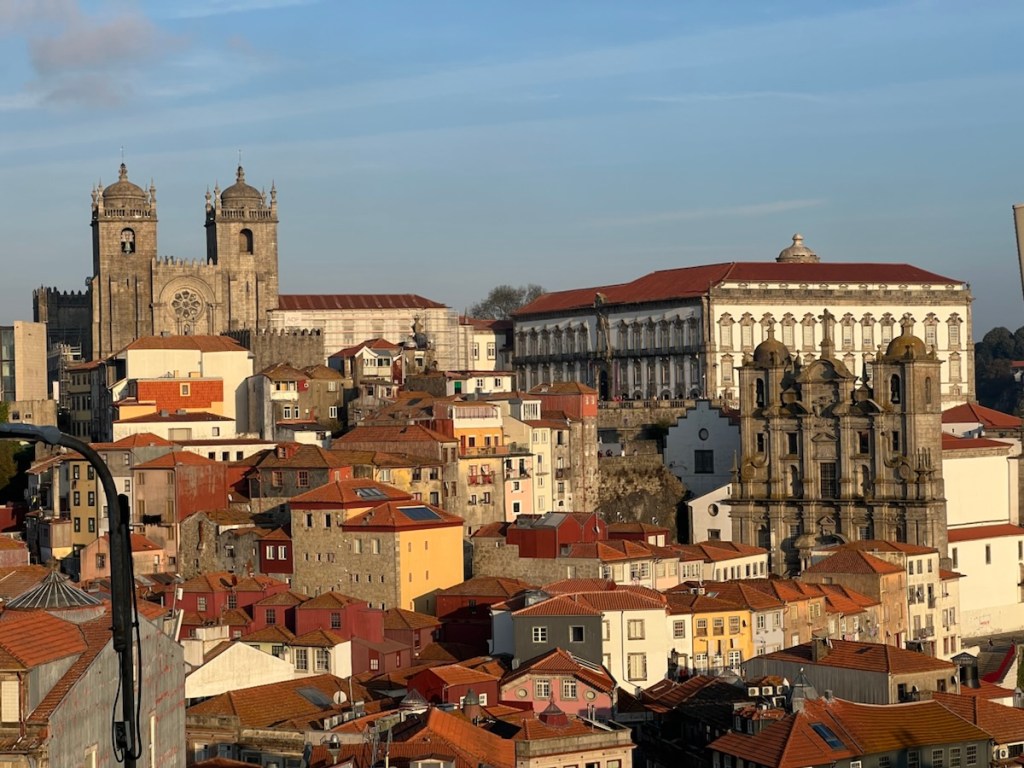
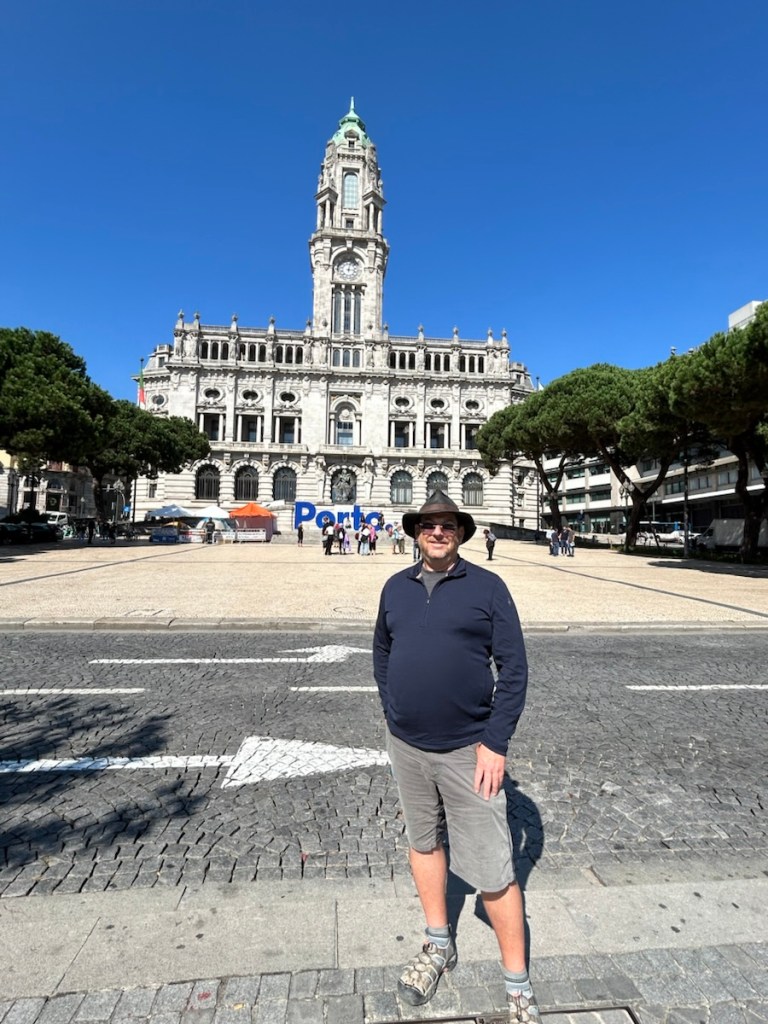
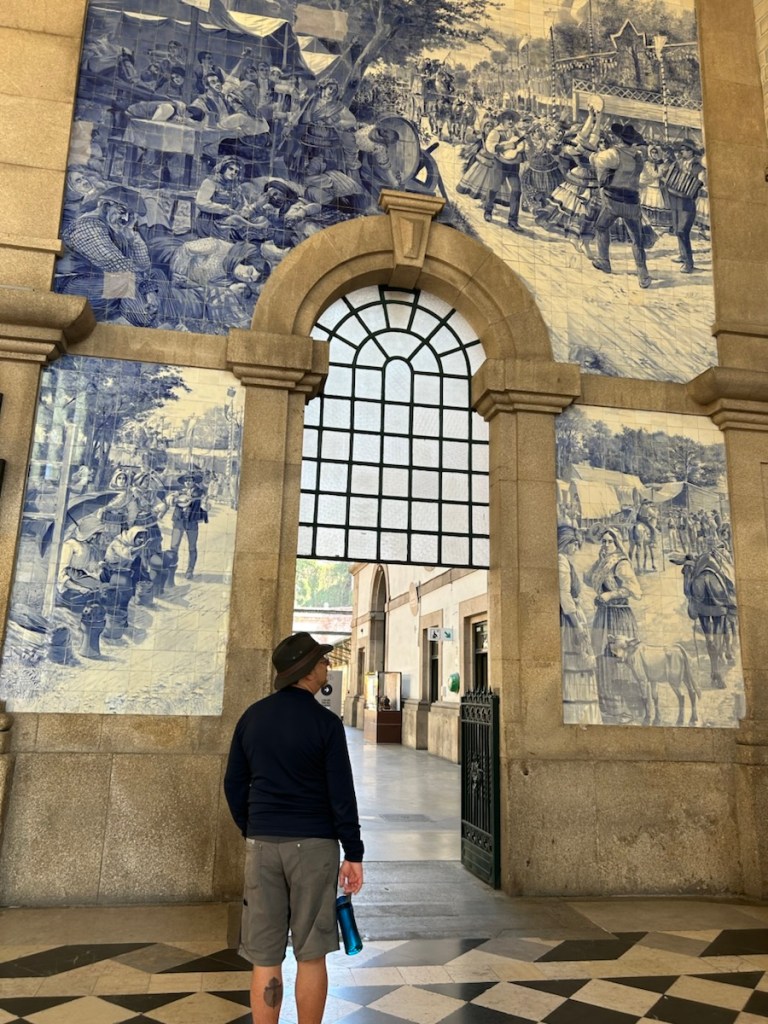
Once we reached Porto, we checked into our hostel—only to find our reservation a little mixed up. No worries though, they had us sorted by the next night. After that, we set off to explore the city! Our first stop was the riverfront, and we crossed the bridge to the Sandeman Port Winery to see if we could catch a tour. Unfortunately, they were all booked up for the day, but we didn’t mind. We secured a spot for the next day’s Old Tawny tour, and it turned out to be a highlight. We tasted some incredibly rich 10, 20, 30, and even 40-year-old tawnies while learning about the port-making process.
The rest of the day was spent leisurely wandering the city, taking in the sights and atmosphere. Before we knew it, it was time for dinner and a good night’s sleep—because on Tuesday, we’d be walking again!
We drifted off, not a care in the world—well, except for wondering how much rain might fall on us the next day.
Sleeping in a bell tower—now that’s one of those ideas that sounds charming, like something out of a travel brochure. In reality, though, it’s about as restful as trying to nap in the middle of a construction site, but with more bells, cats, and random acts of chaos.
Let me set the stage. This particular bell tower had a clock that believed time was more of an artistic suggestion than a hard rule. So instead of chiming on the hour like a normal bell, this one preferred to surprise you. One minute, it’s eerily silent, and the next it’s blasting out an off-key GONG that rattles your bones and makes you question all your life choices. It got so bad, I started flinching every time the wind moved, just waiting for the next random cacophony.
Now, as if that wasn’t enough to keep things lively, the bell tower also came with its very own pair of local cats. And not the kind that curl up and purr on your lap, no sir. These were highly trained, professional rat assassins, and they had decided tonight was the night to wage their final battle. Just as I was about to doze off, I’d hear the rapid-fire skittering of paws as they launched their nightly raid. Every so often, there’d be a loud thud, a sharp squeak, and then the sound of a cat tearing off like it was chasing its prey straight into another dimension. If you’ve never had a two-cat demolition derby play out above your head while trying to sleep, I highly recommend it if you’re hoping to go insane.
Of course, all of this is happening while I’m crammed into a bed that was clearly designed for someone about three feet shorter than me. Every time I stretched out, my toes dangled off the end like they were making a desperate bid for freedom. I tried curling up, scrunching into the fetal position, and even lying diagonally, but none of it worked. Eventually, I gave up and let my feet hang off the edge, where they could periodically slap the cold stone floor like some sort of sad, rhythmic protest against my poor life decisions.
Just as I thought I’d found the least uncomfortable position possible, the bell tower decided it had been too quiet for too long. With no warning whatsoever, it let loose a blast so off-key, so aggressive, I thought for sure it was trying to murder me. The cats, already in full pursuit of their rodent foes, took this as their cue to shift into high gear. I swear they hit warp speed, zooming around the room like tiny, furry missiles.
Meanwhile, my feet were still tapping the floor as if trying to send Morse code for help. But I wasn’t going anywhere, because I was trapped—trapped between a tower with a bell that had lost all concept of time, two cats reenacting the Fast and Furious, and a bunk bed that clearly had it out for me.
In the morning, as I peeled myself out of bed, I realized two things. One: I had survived the night. And two: The bells? They didn’t even ring when they were supposed to. Of course not.
Enough about the bell tower and cats…
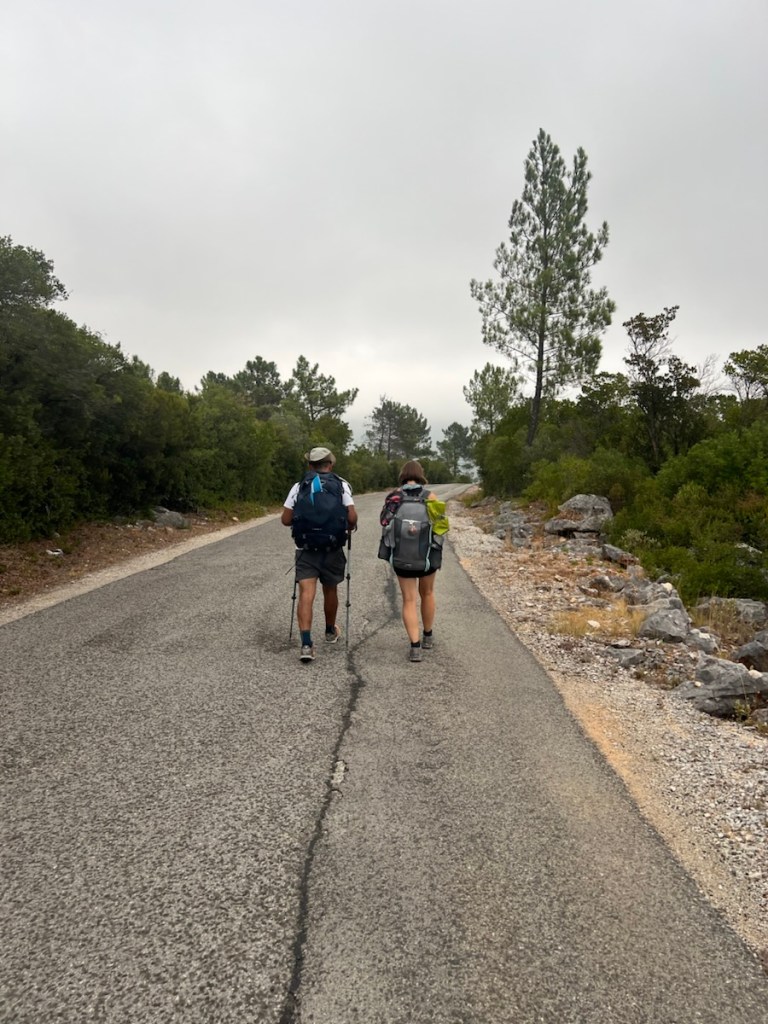
Today from Monsanto to Fatima was about 25 km. Now normally 25km is about the perfect distance… in cool, flat terrain. Well, today was hot and hilly, through much of the same loos rock and boulders that we experienced the day before. About half of the trail was like this and the other half, asphalt.
We met our first pilgrim – Sandra from Austria. We walked and talked for hours and enjoyed company with her. We then all went to dinner in Fatima and said our goodbyes. That’s the way of the Camino. We might see her again here in Fatima, but likely not, and tomorrow our Camino’s diverge once again as we skip ahead to Oporto due to time and fires.
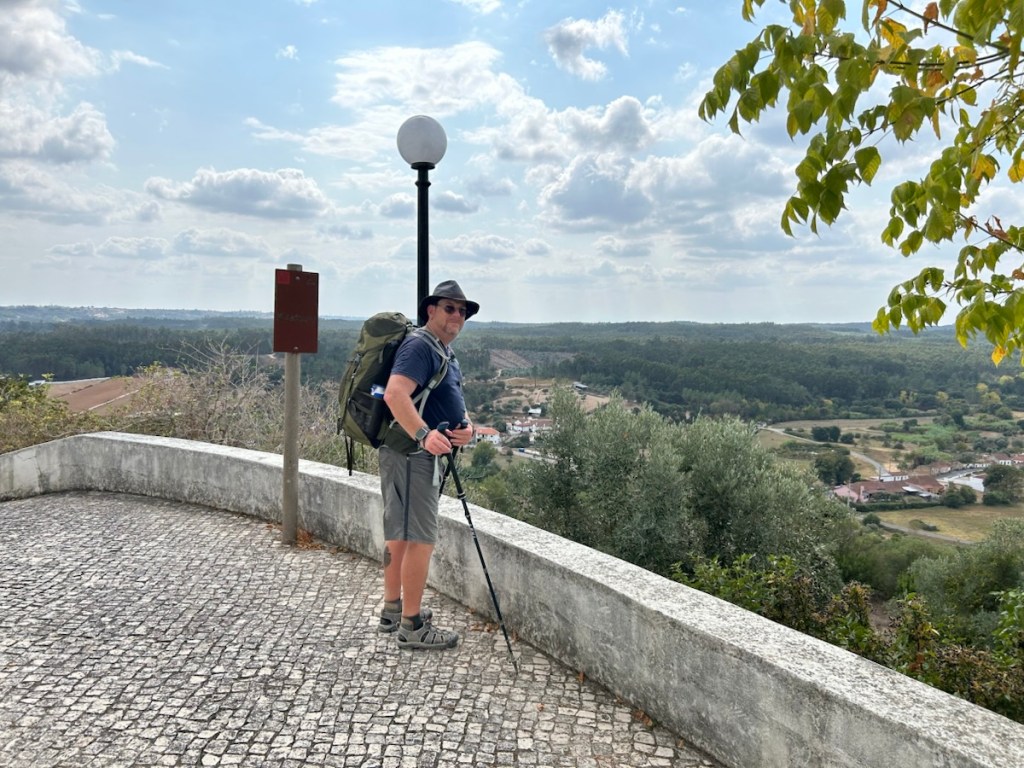
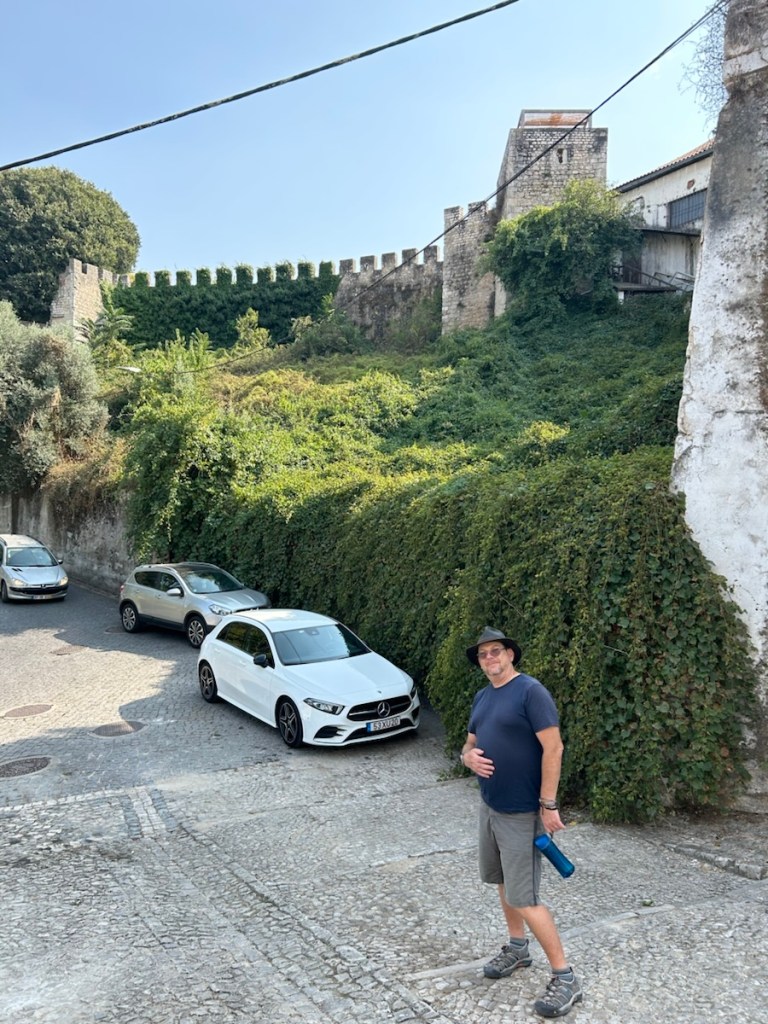
Santarém sits on a defensible hill, surrounded by walls and natural bluffs that have protected it through centuries of conflict between the Moors, Romans, Portuguese, and others. It was the perfect spot for a layover.
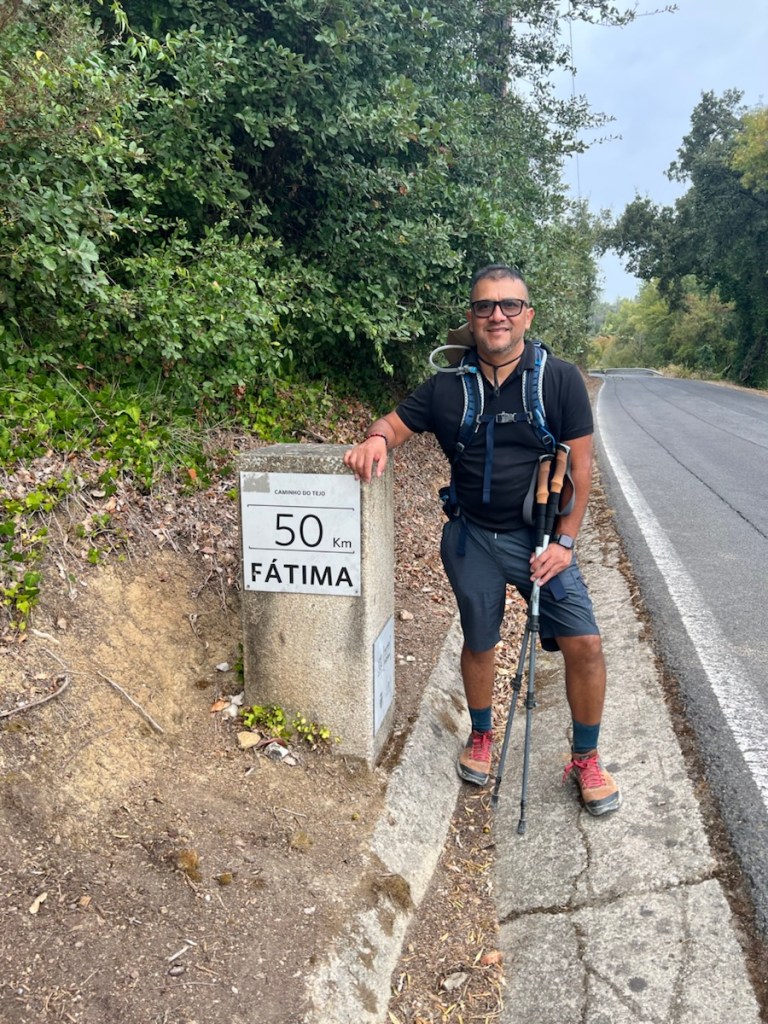
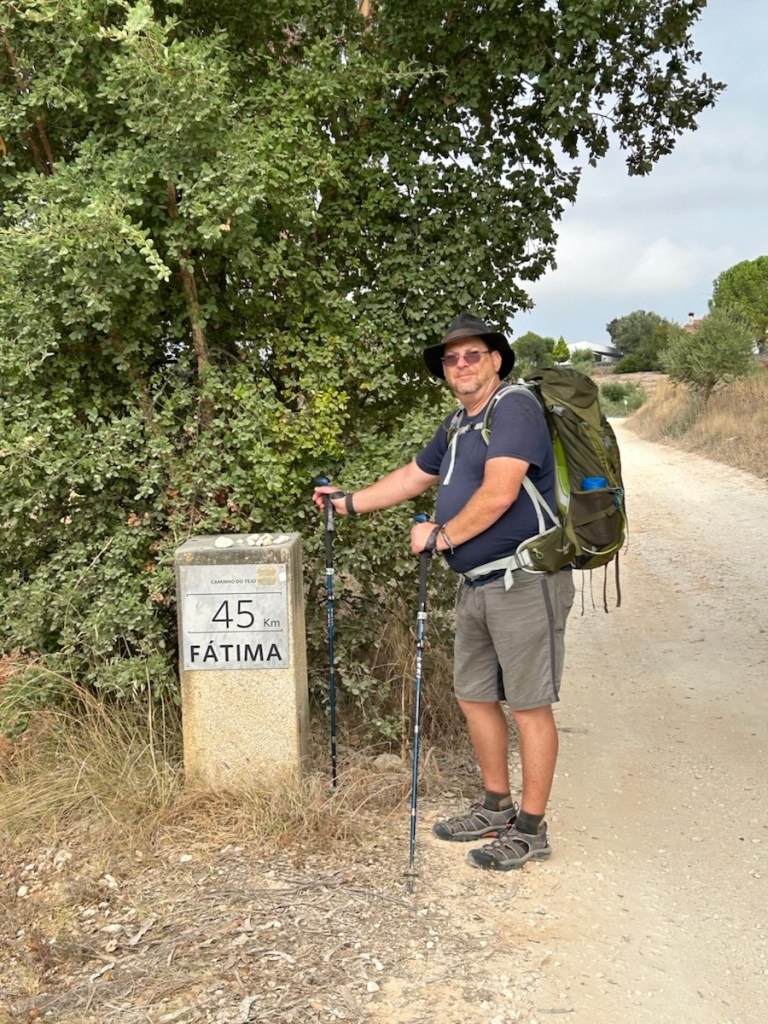
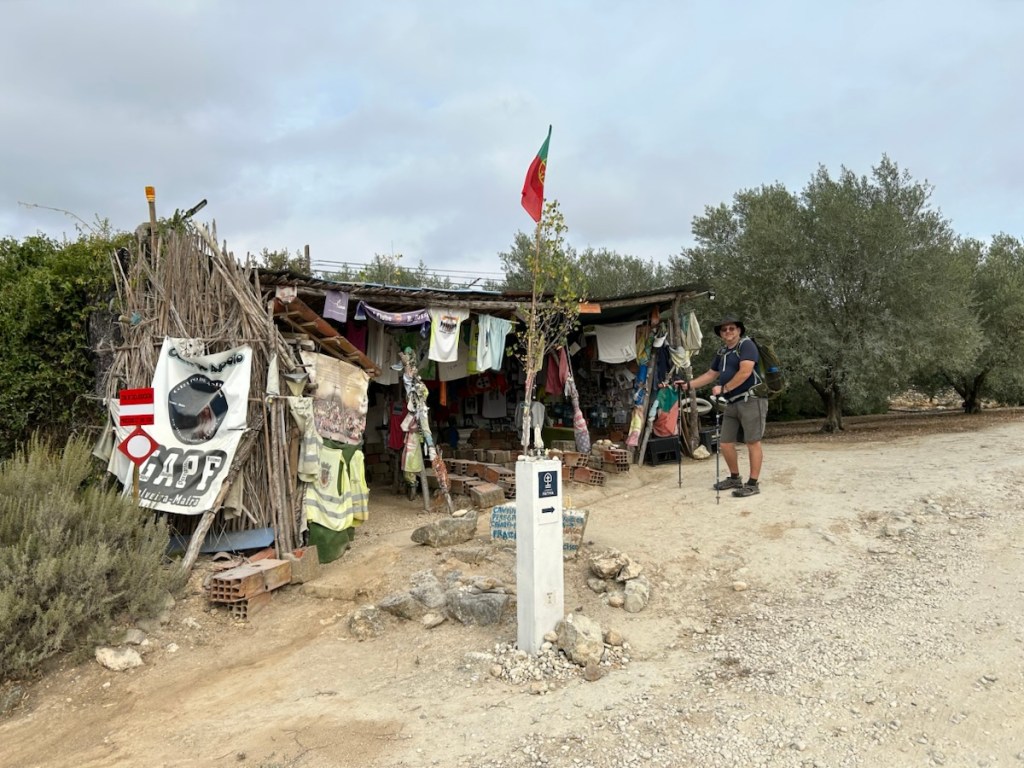
Today, we picked up the Camino again. For the past few days, we’ve been following both the Camino de Santiago (yellow arrows) and the Camino de Fátima (blue arrows). Now, the paths diverge, and we’ll be following the blue arrows.
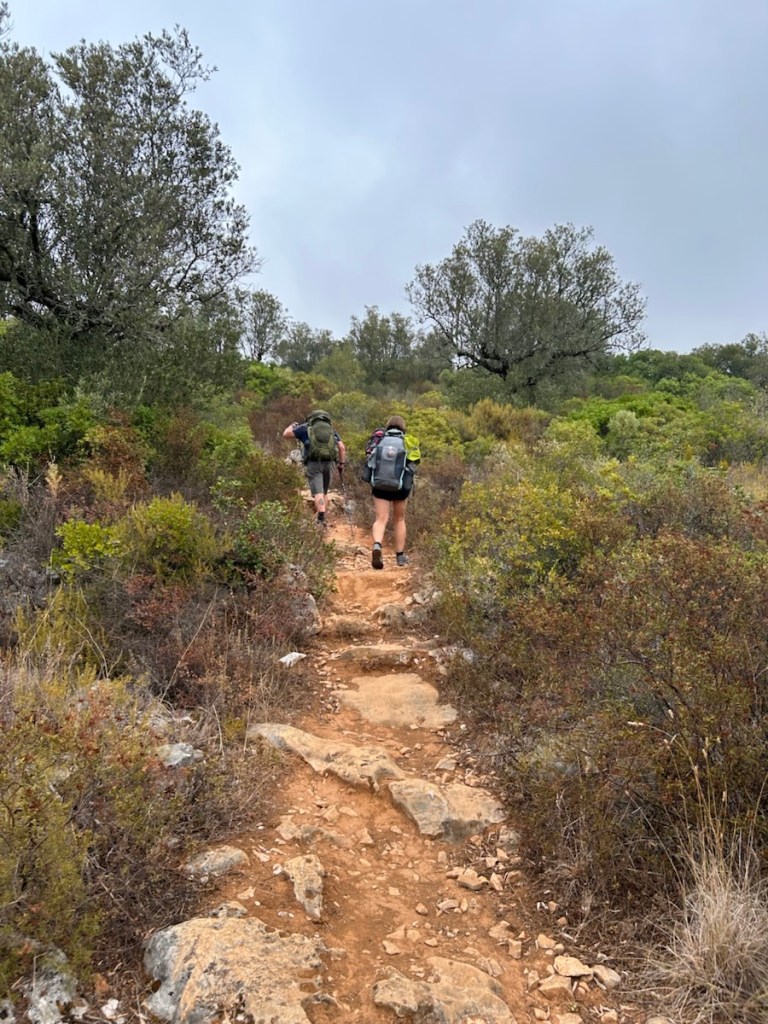
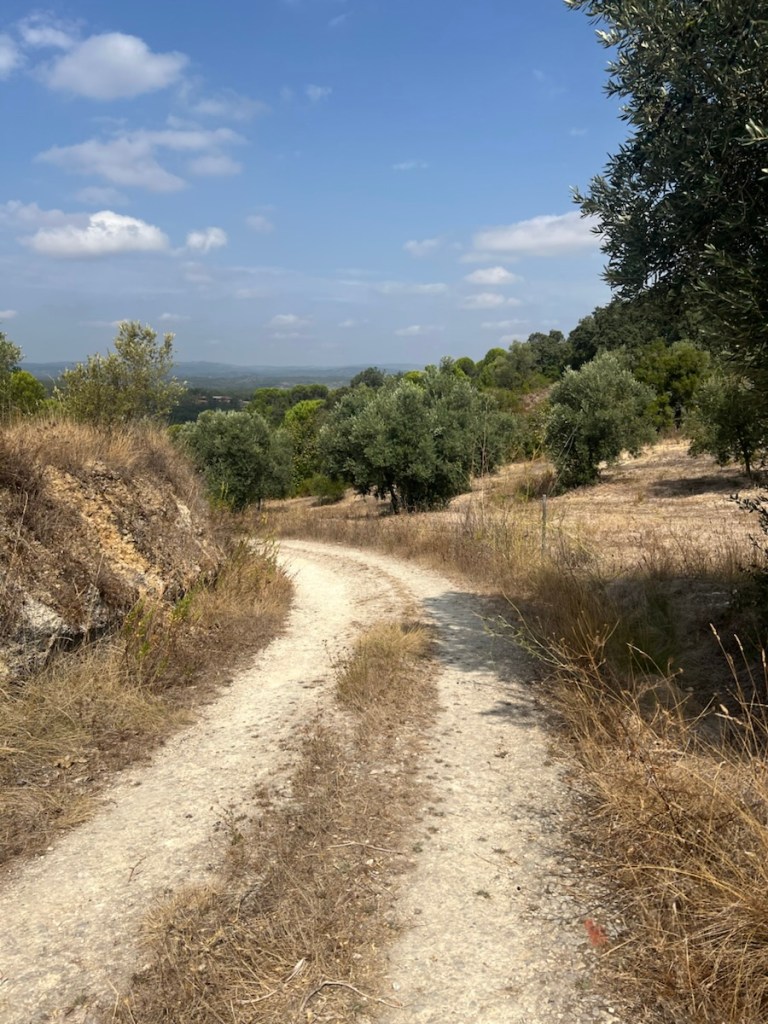
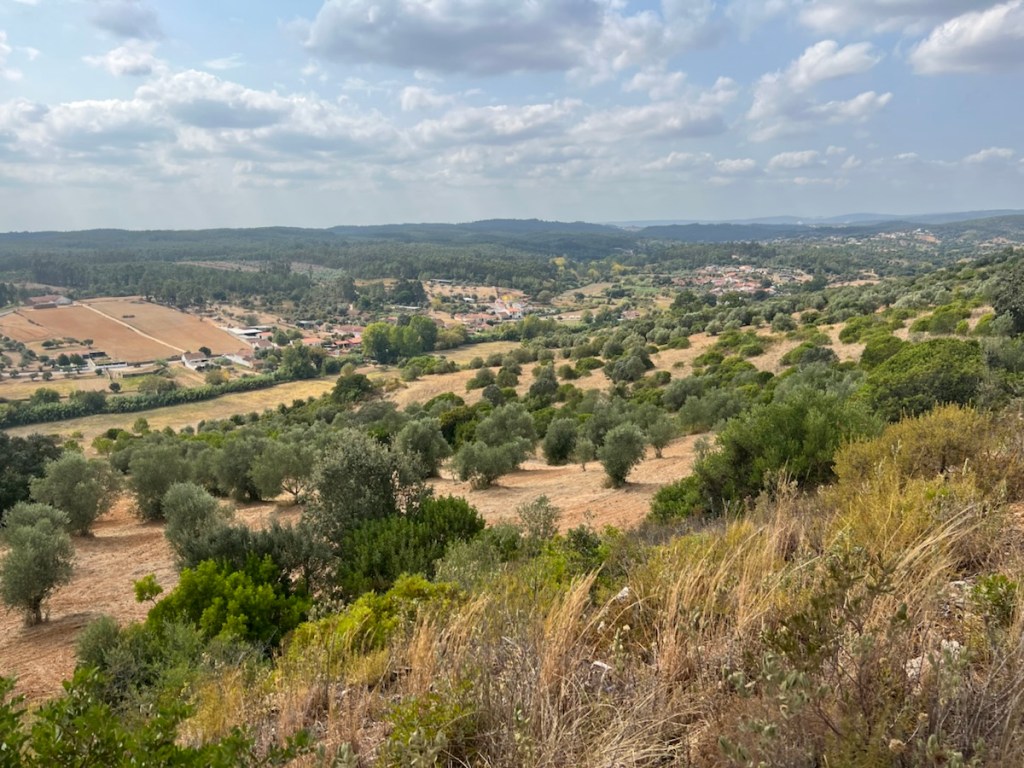
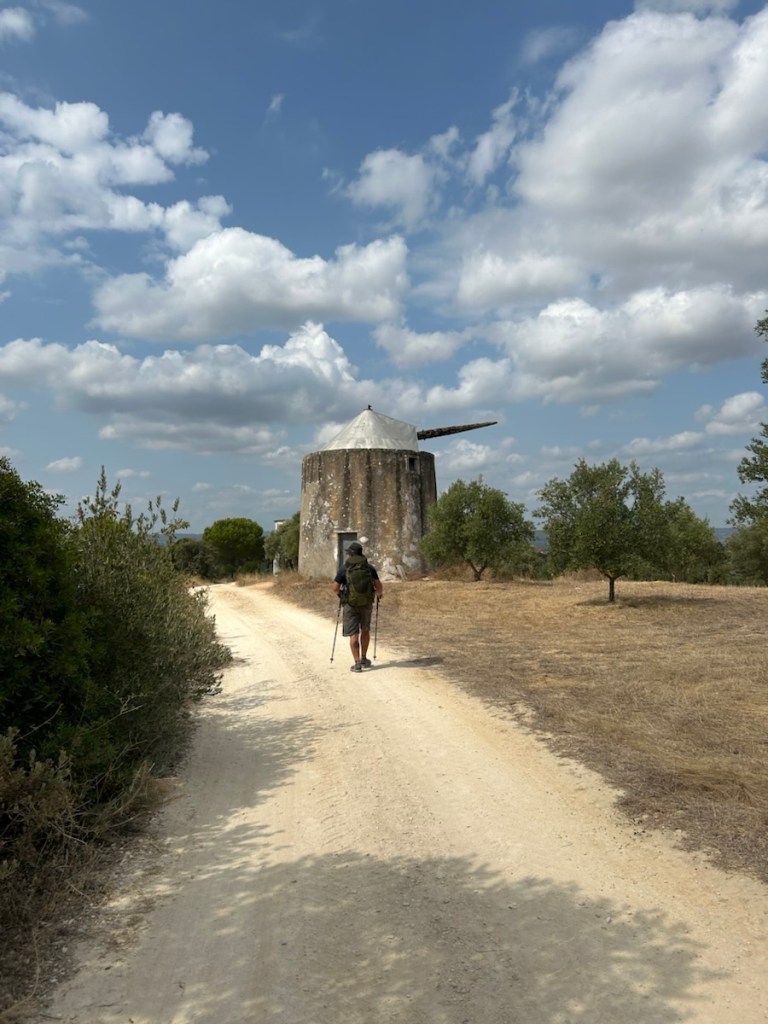
Today’s journey is 35 kilometers, taking us to the town of Monsanto, and for the first time, we encountered some real trails and hills. The morning started off with perfect hiking weather, gradually warming up to the mid-70s. Without much shade, it felt hotter, but still manageable.
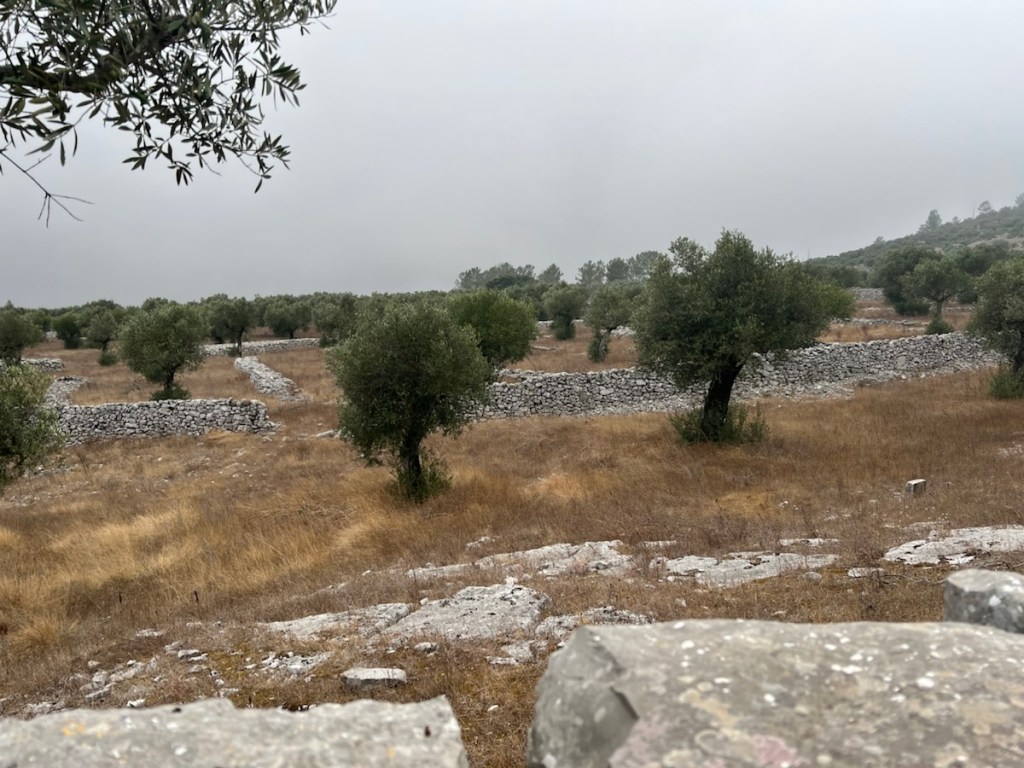
The first 24 kilometers were mostly asphalt, and the last stretch, about 8 kilometers, led us through oak and eucalyptus forests. We tackled two climbs, each about 250 meters of elevation over 2-3 kilometers. The terrain was rocky and challenging, with loose stones and narrow passages through chaparral. It was tough but worth it—though the views from the top were hidden by fog, which, in a way, was a blessing, offering a cool break from the heat.
We passed rolling hills and farms, with bell peppers growing all around. I couldn’t resist grabbing one—it was juicy and delicious. Fresh produce straight from the source is unbeatable. We also came across fig trees, their sweet aroma inviting us to pick and enjoy them. Naturally, I obliged.
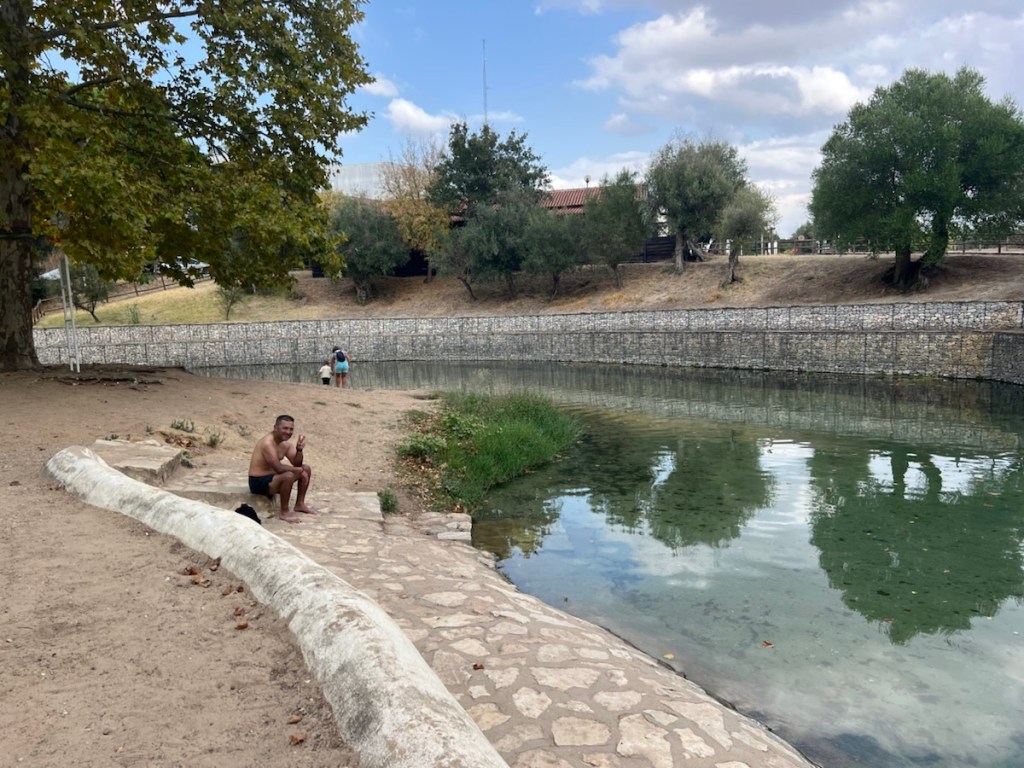
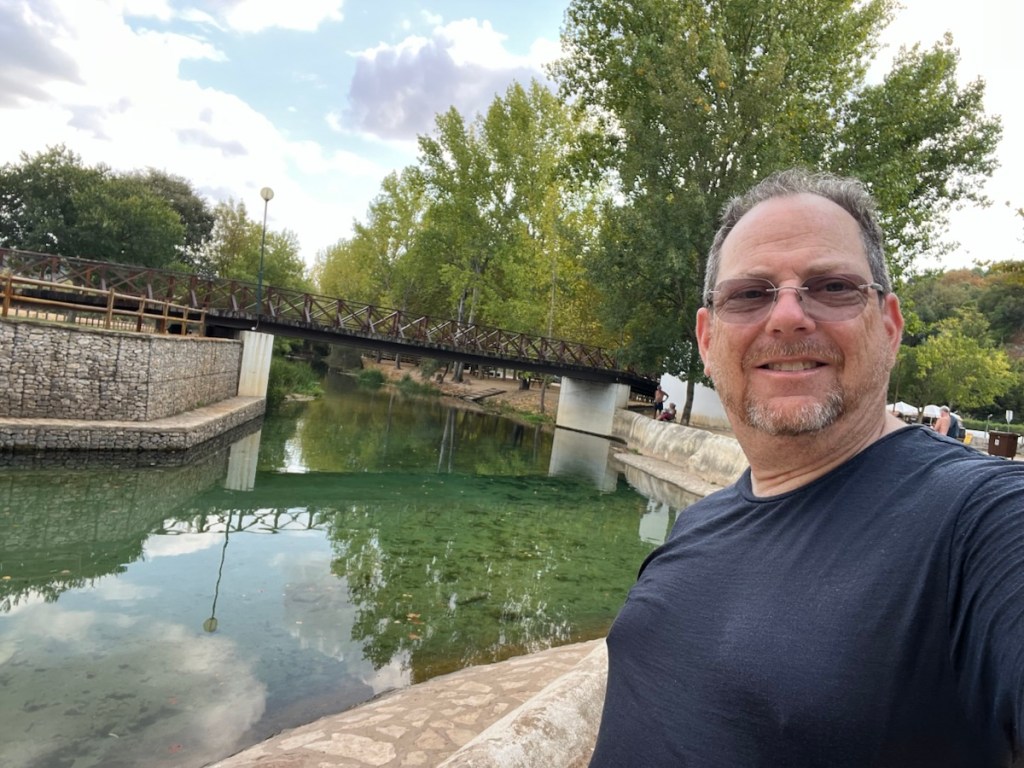
Around the 32-kilometer mark, I made a sudden turn and started heading down the hill we had been climbing. Tio wasn’t thrilled, but I had a good reason: there was a river below with a dam, a swimming hole, and picnic tables. I was determined to take a dip and cool off.
Normally, I might not have done this, but for the last six weeks, I’d been swimming with a friend in our local river, and the thought of jumping into this one was too tempting. The water was crystal clear, and we could see trout and whitefish swimming around us. The cold felt amazing on our legs after such a long walk. After drying off, we climbed back up the hill and continued to Monsanto.
Our albergue for the night was in a clock tower, where we were frequently reminded of the time—mostly because the clock needed resetting to be accurate! Thankfully, the bells weren’t loud enough to wake us, but if we were already awake, they definitely made themselves heard.
Normally, the walk from Lisbon to Santarém takes about three days and covers 90 kilometers. However, the first few days on any Camino tend to be the hardest as your body gets used to the physical demands of the trek. While that was a consideration, the main reason we decided to skip ahead a day was because of the wildfire smoke and heat. Even though the plumes were high, the smell of smoke filled the air, which meant there were particulates floating around. And honestly, I’d rather not be breathing in toxic air while hiking in the heat!
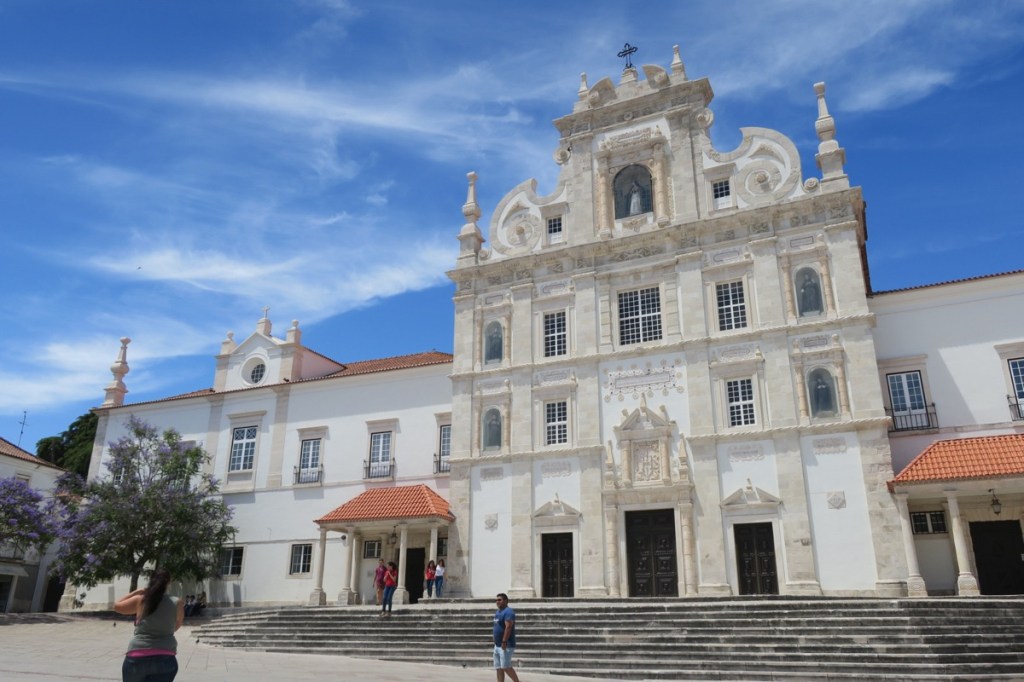
Instead, we took the opportunity to enjoy a rest day in Santarém and explore the town. It’s a lively place thanks to the polytechnic college, though the population is only around 30,000. We wandered around, ate some great food, checked off a few chores, and just enjoyed the rhythm of the day. It was a good, laid-back day.
The forecast for Day Two was in the low 90s. We had two options: a 20km hike or a 34km one. We decided to keep our plans flexible.
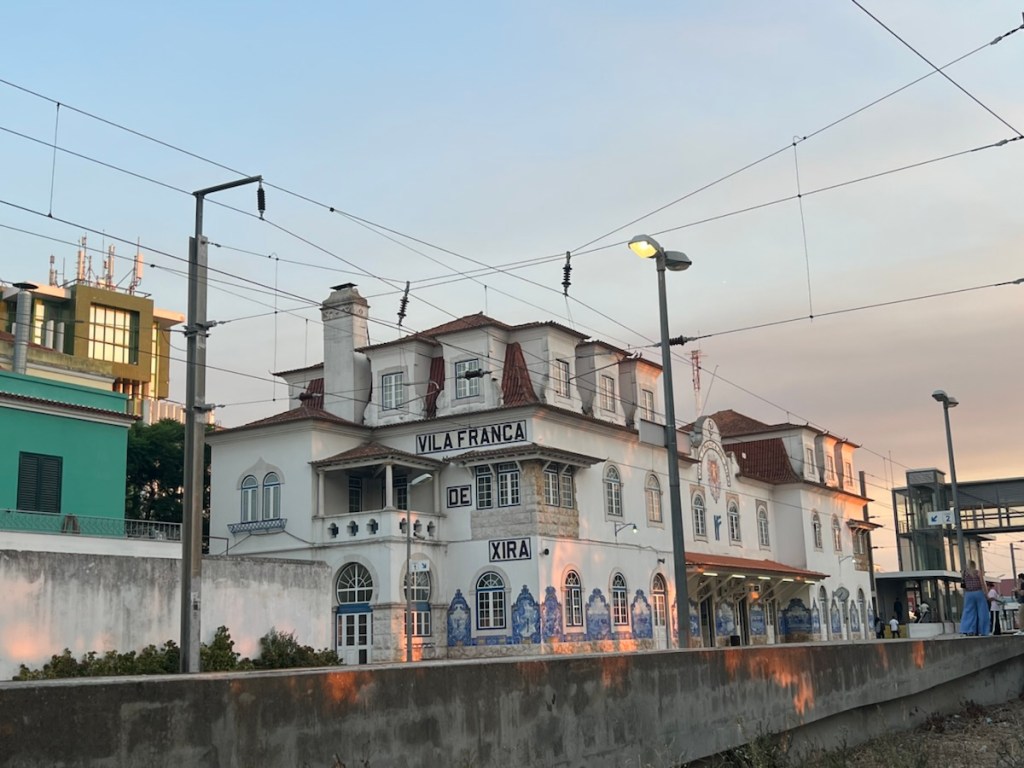
The route from Vila Franca da Xira to Azambuja was 20km, mostly on asphalt—probably 70-80%—with the rest on dirt roads. It was completely flat and entirely exposed, with no shade.
The day started off cool, around 68°F, but the heat quickly ramped up. At about 16km into the hike, we considered pushing on to the next albergue, another 13km away, since we were feeling pretty good. But then the heat really hit, and before I knew it, Luis Armando was out of sight. At the edge of Azambuja, I found a small patch of shade near some bamboo and waited for him. When he caught up, we both realized we were exhausted from the heat. Since it was still early and the albergue wasn’t open yet, we decided to grab lunch. Unfortunately, the flies were all over the tuna lasagna, making the meal less than enjoyable, but I ate what I could.
Throughout the day, every place we stopped had the TV on, showing news of wildfires about 150-200km to the north. Though the fires were far from us, we could smell the smoke as the plume passed overhead.
With the high temperatures, smoke in the air, and more heat forecast for the following day, we decided to take the train to Santarém, giving ourselves a rest day to do laundry and explore the town.
On the train, I managed to find some seats, facing three ladies who seemed to be enjoying their peaceful ride. As I hoisted my pack up to the overhead storage, disaster struck—my water bottle slipped out, and wouldn’t you know it, it smacked one of them right on the knee before bouncing to the floor.
In a heroic attempt to help, she bent down to pick it up. Unfortunately, what neither of us realized was that the top had broken during the fall, and the bottle was now basically an open faucet. Water sprayed everywhere—on her, on me, and all over the seats I had just claimed.
Luis Armando, blissfully unaware of the chaos, turned around just in time to witness the aftermath—the confusion, the soaked seats, and the ladies trying not to laugh. That was it, the perfect icebreaker. Soon, we were deep in conversation with the three women, who, it turned out, were elementary school teachers heading home to Santarém after a long day at work.
What started as a water bottle disaster ended up as the beginning of a delightful chat. It’s funny how a little chaos can bring people together!















 Pizote Adventures